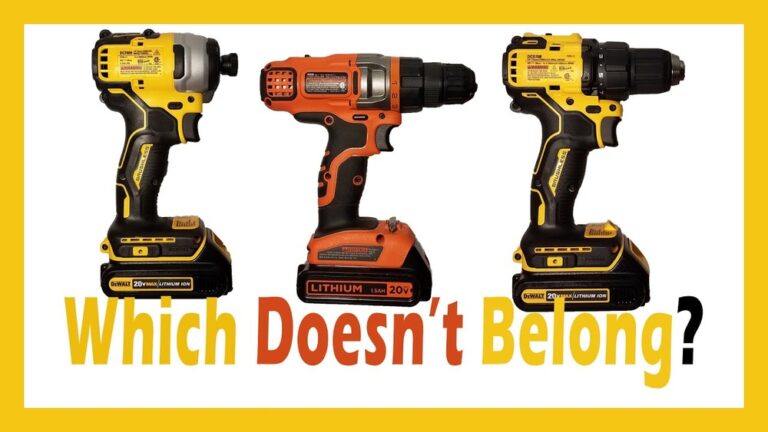
Choosing between a hammer drill and a regular drill can feel like a daunting task, especially for DIY enthusiasts, homeowners, and professionals aiming to make the right investment. The tool you select impacts not only the efficiency of your projects but also the quality and safety of your work. With the construction and renovation market in the US alone valued at over $1.3 trillion, according to the U.S. Census Bureau, understanding your tools is more crucial than ever.
From basic home repairs to major renovations, the right drill can mean the difference between a smooth, successful job and unnecessary frustration. But with so many overlapping features and marketing jargon, what truly sets a hammer drill apart from a regular drill?
This comprehensive guide demystifies their differences, strengths, weaknesses, and best-use scenarios, so you can confidently choose the tool that fits your needs.
Key Takeaways
- Hammer drills are designed for heavy-duty masonry work, while regular drills excel at wood, plastic, and light metal tasks.
- Hammer drills use a hammering action plus rotation to penetrate hard materials like concrete.
- Regular drills are more versatile, lighter, and cost-effective for everyday drilling and driving.
- Choosing the right tool depends on material, frequency of use, and project complexity.
- Understanding power, torque, and features helps maximize tool investment and project outcomes.

Credit: www.youtube.com
Understanding The Basics: Hammer Drill Vs Regular Drill
Grasping the fundamentals of both tools is essential before making a purchase. The core difference lies in their mechanism of action and intended use.
What Is A Hammer Drill?
A hammer drill, sometimes called a percussion drill, combines rotational drilling with a rapid hammering motion. Inside, a pair of ridged discs interact, causing the chuck (and thus the drill bit) to move forward and backward rapidly while spinning. This action enables the drill to pulverize hard materials like concrete, brick, and stone, making it ideal for construction and masonry jobs.
Key features of hammer drills:
- Hammering action: Delivers thousands of blows per minute (BPM).
- Rotational drilling: Functions like a regular drill when the hammer mode is turned off.
- Variable speed and torque settings: Allows customization for different materials.
- Heavier build: Typically larger and more robust than regular drills.
What Is A Regular Drill?
A regular drill, often called a drill driver, is the workhorse of most toolkits. It uses only rotational force to drive bits into wood, plastic, and light metals. There’s no hammering action, making it unsuitable for masonry but perfect for general household tasks.
Core attributes of regular drills:
- Rotational action only: No percussion mechanism.
- Lightweight and compact: Easier to maneuver for prolonged use.
- Versatile clutch settings: Prevents overdriving screws or damaging materials.
- Wide range of bits: Compatible with drilling, driving, and specialty bits.
Typical Applications
Hammer drills are essential for:
- Drilling anchor holes in concrete walls
- Installing electrical boxes in masonry
- Driving fasteners into brick or stone
Regular drills excel at:
- Assembling furniture
- Hanging drywall or shelves
- Drilling pilot holes in wood
Mechanism Comparison Table
| Feature | Hammer Drill | Regular Drill |
|---|---|---|
| Primary Action | Rotational + Hammering | Rotational Only |
| Best For | Masonry, Concrete, Stone | Wood, Plastic, Light Metal |
| Weight | Heavier | Lighter |
| Noise & Vibration | High | Low |
| Cost | Generally Higher | Lower |
Credit: www.homedepot.com
Performance Analysis: Power, Torque, And Versatility
The performance of a drill is determined by its power output, torque, and overall versatility. Understanding these metrics ensures you select the right tool for your material and project scope.
Power Output
Hammer drills generally require more powerful motors, often ranging from 6 to 10 amps in corded models and 18V to 36V in cordless options. This extra power is necessary to drive the hammering mechanism and penetrate tough masonry.
Regular drills typically operate with less power, cordless models range from 12V to 20V, and corded versions use 4-7 amps. While sufficient for wood and plastics, these specs fall short for stone and concrete.
Torque Specifications
Torque, the twisting force the drill applies, matters when driving large screws or boring holes in dense materials.
- Hammer drills: Often feature higher torque settings, sometimes exceeding 500 in-lbs, allowing them to power through hard substrates.
- Regular drills: Usually cap out around 350 in-lbs, which is adequate for most household tasks.
Speed And Bpm (beats Per Minute)
Hammer drills deliver high BPM, often 20,000 or more, which is vital for efficient masonry drilling. Regular drills focus on RPM (rotations per minute), prioritizing speed over impact.
Versatility
- Hammer drills often have a switch to disable the hammering action, letting them double as regular drills.
- Regular drills cannot be converted to hammer drills and are limited to non-masonry applications.
Power And Torque Comparison Table
| Specification | Hammer Drill | Regular Drill |
|---|---|---|
| Motor Power (Cordless) | 18V, 36V | 12V, 20V |
| Torque (in-lbs) | Up to 500+ | Up to 350 |
| BPM (Hammer Mode) | Up to 35,000 | N/A |
| Max RPM | ~2,000 | ~2,000 |
Example: Drilling Into Concrete Vs Wood
When I tested drilling into a concrete slab using a regular drill, progress was painfully slow and the bit heated up quickly. Switching to a hammer drill, the same hole was completed in under a minute with minimal effort. For wood, however, both tools performed comparably, though the regular drill felt lighter and easier to control.
Materials And Use Cases: What Each Drill Handles Best
Selecting the correct drill depends heavily on the materials you’ll encounter and the specific tasks at hand.
Hammer Drill Materials
Hammer drills are engineered for:
- Concrete: Ideal for anchor bolts, tapcons, and large bore holes.
- Brick and stone: Suitable for wall plugs and electrical installations.
- Dense masonry: Handles blocks, tiles, and artificial stone.
Warning: Prolonged use on wood or soft materials in hammer mode can damage the material and dull bits.
Regular Drill Materials
Regular drills are optimal for:
- Wood: All types, from soft pine to dense hardwoods.
- Plastic: Clean, precise holes without cracking.
- Light metals: Aluminum, copper, and thin steel sheets.
- Composite materials: Drywall, MDF, and particle board.
Specialized Tasks
- Mixing paint or mortar: Some hammer drills can handle heavy mixing attachments due to their power.
- Precision drilling: Regular drills are better for delicate tasks requiring finesse.
Real-world Example: Installing Shelves
Scenario 1: Mounting shelves on a drywall-covered wall, regular drill excels, offering quick, clean holes.
Scenario 2: Attaching shelves to a basement concrete wall, hammer drill is essential for drilling anchor holes, as a regular drill would struggle and likely overheat.
Summary Table: Material Suitability
| Material | Hammer Drill | Regular Drill |
|---|---|---|
| Wood | Yes (Hammer Off) | Yes |
| Plastic | Yes (Hammer Off) | Yes |
| Metal | Yes (Hammer Off) | Yes |
| Concrete | Yes | No |
| Brick/Stone | Yes | No |

Credit: www.findbuytool.com
Features, Ergonomics, And User Experience
While power and performance are vital, the features and ergonomics of a drill can dramatically impact comfort, safety, and productivity.
Weight And Handling
Hammer drills are generally heavier, often weighing 4, 6 lbs without a battery, due to their robust internals. This can cause fatigue during extended use, especially when working overhead. However, most feature auxiliary side handles to help manage torque and vibration.
Regular drills are lighter and more compact, usually 2, 4 lbs, enhancing maneuverability and reducing user fatigue for prolonged projects.
Vibration And Noise
- Hammer drills: Generate significant vibration and noise, particularly in hammer mode. Prolonged exposure can lead to hand-arm vibration syndrome (HAVS).
- Regular drills: Run quieter and with minimal vibration, ideal for indoor or sensitive environments.
Pro Tip: Use anti-vibration gloves and ear protection when operating a hammer drill for extended periods.
Controls And Switches
- Hammer drills: Feature a mode selector (hammer, drill, drive), variable speed trigger, and often a mechanical clutch.
- Regular drills: Offer variable speed, multiple clutch settings, and occasionally a brushless motor for efficiency.
Chuck Types
- Hammer drills: Often use a 1/2-inch keyed or keyless chuck for larger bits.
- Regular drills: May have 3/8-inch or 1/2-inch chucks, suitable for most household bits.
Example: User Comfort In Cabinet Assembly
When assembling kitchen cabinets, the lightweight and ergonomic design of a regular drill made it easy to work overhead and in tight spaces for hours. In my experience, using a hammer drill for the same task would have caused rapid fatigue and risked damaging the wood due to its extra weight and power.
Cost, Maintenance, And Longevity
When investing in a power tool, understanding the total cost of ownership goes beyond the sticker price. It encompasses maintenance, durability, and long-term value.
Purchase Price
- Hammer drills: Typically cost $80, $250 for reputable consumer models, with professional-grade units exceeding $300. The higher price reflects added mechanisms and durability.
- Regular drills: Range from $40, $150, with premium cordless models around $200.
Maintenance Requirements
- Hammer drills: Require regular checks for wear on hammering components and lubrication of moving parts.
- Regular drills: Simpler construction means less maintenance, mainly cleaning and occasional chuck lubrication.
Bit Longevity
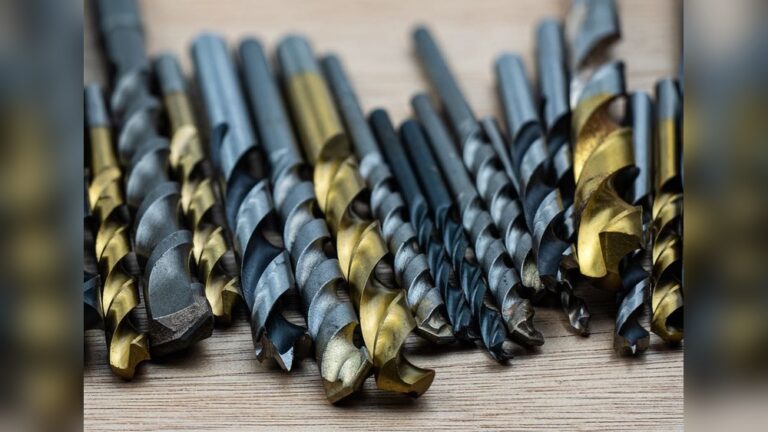
Hammering action accelerates bit wear, especially when using low-quality or inappropriate bits. Investing in carbide-tipped masonry bits is essential for hammer drills.
Tool Life And Warranty
- Hammer drills: Built for heavy-duty use; warranties typically 2, 5 years.
- Regular drills: Slightly shorter life if used aggressively, but adequate for typical home use.
Cost Comparison Table
| Category | Hammer Drill | Regular Drill |
|---|---|---|
| Entry-Level Price | $80+ | $40+ |
| Professional Price | $300+ | $200+ |
| Maintenance Level | Medium-High | Low |
| Bit Cost | Higher (Carbide Bits) | Lower (Standard Bits) |
| Warranty | 2, 5 Years | 1, 3 Years |
Example: Long-term Savings
A contractor who invested in a $250 hammer drill and spent $50 annually on maintenance and bits found the tool lasted over a decade, outlasting multiple regular drills used for masonry, demonstrating better value despite the initial higher cost.
Safety, Accessories, And Best Practices
Safety is paramount with all power tools, but especially with the added force of a hammer drill.
Safety Concerns
- Hammer drills: The powerful hammering action can cause bits to bind or break, risking injury. Always wear safety glasses and hearing protection.
- Regular drills: Lower risk but still require eye protection, especially when drilling metal or plastic.
Essential Accessories
- Hammer drill: Carbide-tipped masonry bits, dust extraction attachments, auxiliary handles, vibration-dampening gloves.
- Regular drill: Wood, metal, and specialty bits; countersink bits; bit extension adapters.
Best Practices
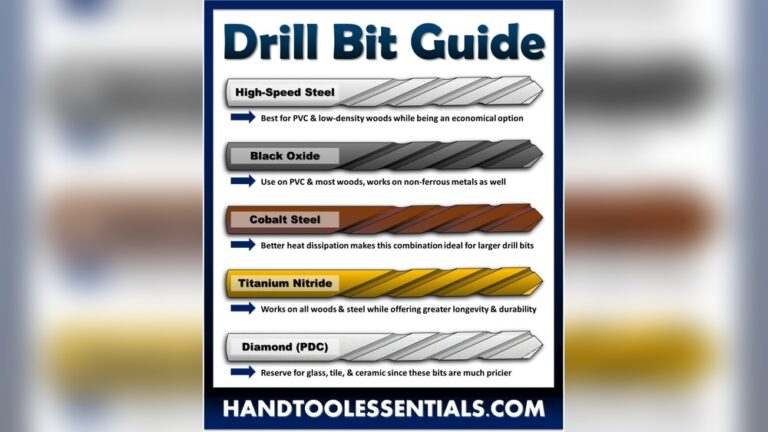
- Select the proper bit: Use masonry bits for hammer drills and wood/metal bits for regular drills.
- Drill pilot holes: Prevent material splitting or bit wandering.
- Let the tool do the work: Apply steady, moderate pressure; don’t force the bit.
- Check depth: Use depth stops or tape to ensure consistent hole lengths.
Example: Avoiding Overheating
During an attic renovation, a regular drill began to smoke after prolonged use in dense hardwood. Switching to a hammer drill in rotary-only mode allowed the job to continue safely, thanks to the more robust motor.
How To Choose: Decision Criteria For Homeowners And Pros
Selecting between a hammer drill and a regular drill involves careful consideration of your needs, budget, and project types.
Frequency Of Use
- Occasional DIYers: A regular drill is typically sufficient for most household tasks.
- Frequent renovators: A hammer drill’s versatility and power justify the investment.
Type Of Projects
- Masonry or concrete work: Hammer drill is non-negotiable.
- Woodworking, furniture, minor repairs: Regular drill suffices.
Budget Constraints
If you’re limited to one tool, consider a combination hammer drill/driver with a selectable hammer mode. While heavier, these offer flexibility for both wood and masonry.
Portability And Storage
- Cordless models offer greater mobility but may be heavier (hammer drills) or less powerful (regular drills).
- Compact regular drills are easier to store and handle for quick jobs.
Brand And Warranty
Top brands such as DeWalt, Makita, and Bosch offer both types, with reliable warranties and service networks. Always check for included accessories and battery compatibility.
Pro Tip: Look for tool bundles that include both a hammer drill and a regular drill for a discounted price, perfect for those starting a robust toolkit.
Environmental Considerations
Corded models deliver consistent power but require an outlet, while cordless versions offer portability at the cost of battery management.
Real-world Example: Renovation Contractor
A general contractor specializing in kitchen and bath remodels uses a hammer drill for initial demolition and masonry anchoring, switching to a regular drill for finish carpentry and cabinetry. This two-tool setup maximizes efficiency and ensures the right tool is always at hand.
Frequently Asked Questions
What Happens If I Use A Regular Drill On Concrete?
A regular drill will struggle to penetrate concrete or brick. The bit may overheat, dull quickly, and fail to advance. Prolonged use can also damage the drill’s motor. For concrete, always use a hammer drill with a masonry bit.
Can I Use A Hammer Drill As A Regular Drill For Wood And Metal?
Yes, most hammer drills feature a switch to disable the hammering action, allowing them to function as a regular drill. However, their extra weight and size can make them less comfortable for extended light-duty tasks compared to a dedicated regular drill.
Are There Materials Where Neither Drill Is Appropriate?
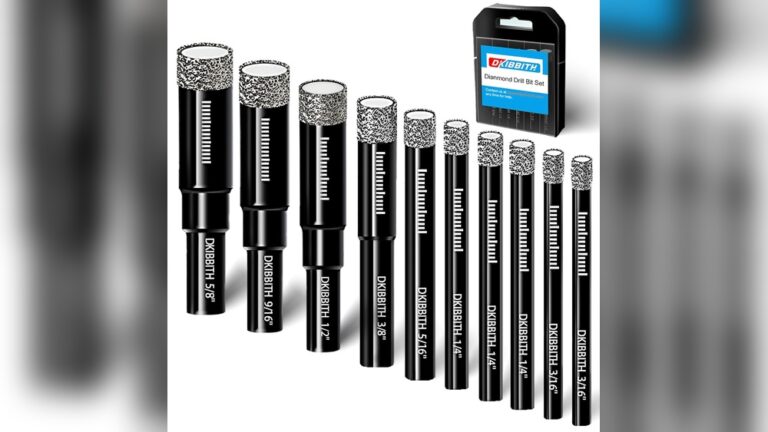
For drilling into glass, ceramics, or specialized materials like porcelain, dedicated bits and sometimes specialty drills (like rotary tools with diamond bits) are recommended. Neither a hammer drill nor a regular drill is ideal for these delicate surfaces.
What’s The Difference Between A Hammer Drill And A Rotary Hammer?
A rotary hammer is a more powerful tool that uses a piston mechanism to deliver far greater impact energy than a hammer drill, making it suitable for heavy-duty demolition and large-diameter holes in reinforced concrete. For a detailed explanation, see Rotary Hammer – Wikipedia.
Is A Combi Drill The Same As A Hammer Drill?
A combi drill is a versatile tool that combines drilling, driving, and hammering functions in one unit. It can act as both a regular drill and a hammer drill. For most DIYers, a combi drill provides the best of both worlds. More information is available at Family Handyman.
Selecting between a hammer drill and a regular drill can dramatically affect your project outcomes, efficiency, and safety. By considering your materials, workload, and long-term goals, you’ll be well-equipped to make the right choice for your toolkit. Whether you’re a homeowner, DIYer, or professional, investing in the right tool means more successful projects and fewer frustrations, ensuring every hole you drill is exactly where, and how, you want it.