Choosing the right drill size is crucial for achieving accurate, reliable threads, especially when working with metric taps like the M6 x 1.0 tap. Whether you’re a seasoned machinist, a DIY enthusiast, or a professional engineer, understanding the specifics of drill sizing for metric threads ensures your fasteners hold securely, prevents costly material damage, and streamlines your workflow. Mistakes at this stage can lead to stripped threads, uneven holes, or failed assemblies, making this a topic where precision truly matters.
In my experience, even minor discrepancies in drill size selection can dramatically affect thread quality. Factors such as material hardness, tap type, and thread engagement rates all play into the final outcome. This guide will clarify the technical details, provide clear reference tables, and offer practical advice to help you select the ideal drill bit for your M6 x 1.0 tap, maximizing both performance and thread strength.
Key Takeaways
- The standard drill size for an M6 x 1.0 tap is 5.0 mm (0.1969 inches).
- Material type, hole depth, and thread engagement can influence optimal drill size.
- Using the correct drill size prevents stripping, cross-threading, and tap breakage.
- Real-world examples show why slight deviations in drill size can impact thread quality.
- Comparison tables and quick-reference charts simplify drill size selection for various materials.

Credit: www.6gtools.com
Understanding The M6 X 1.0 Tap
What Does M6 X 1.0 Mean?
The M6 x 1.0 designation follows the ISO metric thread standard, where:
- M6 indicates a 6 mm nominal diameter.
- 1.0 specifies a 1.0 mm pitch (distance between thread crests).
This is one of the most common metric screw sizes, used in automotive, machinery, electronics, and furniture applications worldwide.
Metric Vs. Imperial Taps
Metric threads are measured in millimeters, while imperial (Unified Thread Standard, or UTS) taps use inches and threads-per-inch (TPI). The M6 x 1.0 is a coarse-thread metric tap, offering good strength and faster assembly compared to finer pitches.
Key Applications Of The M6 X 1.0 Tap
- Automotive engine components
- Mechanical assemblies
- Consumer electronics housings
- Furniture fasteners
The versatility of the M6 x 1.0 tap makes it a go-to for medium-strength, general-purpose thread requirements.
The Science Of Drill Sizing For Tapping
The Role Of Tap Drill Size
The tap drill size is the diameter of the hole you drill before cutting threads with a tap. Choosing the correct size ensures the tap cuts threads deeply enough for secure fastener engagement, but not so deep that the tap binds or breaks.
Calculating Tap Drill Size
The most reliable formula for metric tap drill size:
Tap Drill Size = Nominal Diameter, Thread Pitch
For M6 x 1.0:
- 6.0 mm (nominal), 1.0 mm (pitch) = 5.0 mm
This formula provides an ideal starting point for general-purpose tapping, but adjustments may be necessary for specific materials or applications.
Importance Of Proper Drill Sizing
Using the correct drill size:
- Reduces tap breakage risk
- Maximizes thread strength and holding power
- Ensures easy assembly and disassembly
- Prevents material distortion and hole ovality
A hole drilled too small can cause excessive friction and tap binding, while an oversized hole results in weak threads.
Standard Drill Sizes For M6 X 1.0 Tap
Recommended Drill Size
For a standard M6 x 1.0 tap, use a 5.0 mm drill bit. This size balances thread engagement and ease of tapping in most metals.
Drill Size Alternatives (us Imperial Equivalents)
If metric bits are unavailable, you can use a close imperial size. The closest imperial equivalent to 5.0 mm is a #8 drill bit (0.1990 inches), which is slightly larger but acceptable in non-critical applications.
Quick Reference Table
| Tap Size | Thread Pitch (mm) | Standard Drill Size (mm) | Imperial Equivalent (inches) | Closest Imperial Drill |
|---|---|---|---|---|
| M6 x 1.0 | 1.0 | 5.0 | 0.1969 | #8 (0.1990″) |
Pro Tip:
When in doubt, always consult your tap manufacturer’s reference chart or the ISO metric tapping standards for the most precise drill size recommendations.
Factors Influencing Drill Size Selection
Material Type And Hardness
Harder materials such as stainless steel or tool steel may require a slightly larger drill size (e.g., 5.1 mm) to reduce tap torque and risk of breakage. Softer materials like aluminum or plastics can use the standard 5.0 mm drill for optimal thread engagement.
Thread Engagement Percentage
Thread engagement refers to how much of the internal thread is actually gripping the fastener. For general engineering, 60, 75% engagement is optimal. Higher engagement increases strength but also makes tapping harder.
- 60% Engagement: Easiest to tap, slightly weaker threads.
- 75% Engagement: Stronger threads, more difficult tapping.
- 90%+ Engagement: Not recommended due to high risk of tap breakage.
Tolerance And Fit
Manufacturing tolerances affect final thread fit. Precision applications (such as aerospace) may require tighter tolerances, while general assembly allows for more variation.
Drilling Equipment And Bit Quality
Worn or low-quality drill bits may cut undersized holes, increasing tap breakage risk. Always use sharp, high-quality drill bits for tapping operations.
Real-world Examples And Case Studies
Example 1: Automotive Repair Shop
A technician needs to repair a stripped M6 thread in an engine block. Using a 5. 0 mm high-speed steel drill and a quality tap, the new threads accept an M6 bolt with proper torque and no slippage, restoring the part to OEM standards.
Example 2: Electronics Assembly Line
On a production line assembling aluminum enclosures, switching from a 5. 0 mm to a 5. 1 mm drill bit (due to material softness and high tap breakage rates) results in a 30% reduction in tap breakage, increasing productivity and lowering tool costs.
Example 3: Home Workshop Project
A DIY builder uses a #8 drill (0. 1990 inches) for an M6 x 1. 0 tap when a metric bit is unavailable. The threads are slightly looser, but the assembly holds for a non-critical shelving unit.
| Scenario | Material | Drill Size Used | Outcome |
|---|---|---|---|
| Automotive Repair | Cast Aluminum | 5.0 mm | Factory-spec threads restored |
| Electronics Assembly | 6061-T6 Aluminum | 5.1 mm | Lower tap breakage, efficient production |
| DIY Shelving | Mild Steel | #8 Drill | Acceptable fit for non-critical use |
Step-by-step Guide: Drilling And Tapping For M6 X 1.0
1. Mark And Center Punch
Accurately mark the hole location and use a center punch to prevent drill bit wandering. This is especially important for small-diameter taps.
2. Drill The Pilot Hole
Use a 5.0 mm drill bit for most metals. For tougher materials, consider 5.1 mm. Clamp the workpiece securely and use cutting fluid to reduce heat buildup.
3. Deburr The Hole
After drilling, use a deburring tool or countersink to remove sharp edges. This eases tap entry and reduces the risk of chipping.
4. Tap The Hole
Select a high-quality M6 x 1.0 tap (taper, plug, or bottoming style as needed). Apply cutting fluid, insert the tap perpendicular to the hole, and turn slowly, reversing every quarter-turn to break chips.
5. Clean And Inspect
Remove chips, inspect threads for uniformity, and test-fit with an M6 bolt. If the bolt enters smoothly with slight resistance, the thread is correct.
Common Mistakes To Avoid
- Using a dull or oversized drill bit
- Skipping the deburring step
- Tapping without lubricant
- Forcing the tap if resistance increases
Advanced Considerations: Tolerances, Coatings, And Special Materials
Adjusting Drill Size For Thread Engagement
For applications demanding maximum thread strength, slightly undersizing the drill (e. g. , 4. 9 mm) can increase thread engagement but also tap torque. For soft materials or easier tapping, a 5. 1 mm drill reduces friction.
Tap Coatings And Material
High-performance taps may feature coatings like TiN (Titanium Nitride) or be made from cobalt steel, extending tool life and improving results in stainless or hardened steel.
Tapping Blind Vs. Through Holes
- Through Holes: Standard taper or plug taps work best.
- Blind Holes: Use bottoming taps and ensure hole depth is adequate for full thread formation.
Special Alloys And Plastics
Some composites or plastics may require special taps or modified cutting speeds. Always check manufacturer recommendations for unique materials.
Comparison Table: Drill Sizes For Common Metric Taps
To aid quick selection, here’s a reference for several popular metric tap sizes:
| Metric Tap Size | Thread Pitch (mm) | Recommended Drill Size (mm) | Imperial Equivalent |
|---|---|---|---|
| M3 x 0.5 | 0.5 | 2.5 | #39 (0.0995″) |
| M4 x 0.7 | 0.7 | 3.3 | #30 (0.1285″) |
| M5 x 0.8 | 0.8 | 4.2 | #19 (0.1660″) |
| M6 x 1.0 | 1.0 | 5.0 | #8 (0.1990″) |
| M8 x 1.25 | 1.25 | 6.8 | 17/64″ (0.2656″) |
| M10 x 1.5 | 1.5 | 8.5 | Letter R (0.3390″) |
For more comprehensive standards, reference the ISO metric screw thread page on Wikipedia.
Troubleshooting Common Tapping Issues
Tap Breakage
Causes:
- Using an undersized drill hole (too much material for the tap to cut)
- Poor lubrication or excessive tapping speed
- Misalignment of tap and hole axis
Solutions:
- Confirm drill size with a micrometer
- Apply appropriate cutting fluid
- Use tap guides for alignment
Poor Thread Quality
Causes:
- Oversized drill hole (threads are shallow or incomplete)
- Worn or chipped tap
- Insufficient chip evacuation
Solutions:
- Replace worn taps regularly
- Drill to the correct size
- Reverse tap frequently to clear chips
Difficulty Starting Tap
Causes:
- Burrs left from drilling
- Hard surface layer (case-hardened materials)
Solutions:
- Deburr all holes before tapping
- Use a starter (taper) tap for initial threading
Stripped Threads
Causes:
- Excessive torque during tapping
- Using the wrong bolt or tap size
Solutions:
- Hand-tighten bolts first to check thread quality
- Never force fasteners; check fit and size
Safety And Best Practice Guidelines
Eye And Hand Protection
Always wear safety glasses when drilling or tapping. Metal chips can cause severe eye injuries.
Secure Clamping
Clamp your workpiece securely to prevent spinning or movement during drilling. This prevents tap breakage and ensures straight, accurate holes.
Lubrication
Use cutting oil or tapping fluid for all metal tapping operations. This reduces friction, cools the tap, and extends tool life.
Tap Alignment
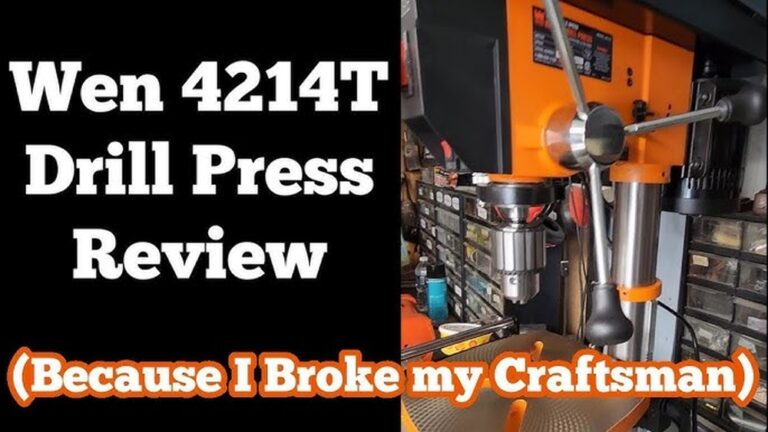
Keep the tap perpendicular to the hole. Use a tap guide or drill press where possible for best results.
Tool Maintenance
Inspect drill bits and taps before use. Replace any that are dull, chipped, or bent to ensure clean holes and precise threads.
Sourcing The Right Tools And Materials
Drill Bit Selection
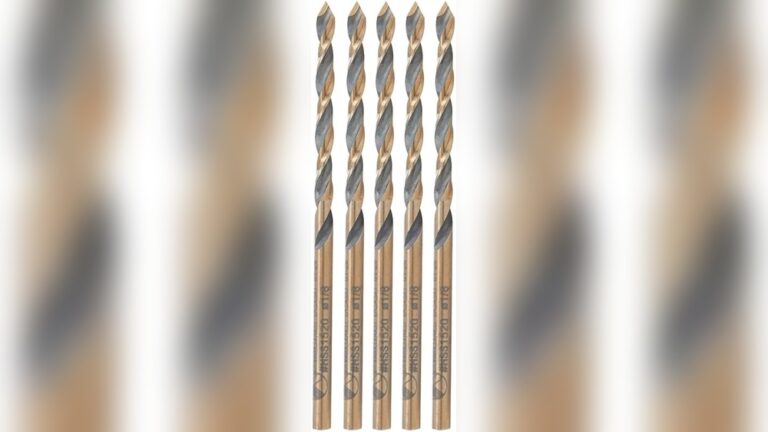
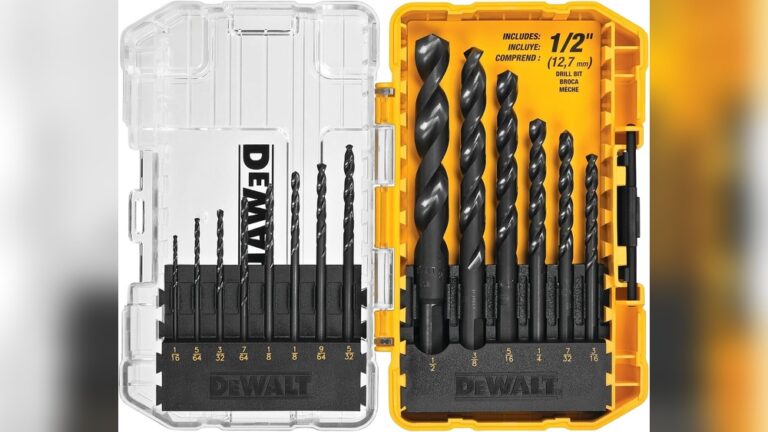
Choose high-speed steel (HSS) or cobalt drill bits for most metals. For plastics, use bits with a steeper point angle to minimize cracking.
Tap Types
- Taper Tap: Starts the thread smoothly, good for through holes.
- Plug Tap: General-purpose, works for most tapping tasks.
- Bottoming Tap: Used for threading to the bottom of blind holes.
Where To Buy
Reputable hardware suppliers and industrial tool distributors offer precise, durable metric drill bits and taps. For standards and technical data, consult organizations like the International Organization for Standardization (ISO).
Frequently Asked Questions
What If I Don’t Have A 5.0 Mm Drill Bit?
If a 5.0 mm drill bit isn’t available, use a #8 (0.1990 inch) drill as the closest imperial alternative. For non-critical applications, this minor difference is usually acceptable, but for precise engineering work, always use the correct metric bit.
How Do I Know If My Tap Is Cutting Clean Threads?
Clean threads will appear uniform and free of burrs or chips. A properly tapped hole should allow an M6 screw to thread in smoothly by hand with light resistance. If the bolt binds or strips, check for debris, misalignment, or wrong drill size.
Can I Use A Power Drill For Tapping?
Tapping with a power drill is not recommended except with specialized tapping attachments or machines. Hand tapping gives better control and reduces the risk of breaking the tap, especially in hard metals or blind holes.
How Deep Should I Drill For An M6 X 1.0 Tap?
Drill the hole at least as deep as the length of the screw plus an extra 1, 2 mm to accommodate the tap tip and any chips. For blind holes, ensure the tap can cut full threads without bottoming out.
What Lubricant Should I Use For Tapping?
For most metals, a general-purpose cutting oil or tapping fluid works best. For aluminum, use a dedicated aluminum tapping fluid to prevent galling. For plastics, dry tapping or water as a lubricant may suffice, depending on the material.
Precision in drilling and tapping is the foundation of secure, long-lasting threaded assemblies. By following the guidelines and reference tables here, you’ll consistently produce strong threads for your M6 x 1.0 tap applications. Whether on the factory floor or in your home workshop, the right drill size, quality tools, and careful technique ensure every project is a success.