Self drilling screws have revolutionized the world of fasteners, streamlining construction, manufacturing, and DIY projects alike. Whether you’re a professional contractor or a weekend handyman, understanding how to use self drilling screws correctly can mean the difference between a secure, lasting assembly and a job riddled with headaches.
These ingenious fasteners allow users to combine drilling and fastening into a single, efficient step, eliminating the need for pre-drilling pilot holes in most materials.
However, the convenience of self drilling screws comes with its own set of best practices, technical nuances, and potential pitfalls. From choosing the right screw for your material to mastering installation technique, a thorough understanding is essential for optimal results.
This guide offers a deep dive into the world of self drilling screws, providing actionable advice, industry insights, and practical examples to ensure your next project is both efficient and durable.
Key Takeaways
- Self drilling screws combine drilling and fastening, simplifying installation and reducing project time.
- Selecting the correct screw type, size, and material is critical for performance and safety.
- Proper tools, torque settings, and installation techniques prevent common issues like stripping and snapping.
- Real-world examples highlight the versatility of self drilling screws across industries.
- Knowing the differences between self drilling and self tapping screws prevents costly mistakes.
- Maintenance, troubleshooting, and safety protocols maximize both longevity and effectiveness.
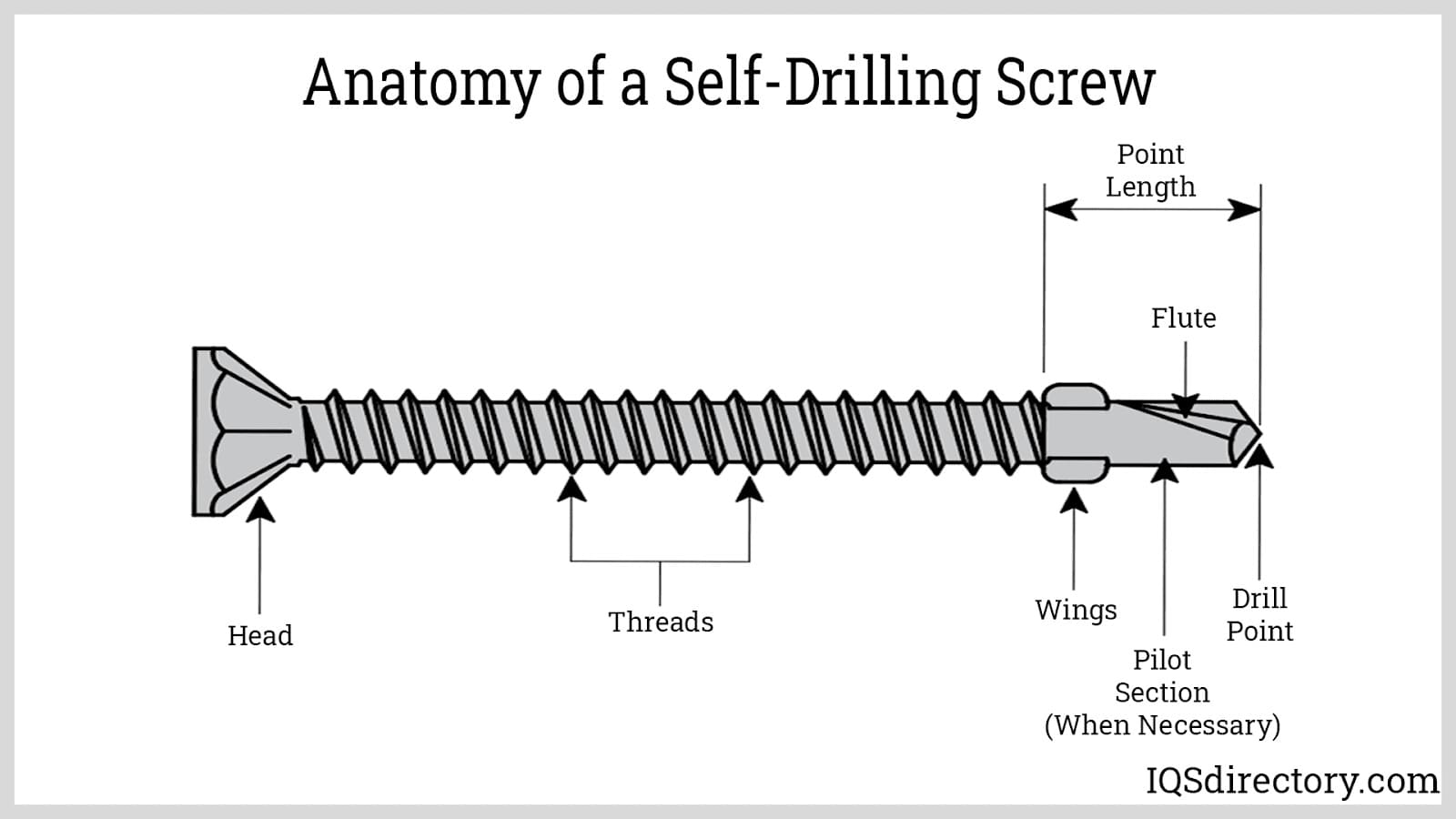
Credit: www.iqsdirectory.com
Understanding Self Drilling Screws
Self drilling screws, often referred to as Tek screws (after a popular brand), are a class of fasteners equipped with a drill-shaped point. This integrated tip allows the screw to cut through materials like metal, wood, and plastic without the need for a pilot hole, making them indispensable in both commercial and residential construction.
What Are Self Drilling Screws?
At their core, self drilling screws are designed to drill, tap, and fasten in a single operation. The unique geometry of their tip, often resembling a mini drill bit, enables the screw to bore through materials up to a specified thickness. Once the tip penetrates the material, the threaded shaft follows, securing components together tightly and efficiently.
Self Drilling Vs. Self Tapping Screws
A common misconception is that self drilling and self tapping screws are interchangeable. While both can create threads as they are driven, only self drilling screws have a drill bit point that eliminates the need for a pre-drilled hole. In contrast, self tapping screws require a starter hole, as their tip cannot cut through material on its own.
| Feature | Self Drilling Screw | Self Tapping Screw |
|---|---|---|
| Tip Design | Drill bit | Sharp/pointed or blunt |
| Requires Pilot Hole? | No | Yes |
| Common Materials | Metal, wood, plastic | Wood, thin metal, plastic |
| Typical Use | Metal framing, roofing, decking | Sheet metal, plastic assemblies |
Materials And Coatings
Self drilling screws are available in a range of materials and coatings tailored to specific applications:
- Carbon steel: Strong and economical; often used for general construction.
- Stainless steel: Offers superior corrosion resistance, ideal for outdoor or marine environments.
- Zinc-coated: Provides extra rust protection for outdoor or humid conditions.
- Ceramic-coated: Used where high chemical resistance is needed.
Selecting the correct material and coating ensures the screw’s longevity and prevents failures due to environmental factors.
Common Applications
Self drilling screws are versatile and widely used in:
- Metal roofing and siding installations
- Steel framing in commercial buildings
- HVAC ductwork assembly
- Electrical panel installations
- Wood-to-metal connections in decks and fences
Their ability to save time and reduce labor costs makes them the preferred choice in these scenarios.

Credit: www.huyett.com
Choosing The Right Self Drilling Screw
The effectiveness of self drilling screws hinges on making the right selection for your specific project. Factors like length, diameter, head style, and drill point number must all be considered for a secure, long-lasting connection.
Screw Length And Diameter
The length of a self drilling screw should be sufficient to penetrate all joined materials, with an additional margin to allow the threads to engage fully. Diameter is equally important; too thin, and the screw may shear under load; too thick, and it could split the substrate or strip out the hole.
Pro Tip: For metal-to-metal fastening, ensure the screw length extends at least 3-4 threads beyond the material thickness for maximum hold.
Head Styles
Self drilling screws come in various head styles to suit different tools and applications:
- Hex head: Common for roofing and metalwork; allows high torque.
- Pan head: Used where a low-profile finish is needed.
- Flat head: For countersunk installations in wood or drywall.
- Truss head: Offers a wide bearing surface for thin materials.
Choosing the correct head style ensures compatibility with your driver and desired finish.
Drill Point Numbers
Each self drilling screw is rated with a drill point number (usually 1 through 5), indicating the thickness of material it can penetrate. For example, a #1 point is for thin sheet metal (up to 0.060″), while a #5 can handle steel up to 0.5″ thick.
| Drill Point Number | Material Thickness Range | Typical Application |
|---|---|---|
| #1 | Up to 0.060″ | Light gauge sheet metal |
| #2 | Up to 0.100″ | Standard metal framing |
| #3 | Up to 0.210″ | Heavy-duty HVAC, decking |
| #4 | Up to 0.375″ | Structural steel |
| #5 | Up to 0.500″ | Industrial steel beams |
Corrosion Resistance And Environmental Factors
In my experience, projects exposed to moisture or chemicals demand special attention to corrosion resistance. Stainless steel screws are ideal for coastal or outdoor builds, while zinc or ceramic coatings provide added protection in less severe environments. Always match the screw’s resistance properties to the expected exposure conditions.
Manufacturer And Certification
For structural or code-regulated applications, choose screws from reputable manufacturers that meet relevant ASTM or ISO standards. Certified screws provide assurance of consistent quality, strength, and performance.
Tools And Preparation
Proper preparation is key to harnessing the full benefits of self drilling screws. Using the right tools, setting the correct torque, and preparing your materials ensure smooth installation and reliable results.
Essential Tools
To install self drilling screws effectively, you’ll need:
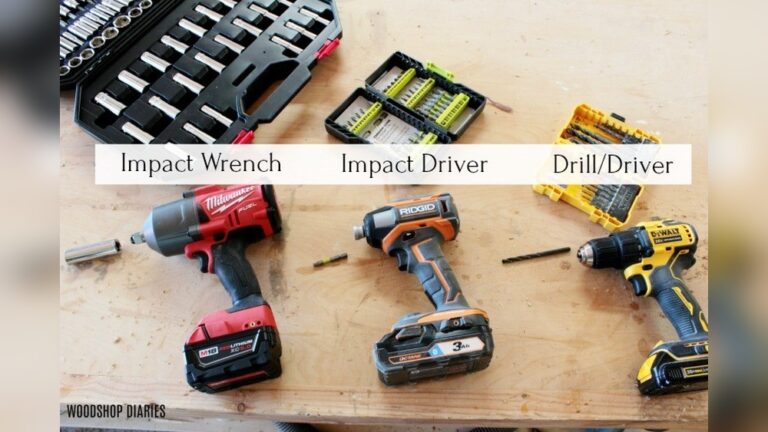
- Power drill or impact driver: Cordless models offer mobility; variable speed is ideal.
- Appropriate driver bit: Match the screw’s head style (hex, Phillips, Torx, etc. ).
- Protective gear: Safety glasses and gloves to guard against debris.
- Measuring tape and marking tools: For precise alignment and spacing.
Warning: Using an incorrect driver bit can damage the screw head or strip the fastener, compromising the connection.
Setting The Correct Torque
Over-tightening self drilling screws can strip threads or snap the fastener, while under-tightening risks a loose connection. Most manufacturers recommend driving screws until the head is flush with the surface and the connection feels secure, without excessive force.
Some drills offer adjustable clutch settings. Start on a lower setting and gradually increase until the screw seats properly.
Material Preparation
Although self drilling screws eliminate the need for pilot holes, proper preparation of the materials is still essential:
- Remove any surface debris, rust, or old fasteners.
- For metal, ensure the joining surfaces are tightly clamped to prevent shifting during installation.
- For wood, check for knots or defects near the screw locations that could compromise grip.
Layout And Spacing
Even with self drilling screws, thoughtful planning of screw layout and spacing prevents material warping or undue stress. As a general guideline:
- For metal-to-metal joints: Space screws 6, 8 inches apart along the seam.
- For wood: Maintain at least 1 inch from the edge to avoid splitting.
Refer to manufacturer recommendations or local building codes for specific requirements.

Credit: therivetcompany.co.uk
Step-by-step Installation Guide
Installing self drilling screws is straightforward, but attention to detail ensures optimal performance and appearance. The following process covers both basic and advanced tips for reliable fastening.
1. Select The Right Screw And Bit
Confirm that you’ve chosen the proper screw size, head style, and material for your application. Match the driver bit to the screw head to avoid stripping.
2. Mark And Align The Fastener Locations
Use a pencil or marker to indicate where each screw will be driven. For longer joints, snap a chalk line to ensure perfect alignment.
3. Clamp Or Secure The Materials
For metal or composite materials, use clamps to hold pieces tightly together. This prevents shifting and ensures the screw penetrates both layers cleanly.
4. Set Drill Speed And Torque
Set your drill to medium speed and a moderate torque setting. High speeds can overheat the screw tip, especially in thick metal, while low speeds may stall the drill.
5. Drive The Screw
Hold the drill perpendicular to the work surface. Apply steady pressure and begin driving the screw. The drill point will cut through the material, followed by the threads engaging and securing the connection.
Pro Tip: For thicker materials, pause briefly after the tip breaks through to allow the threads to engage fully before applying final torque.
6. Seat The Screw Head
Continue driving until the head is flush with the surface. Avoid over-driving, as this can strip the hole or deform the material.
7. Inspect The Connection
Check that the screw is seated properly and the materials are tightly joined. If the screw spins without tightening, it may have stripped out; replace it with a slightly larger diameter screw if necessary.
8. Clean Up And Finish
Remove any metal shavings or debris, especially in electrical or HVAC installations where loose fragments can cause issues.
Real-world Examples And Case Studies
To illustrate the versatility and effectiveness of self drilling screws, let’s look at a few real-world applications across different industries.
Metal Roofing Installation
In a commercial roofing project, contractors often use hex head self drilling screws to attach metal panels to steel framing. The drill point enables rapid installation, with workers able to fasten hundreds of screws per hour. The screws’ weather-resistant coatings prevent rust, ensuring the roof’s integrity over decades.
Hvac Ductwork Assembly
HVAC technicians rely on pan head self drilling screws to assemble sheet metal ducts. Because these screws don’t require pilot holes, technicians can build duct runs quickly, reducing labor costs and minimizing air leaks at joints.
Decking And Fencing
When building a wood deck with metal joists, self drilling screws make it possible to attach wood boards directly to steel supports. In my experience, this saves significant time compared to pre-drilling each hole, and stainless steel screws offer the durability needed for outdoor environments.
Manufacturing And Industrial Automation
In industrial automation, self drilling screws are used to assemble steel enclosures for control panels. The ability to securely fasten components without changing tools or bits speeds up production lines and ensures consistent quality.
Troubleshooting And Best Practices
Even with the best planning and technique, issues can arise during installation. Being prepared to troubleshoot and apply best practices ensures your self drilling screw connections are reliable and professional.
Common Problems And Solutions
- Stripped screw heads: Use the correct driver bit and maintain firm pressure. If stripping occurs, remove the screw with pliers and replace it.
- Screw snapping: Often caused by over-tightening or using a screw that’s too small for the load. Use the right size and adjust torque settings.
- Screws not penetrating material: Check that the drill point number matches the material thickness. For very hard metals, consider a higher-rated drill point or pre-drilling a starter hole.
- Loose connections: Ensure the screw is fully seated and not spinning freely. If the hole is stripped, upgrade to a larger diameter screw.
Maintenance Tips
For outdoor or exposed installations, periodic inspection is essential. Look for signs of rust, corrosion, or loosening, and replace any compromised screws immediately. For critical structures, schedule annual checks to maintain structural integrity.
Safety Guidelines
- Always wear safety glasses to protect against flying metal shavings.
- Use gloves to prevent cuts from sharp screw points or edges.
- Secure loose clothing and tie back long hair to avoid entanglement with power tools.
- Work in well-lit areas to reduce the risk of misalignment or incorrect installation.
Professional Standards And Compliance
For projects governed by building codes or industry standards, verify that your screws and installation methods meet all applicable requirements. Refer to authoritative sources such as the ASTM International for specific guidance.
Advanced Techniques And Optimization
Beyond basic installation, advanced users can optimize their use of self drilling screws for even greater efficiency and performance.
Automated Screw Driving Systems
In high-volume manufacturing, automated screw driving systems can install self drilling screws at speeds up to 60 screws per minute. These systems ensure consistent torque and depth, reducing errors and fatigue.
Combining With Adhesives
For ultra-strong or vibration-prone assemblies, combining self drilling screws with construction adhesives can enhance both strength and longevity. Apply a thin bead of adhesive between materials before fastening.
Temperature And Environmental Considerations
Extreme temperatures can affect screw performance, particularly in outdoor applications. In cold climates, select screws with flexible coatings to prevent brittleness; in hot environments, opt for UV-resistant finishes.
Specialty Applications
Some self drilling screws are designed for use in composite panels, insulated metal panels, or high-pressure laminates. These may feature unique thread profiles or sealing washers to maintain integrity in demanding situations.
Data-driven Performance Comparison
For those selecting screws for critical applications, consider the following comparison of common self drilling screw materials:
| Material | Tensile Strength (ksi) | Corrosion Resistance | Best Use Case |
|---|---|---|---|
| Carbon Steel | 60, 80 | Low to moderate | General construction |
| Stainless Steel | 70, 95 | High | Marine/outdoor |
| Zinc Coated Steel | 60, 80 | Moderate | Outdoor, humid environments |
| Ceramic Coated | 70, 90 | Very high | Chemical/industrial |
Frequently Asked Questions
What Is The Maximum Thickness Self Drilling Screws Can Penetrate?
Self drilling screws are available with different drill point numbers, each rated for a specific maximum material thickness. For example, a #5 drill point can penetrate steel up to 0. 5 inches thick. Always refer to manufacturer specifications to ensure the screw can handle your application’s requirements.
Can Self Drilling Screws Be Used In Concrete Or Masonry?
Standard self drilling screws are designed for metals, wood, and some plastics, not for concrete or masonry. For these materials, specialized fasteners such as concrete screws or masonry anchors are required. Attempting to use self drilling screws in masonry can result in poor holding power or screw breakage.
How Do I Prevent Rust And Corrosion In Outdoor Applications?
For outdoor or high-humidity projects, choose self drilling screws made from stainless steel or coated with zinc or ceramic. Regular inspection and maintenance, such as tightening loose screws and replacing rusted ones, further extend the lifespan of your installation. Refer to industry guidelines, such as those from the International Organization for Standardization (ISO), for best practices on corrosion protection.
Are Self Drilling Screws Reusable?
While self drilling screws can sometimes be removed and reused, their threads may become damaged or worn after extraction, reducing holding power. For critical or load-bearing applications, always use new screws to ensure maximum strength and reliability.
Is It Necessary To Use Washers With Self Drilling Screws?
Washers can enhance the performance of self drilling screws by distributing load, preventing pull-through, and sealing against moisture. Use sealing washers in roofing or siding to improve weather resistance, or flat washers in applications where the material is soft or prone to deformation.
The right knowledge and preparation elevate any project using self drilling screws from a simple task to a reliable, professional result. By selecting the correct fastener, following best practices, and maintaining a focus on safety and quality, you ensure your assemblies stand the test of time.
Whether you’re tackling a large commercial build or a weekend DIY project, self drilling screws offer unmatched efficiency and versatility, empowering you to achieve superior results with every connection.