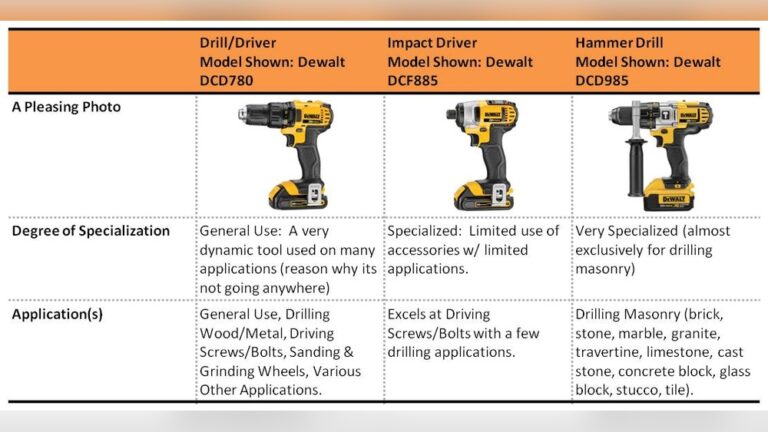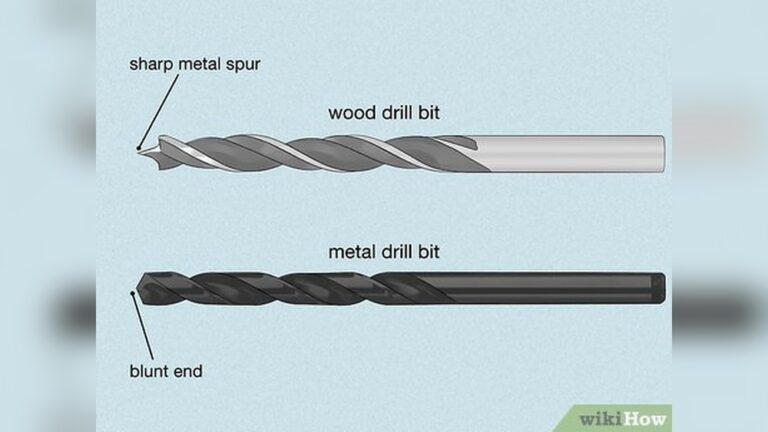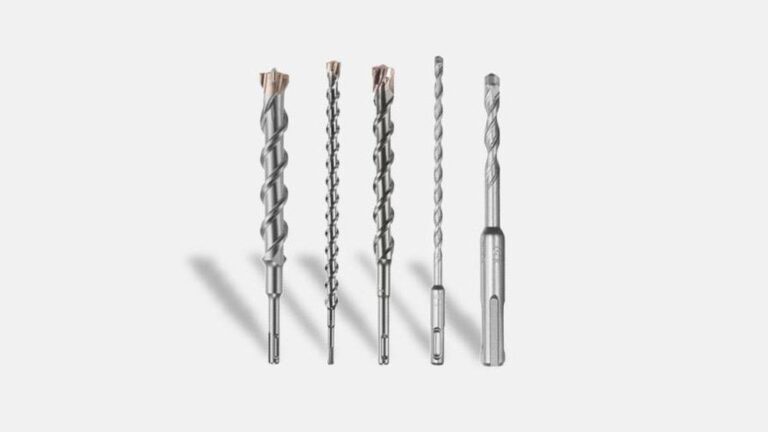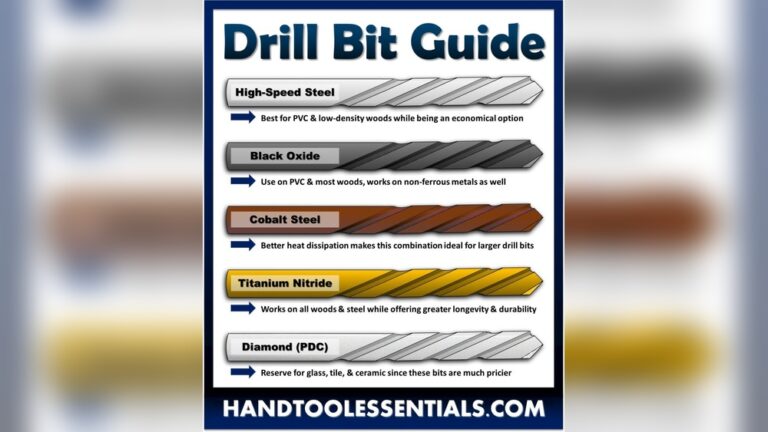
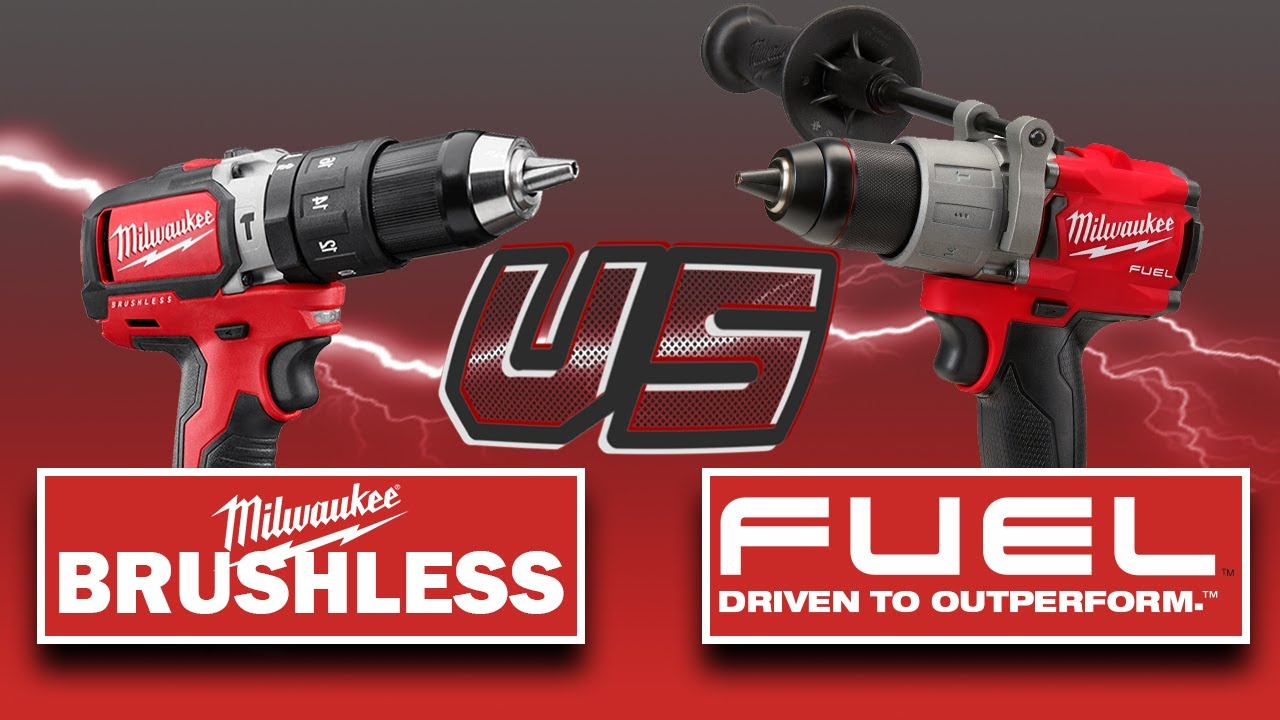
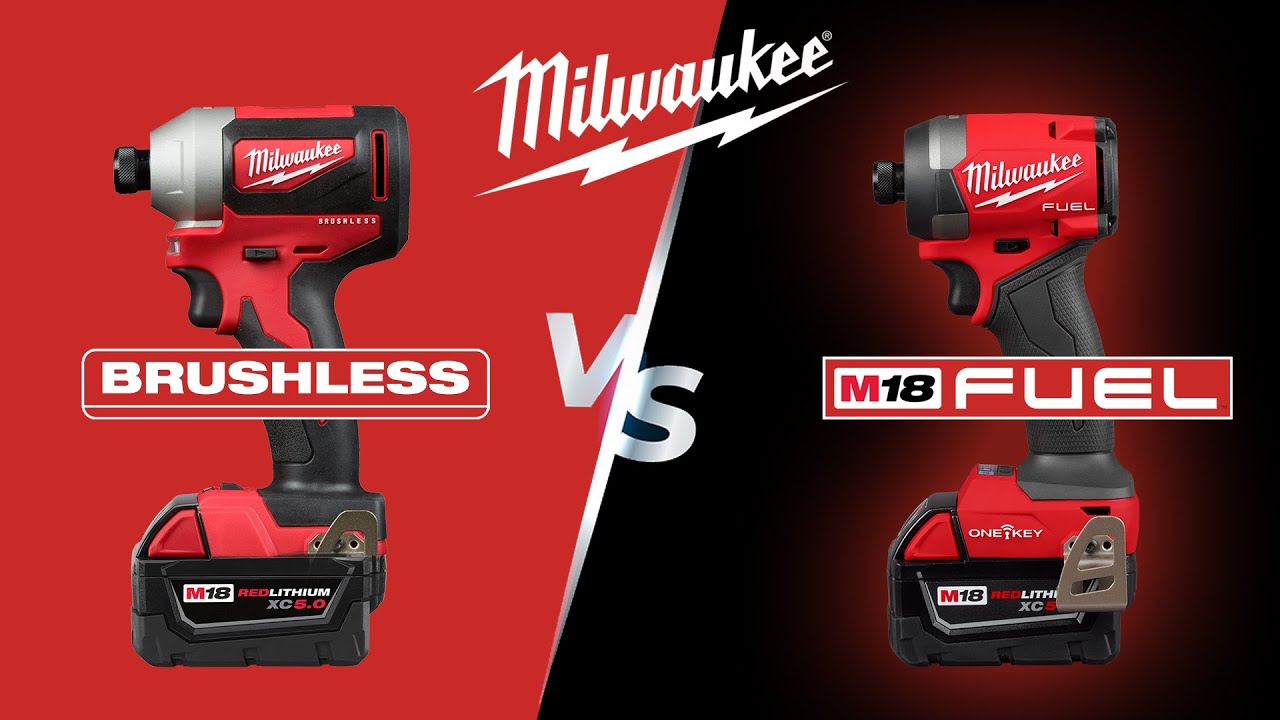
When you shop for a new cordless drill, you might notice two Milwaukee labels: M18 Brushless and M18 Fuel. At first, they seem similar—both use Milwaukee’s 18-volt battery platform and promise power and durability. But when you look closer, differences become clear. Homeowners, pros, and DIYers often wonder: Which one is right for me? Is the extra cost of “Fuel” worth it, or will a brushless model do the job? This guide will help you understand every major difference—across 18 key points—so you can make a confident choice.
Let’s explore what sets these two Milwaukee lines apart, how they perform in real use, and which features matter most for your projects.
1. Motor Technology
Both Milwaukee M18 Brushless and Fuel drills use brushless motors, which are more efficient and durable than older brushed designs. But there’s a key difference: Fuel models use Milwaukee’s POWERSTATE brushless motor. This is an in-house, high-performance motor designed for maximum power and long life. The regular M18 Brushless models use a more basic brushless motor, often sourced from suppliers.
In practice, the POWERSTATE motor delivers higher torque, faster drilling, and better heat management. If you use your drill often or for heavy work, you’ll feel the difference. For lighter jobs, the regular brushless motor is still a big upgrade over brushed drills.
2. Electronic Controls
A big advantage of Fuel drills is REDLINK PLUS Intelligence. This is Milwaukee’s advanced electronics system that manages power delivery, protects the battery and tool from overload, and monitors temperature. REDLINK PLUS ensures the drill only draws the power it needs and prevents damage from tough jobs.
Regular M18 Brushless drills also have electronic controls, but they’re simpler. They offer basic overload protection but not the smart features found in Fuel. If you want the safest, most efficient operation, the Fuel line is a step ahead.
3. Battery Compatibility
Both lines use the M18 battery platform, so batteries are interchangeable. Milwaukee’s system is famous for its range—over 200 tools use the same batteries.
However, Fuel models are optimized for Milwaukee’s higher-capacity batteries, like the M18 REDLITHIUM XC and HIGH OUTPUT packs. These batteries deliver more runtime and handle higher current, which Fuel tools can take advantage of. Regular brushless drills work with all M18 batteries but don’t benefit as much from the premium packs.
4. Power Output
When you compare specs, Fuel drills nearly always have higher torque and faster speeds. For example, a standard M18 Brushless drill might deliver 500 in-lbs of torque, while a similar Fuel model can hit 1,200 in-lbs or more.
This matters if you drill into tough material, use large bits, or drive big screws. For simple tasks like hanging pictures or assembling furniture, the extra power isn’t always needed. But for pros or serious DIYers, Fuel’s extra muscle pays off.
5. Build Quality
Fuel drills use more robust materials and construction. They often have reinforced gearboxes, metal chucks, and improved seals against dust and moisture. The regular M18 Brushless models are still tough, but Fuel is built for jobsite abuse.
For example, the Fuel drill’s all-metal chuck holds bits more securely and lasts longer under heavy use. This is a detail you may not notice until you’ve had a drill fail on a big project.
6. Size And Weight
Here’s an area where brushless drills sometimes win. Regular M18 Brushless drills are often lighter and a bit more compact. Fuel drills, with their bigger motors and stronger parts, can be heavier and larger.
If you work overhead or in tight spaces, the lighter brushless models can be more comfortable. If you want maximum power, Fuel’s extra weight may be worth it.
7. Price
Fuel drills cost more—sometimes much more. The advanced motor, electronics, and build quality come at a premium. For example, a regular M18 Brushless drill may cost $120 for a bare tool, while a similar Fuel model could be $180 or more.
If you use your drill occasionally for light work, the regular brushless model saves money. If you rely on your drill daily, Fuel’s cost is easier to justify.
8. Speed Settings And Control
Both lines offer variable speed triggers and multiple speed settings (usually two). But Fuel drills often have finer control and smoother switches. This makes it easier to start screws or drill precisely.
Some Fuel models also include advanced features like automatic clutch settings, which stop the drill when a set depth is reached. This is rare on regular brushless drills.
9. Chuck Quality
The chuck is what holds your drill bit. Fuel models typically have all-metal chucks with tighter tolerances. These hold bits more securely and last longer, especially under stress.
Brushless non-Fuel drills may use plastic or part-metal chucks, which can loosen or wear out sooner if you work the tool hard.
10. Durability And Longevity
All Milwaukee drills are known for durability, but Fuel models are designed for the toughest jobs. They include better dust sealing, thermal protection, and reinforced parts.
If you use your drill on construction sites, or in dusty/dirty places, the Fuel’s extra protection keeps it running longer. Regular brushless drills are fine for home use, but may wear out faster under heavy loads.
11. Features And Extras
Fuel drills often come with advanced features not found on regular brushless models. Some examples include:
- LED work lights with adjustable brightness
- Belt clips and bit holders
- Customizable settings via the ONE-KEY system (on select models)
- Hammer drill mode for concrete or masonry (on some Fuel drills)
Regular brushless drills focus on core performance with fewer extras. If you like gadgets or specialized options, Fuel gives you more to choose from.
12. Warranty And Service
Both lines carry Milwaukee’s 5-year limited warranty, which is one of the best in the industry. However, Fuel models may get priority in some service situations due to their “premium” status.
Milwaukee’s warranty covers defects in materials and workmanship, but not normal wear or abuse. Keep your receipt and register your tool for faster service.
13. User Experience
In real-world use, Fuel drills feel smoother and more powerful. The trigger response is more precise, and they handle tough materials without bogging down. You’ll also notice less vibration, which means less fatigue over a long day.
Regular M18 Brushless drills are still pleasant to use, especially compared to cheaper brands. But if you switch between the two, the Fuel’s edge is clear—especially for demanding jobs.
14. Application Range
Fuel drills are overkill for basic tasks like hanging curtains or assembling furniture. They shine when drilling concrete, driving lag bolts, or working on big decks. If your work is mostly around the house, a regular brushless drill is often enough.
If you want one tool for every job, Fuel’s extra power and features cover more ground. But you’ll pay for that versatility.
15. Battery Life And Runtime
Because they’re more efficient, Fuel drills get more done per charge—especially with high-capacity batteries. Their smarter electronics also prevent power loss under load.
Regular brushless drills still enjoy better runtime than brushed models, but Fuel’s edge is visible in longer or tougher jobs. If you hate swapping batteries, Fuel lets you work longer between charges.
16. Heat Management
One detail beginners often miss: Heat is the enemy of power tools. Overheating shortens tool and battery life, and can cause failures.
Fuel drills handle heat better. Their motors, electronics, and even the tool body are designed to shed heat quickly. This means you can push them harder without fear. Regular brushless drills can get hot faster, especially if you drill large holes or drive many screws in a row.
Credit: news.ohiopowertool.com
17. Upgradability And Future-proofing
Milwaukee puts new features and improvements into the Fuel line first. If you want access to future tech—like app-based controls or new battery types—Fuel is the safer bet.
Regular brushless drills get some updates, but not as quickly. If you plan to expand your tool collection, Fuel is more “future-proof. ”
18. Brand Perception And Resale Value
A final point: Fuel drills are seen as Milwaukee’s flagship. If you ever sell or trade your tools, Fuel models hold value better. They’re more likely to attract buyers and fetch higher prices.
For professionals, showing up with Fuel tools can signal you take your work seriously. Regular brushless drills are still respected, but Fuel has a premium image.
Milwaukee M18 Brushless Vs Fuel: Feature Comparison
To help you see the differences side by side, here’s a quick comparison of key specs:
| Feature | M18 Brushless | M18 Fuel |
|---|---|---|
| Motor Type | Standard Brushless | POWERSTATE Brushless |
| Electronics | Basic Protection | REDLINK PLUS Intelligence |
| Max Torque | ~500 in-lbs | Up to 1,200+ in-lbs |
| Chuck | Plastic/Metal Hybrid | All-Metal |
| Weight | Lighter | Heavier |
| Price | Lower | Higher |
| Warranty | 5 Years | 5 Years |
| Advanced Features | Few | Many (e.g. ONE-KEY, Hammer) |
When To Choose M18 Brushless
- You do mostly light to medium-duty jobs (wood, drywall, furniture)
- You need a lighter tool for overhead or tight work
- Budget is important
- You don’t need advanced features or maximum power
When To Choose M18 Fuel
- You work with tough materials (metal, masonry, thick lumber)
- You use your drill every day
- You want the latest tech and features
- Resale value and professional image matter
Real-world Example: Deck Building
Imagine you’re building a backyard deck. You’ll need to drill pilot holes in treated lumber and drive long screws. A regular M18 Brushless drill can handle this, but you may notice it bogs down on the thickest wood or gets hot after a while.
With an M18 Fuel drill, you get more torque and can keep going without pausing for cool-downs. The all-metal chuck holds big bits firmly, and the REDLINK PLUS system prevents overload. While both can finish the job, Fuel makes the experience faster and less stressful.
Credit: www.youtube.com
Common Buyer Mistakes
Many buyers overpay for power they don’t use. If you’re not drilling concrete or lagging big bolts, the regular brushless drill is often enough. On the other hand, some buy the cheaper model and regret it when it struggles on big projects.
Another mistake: ignoring battery quality. Even the best Fuel drill won’t perform well with a small, old battery. Invest in high-quality batteries for best results.
Finally, some buyers believe all “brushless” tools are equal. Milwaukee’s Fuel line proves that advanced motors and electronics really do make a difference—especially for demanding work.
Practical Tips For Choosing
- Test in person if you can. Feel the weight, balance, and trigger.
- Read torque and RPM specs—not just marketing labels.
- Think about your most demanding task. Buy for that, not just for everyday jobs.
- Don’t forget battery compatibility if you already own other M18 tools.
- If you’re a pro, choose Fuel. If you’re a homeowner, regular brushless is often enough.

Credit: www.youtube.com
In-depth Feature Table: Top Fuel Vs. Brushless Models
Here’s a look at two popular drills in each line:
| Model | Type | Max Torque | RPM Range | Weight (w/ battery) | Special Features |
|---|---|---|---|---|---|
| 2801-20 | M18 Brushless | 500 in-lbs | 0-500 / 0-1,800 | 3.7 lbs | Basic LED, Compact |
| 2902-20 | M18 Brushless | 725 in-lbs | 0-550 / 0-1,800 | 4.0 lbs | Hammer Mode |
| 2803-20 | M18 Fuel | 1,200 in-lbs | 0-550 / 0-2,000 | 3.5 lbs | All-Metal Chuck, REDLINK PLUS |
| 2804-20 | M18 Fuel | 1,200 in-lbs | 0-550 / 0-2,000 | 3.5 lbs | Hammer Mode, ONE-KEY |
What Most Beginners Miss
- Not all brushless motors are equal. Milwaukee’s POWERSTATE (Fuel) motors are in a different league than their basic brushless models.
- Electronics play a huge role. It’s not just the motor—smart controls make the tool safer, more reliable, and easier to use under tough conditions.
Milwaukee’s Place In The Market
Milwaukee’s M18 line is known for professional-grade cordless tools. They compete with brands like DeWalt and Makita. The Fuel line is their “top shelf”—often the choice for contractors and tradespeople who need the best. The regular brushless line offers good performance for less money, making it a favorite for serious DIYers.
For more details on brushless technology and tool comparisons, you can check Wikipedia’s brushless motor article.
Frequently Asked Questions
What Does “fuel” Mean On Milwaukee Tools?
Fuel is Milwaukee’s name for their top-tier tools. These models use the POWERSTATE brushless motor, REDLINK PLUS electronics, and better materials. They’re built for professionals who need maximum power and durability.
Is An M18 Brushless Drill Powerful Enough For Home Projects?
Yes, for most home and DIY tasks, a regular M18 Brushless drill is more than strong enough. It handles wood, drywall, and light metal with ease. Only choose Fuel if you tackle very tough jobs often.
Are M18 Brushless And Fuel Batteries Interchangeable?
Yes, both use the M18 battery platform. You can swap batteries between any M18 tool. For best results, use higher-capacity batteries with Fuel models.
Why Is The Fuel Drill More Expensive?
Fuel drills use better motors, electronics, and materials. They’re designed for jobsite use and heavy-duty work, which costs more to produce. The extra features and power justify the higher price for professionals.
How Do I Know If I Own A Fuel Or Regular Brushless Drill?
Look for the “Fuel” logo on the tool’s side. Fuel models also list features like REDLINK PLUS and POWERSTATE motors in the manual or on the box. Regular brushless models just say “Brushless” or “M18 Brushless.”
—
Choosing between Milwaukee M18 Brushless and Fuel drills comes down to how much power, durability, and advanced features you need. For most homeowners and casual users, the regular brushless line offers strong performance at a good price. If your work is demanding, or you want the best Milwaukee offers, Fuel is the clear winner.
With this guide, you’re ready to pick the right tool for your needs—confidently and without regrets.