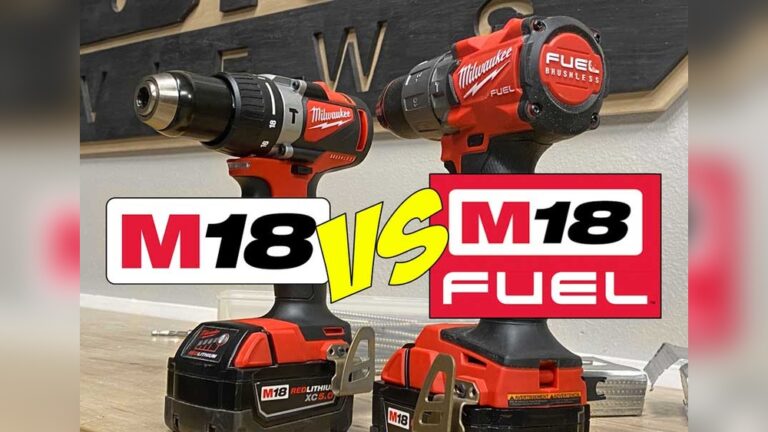
Milwaukee Hammer Drill Vs Impact Driver: Which Tool Should You Choose?
Power tools make tough jobs easier. But picking the right tool can be confusing, especially when the names sound similar. If you’ve ever stood in a hardware store, comparing a Milwaukee hammer drill and an impact driver, you’re not alone. Both look powerful and use the same batteries, but they’re built for different jobs. Choosing the right tool means faster work, better results, and less stress on your hands.
This guide will give you a clear, side-by-side look at the Milwaukee hammer drill and the impact driver. You’ll learn how each tool works, what they do best, and how to avoid common mistakes. You’ll also find real examples, expert tips, and a few things that even experienced DIYers sometimes miss.
By the end, you’ll know exactly which tool is right for your workbench, and you’ll feel confident whenever you reach for your Milwaukee.
What Is A Milwaukee Hammer Drill?
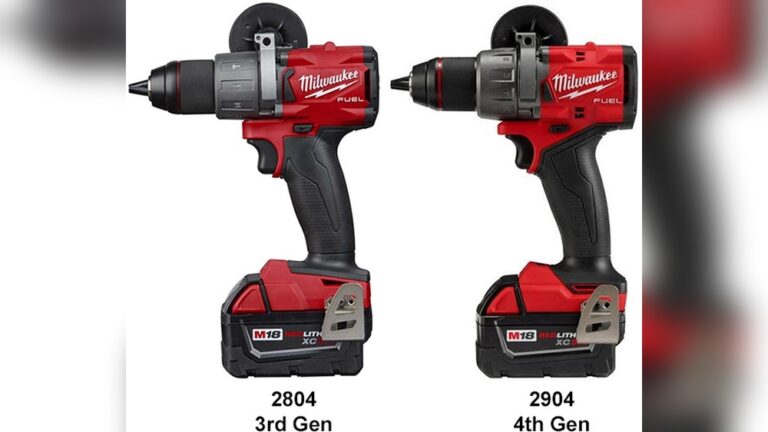
A hammer drill is a powerful tool made for drilling holes, especially into hard materials like concrete, brick, or stone. The Milwaukee hammer drill is known for its durability, smart features, and compatibility with the company’s M18 battery platform.
How It Works
A hammer drill moves the drill bit forward and backward very quickly while spinning it. This “hammering” action helps the bit break through tough material. Think of it like a regular drill, but with a built-in jackhammer.
You can usually switch the hammer feature on or off. For wood or metal, you use the regular drilling mode. For concrete or masonry, you turn the hammer function on.
Key Features
- High torque for heavy-duty drilling
- Adjustable clutch to control depth and force
- Variable speed for different materials
- Hammer mode switch to turn the hammer action on/off
- Side handle for better grip and control
Most Milwaukee hammer drills are cordless, using the same batteries as other Milwaukee tools. This makes them flexible for job sites and home use.
What It’s Best For
- Drilling holes in concrete, brick, and stone
- Installing anchors for shelves, TVs, and cabinets
- Making large holes in wood or metal with special bits
- Jobs where you need both speed and power
Not-so-obvious Insight
Many beginners forget that using the hammer action on wood or metal can damage your drill bit and the material. Use the hammer mode only for hard, brittle surfaces.
What Is A Milwaukee Impact Driver?
An impact driver is a compact power tool designed to drive screws, bolts, and other fasteners. The Milwaukee impact driver is famous for its speed, compact size, and ability to tackle stubborn screws that a regular drill can’t handle.
How It Works
Inside an impact driver, a spring-loaded hammer and anvil mechanism build up energy. When the tool senses resistance, it releases this energy in quick, twisting bursts. This gives the tool high rotational force (torque), making it easier to drive screws into tough materials.
Impact drivers don’t have a hammer-and-forward action like hammer drills. Instead, they “impact” in a twisting motion, not up and down.
Key Features
- High torque in a compact body
- Quick-change hex chuck for fast bit swaps
- Variable speed trigger for control
- Brushless motor (in premium models) for efficiency
- LED work light for dark spaces
Most Milwaukee impact drivers use the company’s M18 or M12 battery systems, matching your other Milwaukee tools.
What It’s Best For
- Driving long screws into wood, metal, or plastic
- Removing rusted or over-tightened screws and bolts
- Quick assembly of furniture, decks, and fences
- Working in tight or awkward spaces
Not-so-obvious Insight
Many people use impact drivers with regular drill bits, but this can damage the bit and the tool. Only use impact-rated bits, which are stronger and built for the high force.
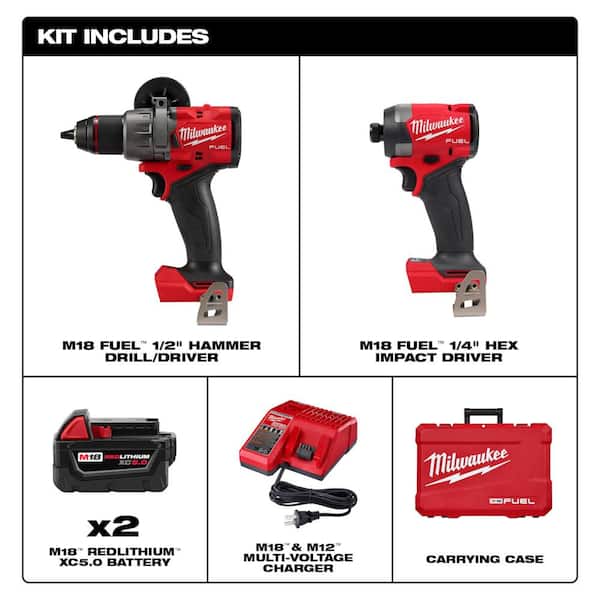
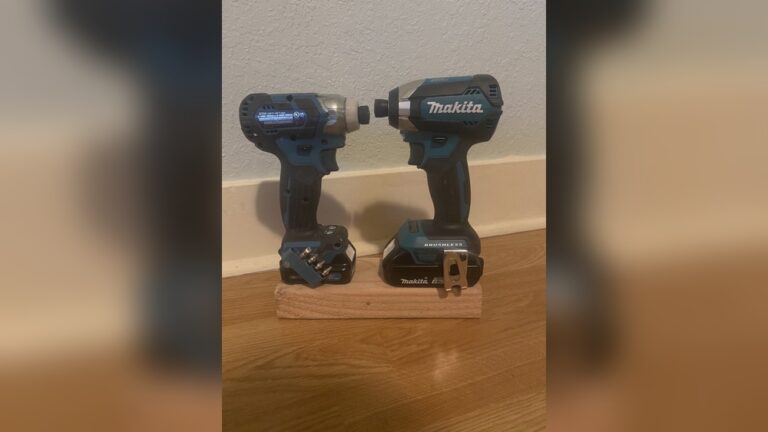
Credit: www.homedepot.com
Core Differences: Hammer Drill Vs Impact Driver
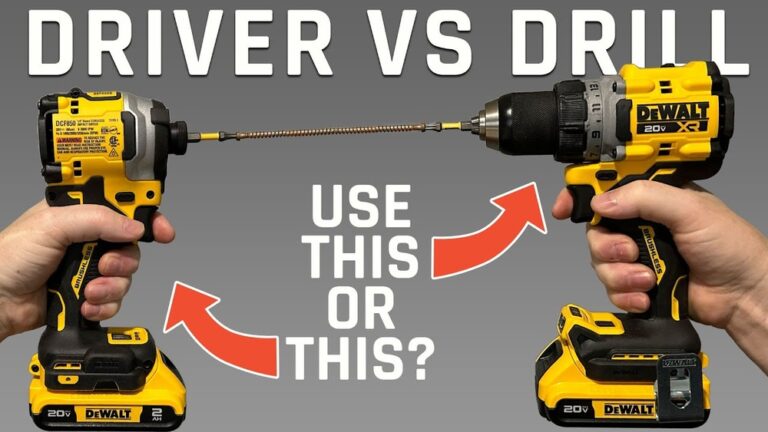
Both tools are strong, but they solve different problems. Here’s a head-to-head look at what sets them apart:
| Feature | Milwaukee Hammer Drill | Milwaukee Impact Driver |
|---|---|---|
| Primary Function | Drilling holes (especially masonry) | Driving screws/fasteners |
| Hammer Action | Forward/backward motion | Rotational (side-to-side) impact |
| Chuck Type | Keyless, fits round and hex bits | 1/4″ hex quick-change |
| Size/Weight | Larger, heavier | More compact, lighter |
| Best For | Concrete, brick, stone, large holes | Wood screws, lag bolts, deck screws |
| Speed | Slower with tough materials | Very fast for driving screws |
Example: Hanging A Tv On A Brick Wall
- With a hammer drill, you make clean holes for wall anchors in the brick.
- With an impact driver, you drive lag screws into wood or metal brackets easily.
Trying to swap their roles leads to frustration: the impact driver won’t make a neat hole in brick, and the hammer drill will struggle with long deck screws.
When To Use A Hammer Drill
A Milwaukee hammer drill is not just for professionals. If you ever need to make holes in hard surfaces, you’ll appreciate its power.
Ideal Jobs
- Installing shelves in concrete or brick – The hammer action helps you make anchor holes quickly.
- Mounting outdoor lights or cameras – Many outside walls are masonry.
- Renovating basements – Old homes often have brick or block walls.
- Drilling through thick wood – With the hammer off, it can handle large spade or hole saw bits.
Tips For Best Results
- Use the right bit: Masonry bits for concrete, wood bits for wood, metal bits for steel.
- Let the tool do the work: Don’t force it—steady pressure works best.
- Mark your spot: A pilot hole or punch helps prevent “walking.”
- Control the speed: Go slower when starting or working with tough material.
Common Mistakes
- Using the hammer mode on wood or metal (it’s only for masonry)
- Not wearing ear protection—hammer drills are loud
- Forgetting to check the battery before starting a big job
Non-obvious Insight
Milwaukee hammer drills often have a clutch setting. This feature protects your fasteners and material by stopping the drill when it reaches a set torque. Use it when you want control, not just raw power.
When To Use An Impact Driver
The Milwaukee impact driver is a favorite for anyone building, assembling, or remodeling. Its speed and torque make screwing easy and reduce wrist strain.
Ideal Jobs
- Building a deck – Fastens hundreds of screws quickly.
- Furniture assembly – Fits into tight corners, won’t strip screws as easily.
- Installing cabinets – Drives long screws without stalling.
- Automotive repairs – Removes rusted or stubborn bolts (with the right adapter).
Tips For Best Results
- Use impact-rated bits: These are stronger and last longer.
- Start slow: The variable speed trigger helps prevent cam-out (slipping off the screw).
- Hold the tool straight: This avoids damaging the screw head.
- Use the right setting: Higher-end Milwaukee drivers have multiple speed modes.
Common Mistakes
- Using non-impact bits (they break easily)
- Driving screws too deep (use a stop collar or practice control)
- Over-tightening small screws (can snap the head off)
Non-obvious Insight
Impact drivers create less reaction force on your wrist. This makes them safer and less tiring, especially for beginners or people with hand pain.
Milwaukee Hammer Drill: Strengths And Weaknesses
Milwaukee is famous for tough tools. Their hammer drills are built to last, but they aren’t perfect for every job.
What They Do Best
- Drilling into tough surfaces: No regular drill can match their masonry performance.
- Versatility: Switch from drilling to hammering with a button.
- Durability: With proper care, these tools last for years.
Where They Fall Short
- Size and weight: They’re heavier and bulkier, so not ideal for overhead or tight spots.
- Price: Milwaukee quality comes at a higher cost.
- Not for driving screws: They lack the control and speed for repetitive screw-driving.
Real-world Example
A contractor drilling anchor holes for a commercial sign in brick will finish in minutes with a Milwaukee hammer drill, while a regular drill could take much longer—or fail completely.

Credit: www.youtube.com
Milwaukee Impact Driver: Strengths And Weaknesses
Impact drivers are a workhorse for fasteners but have limits.
What They Do Best
- Driving large screws fast: Decks, fences, framing—this tool shines.
- Compact design: Fits where a hammer drill can’t.
- Lower risk of stripping: The impacting action keeps the bit in contact.
Where They Fall Short
- Drilling big holes in masonry: Not the right tool—no hammer action.
- Bit compatibility: Only takes hex-shank bits, not round ones.
- No clutch: You must control depth and torque with your finger.
Real-world Example
A homeowner assembling a kitchen cabinet set can finish the job in half the time with an impact driver, and their wrist won’t hurt afterward.
Can You Use Them Interchangeably?
Some people wonder if one tool can do everything. The answer is: sometimes, but not well.
- A hammer drill can drive screws, but it’s heavier, less precise, and can strip screw heads.
- An impact driver can drill small holes in wood or plastic (with hex-shank bits), but struggles with masonry or large holes.
Trying to use one tool for all tasks often leads to frustration, wasted time, and broken bits. If your budget allows, owning both is the smart choice.
Practical Comparison: Which Tool For Which Job?
To make the decision simple, here’s a quick reference chart for common DIY and professional tasks:
| Task | Hammer Drill | Impact Driver |
|---|---|---|
| Drilling into concrete/brick | Best choice | Not recommended |
| Driving deck screws | Can do, but not ideal | Best choice |
| Drilling large holes in wood | Good (with correct bit) | Poor (bit compatibility) |
| Assembly/furniture | Too bulky | Excellent |
| Anchoring heavy items | Excellent for masonry holes | Needs predrilled holes |
| Automotive bolts | Possible with adapter | Good with adapter |
Milwaukee Technology: What Sets Their Tools Apart?
Milwaukee tools are popular for many reasons, but what makes their hammer drills and impact drivers stand out?
Redlink Intelligence
Both tools use Milwaukee’s RedLink electronics, which protect the tool from overheating, overloading, and over-discharging. This means longer life and safer operation.
Battery System
Milwaukee’s M18 and M12 batteries work across dozens of tools. This saves money and storage space.
Brushless Motors
Many newer Milwaukee models have brushless motors. These last longer, run cooler, and need less maintenance.
Ergonomics
Milwaukee pays attention to grip comfort, trigger sensitivity, and weight balance. This reduces fatigue during long jobs.
Warranty
Milwaukee offers industry-leading warranties (often 5 years on tools). This reflects their confidence in durability.
Buyer’s Guide: Choosing The Right Tool
If you’re investing in a Milwaukee hammer drill or impact driver, here’s what to consider:
1. Nature Of Your Work
- Mostly drilling in concrete, brick, or stone? Choose the hammer drill.
- Mostly driving screws or bolts? Go with the impact driver.
2. Bit Compatibility
- Hammer drills take round and hex-shank bits.
- Impact drivers only use 1/4″ hex-shank bits.
3. Power Needs
- For heavy-duty, all-day jobs, consider high-torque models.
- For light assembly or household use, compact models save weight and money.
4. Features
- Brushless motor for efficiency
- Multiple speed settings for control
- LED work light for visibility
- Side handle (hammer drill only) for safety
5. Battery Platform
Stick with the Milwaukee battery line you already own (M18 or M12) to save money.
6. Budget
Milwaukee is a premium brand. If price is a concern, compare models and look for kits with batteries and chargers included.
7. Warranty And Support
Check for Milwaukee’s warranty and service network in your country. Good support means easier repairs if something goes wrong.
Common Buyer Mistakes
- Buying a hammer drill when only driving screws is needed (wasted money and weight)
- Choosing the wrong battery system (M18 vs M12)
- Ignoring tool weight and size (important for overhead work)
- Not checking if bits are included with the tool
Real User Experiences
Let’s look at some feedback from real Milwaukee owners.
Hammer Drill Users
- “I drilled 20 holes in my basement wall with one battery. The hammer mode never bogged down.”
- “A bit heavy for ceiling work, but unbeatable for anchor bolts.”
Impact Driver Users
- “Deck building went so much faster. No more stripped screws.”
- “I wish I’d bought impact bits sooner—regular bits kept breaking.”
What Surprised People Most
Many users didn’t realize how much faster and less tiring an impact driver is for repetitive screw jobs. Others were surprised how essential a hammer drill is for even simple wall anchor holes in brick homes.
Safety Tips For Both Tools
Power tools are safe if used correctly. Here’s how to stay protected:
- Wear safety glasses to guard against flying debris
- Wear hearing protection (especially with hammer drills)
- Keep hands clear of the bit at all times
- Check the bit is secure before starting
- Don’t force the tool—let it do the work
- Take breaks to avoid fatigue
Overlooked Safety Detail
With Milwaukee’s high torque, a stuck bit can jerk your wrist. Always use the side handle on a hammer drill for big jobs, and keep a firm grip on impact drivers.
Maintenance And Care
A well-maintained tool lasts for years. Here’s how to keep your Milwaukee running strong:
- Clean the tool after use—dust and debris shorten life
- Check bits for wear—dull bits make the tool work harder
- Store batteries correctly—cool, dry places are best
- Charge batteries fully before big jobs
- Use the right bits for each material
Special Tip
Don’t ignore flashing lights or error codes on Milwaukee tools. These often signal overheating or a battery issue—stop and check your manual.
The Bottom Line: Which Should You Buy?
Choosing between a Milwaukee hammer drill and an impact driver depends on your main tasks.
- If your work is mostly drilling holes in hard surfaces, the hammer drill is the clear winner.
- If you mostly drive screws, bolts, or fasteners, the impact driver is the best investment.
- If you tackle a variety of projects, owning both will save time and frustration—and protect your wrists.
For most homeowners, starting with an impact driver covers more everyday needs. But for masonry, tile, or renovation projects, the hammer drill is the only smart choice.
Both tools are designed to last and work with Milwaukee’s battery system, so you won’t outgrow them. Think about your most common jobs, and choose the tool that will save you the most effort.
If you want to dig even deeper into power tool technology and usage, check out the Wikipedia page on power tools for a wealth of technical information.
Frequently Asked Questions
What’s The Main Difference Between A Milwaukee Hammer Drill And An Impact Driver?
The hammer drill is made for drilling holes, especially in hard surfaces like concrete or brick, using a hammering motion. The impact driver is built to drive screws and fasteners quickly, using a twisting impact action.
Can I Use An Impact Driver As A Regular Drill?
You can use an impact driver to drill small holes in wood or plastic, but only with hex-shank drill bits. For masonry or large holes, a hammer drill is required.
Is A Milwaukee Hammer Drill Too Powerful For Home Use?
No, but it’s often more tool than you need for simple tasks like hanging pictures or assembling furniture. It’s best for jobs involving masonry, thick wood, or metal.
Can I Use The Same Bits In Both Tools?
Not always. Hammer drills accept both round-shank and hex-shank bits. Impact drivers only take 1/4″ hex-shank bits. Always use impact-rated bits in the impact driver for safety and durability.
Do I Need Both A Hammer Drill And An Impact Driver?
If your projects cover both drilling in masonry and lots of screw-driving, owning both saves time and effort. For most homeowners, starting with an impact driver covers more everyday needs, but a hammer drill is essential for hard-surface drilling.
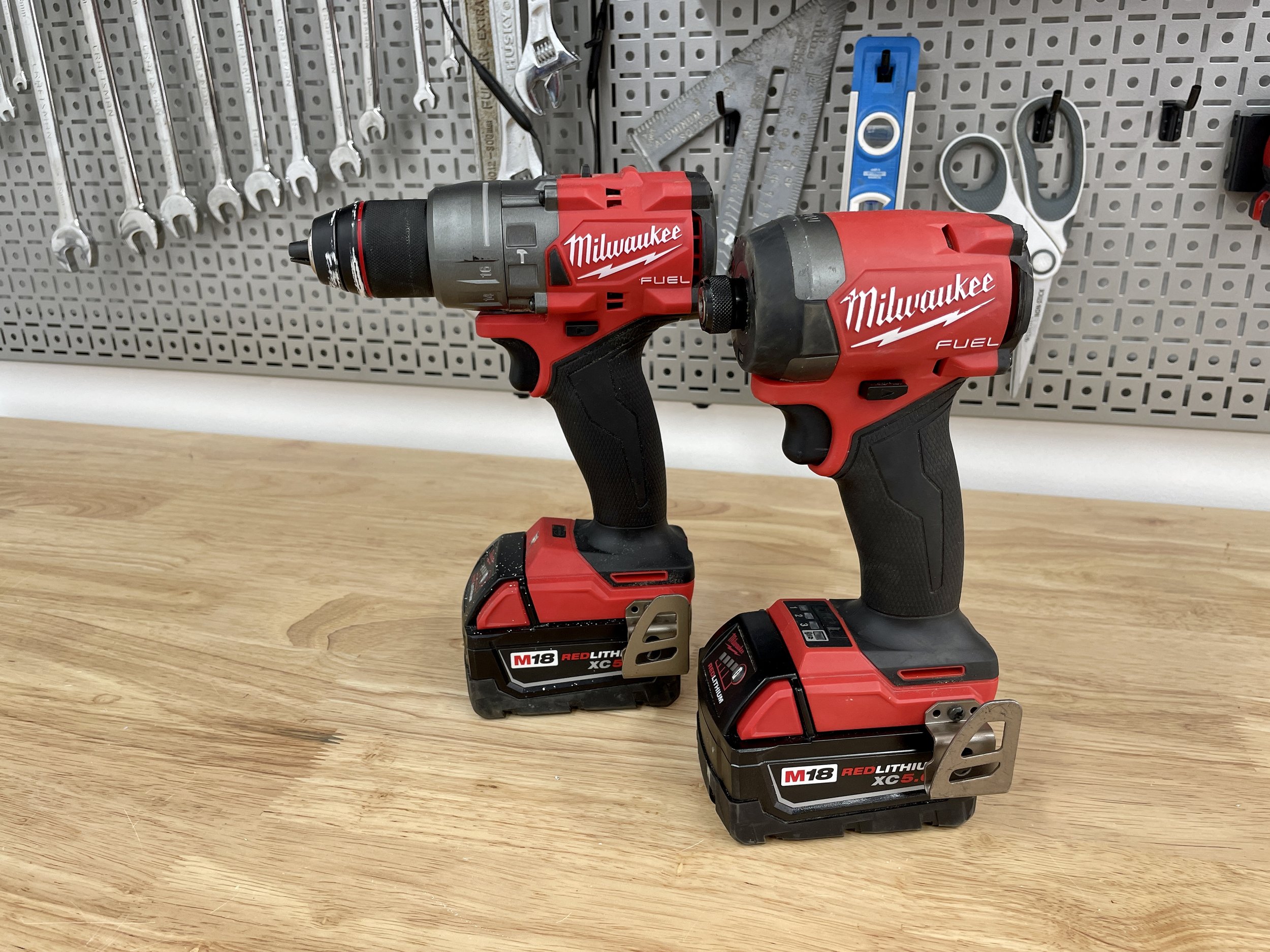
Credit: www.johnbuildsit.com