When you walk into a hardware store or browse online for a cordless drill, you’ll quickly notice three names everywhere: Makita, DeWalt, and Milwaukee. These brands are trusted by professionals, DIYers, and even people who only need a drill once a year. But which one is the best for you? The answer is not as simple as picking your favorite color. Each brand brings its own strengths, features, and small details that can make a big difference depending on how you work.
If you’ve ever felt confused by all the options, or wondered why one drill costs so much more than another, you’re not alone. Many buyers focus only on price or power, but miss out on important points like battery compatibility, ergonomics, or even warranty support.
In this guide, you’ll get a clear, honest look at Makita, DeWalt, and Milwaukee drills—how they compare, what makes each special, and which one might be right for your needs.
Let’s dig in and clear up the confusion, so you can make a smart, confident choice.
Brand Backgrounds: What Sets Each Apart
Before you compare drills, it helps to know what each brand stands for. Their history shapes what they build today.
Makita
Founded in Japan in 1915, Makita has a long tradition of innovation. The company was one of the first to develop cordless power tools. Today, Makita is known for making tools that are lightweight, reliable, and often favored by people who need to work all day with minimal fatigue. Their focus is on ergonomics and battery technology.
Dewalt
DeWalt started in the United States in 1924. The brand quickly became famous for tools that can take a beating and keep working. DeWalt’s bright yellow tools are everywhere on construction sites. They are known for durability, broad tool platforms, and being easy to find in stores around the world.
Milwaukee
Milwaukee was founded in Wisconsin, USA, in 1924—the same year as DeWalt. Over the years, Milwaukee built a reputation for tough, powerful tools, especially in the electrician and plumber trades. The brand is famous for pushing new technology, like brushless motors and smart batteries. Milwaukee is often seen as the “premium” choice.
Drill Types And Key Features
Each brand offers a wide range of drills, but they can be grouped into three main types:
- Drill Drivers: Basic drills for driving screws and drilling holes in wood or metal.
- Hammer Drills: Similar to drill drivers, but add a “hammering” action for drilling into concrete or masonry.
- Impact Drivers: Not exactly drills, but used for driving large screws and bolts with extra force.
Let’s look at how Makita, DeWalt, and Milwaukee compare in each type.
Drill Drivers
- Makita: Lightweight, smooth triggers, and comfortable grips. Known for quiet operation.
- DeWalt: Robust build, easy to control, slightly heavier but very stable.
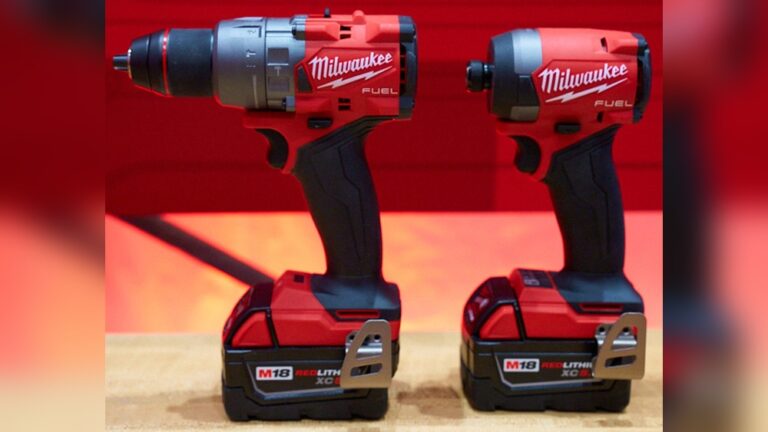
- Milwaukee: Excellent torque, advanced electronics to prevent overheating, and often the most powerful.
Hammer Drills
- Makita: Good for lighter masonry work, not always the best for heavy concrete.
- DeWalt: Strong, reliable hammer action, popular on job sites.
- Milwaukee: High impact energy, can tackle tough concrete, but often more expensive.
Impact Drivers
- Makita: Fast, precise, and great for delicate work.
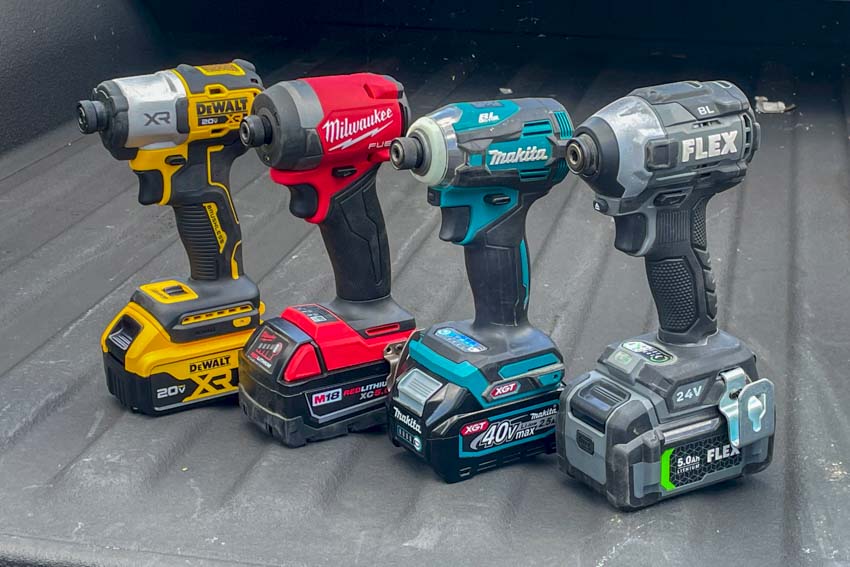
- DeWalt: Very versatile, lots of torque, easy bit changes.
- Milwaukee: Outstanding power, features like self-tapping screw modes for metal work.

Credit: toolguyd.com
Comparing Core Specifications
Drills look similar, but a few numbers make a big difference. Below is a comparison of flagship 18V/20V drill drivers from each brand.
| Brand | Model | Max Torque (in-lbs) | Speed (RPM) | Weight (w/battery) | Price Range (USD) |
|---|---|---|---|---|---|
| Makita | XFD14Z | 530 | 2,000 | 3.6 lbs | $120-$150 |
| DeWalt | DCD791 | 460 | 2,000 | 3.4 lbs | $130-$160 |
| Milwaukee | 2803-20 | 1,200 | 2,000 | 3.2 lbs | $140-$180 |
Notice the wide range in max torque. Milwaukee stands out for raw power, but Makita balances weight and strength well.
Battery Systems And Compatibility
One of the biggest mistakes buyers make is ignoring the battery platform. If you already own tools from one brand, sticking with that brand often saves money—batteries are expensive.
Voltage And Power
- Makita uses an 18V platform (called LXT) for most tools.
- DeWalt uses 20V MAX (actually 18V nominal, just marketed differently).
- Milwaukee uses M18 (18V).
The difference in voltage is mostly marketing. What matters more is battery capacity (measured in Ah, or amp-hours) and how many tools can share the same battery.
Cross-compatibility
- Makita LXT: 275+ tools use the same battery.
- DeWalt 20V MAX: 250+ tools, plus FlexVolt batteries that can work with both 20V and 60V tools.
- Milwaukee M18: 200+ tools, with “High Output” batteries for extra runtime.
Charging Speed
Makita is famous for fast chargers that cool the battery while charging—this matters if you use your drill all day. Milwaukee’s rapid chargers are also very quick, and DeWalt’s chargers are reliable but usually a bit slower.
Ergonomics And User Experience
A drill can be powerful, but if it feels bad in your hand or strains your wrist, you’ll regret it. Here’s how each brand approaches comfort.
Makita
Makita drills are light and balanced. The grip shape fits most hands, and the tool rarely feels front-heavy. The triggers are smooth, making it easy to drive screws gently.
Dewalt
DeWalt tools have a chunkier grip, which some users with larger hands prefer. The weight is balanced, but the tools can feel heavier after long use. Rubber over-molding helps with grip even when your hands are sweaty.
Milwaukee
Milwaukee drills often feel more compact, with narrow grips. The trigger response is excellent, and the LED work lights are bright and well-placed. Some users notice a slight vibration at max torque, but it’s not a deal-breaker.
Practical Insights
- If you have smaller hands, Makita or Milwaukee may be more comfortable.
- For long drilling sessions, Makita’s lighter weight can reduce fatigue.
- DeWalt’s robust feel builds confidence for heavy-duty tasks.
Durability And Build Quality
All three brands are known for durability, but there are some real differences.
- Makita: Uses high-quality plastics and tight tolerances. Tools survive drops, but the lightweight build can get scuffed.
- DeWalt: Often has metal chucks and gear cases. Tools are built to take abuse and keep working.
- Milwaukee: Uses premium materials and advanced electronics for tool protection. Often the most “solid” feeling.
Real-world Example
A contractor who works in wet, muddy conditions might notice DeWalt’s seals and strong casing last longer. But an electrician working inside all day might prefer Makita’s lighter weight.
Warranty And Customer Support
Warranties are often overlooked, but they matter when something breaks.
- Makita: 3-year limited warranty on tools and batteries. Fast repair turnaround.
- DeWalt: 3-year limited warranty, 1-year free service, 90-day money back.
- Milwaukee: 5-year limited warranty on most tools, 2-year on batteries.
Milwaukee stands out for its long tool warranty, showing confidence in their build quality.
Price And Value
Prices change often, but here’s a snapshot of what you can expect for a typical brushless drill/driver kit (drill, 2 batteries, charger, bag):
| Brand | Entry Kit | Average Price (USD) |
|---|---|---|
| Makita | XFD13R 18V Kit | $180-$220 |
| DeWalt | DCD791D2 Kit | $190-$230 |
| Milwaukee | 2801-22CT Kit | $200-$250 |
Milwaukee kits are often the most expensive, but you’re paying for the longer warranty and extra features. Makita and DeWalt compete closely on price.
Special Features: What Makes Each Brand Unique?
Beyond the basic specs, each brand offers features that can help with real-world work.
Makita
- Star Protection: Electronics in the battery and tool talk to prevent overheating.
- Fast Chargers: Keep you working with less downtime.
- Silent Clutch: Some models are much quieter when driving screws.
Dewalt
- Tool Connect: Bluetooth tracking and customization (on some models).
- FlexVolt Batteries: Use one battery for both 20V and 60V tools.
- 3-Speed Settings: Fine control for different jobs.
Milwaukee
- REDLINK PLUS Intelligence: Smart electronics to prevent damage and optimize power.
- ONE-KEY: Advanced tool tracking and customization via smartphone app.
- High Output Batteries: Up to 50% more power and run time.
Real-world Performance: Speed, Power, And Runtime
Sometimes specs don’t tell the whole story. Here’s how the brands perform in practical tests.
Drilling Speed
In tests drilling 1/2″ holes in pine wood:
- Milwaukee finishes fastest, thanks to high torque.
- Makita is close behind, with smooth starts and stops.
- DeWalt is very consistent, but slightly slower on big holes.
Battery Life
With 2.0Ah batteries, driving 3″ screws:
- Milwaukee drives about 130 screws per charge.
- Makita manages around 120.
- DeWalt is about 115.
These numbers are close, but Milwaukee often edges out the competition in heavy work.
Overheating
Makita’s cool-charging system really shines in hot weather or when you use the drill for a long time. DeWalt and Milwaukee rarely overheat, but Makita recovers fastest if it does.
Noise And Vibration
- Makita: Quietest operation, less hand fatigue.
- DeWalt: Mid-range noise, solid feel.
- Milwaukee: Louder under heavy load, but with more power.
If you work indoors or in finished spaces, Makita’s quietness is a real advantage.
Accessories And Ecosystem
One reason these brands are so popular is the wide range of compatible tools.
- Makita LXT: Over 275 tools use the same battery—drills, saws, blowers, even coffee makers.
- DeWalt 20V MAX: Huge lineup, from drills to nail guns to oscillating tools.
- Milwaukee M18: Grows every year, with specialty tools like PEX expanders and pipe threaders.
This means you can build a “system” over time, adding tools without buying more batteries or chargers.
Common Mistakes When Choosing
- Chasing Max Power: Many people buy the drill with the highest torque, but for most household tasks, you’ll never use that much.
- Ignoring Battery Platform: Switching brands later gets expensive—stick with one if you plan to buy more tools.
- Overlooking Ergonomics: What feels good in your hand is more important than a small difference in specs.
- Not Checking Warranty: Support is critical if you use your drill hard. Milwaukee’s 5-year warranty is a big plus for pros.
Who Should Buy Which Brand?
Makita
Best for users who want a lightweight, quiet tool with fast charging. Ideal for electricians, cabinet installers, and anyone doing detailed work all day.
Dewalt
Great for general contractors, home renovators, and users who want reliable, tough tools. Easy to find in stores, with a huge range of compatible tools.
Milwaukee
Perfect for people who want maximum power, advanced features, and are willing to pay more. Favored by electricians, plumbers, and pros who want the latest tech.
Credit: www.tjbystre.cz
Which Drill Is Best For Homeowners?
If you’re buying your first drill and mostly plan to use it for small tasks, all three brands will serve you well. Look for a compact, brushless drill/driver kit with two batteries. Don’t stress over torque numbers—comfort and battery platform matter more.
- Makita is great for its light weight.
- DeWalt is easy to find and very reliable.
- Milwaukee gives you room to grow into more advanced tools.
Which Drill Is Best For Pros?
If you use your drill every day, Milwaukee’s extra power and 5-year warranty are hard to beat. But Makita is popular with trades who value light weight and long battery life. DeWalt’s FlexVolt system is perfect if you want to run big saws or grinders on the same battery.

Credit: www.youtube.com
Environmental Impact And Sustainability
This is a growing concern for many buyers. Makita leads with recyclable battery programs and efforts to reduce packaging. Milwaukee and DeWalt also have recycling, but Makita’s global network is bigger.
Summary Table: Key Strengths Of Each Brand
To help you decide, here’s a quick summary:
| Brand | Best For | Strengths | Main Drawbacks |
|---|---|---|---|
| Makita | Lightweight daily use | Ergonomics, fast charging, quiet | Lower max torque |
| DeWalt | General contracting | Durability, FlexVolt system, availability | Slightly heavier, basic electronics |
| Milwaukee | Heavy-duty pro work | Power, smart features, long warranty | Price, higher noise |
Frequently Asked Questions
Which Brand Has The Best Warranty?
Milwaukee offers a 5-year limited warranty on most drills, which is longer than Makita and DeWalt’s 3-year coverage. For professionals, this extra coverage can make a big difference.
Can I Use Makita Batteries In Dewalt Or Milwaukee Tools?
No, batteries are not cross-compatible between brands. Each uses its own connection system. If you want to expand your tools, stick with one brand’s platform.
Are Brushless Drills Really Worth The Extra Cost?
Yes. Brushless motors are more efficient, last longer, and give you more power per battery charge. All three brands offer brushless models, and for frequent use, they’re a smart investment.
What’s The Real Difference Between 18v And 20v Drills?
There’s no real voltage difference—DeWalt markets its 18V tools as 20V MAX, which is the maximum voltage off the charger. Makita and Milwaukee use the nominal 18V rating. Performance is similar.
Where Can I Find More Technical Details And User Reviews?
You can get detailed specs, manuals, and user feedback from the official brand websites or trusted sources like Pro Tool Reviews.
Whether you’re a homeowner, a serious DIYer, or a professional, choosing between Makita, DeWalt, and Milwaukee means thinking about more than just numbers. Consider how the tool feels in your hand, what other tools you might want later, and the kind of work you’ll do most often. Any of these brands can serve you well, but a little extra attention now will pay off every time you pull the trigger.