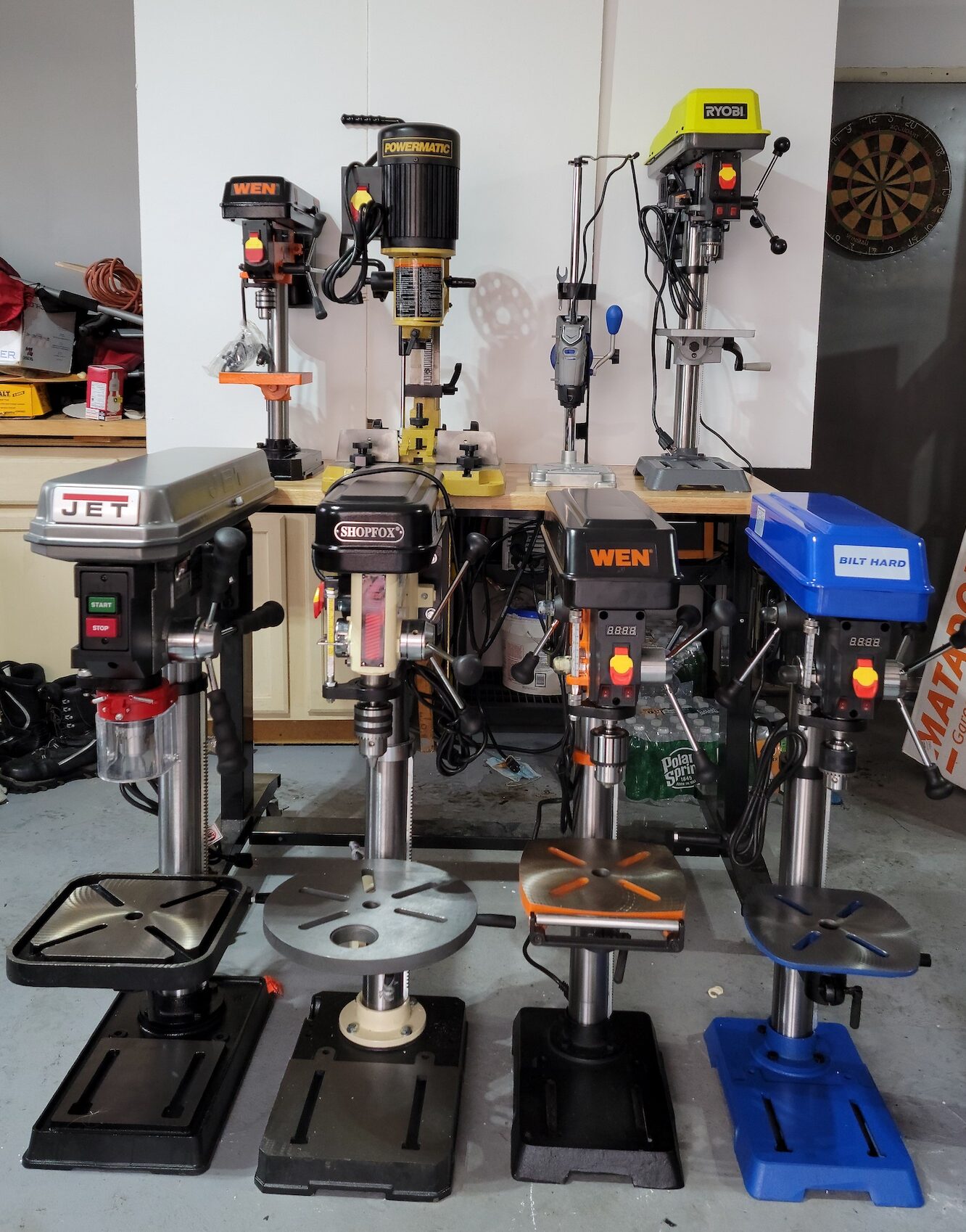
When you want to add a drill press to your workshop, two names often come up: Wen and Ryobi. Both brands are popular with DIYers, hobbyists, and even some professionals. But choosing between them can be tricky. Each brand has its strengths and weaknesses, and your decision will affect how well your projects turn out. This article will help you understand what really matters when comparing Wen vs Ryobi drill presses, so you can make the best choice for your needs.
Let’s break down the details, from build quality and performance to features, price, and real user experiences. By the end, you’ll feel confident about which drill press fits your workshop.
Who Are Wen And Ryobi?
Before you compare their products, it helps to know a bit about the companies behind the tools.
Wen has been making affordable power tools since 1951. The brand is known for offering solid quality at low prices. Ryobi, on the other hand, is part of Techtronic Industries, a giant in the tool world. Ryobi tools often target the homeowner and casual user, with a reputation for innovation and good value.
Both companies are trusted, but their focus is a bit different. Wen is all about giving you “good enough” machines for less money. Ryobi aims for user-friendly features and bright, recognizable designs.
Key Factors: What Matters Most In A Drill Press?
Before diving into specific models, let’s highlight what really matters when you’re shopping for a drill press. These are the core things you should compare:
- Build Quality – How sturdy is the machine? Will it last?
- Motor Power – More power means easier drilling through tough materials.
- Speed Settings – Adjustable speeds give you flexibility for wood, metal, and plastic.
- Table Size and Adjustability – A bigger, adjustable table makes projects easier.
- Drilling Depth and Swing – Determines the size of material you can work on.
- Accuracy and Ease of Use – How precise and comfortable is the drill press?
- Extra Features – Laser guides, LED lights, and more can make a big difference.
- Price and Value – Does it fit your budget, and is it worth the cost?
- Warranty and Support – How well does the brand stand behind its tools?
People often focus too much on specs, and not enough on how the drill press actually feels to use. Remember, the best drill press is the one that helps you finish your projects without frustration.
Wen Drill Press: What You Need To Know
Wen offers several bench-top and floor-standing drill presses. The most popular is the Wen 4214 (12-inch, variable speed), but the smaller Wen 4208T (8-inch) and the larger Wen 4225 (15-inch) also get good reviews.
Build Quality
Wen drill presses are mostly made of cast iron and steel, giving them a solid feel. They’re not as heavy-duty as industrial machines, but for home use, they’re strong enough. One thing beginners often miss: the heavier the drill press, the less it vibrates. Wen’s mid-sized models offer a good balance between stability and portability.
Motor Power
Wen’s 8-inch model has a 1/3 HP motor, while the 12-inch Wen 4214 steps up to 2/3 HP. This is enough for most wood and soft metal projects. However, if you try drilling thick steel all day, you’ll notice the limits.
Speed Settings
One of Wen’s biggest strengths is speed control. Many models use a mechanical variable speed system (not just a few set speeds). For example, the Wen 4214 lets you dial in any speed from 580 to 3,200 RPM. This flexibility makes it easier to get clean holes in different materials.
Table And Adjustability
The work table on Wen presses can tilt left and right, usually up to 45 degrees. The 12-inch and 15-inch models have bigger tables (over 8 inches square), which helps with larger workpieces. The table height is easy to adjust, which is important for comfort.
Drilling Depth And Swing
Wen’s “swing” (the maximum width of material you can drill in the center) ranges from 8 inches to 15 inches, depending on the model. Drilling depth (how deep the bit can go in one pass) is usually 2 to 3-1/8 inches.
Accuracy And Ease Of Use
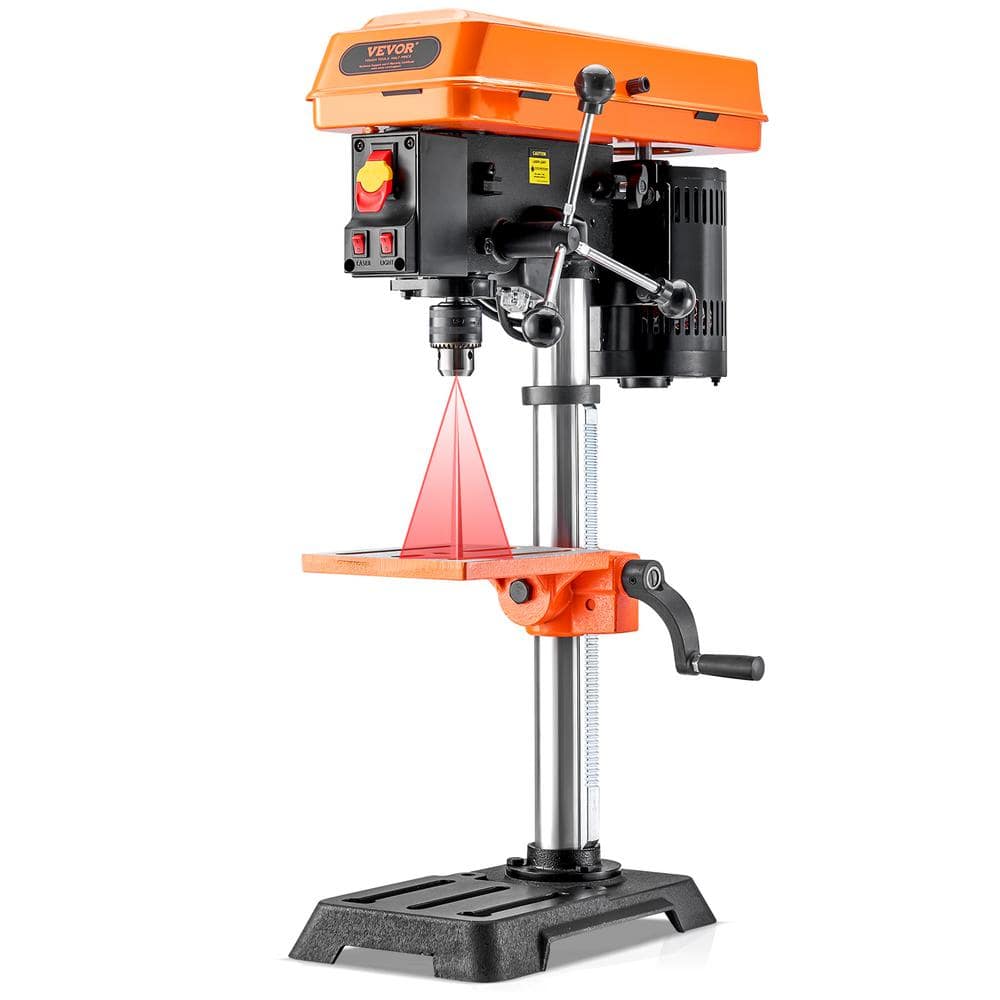
A nice surprise with Wen: most models include a laser crosshair guide. This helps line up your holes perfectly, which is great for beginners. The chuck (where you insert the drill bit) is easy to use, and the feed handles are smooth.
Extra Features
Wen often includes LED work lights, key storage slots, and depth stop systems. These little details can save time and reduce mistakes.
Price And Value
Wen tools are usually cheaper than Ryobi. For example, the Wen 4214 (12-inch) costs around $220, while the entry-level 8-inch model is often under $110.
Warranty And Support
Wen offers a 2-year warranty, and their support is known for being responsive. Replacement parts are easy to find.
Non-obvious Insights
- Many Wen drill presses use a belt-driven system that’s quiet and easy to maintain. However, the belt can sometimes slip if you push too hard.
- Wen’s laser guides run on batteries, which means you need to check them regularly.
Ryobi Drill Press: What You Need To Know
Ryobi sells fewer drill press models than Wen. Their most popular is the Ryobi DP103L (10-inch, 5-speed). Ryobi focuses on straightforward, user-friendly features and a bright green design that stands out in any workshop.
Build Quality
Ryobi drill presses are a bit lighter than Wen’s, with more use of cast aluminum and plastic. This makes them easier to move, but they may vibrate more during heavy drilling. The fit and finish are good, but you’ll notice the difference if you compare side by side.
Motor Power
The typical Ryobi drill press uses a 1/4 HP or 1/3 HP motor. This is enough for most light-duty work, but you’ll feel the limits with thicker steel or hardwoods.
Speed Settings
Most Ryobi models offer 5 preset speeds, usually from 620 to 3,100 RPM. You have to move the belt on different pulleys to change speeds—this takes a minute, but it’s not hard once you learn how.
Table And Adjustability
Ryobi’s tables are sturdy and tilt up to 45 degrees left and right. The size is slightly smaller than Wen’s on average. For example, the DP103L table is about 7-5/8 inches square.
Drilling Depth And Swing
The swing is usually 10 inches, and the drilling depth is about 2-1/2 inches. This size is a good middle ground for most home projects.
Accuracy And Ease Of Use
Ryobi includes a laser alignment system on many models, just like Wen. The handles are comfortable, and the chuck is easy to adjust. One thing many users miss: Ryobi’s feed handles can sometimes feel loose if not tightened well.
Extra Features
Ryobi often adds a work light, adjustable depth stop, and rack-and-pinion table adjustment. The green color makes it easy to spot in a crowded workshop.
Price And Value
Ryobi’s drill presses cost a bit more than Wen’s similar models. The DP103L is around $180 to $220.
Warranty And Support
Ryobi offers a 3-year warranty, one year longer than Wen. Their support is solid, but some users report slow responses for replacement parts.
Non-obvious Insights
- Ryobi’s lighter weight can be a plus if you need to move the drill press often, but it also means more vibration if not bolted down.
- The laser system in Ryobi models is usually hard-wired, so you don’t need to worry about changing batteries like you do with Wen.
Credit: www.bobvila.com
Side-by-side Comparison: Key Specs
To make things clearer, here’s a quick look at how the most popular Wen and Ryobi models compare:
| Feature | Wen 4214 (12″) | Ryobi DP103L (10″) |
|---|---|---|
| Motor Power | 2/3 HP | 1/3 HP |
| Speed Range | 580 – 3,200 RPM (variable) | 620 – 3,100 RPM (5 speeds) |
| Table Size | 9.5″ x 9.5″ | 7.6″ x 7.6″ |
| Drilling Depth | 3-1/8″ | 2-1/2″ |
| Laser Guide | Yes (battery) | Yes (wired) |
| Price | ~$220 | ~$200 |
| Warranty | 2 years | 3 years |
Real-world Performance: What Users Say
Reading specs is helpful, but real-world experience often tells a different story. Here’s what actual users and reviewers say about Wen and Ryobi drill presses.
Wen
- Power: Most users say Wen presses have enough power for wood, plastic, and light metal. If you push hard, the belt can slip or the motor can bog down.
- Precision: The laser guide is a favorite feature, but some people find it drifts over time and needs recalibration.
- Noise: Wen drill presses are relatively quiet, especially at lower speeds.
- Assembly: Setup is straightforward, though the instructions could be clearer.
- Vibration: Minimal on mid-sized models, but more on the 8-inch.
- Durability: Users report years of regular use with little trouble, as long as the press isn’t abused.
Ryobi
- Power: Good for most hobby tasks. Slows down on thick steel.
- Precision: The laser guide is accurate, and the table is easy to square.
- Noise: Similar to Wen—quiet enough for a home workshop.
- Assembly: Simple and fast to put together.
- Vibration: Can be more noticeable if not bolted to a bench.
- Durability: Most users are happy, but heavy use can loosen handles or knobs.
Pros And Cons: Wen Vs Ryobi Drill Press
Looking for a quick summary? Here are the main advantages and disadvantages of each brand.
Wen Drill Press
Pros
- Lower price for similar power and features
- Variable speed control on some models
- Good stability due to heavier build
- Laser guide and work light included
- Simple to maintain
Cons
- Belt can slip under heavy load
- Laser guide uses batteries
- Slightly larger footprint (takes more space)
Ryobi Drill Press
Pros
- Lightweight and easy to move
- Wired laser guide (no batteries needed)
- Bright, user-friendly design
- Good warranty (3 years)
Cons
- Fewer speed options (preset pulleys)
- More vibration if not bolted down
- Slightly higher price for similar specs
When To Choose Wen
You should lean toward a Wen drill press if:
- You want the best value for your money
- You need a variable speed for working with many materials
- You prefer a heavier, more stable machine
- You don’t mind changing batteries for the laser guide
- You plan to keep the drill in one spot
When To Choose Ryobi
Consider a Ryobi drill press if:
- You want a lighter machine that’s easy to move
- You prefer a wired laser guide (no batteries)
- You like the bright, modern look
- You value a longer warranty
- You’re okay with preset speed steps
Which Is Better For Different Users?
No single drill press is perfect for everyone. Here’s a look at which brand suits different types of users:
| User Type | Best Choice | Reason |
|---|---|---|
| Beginner/Hobbyist | Wen 4208T or Ryobi DP103L | Affordable, easy to use, reliable |
| Woodworker | Wen 4214 | Variable speed, stable base, large table |
| Metalworker | Wen 4214 or 4225 | Higher power, precise depth control |
| DIY Homeowner | Ryobi DP103L | Lightweight, wired laser, good warranty |
| Mobile Workshop | Ryobi DP103L | Easy to move, less space needed |
Credit: www.homedepot.com
Common Mistakes When Choosing A Drill Press
Many buyers regret their purchase because they overlook a few key details. Here are mistakes to avoid:
- Ignoring Table Size – Small tables make it hard to support larger workpieces. Always check the table dimensions before buying.
- Underestimating Power Needs – If you plan to drill metal, get at least a 1/3 HP motor. For wood only, you can go lower.
- Not Checking for Vibration – Lighter presses vibrate more. Always bolt your drill press to a bench for better results.
- Forgetting About Speed Adjustment – Variable speed is not just a luxury. It helps you avoid burning bits and ruining material.
- Overlooking Warranty – A longer warranty is a sign the brand trusts its own quality.
Practical Tips For Getting The Most From Your Drill Press
- Bolt it down. Even the best drill press will vibrate if it’s not securely mounted.
- Use sharp bits. Dull bits make any drill press struggle and cause bad holes.
- Adjust the speed. Slow speeds for metal, faster for wood and plastic.
- Check the laser. Calibrate the laser guide before each important project.
- Lubricate moving parts. A drop of oil on the quill and handles keeps everything smooth.
- Set the depth stop. This prevents drilling too deep and saves your workpiece.
Beginners often forget to change speeds for different materials or think the drill press is “broken” when it bogs down. Often, it’s just the wrong speed or a dull bit.
Final Thoughts: Wen Vs Ryobi Drill Press
Both Wen and Ryobi offer solid, affordable drill presses for home workshops. Wen gives you more options, heavier build, and variable speed control at a lower price. Ryobi wins on portability, looks, and warranty length. For most beginners and hobbyists, either brand will do the job well.
If you want the most features for the money, Wen is hard to beat. If you need to move your drill press around or like the green design, Ryobi is a safe choice. No matter what you pick, remember: the right tool is the one that helps you enjoy your projects and finish them well.
For more technical details, you can check the official Ryobi site: Ryobi Drill Press.
Frequently Asked Questions
Is A Wen Drill Press Better Than A Ryobi For Beginners?
Both brands are good for beginners. Wen often wins on price and stability, while Ryobi is lighter and has a longer warranty. If you want variable speed, choose Wen. If you want something easy to move, Ryobi is better.
Can I Drill Metal With A Wen Or Ryobi Drill Press?
Yes, both can handle light metal drilling if you use the right bit and slow speed. For thick steel, pick a higher-power model (at least 1/3 HP) and use a cutting lubricant. Don’t push too hard, or you may overload the motor.
How Important Is The Laser Guide On A Drill Press?
The laser guide helps line up holes quickly and accurately. It’s not essential, but it saves time and reduces mistakes, especially for beginners. Just remember to check calibration before each project.
Do I Need To Bolt Down My Drill Press?
Yes, bolting your drill press to a bench or stand reduces vibration and makes drilling safer and more accurate. This is especially important for lighter models like Ryobi.
What’s The Main Difference Between Variable Speed And Preset Speed Drill Presses?
Variable speed lets you fine-tune the RPM for any material, which helps prevent burning or breaking bits. Preset speed models have set options (like 5 speeds). Variable speed is more flexible, but preset is simpler and often cheaper.
With all this knowledge, you’re ready to pick the right drill press for your workshop and start your next project with confidence.
Credit: wenproducts.com