Many people who start home projects or work in construction quickly realize: not all power tools are the same. When you need to drive screws or drill holes, choosing between a drill and a screw gun can be confusing. At first, they might look similar. Both tools are handheld, have a trigger, and spin bits. But if you choose the wrong one, your project can take longer, your screws might strip, or your arm could get tired fast. Understanding the real differences between a drill and a screw gun helps you save time, work safely, and get a better result.
This guide explains everything you need to know about drills and screw guns. You’ll learn what each tool is, how they work, the main differences, and when to use each one. You’ll also see real examples, get practical advice, and find answers to common questions.
By the end, you’ll be able to pick the right tool for any job—even if you’re new to power tools.
What Is A Drill?
A drill is a versatile power tool used to make holes or drive screws. Most people recognize a drill by its pistol-like shape and spinning chuck at the front. You insert different bits into the chuck, depending on your task. Drills are popular in homes, workshops, and professional job sites.
Drills come in two main types: corded and cordless. Corded drills plug into a wall outlet, offering constant power. Cordless drills use a rechargeable battery, making them portable and easy to use anywhere. Both types can adjust their speed and direction. Some even have a hammer mode for drilling into concrete.
How A Drill Works
A drill uses a motor to spin the chuck. The user presses a trigger to control speed. By changing the bit, you can drill holes in wood, metal, plastic, or masonry. You can also use special bits to drive screws, mix paint, or even sand surfaces.
Key Features Of Drills
- Adjustable chuck: Holds different bit sizes and shapes
- Variable speed trigger: Lets you control how fast the bit spins
- Forward/reverse switch: Drives or removes screws
- Clutch settings: Prevents over-driving screws or damaging materials (in most cordless models)
- Multiple uses: Drilling, screwdriving, mixing, and more
Common Drill Applications
- Drilling holes in wood, metal, or drywall
- Driving or removing screws
- Installing shelves, furniture, or fixtures
- Mixing paint or thin materials (with a paddle bit)
- Making pilot holes for screws
What Is A Screw Gun?
A screw gun is a power tool designed mainly for driving screws—especially when you need to install many screws quickly. It looks a bit like a drill but has special features for handling screws with speed and accuracy.
Most screw guns have a nose cone instead of a regular chuck. The nose cone guides the screw bit and controls how deep the screw goes. Many screw guns also have an auto-feed system that holds a strip of screws, so you can drive one after another without reloading. This makes them popular for drywall, decking, and subfloor projects, where hundreds of screws are needed.
How A Screw Gun Works
A screw gun spins only when you press the bit against the work surface. This is called a “push-to-start” mechanism. The nose cone ensures each screw goes in to the same depth, which is important for finishing work. Some screw guns are corded, while others are cordless.
Key Features Of Screw Guns
- Nose cone: Sets screw depth and guides the bit
- Push-to-start: Motor runs only when pushing the screw in
- Auto-feed magazine: Holds and feeds a strip of screws (in some models)
- High speed: Designed for fast, repetitive screwing
- Lightweight build: Reduces fatigue during long jobs
Common Screw Gun Applications
- Installing drywall sheets
- Building decks or subfloors
- Assembling wood framing
- Attaching metal studs
- Any project needing hundreds of screws
Credit: houwhoekfarmstall.com
Core Differences: Drill Vs Screw Gun
Many people think a drill and a screw gun do the same thing. But their designs, features, and best uses are quite different. Let’s break down the main differences.
| Feature | Drill | Screw Gun |
|---|---|---|
| Primary Use | Drilling & driving screws | Driving screws only |
| Chuck/Nose | Adjustable chuck | Nose cone (fixed bit) |
| Speed Control | Variable trigger | Push-to-start |
| Auto-Feed | No | Yes (some models) |
| Best For | Versatile tasks | Repetitive screwing |
| Weight | Usually heavier | Lighter |
Design And Handling
A drill is made to do many jobs. Its adjustable chuck lets you change bits for different tasks—drilling, screwdriving, or even buffing. But this flexibility makes the drill a bit heavier and less balanced for long periods of screwing.
A screw gun, on the other hand, is built for one main job: driving screws. Its nose cone holds the bit steady and sets the depth perfectly every time. The tool is usually lighter and feels more balanced for repetitive work.
Speed And Efficiency
Drills can drive screws, but not as fast as a screw gun. With a drill, you have to stop, load each screw, and control the depth yourself. This is fine for small projects.
Screw guns are built for speed. With an auto-feed magazine, you can drive hundreds of screws in a row—great for drywall or deck building. The push-to-start motor also means you only use power when needed, saving battery life and reducing noise.
Precision And Depth Control
A key feature of a screw gun is depth adjustment. The nose cone ensures every screw stops at the right level. This is important for drywall: if the screw goes too deep, it can break the paper surface. If it’s too shallow, the sheet won’t hold. Drills don’t have this automatic depth control, so it’s easy to make mistakes.
Versatility
If you want a tool for many jobs around the house, a drill is best. It can drill holes, drive screws, mix paint, and more. But if your main task is installing a lot of screws, especially in drywall or decking, a screw gun is faster and more accurate.
When To Use A Drill
Most people start with a drill because it’s useful for many jobs. Here are the best situations for a drill:
- Home repairs: Hanging pictures, mounting shelves, or fixing loose hinges.
- Building furniture: Drilling pilot holes, assembling parts, and driving screws.
- Electrical work: Installing boxes or cable clips in wood or drywall.
- Making holes: Any time you need to drill into wood, metal, or plastic.
- Varied tasks: When you need one tool for many purposes.
Drills are especially helpful if you’re working in different materials. You simply change the bit to match the job. Some drills even have a hammer function for concrete or brick.
Example: Assembling A Bookcase
When building a bookcase, you’ll need to drill pilot holes for screws and then drive the screws in. With a drill, you can do both by swapping bits. You control the speed and pressure, making it easy to avoid splitting the wood.
Pro Tip
For driving screws, use a clutch setting on your drill. This prevents over-tightening, which can strip the screw head or damage the wood. Many beginners miss this feature, resulting in ruined screws and more work.
When To Use A Screw Gun
A screw gun shines when you have a big project with lots of screws to install—especially in drywall or decking.
- Drywall installation: Screws must be set just below the surface, but not too deep. The screw gun’s nose cone does this every time.
- Deck building: Many boards, many screws. An auto-feed screw gun can speed up the process and save your wrist.
- Subfloor installation: Laying down plywood over joists requires hundreds of screws at the right depth.
- Metal framing: Driving self-tapping screws into metal studs is faster with a screw gun.
- Production work: Any job where speed and consistency matter.
Example: Hanging Drywall
If you’re hanging sheets of drywall in a new room, you’ll drive hundreds or thousands of screws. A screw gun with an auto-feed system lets you work quickly without stopping to reload or worry about depth.
Pro Tip
Screw guns have replaceable nose cones. If the nose cone wears out, replace it to keep your depth setting accurate. Many new users don’t realize this, and their screws become uneven over time.
Advantages And Limitations
Understanding the strengths and weaknesses of each tool helps you decide which is right for your project.
Drill: Advantages
- Versatile: Handles many tasks with different bits.
- Strong torque: Can handle tough jobs like drilling into hardwood or metal.
- Widely available: Most households already have one.
- Clutch control: Protects screws and material.
Drill: Limitations
- Slower for repetitive screwing: Not designed for hundreds of screws at once.
- No depth control: Easy to over-drive or under-drive screws.
- Heavier: Can tire your hand with long use.
Screw Gun: Advantages
- Speed: Drives screws much faster than a drill.
- Consistent depth: Every screw is set at the same level.
- Auto-feed: Magazine models mean less stopping to reload.
- Lightweight: Easier to hold for long periods.
Screw Gun: Limitations
- Single-purpose: Not useful for drilling holes or other tasks.
- Less torque: Not suitable for hard materials like thick metal or concrete.
- Specialized bits: Needs the right bit for the screw type.
- Less common: Most homeowners don’t own one unless they do a lot of drywall or decking.
Types Of Drills And Screw Guns
Both drills and screw guns come in several types. Choosing the right one depends on your work style and needs.
Types Of Drills
- Corded drill: More power, no battery to charge, but needs an outlet.
- Cordless drill: Portable, lighter, but battery life is limited.
- Hammer drill: Has a hammer function for concrete or masonry.
- Right-angle drill: For tight spaces, like inside cabinets.
Types Of Screw Guns
- Corded screw gun: Consistent power for large jobs.
- Cordless screw gun: More mobile, but needs charging.
- Auto-feed screw gun: Holds a strip of screws, speeds up large jobs.
- Collated screw gun: Similar to auto-feed, but specifically for collated screw strips.
Choosing The Right Tool For Your Project
Not every job needs a special tool. Here’s how to decide which one to use.
| Project Type | Best Tool | Reason |
|---|---|---|
| Hanging pictures, small repairs | Drill | Versatile, does many jobs |
| Building furniture | Drill | Drilling pilot holes and driving screws |
| Drywall installation | Screw Gun | Speed and consistent depth |
| Deck building | Screw Gun | Handles many screws quickly |
| General construction | Both | Drill for holes, screw gun for repetitive screws |
Key Considerations
- Number of screws: Large numbers favor the screw gun.
- Type of material: Harder materials may need a drill.
- Budget: Drills are more versatile if you can only buy one.
- Experience level: Screw guns are easier for beginners with large projects.
Non-obvious Insight
Many beginners don’t realize that using the wrong tool can waste time and money. For example, if you use a drill for drywall, you might set screws too deep, causing weak spots or needing repairs. On the other hand, using a screw gun for small odd jobs is overkill and limits your tool’s usefulness.
Another common mistake: not matching the bit type to the screw head (Philips, Torx, square, etc.). Using the wrong bit can strip screws quickly and damage your tool.
Safety Tips For Drills And Screw Guns
Power tools can cause injury if used carelessly. Always follow these safety steps:
- Wear safety glasses: Bits can break or throw dust.
- Check your bits: Use sharp, undamaged bits for best results.
- Unplug or remove battery: When changing bits or making adjustments.
- Set clutch or depth: To prevent over-driving and material damage.
- Keep hands clear: From the bit and moving parts.
- Start slow: Get used to the tool’s weight and speed before full use.
Extra Safety Advice
On ladders or scaffolding, use a cordless tool to avoid tripping on cords. For long jobs, take short breaks to avoid hand fatigue and muscle strain.
Cost And Value
Tool prices vary widely. In general, drills are less expensive and offer more uses for the average homeowner. A basic cordless drill might cost $40–$100, while a pro-grade model can be $150–$300.
Screw guns are more specialized. Basic models start around $60, but auto-feed screw guns can cost $150–$400. For big projects (like building a house), the speed and labor savings can quickly pay for the higher price.
When Renting Makes Sense
If you only need a screw gun for a one-time job (like drywall in a new room), renting is often smarter than buying. Many hardware stores rent screw guns by the day or week.
Maintenance And Longevity
Proper care keeps your tools working longer and saves money.
- Keep clean: Remove dust and debris after each use.
- Lubricate moving parts: Check the manual for oil points.
- Charge batteries correctly: Don’t leave batteries in the charger too long.
- Replace worn bits and nose cones: Dull bits make work harder and can damage materials.
- Store in a dry place: Prevents rust and electrical problems.
A well-kept drill or screw gun can last many years—even decades.
Real-world Examples
Diy Homeowner
Sarah, a homeowner, wanted to remodel her basement. She started with just a drill, which worked fine for small shelves and fixing cabinets. But when she began hanging drywall, her progress slowed. Screws went in at different depths, and her arm tired quickly.
She rented a screw gun, and the work finished much faster, with cleaner results.
Contractor
Mike, a professional contractor, uses both tools daily. He drills holes for wiring and plumbing with his cordless drill, then switches to an auto-feed screw gun to attach hundreds of drywall sheets. Using both tools together saves time and prevents mistakes.
Statistic
According to the U.S. Bureau of Labor Statistics, using the right tool for the job can improve productivity by up to 30% and reduce the risk of injury. That’s why professionals invest in both, while homeowners often start with a drill and rent a screw gun for big projects (Bureau of Labor Statistics).
Frequently Asked Questions
What Is The Main Difference Between A Drill And A Screw Gun?
A drill is a versatile tool for drilling holes and driving screws in many materials. A screw gun is designed mainly for driving screws, especially in drywall or deck projects. The screw gun is faster and sets screws at a consistent depth.
Can I Use A Drill Instead Of A Screw Gun For Drywall?
You can use a drill for drywall, but it’s harder to control screw depth, and you’ll work more slowly. A screw gun is much better for large drywall jobs because it drives screws quickly and stops at the right depth every time.
Are Screw Guns Only For Professionals?
No. While screw guns are common on construction sites, homeowners can benefit too—especially for big projects like new rooms or decks. Many hardware stores rent them out, so you don’t need to buy one for a single project.
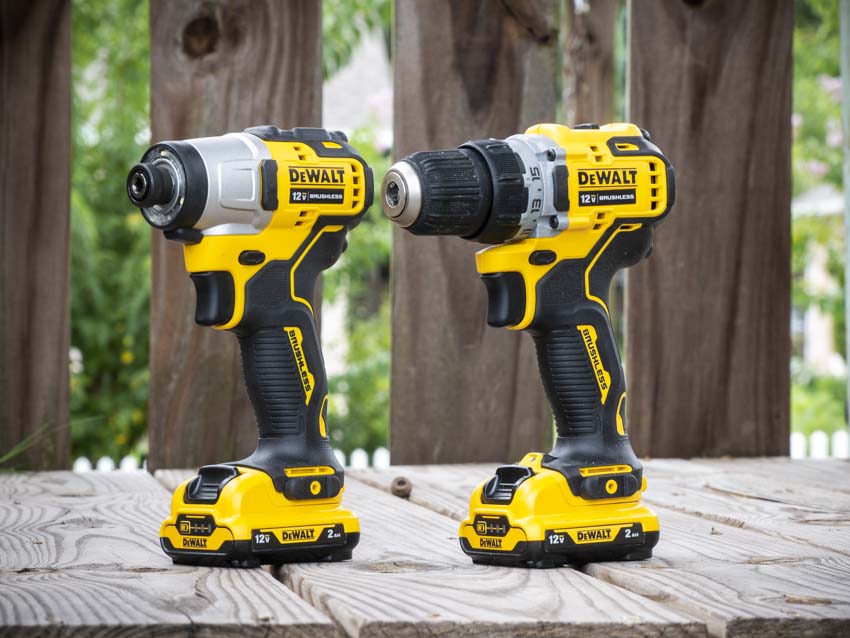
:max_bytes(150000):strip_icc()/SPR-impact-driver-vs-drill-5116867-hero-37b95592c1a44e97baa3de9f859fbd0a.jpg)
Credit: www.thespruce.com
What Should I Look For When Buying A Screw Gun?
Check for a depth-adjustable nose cone, comfortable grip, and (if you need to drive many screws) an auto-feed system. Make sure it accepts the screw types you plan to use, and consider cordless for maximum mobility.
Can I Drill Holes With A Screw Gun?
No. Screw guns are not designed for drilling holes. Their motor speed and bit system are made only for driving screws. If you need to drill holes, use a drill with the right bit for the material.
Choosing the right tool—drill or screw gun—makes every project easier, faster, and safer. Now you can make a smart choice and get great results, no matter what you’re building.

Credit: www.reddit.com