Whether you’re a seasoned contractor, an enthusiastic DIYer, or just starting your journey into woodworking and construction, you’ll inevitably encounter the spade drill bit, a seemingly simple tool that often prompts the question: what is a spade drill bit used for, and why do professionals rely on it for specific tasks? The spade drill bit, easily recognizable by its flat paddle-shaped blade and pointed tip, has been a staple in toolkits for decades. Its unique design is not just for show; it delivers efficiency, speed, and versatility in drilling large, clean holes in wood and some plastics.
But not all drill bits are created equal. While twist bits, hole saws, and auger bits each have their place, the spade drill bit stands out for its ability to rapidly bore wide-diameter holes with minimal fuss. It’s the go-to choice for running electrical wiring through studs, installing plumbing, or constructing furniture where precision and speed are paramount. In my experience, few tools offer as much utility for rough-in work and framing. This article explores every aspect of the spade drill bit: its core uses, how it compares to other bit types, real-world applications, and expert tips for maximizing its performance.
Key Takeaways
- Spade drill bits are optimized for quickly drilling large holes in wood and some plastics.
- Their flat, paddle-like shape and sharp tip enable fast chip removal and minimal clogging.
- They are favored for rough-in work, such as running wires or pipes through studs.
- Proper technique and matching the bit to the material are crucial for clean results.
- Compared to other bits, spade drill bits excel in speed and cost-effectiveness but may leave rougher holes.
Credit: www.reddit.com
Understanding The Spade Drill Bit
The spade drill bit is a specialized tool engineered for high-speed drilling, especially in wood. Its design, materials, and function make it indispensable for specific tasks in construction and woodworking.
Anatomy Of A Spade Drill Bit
A typical spade drill bit consists of three main parts:
- Shank: The cylindrical end that fits into the drill’s chuck. Most spade bits have a 1/4″ hex shank for quick-change compatibility.
- Paddle Blade: The flat, wide section with cutting edges on either side. This blade does the heavy lifting, slicing through material efficiently.
- Center Point: The sharp tip at the center, which anchors the bit and helps start the hole accurately.
Some advanced spade bits also include:
- Spur edges: Small points on the blade edges for cleaner entry and exit.
- Grooved sides: For faster chip removal.
Materials And Manufacturing
Most spade bits are made from high-carbon steel, offering a balance of durability and affordability. For enhanced performance, some feature titanium or black oxide coatings, which reduce friction and heat buildup. The bit is usually stamped or milled from a single piece of steel, ensuring strength and rigidity.
How Spade Drill Bits Work
When spun by a power drill, the center point establishes the hole’s location, while the wide blade rapidly removes material by chiseling it away. The flat design allows for aggressive cutting, making spade bits ideal for fast, rough holes rather than fine, finish work.
Typical Sizes And Variations
Spade bits are available in a wide range of diameters, typically from 1/4″ up to 1-1/2″, in 1/16″ increments. Longer versions, sometimes called extension spade bits, can reach 16″ or more for deep holes. Variations include:
- Standard spade bits: For everyday use.
- Self-feeding spade bits: Feature a threaded tip that pulls the bit through wood.
- Adjustable spade bits: Allow users to set different hole diameters.
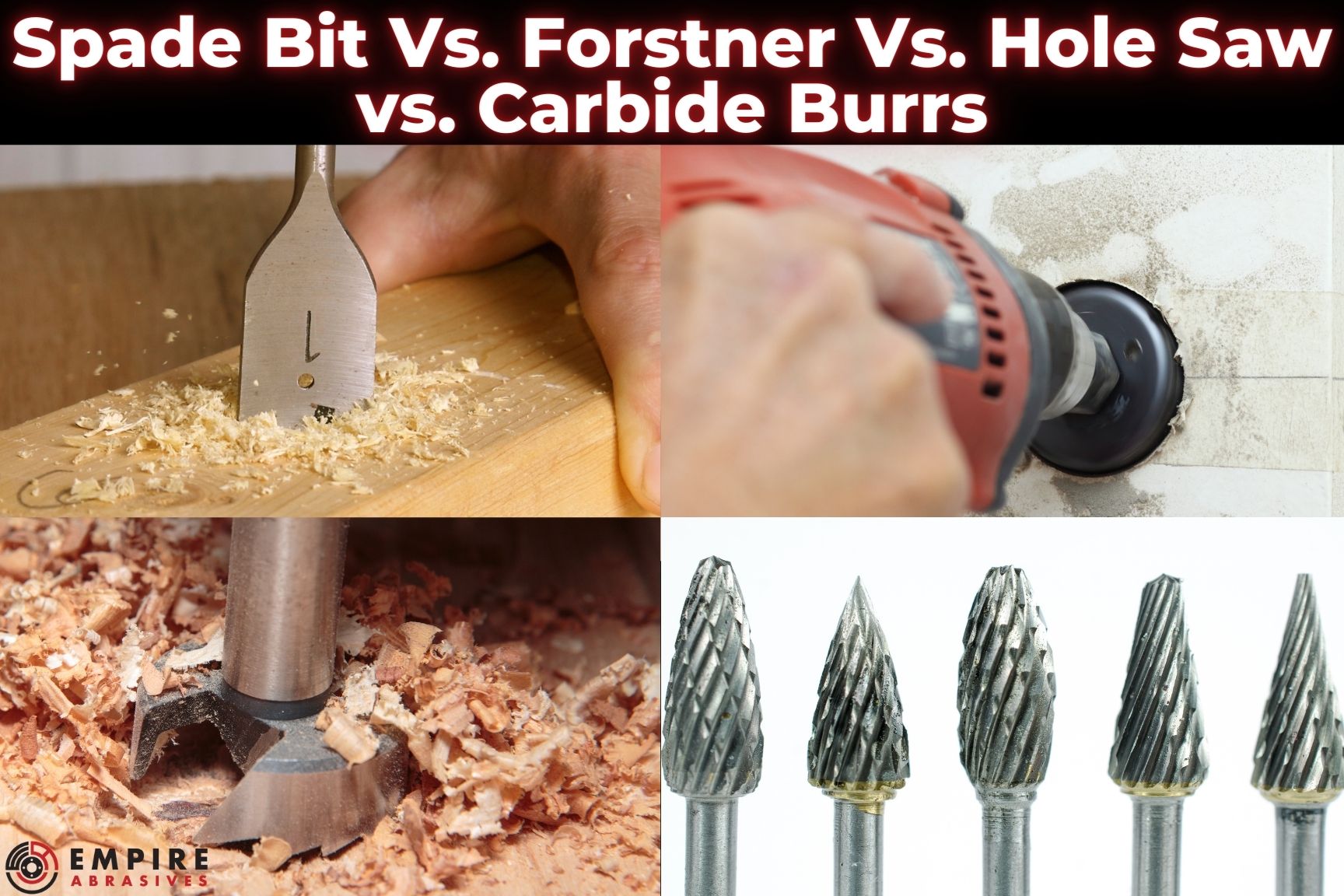
Credit: www.empireabrasives.com
Primary Uses Of Spade Drill Bits
While versatile, the spade drill bit truly shines in a few specific scenarios, making it a popular choice among professionals and hobbyists alike.
Electrical And Plumbing Rough-ins
Electricians and plumbers frequently use spade bits to drill holes through wall studs, joists, and plates. These holes allow for:
- Running electrical wires between outlets, switches, and breaker panels.
- Routing conduit or pipes for water, gas, or HVAC systems.
The speed and large diameter options make spade bits ideal for rough-in work, where appearance is less critical than efficiency.
Furniture And Cabinet Construction
Woodworkers often reach for spade bits when they need:
- Boring large dowel holes for joints.
- Creating cable pass-throughs in desks or entertainment centers.
- Drilling mortises or recesses for hardware.
Their ability to quickly remove wood makes them invaluable for tasks that require wide, shallow holes.
Carpentry And Framing
In framing, spade bits are used to:
- Drill through studs and joists for fastener or anchor installation.
- Create access points for spray foam insulation.
Because spade bits can rapidly produce large holes, they keep up with the pace of construction sites.
Other Common Applications
Additional uses include:
- DIY projects: Building playhouses, sheds, or custom shelving.
- Boat building: Creating drain holes in wooden hulls.
- Installing door hardware: Boring holes for locks, handles, or peep sights.
Their versatility is only limited by the material and precision required.
Spade Drill Bits Vs. Other Drill Bits
Choosing the right bit is crucial for efficiency, hole quality, and tool longevity. Here’s how spade drill bits stack up against other common types.
Comparison Table: Spade Vs. Twist, Auger, And Hole Saw Bits
| Feature | Spade Bit | Twist Bit | Auger Bit | Hole Saw |
|---|---|---|---|---|
| Optimal Material | Wood, plastics | Wood, metal, plastic | Wood | Wood, plastic, thin metal |
| Hole Quality | Rough, fast | Clean, precise | Clean, deep | Clean edge, core remains |
| Speed | Very fast | Moderate | Slower | Slowest |
| Hole Size Range | 1/4″, 1-1/2″ | 1/16″, 1/2″ | 1/4″, 1″ | 3/4″, 6″ |
| Cost | Low | Low | Medium | High |
| Debris Ejection | Good | Fair | Excellent | Poor |
| Best For | Fast, rough holes | Small, precise holes | Deep, clean wood holes | Large-diameter holes |
When To Choose A Spade Drill Bit
Opt for a spade bit when:
- Speed is more important than a perfectly smooth hole.
- You need to drill wide holes in wood, especially in studs or framing.
- Cost is a consideration and bit life is less critical.
Limitations Compared To Other Bits
Spade bits are not recommended for metal or masonry, and their holes may require sanding if a smooth finish is needed. For extremely deep or precise holes, an auger bit or twist bit may be preferable.
Pro Tip:
When drilling large holes in visible wood surfaces, start with a spade bit to remove most material, then finish with a hole saw for a clean edge.

Credit: www.wonkeedonkeetools.co.uk
Techniques And Best Practices For Using Spade Drill Bits
Proper technique can make the difference between a smooth, efficient job and a frustrating, messy result. Here’s how to get the most from your spade drill bits.
Drilling Clean Holes
- Mark your hole location clearly with a center punch or awl to guide the bit.
- Start slow: Begin drilling at a low speed to establish the center point.
- Increase speed: Once the bit is anchored, increase speed while maintaining steady pressure.
- Back out to clear chips: For deep holes, periodically withdraw the bit to remove debris.
Avoiding Tear-out And Splintering
- Clamp a sacrificial board behind the workpiece to support the exit hole.
- Drill halfway from each side for ultra-clean holes: Drill until the tip breaks through, then finish from the opposite side.
Selecting The Right Bit For The Material
- Use standard spade bits for softwoods and plastics.
- Choose coated or premium bits for hardwoods to reduce heat and friction.
Safety Tips
- Always wear eye protection; chips can fly at high speed.
- Secure your workpiece to prevent spinning or shifting.
- Keep hands clear of the bit and moving parts.
Example:
When building a deck, I used a 3/4″ spade bit to quickly bore holes for lag bolts. By clamping a board behind each joist, the holes exited cleanly, saving time on cleanup and ensuring the bolts seated perfectly.
Real-world Applications And Case Studies
To illustrate the versatility of the spade drill bit, let’s look at three real-world scenarios where it proves indispensable.
Case Study 1: Residential Electrical Installation
During the rough-in phase of wiring a new home, electricians must drill hundreds of holes through wall studs. A 7/8″ spade bit allows them to:
- Rapidly drill consistent holes for running Romex cable.
- Minimize time per stud, enabling faster completion of large projects.
- Keep costs low, as spade bits are affordable and easy to replace.
Case Study 2: Custom Furniture Building
A woodworker crafting a custom entertainment center needs to create cable pass-throughs in the back panel. Using a 1-1/4″ spade bit:
- The holes are completed in seconds, with minimal setup.
- A sacrificial backer ensures a clean exit, avoiding splintering.
- The flat blade design allows precise placement near edges.
Case Study 3: Plumbing In Renovations
In a bathroom remodel, plumbers often need to route PEX or copper pipes through tight framing spaces. With a long 1″ spade bit:
- They can bore deep holes through thick joists or double plates.
- The bit’s speed keeps project timelines on track.
- Any roughness inside the hole is irrelevant, as it will be hidden and not affect pipe function.
Selecting The Right Spade Drill Bit
Choosing the correct spade drill bit for your project is critical. Factors to consider include material, hole size, bit length, and any special features.
Diameter And Length Selection
- Common diameters: 1/4″, 3/8″, 1/2″, 5/8″, 3/4″, 7/8″, 1″, 1-1/4″, 1-1/2″.
- Standard lengths: 6″ for general use; 12″ or longer for deep holes.
Special Features To Look For
- Self-feeding tips: These threaded points pull the bit into the wood, reducing effort.
- Spur cutting edges: Help reduce splintering at the entry and exit points.
- Hex shanks: Prevent slipping in the drill chuck, especially in high-torque situations.
Popular Brands And Models
Some of the most trusted spade bit brands include:
- Irwin Speedbor
- Bosch Daredevil
- Milwaukee Flat Boring Bits
- DeWalt Spade Bits
Each offers unique features, such as optimized cutting geometry or enhanced coatings.
Table: Spade Bit Feature Comparison
| Brand | Self-Feeding Tip | Spur Edges | Coating | Shank Type |
|---|---|---|---|---|
| Irwin Speedbor | Yes | Yes | None | Hex |
| Bosch Daredevil | Yes | Yes | Blue oxide | Hex |
| DeWalt | No | Yes | Titanium | Hex |
| Milwaukee | No | No | None | Hex |
Price Ranges And Value
Spade bits are among the most affordable drill bits, with sets of 6-10 bits typically ranging from $10 to $30. Specialty or premium-coated versions may cost more but offer increased durability.
For an authoritative overview of different drill bit types and their uses, see the Wikipedia entry on drill bits.
Maintenance, Sharpening, And Longevity
Proper care extends the life of your spade drill bits and ensures optimal performance.
Cleaning And Storage
- Wipe clean after each use to remove sawdust and resin.
- Store in a case to prevent dulling or damage to the cutting edges.
- Inspect for damage before each use; discard bits with bent shanks or chipped blades.
Sharpening Techniques
- Use a flat file or sharpening stone on the cutting edges.
- Maintain the factory bevel angle for best results.
- For self-feeding tips, a small triangular file can refresh the threads.
Expected Lifespan
A quality spade bit can last for hundreds of holes in softwood if cleaned and sharpened regularly. Drilling through nails, screws, or metal will quickly dull or ruin the bit.
When To Replace A Spade Drill Bit
- When the bit struggles to cut, even after sharpening.
- If the shank is bent or the paddle is chipped.
- When accuracy or safety is compromised.
Example:
After years of use on a renovation crew, my Irwin Speedbor bits still perform well thanks to regular sharpening and careful storage. Investing a few minutes in maintenance saves money and frustration in the long run.
Advanced Tips And Troubleshooting
Even experienced users encounter challenges with spade drill bits. Here’s how to address common issues and take your drilling to the next level.
Dealing With Binding And Kickback
- Let the bit do the work; excessive force increases binding risk.
- Use a drill with a side handle for better control on large holes.
- If the bit jams, reverse it slightly to clear chips before proceeding.
Drilling At Angles Or In Tight Spaces
- Start the hole at a perpendicular angle for a few seconds, then tilt to the desired angle.
- For tight spots, use a right-angle drill or spade bits with short shanks.
Preventing Overheating
- Drill at moderate speeds in hardwoods to avoid burning.
- Withdraw the bit periodically to cool and clear debris.
Making Oversized Or Irregular Holes
- For holes larger than 1-1/2″, drill overlapping holes and use a chisel to remove waste.
- Adjustable spade bits are available for non-standard diameters, but proceed with caution as they can wander.
Pro Tip:
If drilling near the edge of a board, clamp a scrap piece alongside to support the bit and prevent breakout.
Useful External Resources
For more in-depth advice on drilling techniques, visit the Family Handyman guide to using spade bits.
Frequently Asked Questions
What Materials Can I Drill With A Spade Drill Bit?
While spade drill bits are primarily designed for wood (including softwoods, hardwoods, and plywood), they can also be used on some plastics like PVC and acrylic. Avoid using them on metal, masonry, or ceramic tile, as their flat blade design will not cut effectively and may damage both bit and material.
How Do I Reduce Splintering On The Exit Side Of The Hole?
To minimize splintering, clamp a scrap piece of wood behind your workpiece. Alternatively, drill until the center tip just breaks through, then flip the workpiece and complete the hole from the opposite side. This supports the wood fibers and results in a cleaner exit.
Can Spade Drill Bits Be Used With Hand Drills Or Only With Power Drills?
Spade bits are best suited for use with power drills due to the force required for their wide blades. However, with enough effort and in softwoods, they can be used in a hand brace (manual drill), though progress will be much slower.
Are There Safety Concerns Unique To Spade Drill Bits?
Yes. Because of their aggressive cutting action, spade bits can catch and cause kickback if not handled carefully. Always secure your workpiece, use a drill with a side handle for large bits, and keep hands away from the bit’s path. Wear safety glasses to protect against flying chips.
What’s The Difference Between A Standard Spade Bit And A Self-feeding Spade Bit?
A standard spade bit has a pointed tip for centering, while a self-feeding spade bit features a threaded screw tip that actively pulls the bit into the material. Self-feeding tips require less user pressure but can be harder to control at the start, especially in hardwoods.
When selecting the right drill bit for the job, understanding the strengths and limitations of each type is essential. The spade drill bit remains a favorite for fast, efficient hole-making in wood, making it indispensable for electrical rough-ins, framing, and countless woodworking tasks. By mastering its use, maintaining your bits, and knowing when to choose this tool over others, you’ll save time and achieve professional results. Whether you’re wiring a new home, building custom furniture, or tackling weekend DIY projects, the spade bit is a valuable ally, fast, affordable, and reliable when used with the right technique.