Choosing the right drill bit for tapping can make or break your machining project. Whether you’re a seasoned machinist or a DIY enthusiast, tapping a 5/16” thread requires precision, and the correct drill bit size is a critical starting point.
With metalworking and fabrication projects, even a fraction of a millimeter can mean the difference between a snug, secure thread and a stripped, unusable hole. The 5/16 tap is a common size in automotive, construction, and maintenance settings, making it essential knowledge for anyone working with threads.
This guide will take you through everything you need to know about drill bits for a 5/16 tap. You’ll learn not just the right size, but also how material, thread type, and application influence your choice. We’ll highlight five key items you must understand to achieve perfect results, supported by real-world examples, data tables, and expert insights.
By the end, you’ll be equipped to approach any 5/16 tapping task with confidence and accuracy.
Key Takeaways
- The standard drill bit size for a 5/16-18 tap is F (0.257 inches).
- Material type and thread pitch can require adjustments to the drill bit size.
- Selecting the right drill bit material is crucial for longevity and performance.
- Proper tapping technique prevents thread damage and tool breakage.
- Case studies and comparison tables help clarify best practices for tapping 5/16 threads.

Credit: www.homedepot.com
Understanding The 5/16 Tap: What It Is And Where It’s Used
A 5/16 tap refers to a tap tool that cuts internal threads for a 5/16-inch diameter fastener. There are several thread pitches commonly associated with this diameter, most notably 5/16-18 UNC (Unified National Coarse) and 5/16-24 UNF (Unified National Fine). Each has its own set of applications, and the correct drill bit size depends on the pitch.
Common Applications Of The 5/16 Tap
The 5/16 tap is frequently used in:
- Automotive assembly: Securing parts to chassis and engine components.
- Machinery: Fastening plates, brackets, and guards.
- Construction: Threading for anchors in wood and metal studs.
- Home repairs: Mounting heavy fixtures or equipment.
Its balance of strength and versatility makes it a go-to choice for mid-sized fastening needs.
Thread Types And Standards
There are two principal thread standards for 5/16 taps:
- 5/16-18 UNC (Coarse Thread): 18 threads per inch, common in general-purpose fastening.
- 5/16-24 UNF (Fine Thread): 24 threads per inch, used where greater holding power is needed in thinner materials.
Understanding these standards is vital, as the required drill bit size differs slightly between them.
Why Drill Bit Selection Matters
Selecting the right drill bit for tapping affects:
- Thread integrity: Ensures threads are fully formed without being oversized or undersized.
- Tool lifespan: Correct sizing reduces tap breakage and wear.
- Assembly strength: Precise threads maintain holding power and safety.
Choosing the wrong bit can lead to costly mistakes, including rework or even scrapped parts.
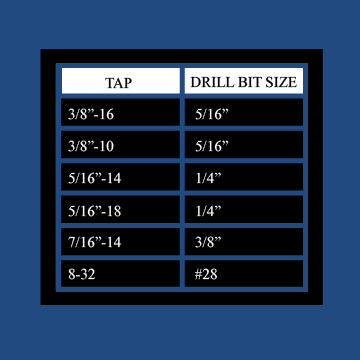
Credit: prathercue.com
The Five Essential Items For Tapping A 5/16 Thread
Proper tapping isn’t just about picking a drill bit; it involves five critical considerations. Each one impacts the quality of the finished thread and your overall success.
1. Correct Drill Bit Size For 5/16 Tap
The most important factor is using the right drill bit size for your tap. For a standard 5/16-18 UNC tap, the recommended drill bit is an F size, which is 0.257 inches in diameter.
For a 5/16-24 UNF tap (fine thread), the recommended drill bit is a Letter I, measuring 0.272 inches.
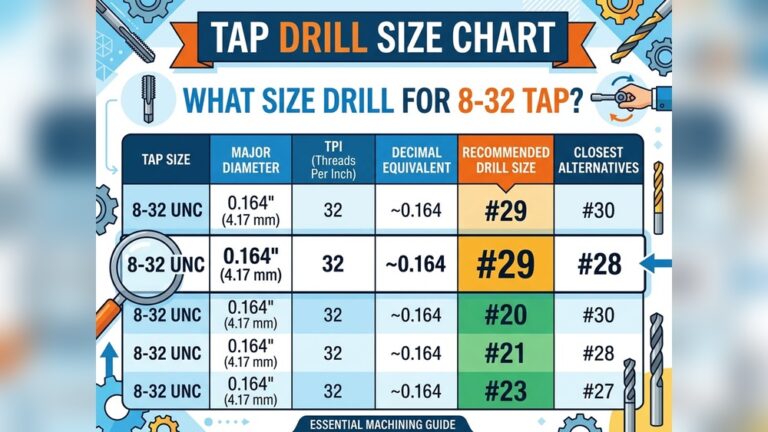
| Tap Size | Thread Pitch | Drill Bit (Letter/Number) | Drill Bit (Decimal) |
|---|---|---|---|
| 5/16-18 UNC | 18 TPI | F | 0.257″ |
| 5/16-24 UNF | 24 TPI | I | 0.272″ |
Pro Tip: Always double-check your tap’s thread pitch and match it to the correct drill size.
2. Material Considerations
The material you’re tapping into affects both your drill bit selection and tapping technique. Common materials include:
- Mild steel
- Stainless steel
- Aluminum
- Brass
- Plastics
Adjusting For Material Hardness
Harder materials like stainless steel require high-quality, sharp drill bits (preferably cobalt or carbide) and may benefit from a slightly larger pilot hole to reduce tap breakage. Softer materials, such as aluminum or plastics, can use standard high-speed steel (HSS) bits.
Lubrication And Cooling
Using cutting fluid or lubricant is essential, especially in metals. This reduces friction, lowers heat, and prolongs tool life. For example, tapping aluminum can be done dry, but tapping steel should always use a lubricant.
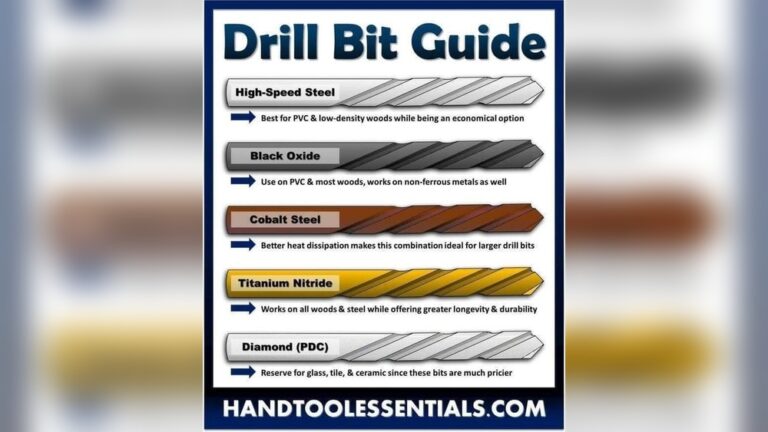
3. Drill Bit Material And Coating
The composition and coating of your drill bit matter for durability and performance.
Common Drill Bit Materials
- High-Speed Steel (HSS): Good for general use, affordable.
- Cobalt: Handles harder materials, more heat-resistant.
- Carbide: Extremely hard and long-lasting, best for production environments.
Coating Options
- Black oxide: Reduces friction, resists corrosion.
- Titanium nitride (TiN): Increases hardness and wear resistance.
- Cobalt alloy: Improves heat tolerance.
Choosing the right combination extends tool life and improves thread quality.
4. Tapping Technique And Preparation
Even with the right drill bit, poor tapping technique can ruin a project.
Marking And Center Punching
Accurately mark and center punch the hole location. This prevents the drill bit from wandering and ensures a straight, clean thread.
Drilling The Hole
Secure your workpiece and use a drill press if possible. For hand drilling, keep the drill perpendicular to the surface. Drill at a slow, steady speed to prevent overheating and bit dulling.
Tapping Best Practices
- Use the proper tap wrench for control.
- Apply consistent pressure and turn the tap slowly.
- Back out the tap every half-turn to clear chips.
- Use plenty of lubrication.
Following these steps reduces the risk of tap breakage and ensures sharp, accurate threads.
5. Thread Quality Verification
After tapping, it’s essential to verify the thread.
Visual And Physical Inspection
- Check for complete threads with no gaps or burrs.
- Ensure the tap runs freely through the hole.
- Test with a 5/16 bolt or thread gauge.
Measuring Thread Size
Use a caliper or thread gauge to confirm the internal diameter and thread pitch. If threads are too tight or loose, reassess your drill bit size and tapping process.
| Check | What to Look For | How to Fix Issues |
|---|---|---|
| Thread Fit | Bolt turns smoothly, no wobble | Re-tap or use correct drill size |
| Thread Finish | No burrs, clean profile | Deburr or use a sharper tap |
| Hole Alignment | Perpendicular to surface | Re-drill with guide or press |

Credit: www.amazon.com
Real-world Case Studies: Successes And Pitfalls
Learning from real examples can help you avoid costly mistakes when tapping 5/16 threads.
Example 1: Automotive Bracket Installation
A mechanic needed to attach a custom bracket to a steel frame using 5/16-18 bolts. Using an F size drill bit, they achieved a snug, secure thread fit. The bracket withstood repeated vibration and torque without loosening.
Key Takeaway: Using the recommended drill bit size and proper lubrication ensured a reliable, long-lasting connection.
Example 2: Tapping Aluminum For Electronics Housing
A DIY enthusiast tapped 5/16-24 holes in an aluminum enclosure. They used a standard HSS drill bit but skipped lubrication. The tap jammed, causing thread tearing. On a second attempt, using cutting oil and a Letter I bit, the tap moved smoothly, producing perfect threads.
Lesson Learned: Even soft materials benefit from lubrication, and matching the bit to the thread pitch prevents costly mistakes.
Example 3: Industrial Repair On Stainless Steel
A facility maintenance technician needed to re-tap a stripped 5/16-18 hole in a stainless steel plate. Using a cobalt F drill bit and ample lubricant, they avoided tap breakage and restored the thread’s holding power.
Pro Tip: For tough materials, use premium bits and never skip lubrication.
Comparison Of Drill Bit Types For Tapping 5/16
The choice of drill bit material can impact the quality and efficiency of your work. Here’s how common options compare for tapping 5/16 threads:
| Drill Bit Material | Durability | Best For | Cost |
|---|---|---|---|
| High-Speed Steel (HSS) | Good | Aluminum, mild steel, plastics | Low |
| Cobalt | Excellent | Stainless steel, hardened alloys | Medium |
| Carbide | Superior | Production, abrasive materials | High |
Example: In my experience, using cobalt bits for stainless steel has dramatically reduced the number of broken taps, especially on repeated jobs.
How Thread Pitch Influences Drill Bit Selection
Thread pitch is the number of threads per inch and directly affects the required drill bit size.
Unc Vs Unf Threads
- UNC (Coarse): Larger threads, deeper roots, better for softer materials.
- UNF (Fine): More threads per inch, better holding in thin materials.
As seen earlier, the drill bit for 5/16-18 UNC is F (0. 257″), while 5/16-24 UNF uses a Letter I (0. 272″).
Adjusting For Thread Engagement
Standard tap drill charts aim for about 75% thread engagement, a balance between holding power and ease of tapping. For softer materials, a slightly smaller bit can provide a tighter fit. For harder materials, a slightly larger bit reduces tap breakage risk.
Warning: Over-tight threads can strip easily, while loose threads won’t hold. Always stick close to recommended sizes unless you have a specific engineering reason to deviate.
Tap Drill Chart Reference
For quick reference:
| Tap Size | Thread Pitch | Recommended Drill Size | Thread Engagement (%) |
|---|---|---|---|
| 5/16-18 UNC | 18 TPI | F (0.257″) | ~75% |
| 5/16-24 UNF | Letter I (0.272″) | ~75% | ~75% |
For more details, consult resources like the Wikipedia Tap and Die Sizes page.
Factors Affecting Drill Bit Performance For 5/16 Tapping
Even with the ideal drill bit size, several factors influence your results.
Drill Speed And Feed Rate
- High speed can overheat the bit and workpiece, dulling the edge.
- Slow, steady feed allows better chip removal and a cleaner hole.
For steel, use 700, 1000 RPM for a 1/4″ to 5/16″ bit in a hand drill, but always adjust for your material.
Tool Maintenance
- Keep drill bits sharp, dull bits wander and create oversized holes.
- Clean bits after use to prevent rust or buildup.
Hole Depth And Bottoming
- For through-holes, drill slightly deeper than the tap length.
- For blind holes, account for tap lead-in and ensure enough clearance.
Chip Removal
Clear chips frequently to avoid clogging and breaking the tap. Spiral-flute taps are better for blind holes, as they lift chips out, while straight-flute taps are fine for through-holes.
Pro Tip: If tapping multiple holes, periodically remove the tap and clean the flutes for consistent results.
Step-by-step Guide: Drilling And Tapping For A 5/16 Thread
Follow these steps for the best results:
- Select the correct drill bit (F for 5/16-18, I for 5/16-24).
- Mark and center punch the hole location.
- Secure the workpiece using clamps or a vise.
- Drill the hole at a steady speed, perpendicular to the surface.
- Deburr the hole to remove sharp edges.
- Lubricate the tap and hole (especially in metals).
- Tap the hole slowly, backing out every half-turn to clear chips.
- Inspect threads for fit and finish.
- Clean up with compressed air or a brush.
Troubleshooting Common Problems
- Tap won’t start: Hole too small, or tap misaligned.
- Tap jams or breaks: Hole too small, hard material, or lack of lubrication.
- Threads strip: Hole too large or overtightening during assembly.
Example: Repair Scenario
A repair technician needed to re-tap a mounting hole in a mild steel bracket. Following the above steps with a high-speed steel F drill bit and proper cutting fluid, they restored the thread to full strength, saving the part and avoiding replacement costs.
Safety And Best Practices
Safety cannot be overstated when working with drills and taps.
Personal Protective Equipment (ppe)
- Wear safety glasses to protect from metal chips.
- Use gloves when handling sharp tools, but not when drilling (risk of entanglement).
- Keep loose clothing and hair away from rotating tools.
Machine Safety
- Always secure workpieces.
- Use a drill press for the most accurate, perpendicular holes.
- Keep hands clear of moving tools.
Tapping Lubricants
- Use cutting oils for steel and stainless.
- Light oil or WD-40 for aluminum.
- No lubricant for most plastics.
Warning: Never force a tap, stop and clear chips if resistance increases.
Frequently Asked Questions
What Happens If I Use The Wrong Drill Bit Size For A 5/16 Tap?
Using a drill bit that’s too small will result in excessive material removal during tapping, making it hard to turn and likely to break the tap. If the bit is too large, threads will be shallow and weak, potentially leading to stripped fasteners.
Always verify drill bit size before starting.
Can I Use A Metric Drill Bit For Tapping A 5/16 Thread?
Yes, but you need to match the closest metric equivalent. For a 5/16-18 tap, use a 6. 5 mm drill (0. 255″) if an F bit isn’t available. For 5/16-24, use a 6. 9 mm bit (0. 272″). However, slight variances can impact thread fit, so stick to the recommended sizes whenever possible.
How Can I Tell If My Tap Is Worn Out?
A worn tap will cut rough, incomplete threads and require more force to turn. You might notice chipped or rounded teeth. Replace taps at the first sign of wear to avoid damaging your workpiece or breaking the tool in the hole.
What’s The Best Way To Remove A Broken Tap?
Removing a broken tap can be challenging. Specialized tap extractors are available, and sometimes you can use a punch and hammer to back it out. For stubborn cases, EDM (Electrical Discharge Machining) is an option in professional shops. Avoid excessive force to prevent further damage.
Is It Safe To Tap Holes In Hardened Steel?
Tapping hardened steel is possible with the right tools: use cobalt or carbide taps and plenty of cutting fluid. Go slowly, use the correct drill size, and be prepared for increased tool wear. For extremely hard materials, consider thread milling or having a professional handle the job. For more on advanced techniques, see Machinery Lubrication.
Proper tapping is a skill that rewards attention to detail. By understanding the five essential elements, drill bit size, material considerations, bit composition, technique, and thread verification, you’ll produce strong, reliable threads in any project. Whether you’re fixing a machine, building a prototype, or maintaining equipment, these practices will save time, money, and frustration.
In my experience, those who invest in quality tools and follow best practices consistently achieve the best results.