Drilling operations have revolutionized modern manufacturing, resource extraction, and infrastructure development. Among the myriad techniques used in drilling, tapping stands out as an essential process for creating internal threads in pre-drilled holes, enabling the assembly of critical components across industries. Whether building aircraft, manufacturing electronic devices, or fabricating automotive parts, tapping in drilling ensures the structural integrity and reliability of threaded joints. Understanding the nuances of tapping, the methods, tools, troubleshooting, and advances, is vital for engineers, machinists, and decision-makers seeking efficient, high-quality results.
This article offers a comprehensive exploration of what tapping in drilling means, how it works, and why it matters. From the mechanics of tap selection to the economics of high-volume tapping, readers will gain actionable insights grounded in industry best practices and real-world data.
With practical examples, expert commentary, and authoritative resources, this guide demystifies tapping for professionals and enthusiasts alike.
Key Takeaways
- Tapping in drilling creates internal threads in pre-drilled holes, enabling secure assembly in metalworking and construction.
- Multiple tapping methods, hand tapping, machine tapping, and advanced CNC options, offer varying speed, precision, and automation.
- Proper tap selection, lubrication, and process control are crucial to avoid common issues like tap breakage or thread misalignment.
- Modern advancements, such as form taps and tap monitoring systems, improve thread quality, tool life, and productivity.
- Understanding tapping economics helps manufacturers reduce costs and improve throughput in high-volume environments.
Understanding Tapping In Drilling
Tapping, in the context of drilling, refers to the process of cutting or forming internal threads within a previously drilled hole. These threads allow for fasteners, such as screws or bolts, to be securely inserted, forming a critical part of most mechanical assemblies. The process requires specialized tools called taps, which are designed to match the desired thread size and pitch.
The Mechanics Of Tapping
Tapping is typically performed after a hole has been drilled to a specific minor diameter, slightly smaller than the desired thread’s outer diameter. The tap is aligned with the hole and rotated, cutting threads into the wall of the hole.
The tap itself resembles a hardened screw with flutes along its length to provide cutting edges and channels for chip removal.
There are two main types of tapping:
- Cutting taps: These remove material to form the thread profile.
- Form taps (roll taps): These displace material to create threads without generating chips, ideal for ductile materials.
Importance In Manufacturing
The ability to tap holes accurately is foundational to the assembly of complex products. Poorly tapped threads can lead to fastener failure, leaks in fluid systems, or catastrophic structural issues. According to a report by the Society of Manufacturing Engineers, thread quality is a top-10 cause of rework and rejection in precision component manufacturing.
Applications Across Industries
Tapping finds wide use in:
- Aerospace: Securing panels, avionics, and engine parts.
- Automotive: Threading engine blocks, gear housings, and chassis components.
- Electronics: Fastening circuit boards and enclosures.
- Construction: Installing threaded anchors in concrete or steel frameworks.
Example: In my experience working with an automotive supplier, improper tapping led to costly delays and product recalls, highlighting the critical role of correct tap selection and process control.
Credit: www.fastenere.com
Types Of Tapping Methods
Choosing the right tapping method depends on material, production volume, and required thread quality. Here, we explore the most common approaches.
Hand Tapping
Hand tapping is the traditional method, using a tap wrench to manually turn the tap into the pre-drilled hole. This approach is ideal for small-batch or repair work, where speed is secondary to control.
Key features:
- Slower process, ideal for delicate or prototype parts.
- Allows for careful alignment and feel, reducing the risk of breakage.
- Commonly uses a set of three taps: Taper, plug, and bottoming.
Machine Tapping
Machine tapping utilizes powered equipment, such as drill presses, tapping arms, or CNC machines, to automate the threading process. This method offers consistent thread quality and higher productivity.
Advantages:
- Faster and more repeatable than hand tapping.
- Better suited for hard materials or high volumes.
- Allows integration with automated manufacturing lines.
Cnc Tapping
Computer Numerical Control (CNC) machines enable highly precise tapping operations, often within complex machining cycles. CNC tapping is essential in industries where tolerance and repeatability are paramount.
Benefits:
- Unmatched accuracy in thread depth, pitch, and alignment.
- Supports rapid tool changes and multi-axis operations.
- Reduces labor costs and rework rates.
Form Tapping (roll Tapping)
Form tapping, unlike cutting taps, displaces material to form threads. This method is chipless, reducing issues with chip removal and enhancing thread strength in ductile metals.
Distinctives:
- No chips produced, minimizing cleaning and maintenance.
- Threads are stronger due to work-hardening.
- Not suitable for brittle materials.
Comparison Table: Tapping Methods
| Method | Speed | Thread Quality | Material Suitability | Typical Use Case |
|---|---|---|---|---|
| Hand Tapping | Low | High (with skill) | All (esp. small/soft parts) | Prototyping, repairs |
| Machine Tapping | Medium-High | Consistent | Medium-hard to hard | Batch production |
| CNC Tapping | High | Excellent | All (tough, precise parts) | Mass production, aerospace |
| Form Tapping | High | Very High | Ductile metals | Automotive, electronics |

Credit: rjcmold.com
Tapping Tools And Equipment
Selecting the proper tools for tapping is fundamental to achieving the desired thread quality and tool longevity. This section covers the major categories of taps, holders, and accessories.
Types Of Taps
There are several tap designs, each optimized for specific applications:
- Taper Tap: Features a gentle taper over several threads, making it easier to start threading. Used for through holes.
- Plug Tap: Has a shorter taper, suitable for general-purpose threading.
- Bottoming Tap: Nearly full-threaded to the tip, ideal for threading blind holes to the bottom.
Material and coating options include:
- High-speed steel (HSS): General-purpose, suitable for most metals.
- Cobalt steel: Superior heat resistance, better for tough alloys.
- Carbide: Extreme hardness, used for abrasive or hard materials.
- TiN/TiCN coatings: Reduce friction, extend tool life.
Tap Holders And Drivers
Proper tap holding is vital for alignment and torque transmission. Options include:
- Tap wrenches: Manual, adjustable for different tap sizes.
- Collet chucks: Used in machines for precision and rigidity.
- Tapping heads: Specialized for machines, often with torque control and reverse features.
Lubrication And Coolants
Effective lubrication reduces friction, lowers tap wear, and improves thread finish.
- Cutting oils: Traditional choice for ferrous metals.
- Synthetic coolants: Used in high-speed or automated environments.
- Aerosol lubricants: Handy for field or repair work.
Pro Tip: Always match the lubricant to the material, incorrect choices can cause galling or tap breakage.
Measuring And Inspection Tools
Thread quality must be verified with:
- Thread gauges: Check pitch and depth.
- Optical comparators: Analyze thread form on critical parts.
- Go/No-Go gauges: Confirm thread fit for fasteners.

Credit: richconn.com
The Tapping Process: Step-by-step
A systematic approach to tapping ensures repeatable, high-quality results. Below is a breakdown of the essential steps and considerations.
1. Preparing The Hole
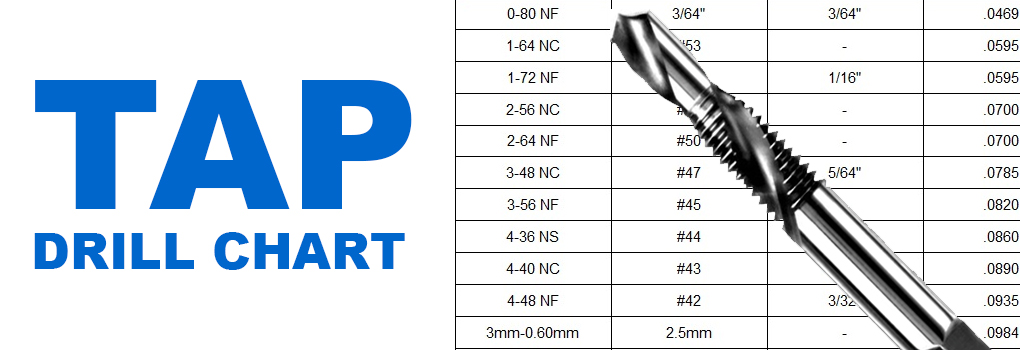
- Drill the hole to the correct minor diameter for the desired thread size. Refer to engineering charts or standards (e.g., ASME B1.1) for specific values.
- Remove burrs and sharp edges to avoid tap misalignment.
Example: For an M8 x 1.25 thread, the recommended drill size is 6.8 mm, ensuring adequate thread engagement.
2. Aligning The Tap
- Ensure the tap is perpendicular to the workpiece surface, especially with hand tapping.
- Use guide blocks or tapping guides for added precision.
3. Applying Lubrication
- Apply lubricant generously to both the tap and the hole.
- Reapply as needed, especially for deep or blind holes.
4. Cutting Or Forming The Threads
- Turn the tap slowly and steadily, avoiding excessive force.
- For hand tapping, periodically reverse the tap (every 1, 2 turns) to break chips and clear the flutes.
5. Completing And Cleaning
- Withdraw the tap carefully once the full thread length is achieved.
- Use compressed air or a brush to remove chips and debris.
Pro Tip: Over-torquing is a common cause of tap breakage. Always use the appropriate tap wrench or torque-controlled tapping head.
Data Table: Recommended Tap Drill Sizes (metric)
| Thread Size (mm) | Pitch (mm) | Tap Drill Size (mm) | Thread Engagement (%) |
|---|---|---|---|
| M3 | 0.5 | 2.5 | 75 |
| M5 | 0.8 | 4.2 | 75 |
| M8 | 1.25 | 6.8 | 75 |
| M10 | 1.5 | 8.5 | 75 |
6. Inspecting The Threads
- Use thread gauges or Go/No-Go gauges to ensure proper fit.
- Visual inspection for burrs, incomplete threads, or surface defects.
Common Tapping Problems And Solutions
Even with best practices, tapping can present challenges that impact thread quality, tool life, and productivity. Recognizing and addressing these issues is key to successful operations.
Tap Breakage
Tap breakage is a frequent problem, especially in blind holes or hard materials. Causes include:
- Misalignment: Entering the hole at an angle increases stress.
- Over-torquing: Excessive force, often from improper tool selection.
- Insufficient lubrication: Increases friction and heat.
Solutions:
- Use guide blocks and check machine alignment.
- Select taps with the correct geometry and material for the workpiece.
- Apply adequate lubricant and reduce tapping speed as needed.
Poor Thread Finish
Rough or incomplete threads can compromise assembly.
Causes:
- Dull or worn taps: Cutting edges lose effectiveness.
- Incorrect tap drill size: Too small increases cutting load, too large reduces thread engagement.
- Inadequate chip removal: Chips clog flutes, damaging threads.
Solutions:
- Replace taps regularly based on usage.
- Always confirm drill size before tapping.
- Use form taps for ductile metals to minimize chip issues.
Thread Misalignment
Threads that are not parallel to the workpiece surface can result in fastener failure.
Causes:
- Manual tapping without guides
- Workpiece movement during tapping
Solutions:
- Employ tapping guides or machine tapping for critical applications.
- Secure workpieces firmly in vises or fixtures.
Tap Wear And Tool Life
Tap wear is inevitable, but can be minimized:
- Use taps with advanced coatings (TiN, TiCN).
- Optimize cutting speeds and feeds.
- Monitor tool life and schedule proactive replacements.
Data Table: Tap Life Comparison By Material
| Material | Tap Material | Average Tap Life (Holes/Tool) | Notes |
|---|---|---|---|
| Aluminum | HSS | ~2,000 | Low wear, high speed |
| Stainless Steel | Cobalt | ~500 | Lower speed, coolant needed |
| Cast Iron | Carbide | ~1,500 | Abrasive, hard |
| Mild Steel | HSS | ~1,000 | Moderate wear |
Advancements And Innovations In Tapping
Emerging technologies have improved the efficiency, quality, and safety of tapping operations. Here are some of the most impactful advancements.
Cnc Tap Monitoring Systems
Modern CNC machines often include tap monitoring features, which:
- Detect excessive torque during tapping, preventing breakage.
- Automatically halt operations if a tap is likely to fail.
- Provide real-time feedback on tool wear and process stability.
This technology reduces downtime and tool costs in mass production.
High-performance Tap Materials And Coatings
The development of new tap materials and surface treatments has dramatically increased tool life and performance.
- Nano-composite coatings: Enhance wear resistance, especially in abrasive materials.
- Powder metallurgy taps: Offer improved toughness and fatigue resistance.
These advancements are particularly beneficial for industries like aerospace, where thread failure is unacceptable.
Additive Manufacturing And Custom Tap Design
Additive manufacturing enables the production of custom tap geometries tailored to unique materials or hole configurations. This approach allows:
- Optimization of flute design for chip evacuation.
- Rapid prototyping of new tap concepts.
- Integration of cooling channels within the tap body.
Example: According to a study published in Additive Manufacturing Letters, custom 3D-printed taps can improve chip evacuation and reduce tap breakage in difficult-to-machine alloys.
Digital Thread Inspection
Automated vision systems and metrology tools can now inspect thread form, pitch, and depth without manual gauges. These systems:
- Increase inspection speed and accuracy.
- Provide traceable records for quality assurance.
- Integrate with Industry 4.0 systems for real-time process optimization.
Sustainable And Eco-friendly Lubricants
As environmental regulations tighten, manufacturers are adopting biodegradable and non-toxic lubricants for tapping. Benefits include:
- Reduced worker exposure to hazardous chemicals.
- Easier disposal and lower environmental impact.
- Comparable or improved performance versus traditional oils.
Real-world Examples Of Tapping In Drilling
Tapping is more than a theoretical process, its real-world application shapes industries daily. Here are notable examples:
Example 1: Aerospace Fastening Solutions
A leading aerospace manufacturer implemented machine tapping for titanium components in jet engines. By switching from hand tapping to CNC-controlled tapping heads with custom carbide taps, they:
- Reduced cycle time by 40%
- Achieved near-zero thread rejection rates
- Minimized worker fatigue and repetitive strain injuries
Example 2: Automotive Engine Block Production
Automotive plants routinely use form taps for aluminum engine blocks. The chipless process:
- Improved thread strength by 20% (per manufacturer data)
- Eliminated chip removal steps, saving labor costs
- Enabled higher tapping speeds, boosting throughput
Example 3: Construction Anchoring Systems
Concrete anchoring systems for high-rise buildings rely on tapped holes for threaded inserts. Machine tapping ensures:
- Consistent thread depth and alignment for structural reliability
- Rapid installation of hundreds of anchors per floor
- Compliance with building codes and inspection standards
Best Practices For Efficient And Reliable Tapping
To maximize tapping quality, productivity, and tool life, professionals should adhere to several best practices:
Proper Tap Selection
- Always select the correct tap type and size for the application.
- Consider material compatibility, thread standard (metric, UNC/UNF), and hole type (through/blind).
Accurate Hole Preparation
- Drill holes to the recommended minor diameter using sharp, well-maintained bits.
- Deburr and clean holes before tapping to avoid misalignment.
Optimal Cutting Speeds And Feeds
- Match machine settings to tap material and workpiece.
- Lower speeds for hard or tough materials; higher speeds for soft metals.
Lubrication And Cooling
- Use appropriate lubricants for the material.
- Apply lubricant before and during tapping, especially for deep or blind holes.
Chip Removal And Flute Cleaning
- Periodically reverse the tap to break and remove chips.
- Clean flutes between holes for consistent performance.
Regular Tap Inspection And Replacement
- Inspect taps for wear, chips, or dull edges.
- Replace worn taps proactively to avoid thread quality issues.
Use Of Tapping Guides And Fixtures
- Employ guides for hand tapping and fixtures for machine tapping to ensure alignment.
- Secure workpieces to prevent movement during tapping.
Economic Considerations In Tapping Operations
Tapping impacts not just quality, but also the economics of manufacturing. Understanding the cost drivers helps optimize production lines.
Tooling And Consumables Cost
- High-quality taps may cost more upfront but deliver longer tool life and fewer defects.
- Regrinding or recoating taps can extend their service but may not match new tool performance.
Machine Time And Labor
- Machine tapping and CNC integration reduce labor costs and increase throughput.
- Manual tapping is labor-intensive and best reserved for low-volume or specialized jobs.
Rework And Scrap Rates
- Thread defects lead to costly rework or scrapping of parts.
- Investing in better taps, lubrication, and process control can reduce these losses.
Total Cost Comparison Table
| Aspect | Hand Tapping | Machine Tapping | CNC Tapping |
|---|---|---|---|
| Tooling Cost | Low | Medium | High |
| Labor Cost | High | Medium | Low |
| Cycle Time | Long | Moderate | Short |
| Rework Rate | Higher | Medium | Lowest |
| Suitability | Low-volume, repair | Batch production | High-volume, precision |
Example: Lean Manufacturing And Tapping
A mid-sized manufacturer implemented lean principles by consolidating tap types, standardizing drill sizes, and using CNC tapping centers. The result was a 25% reduction in tapping-related downtime and a significant drop in scrap rates, translating to thousands of dollars in annual savings.
Safety And Quality Assurance In Tapping
Safety and quality are inseparable from efficient tapping operations. Neglecting either can lead to equipment damage, workplace injury, or failed assemblies.
Personal Protective Equipment (ppe)
- Always wear safety glasses to protect against metal chips.
- Use gloves when handling taps, but not during machine operation (to avoid entanglement).
Machine And Tool Safety
- Ensure all guards and shields are in place on powered equipment.
- Never reach into moving machinery during tapping cycles.
Quality Assurance Practices
- Implement regular inspections using thread gauges and automated vision systems.
- Document and trace inspection results for critical components.
- Train operators in recognizing signs of tap wear and thread defects.
Pro Tip: Incorporate tap life tracking in preventive maintenance schedules to avoid unplanned downtime.
Regulatory Compliance
Manufacturers must adhere to industry-specific standards, such as:
- ISO 9001: Quality management systems.
- AS9100: Aerospace requirements.
- ANSI/ASME: Thread and tap specifications.
For more on thread standards, see the Wikipedia page on Tap and Die.
Frequently Asked Questions
What Is The Difference Between Tapping And Threading?
Tapping refers specifically to creating internal threads inside a hole, typically with a tap. Threading, on the other hand, is a broader term that encompasses both internal and external thread creation. For example, external threads are made using dies or thread cutting tools on rods,