When you walk into a hardware store, the variety of drill bits on display can be overwhelming. Two names you’re likely to see, especially if you’re considering quality and performance, are Dewalt Black and Gold drill bits and Dewalt Titanium drill bits. Both are popular, both carry the trusted Dewalt brand, but they serve slightly different purposes. If you’re a DIYer, a tradesperson, or even just someone who wants the best tools for home repairs, knowing the right choice can save you money, time, and frustration.
This article is your detailed guide to understanding the real differences between Dewalt Black and Gold vs Titanium drill bits. We’ll look at how they’re made, what materials they work best with, their durability, price differences, and even what mistakes beginners usually make when choosing between them.
By the end, you’ll feel confident knowing which set to buy for your next project, and why.
What Are Dewalt Black And Gold Drill Bits?
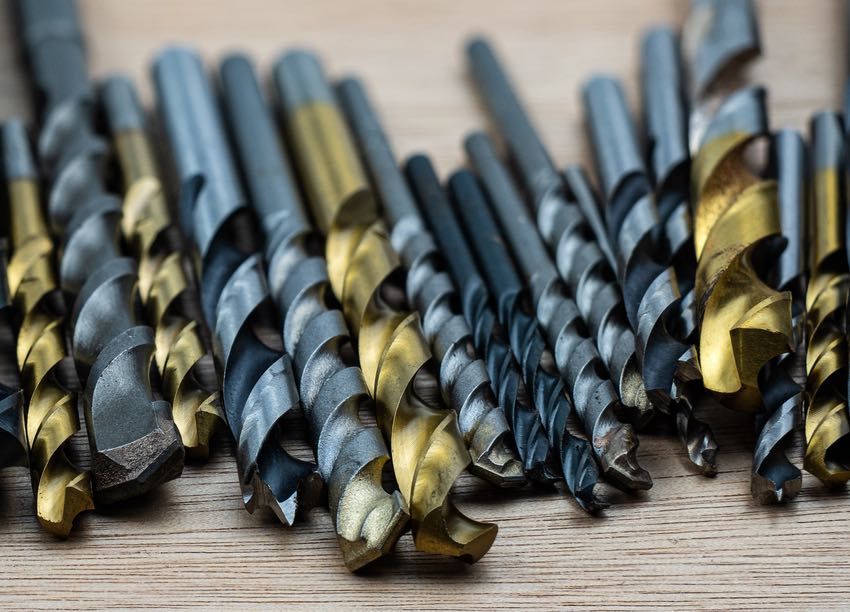
Dewalt Black and Gold drill bits are known for their high-speed steel (HSS) core and a special black and gold oxide finish. This finish gives them their unique appearance, but it’s not just for looks. The oxide layer helps protect the bits from rust and increases their overall durability.
These bits are designed for:
- Drilling into wood
- Working with plastic
- Handling most metals (except the hardest ones)
The black and gold coating is created through a heat-treatment process. This process not only colors the bit but also helps harden the steel. Dewalt’s version is popular because it combines a classic design with modern manufacturing for better reliability.
Key features:
- HSS core for good strength
- Oxide coating for rust resistance
- Standard 135° split point tip for quick starts and less walking
What Are Dewalt Titanium Drill Bits?
Dewalt Titanium drill bits are also made from high-speed steel, but they add a layer of titanium nitride coating. This thin gold-colored layer is much harder than oxide coatings, making titanium bits last longer, especially when drilling metal.
Titanium bits are often chosen for:
- Metal drilling (mild steel, aluminum, copper)
- Woodworking
- Plastic projects
The titanium nitride coating reduces friction, which means less heat is generated during use. Less heat means the bit stays sharp longer and resists wear and tear better.
Key features:
- Titanium nitride coating for extra hardness
- Higher resistance to heat
- Same 135° split point as black and gold for easy starts
How Are They Made? (manufacturing Process)
Understanding how these bits are made helps explain their differences. Both types start with a high-speed steel rod. The rod is cut and shaped into the bit’s design using precision machines.
For Black and Gold bits, the shaped bit is heat-treated, then covered in a black oxide layer. After that, a gold oxide finish is applied, giving it the two-tone look.
For Titanium bits, the process is similar up to heat treatment. Instead of oxide, a very thin titanium nitride layer is bonded to the bit’s surface using a process called Physical Vapor Deposition (PVD). This layer is only a few microns thick but extremely hard.
Non-obvious insight: The coating on titanium bits is much harder but much thinner than black and gold oxide. Once the coating wears off, you’re left with normal HSS underneath.
Performance On Different Materials
Choosing the right drill bit depends on what you’ll be drilling. Below is a comparison of how each type performs on common materials.
| Material | Black and Gold Bits | Titanium Bits |
|---|---|---|
| Wood | Excellent | Excellent |
| Plastic | Excellent | Excellent |
| Mild Steel | Good | Very Good |
| Stainless Steel | Poor | Fair (not recommended for heavy use) |
| Aluminum | Good | Very Good |
| Hardened Steel | Not suitable | Not suitable |
Key takeaway: For most home users working with wood, plastic, or mild metals, both sets are fine. For frequent metalwork, titanium is better.
Durability And Longevity
One of the biggest questions is: Which bit lasts longer? The answer depends on what you drill and how you use your bits.
- Black and Gold bits: The oxide coating protects from rust and helps a bit with wear, but it’s not very hard. With regular use on wood or plastic, these can last years. On metal, they dull faster.
- Titanium bits: The titanium nitride coating is much harder, so the bit stays sharper longer, especially on metal. If you mainly drill into wood, you might not notice much difference, but with steel or aluminum, titanium bits can last 2 to 3 times longer.
Non-obvious insight: The titanium nitride coating does NOT go all the way through the bit—it’s only on the outside. If you sharpen your bits, you’ll lose the coating, and the bit will perform like regular HSS.
Cost And Value
Price often plays a big role in choosing drill bits. Titanium bits usually cost more than black and gold, but do they give better value?
Here’s an example price comparison (prices can change based on region and store):
| Drill Bit Set | Average Price (USD) | Number of Pieces |
|---|---|---|
| Dewalt Black and Gold | $18 – $25 | 14 |
| Dewalt Titanium | $22 – $35 | 14 |
Black and gold is cheaper up front, but titanium might last longer if you drill metal often. If you mostly work with wood or plastic, the extra cost for titanium isn’t always worth it.
Common Uses For Each Type
When should you choose one over the other? Let’s look at typical situations.
When To Use Black And Gold Drill Bits
- General home repairs: Hanging shelves, fixing furniture, simple DIY tasks.
- Woodworking projects: Making holes in pine, oak, or plywood.
- Plastic work: Drilling plastic boxes, panels, or containers.
- Occasional metal drilling: Thin sheet metal or mild steel, not heavy-duty.
When To Use Titanium Drill Bits
- Frequent metalworking: Building projects with steel, aluminum, or copper.
- Longer bit life needed: If you dislike changing or sharpening bits.
- Contractor/trade use: Daily drilling tasks in tough materials.
- Drilling a variety of materials: From wood to metal, without changing bits.
Practical tip: If you’re drilling stainless steel or hardened steel, you need cobalt or carbide bits, not black and gold or titanium.
Real-world User Experiences
What do people who actually use these bits say? Looking at reviews and forums, you’ll find some common themes:
- Black and gold bits: Users like their value for money and reliability for wood and plastic. Some complain about dulling fast when used on thick metal.
- Titanium bits: Users say they stay sharp longer on metals and are less likely to break. Some mention the coating can wear off if misused.
Beginner mistake: Many new users don’t use cutting oil or coolant when drilling metal. This causes even titanium bits to heat up and dull quickly. Always use a lubricant and drill at the correct speed for the material.
Design And Tip Shape
Both Dewalt Black and Gold and Titanium bits use a 135° split point tip. This design has two advantages:
- Self-centering: Less likely to walk or slip on the surface.
- Easier starts: No need to make a pilot dent with a punch.
The flutes (spiral grooves) are similar on both types, designed to clear chips efficiently. However, titanium bits sometimes have a slightly brighter finish and are smoother to the touch.
Compatibility With Drills
Both bit types fit standard 3/8-inch and 1/2-inch chucks, found on most home drills. Some sets have hex shanks for quick-change impact drivers. If you use a cordless drill, either type is fine. For a drill press, both also work well.
Pro tip: For repeated drilling or larger holes, always check if your bit is getting hot—this reduces the risk of losing the coating on titanium bits.

Credit: www.reddit.com
Sharpening And Reuse
Can you sharpen these bits? Yes, but with a warning.
- Black and gold bits: Can be sharpened multiple times using a bench grinder or sharpening tool.
- Titanium bits: After sharpening, you lose the titanium coating on the tip, so the bit will perform like a regular HSS bit.
If you want to keep the benefits of the coating, it’s better to buy new bits instead of sharpening titanium ones. For black and gold, sharpening is a good way to extend life.
Rust Resistance
The oxide coating on black and gold bits is mainly for rust prevention. It’s not as hard as titanium, but it helps in humid environments. Titanium nitride coating also protects against rust, but its main purpose is to improve hardness and reduce friction.
Important note: Always dry your bits after use and store them in a dry place to prevent rust, no matter the coating.
Environmental And Safety Factors
Both types are safe for home use if you follow basic safety rules:
- Wear eye protection.
- Clamp your workpiece.
- Use the right speed for the material.
Disposal is similar for both, as they’re mostly steel. If a bit breaks, collect the pieces to avoid injury.
Availability And Set Options
Dewalt offers both types in various sets, from small 14-piece sets to large 50+ piece kits. Titanium sets are sometimes harder to find in small local stores, while black and gold are widely available.
Pro tip: For most homeowners, a 14- to 21-piece set covers all basic needs. If you do a lot of work with metal, consider a larger titanium set.
Credit: www.protoolreviews.com
Which One Should You Buy?
Let’s break it down simply:
- For wood and plastic: Black and gold are great. They’re affordable and reliable.
- For frequent metal drilling: Titanium is the better investment.
- For mixed use (wood, metal, plastic): Titanium gives more flexibility.
- On a budget: Black and gold is a smart choice.
Common mistake: Many people buy the most expensive set thinking it’s always better. In reality, the best bit is the one that matches your material and usage.
Expert Recommendations
Most professionals recommend titanium if you plan to drill a lot of metal. For general home tasks, black and gold are often enough. If you’re just starting, don’t overbuy—get a medium-sized set, see what you actually use, and upgrade only if needed.
If you need to drill hard steel or concrete, you’ll need different bits entirely, such as cobalt or masonry bits.

Credit: simpleweld.com
Maintenance Tips
To get the best life out of your bits:
- Use the right speed: High speed for wood, slow speed for metal.
- Cool with oil: Especially for metal, use cutting oil or a drop of motor oil.
- Don’t force the bit: Let the bit do the work. Too much pressure causes heat and dulling.
- Clean after use: Wipe off dust and oil to prevent rust.
- Store properly: Keep in a dry case or toolbox.
How To Tell When A Bit Is Worn Out
Signs your drill bit needs replacing:
- Squealing sound during drilling
- Burn marks on wood or metal
- Slow progress even with pressure
- Rough holes or torn edges
If you notice these, it’s time to sharpen or replace the bit.
Comparing With Other Coatings (cobalt, Carbide)
Titanium and black and gold are not the only options. For more demanding jobs:
- Cobalt bits: Best for stainless steel and hardened metals. More expensive, but last longer.
- Carbide bits: Used for masonry or extremely hard materials. Not for home use unless you work with concrete or tiles.
For most users, titanium and black and gold cover 90% of home and DIY needs.
Environmental Impact
Both types are made from steel, a recyclable material. Titanium nitride coating uses less energy to produce than solid titanium, but both are considered safe for the environment when disposed of properly. Always recycle worn-out bits if possible.
Practical Buying Advice
- Buy only what you need: Large sets look appealing, but most people use just a few sizes.
- Check for damaged bits: Before buying, inspect for chips or uneven tips.
- Avoid sets with mixed low-quality bits: Stick with known brands like Dewalt for consistent quality.
- Watch for sales: Good deals often appear during holidays or clearance events.
For more details on different drill bit coatings and their uses, you can check out this comprehensive guide on drill bits.
Frequently Asked Questions
What Is The Main Difference Between Dewalt Black And Gold And Titanium Drill Bits?
The main difference is the coating. Black and gold bits use a black and gold oxide layer for rust resistance, while titanium bits use a titanium nitride layer that is harder and more wear-resistant, especially for metal drilling.
Can I Use Dewalt Titanium Drill Bits On Wood?
Yes, titanium bits work well on wood, plastic, and metal. The titanium coating helps them last longer, even when used on softer materials.
Are Titanium Drill Bits Worth The Extra Cost For Home Use?
If you drill metal often, the extra cost is worth it. For mostly wood or plastic, black and gold bits are usually enough and more budget-friendly.
Can You Sharpen Dewalt Titanium Drill Bits?
You can, but once you sharpen the tip, you remove the titanium coating. After sharpening, the bit will perform like a regular high-speed steel bit.
Which Dewalt Drill Bit Set Is Best For Beginners?
A medium-sized black and gold set (14 to 21 pieces) is a good start for most beginners. If you plan to drill lots of metal, consider a small titanium set.
—
Choosing the right drill bit is not just about buying the most expensive or the newest set. Think about what you’ll be drilling most often. Dewalt black and gold and titanium bits both have a place in your toolbox, but knowing when to use each will make your work easier, safer, and more efficient.
With this guide, you should feel ready to make the best choice for your next project.