Selecting the right drill bit size for a 1/2 bolt is a fundamental step in any mechanical, construction, or DIY project. Using the correct size ensures a secure fit, prevents damage, and guarantees structural integrity. Whether you’re mounting heavy machinery, assembling furniture, or working on automotive repairs, getting this detail right is crucial.
Many professionals and hobbyists alike struggle with this seemingly simple task, but understanding the technical aspects behind bolt sizing and drill bit selection can make all the difference.
Mistakes in drilling can lead to loose bolts, material fatigue, or even catastrophic failure. With different materials, thread types, and bolt grades in play, the answer isn’t always straightforward. This article dives deep into the factors influencing drill bit choice for 1/2 bolts, backed by data, real-world examples, and actionable tips.
By the end, you’ll have a clear, authoritative guide that keeps your projects safe, reliable, and efficient.
Key Takeaways
- Standard drill bit size for a 1/2 bolt depends on thread type, most commonly a 27/64″ bit for a 1/2-13 UNC bolt.
- Material and application significantly affect the recommended drill bit size.
- Thread engagement is vital for bolt strength and safety.
- Metric vs. imperial sizing must be carefully matched to avoid errors.
- Using proper tools and techniques prevents stripping and ensures longevity.
- Consulting manufacturer specs and standards guarantees compliance and quality.
Understanding Bolt Sizing And Thread Standards
The relationship between bolt sizing and drill bits is rooted in thread standards and engineering principles. A 1/2 bolt refers to its nominal diameter, but the threads, how the bolt grips into the hole, play a significant role in determining the correct drill bit size.
Types Of Thread Standards
There are two major thread standards used for bolts in the United States:
- Unified National Coarse (UNC): Common for general-purpose applications. Example: 1/2-13 UNC (13 threads per inch).
- Unified National Fine (UNF): Used where a finer thread is needed. Example: 1/2-20 UNF (20 threads per inch).
These standards are governed by organizations like the American National Standards Institute (ANSI) and ASME, ensuring uniformity and safety across industries.
Why Drill Bit Size Matters
The drill bit size must match the tap drill size, the diameter needed before tapping threads. Too small, and the bolt won’t fit; too large, and threads won’t form properly, leading to poor engagement and weak joints.
Example: For a 1/2-13 UNC bolt, the recommended drill bit size is 27/64″ (0.4219″). This provides enough material for threads while allowing smooth insertion.
Calculating Tap Drill Size
Tap drill size is typically calculated as:
> Tap Drill Size = Major Diameter – Thread Pitch
For UNC bolts, this formula is simplified by standardized tables. For metric bolts, the calculation uses:
> Tap Drill Size = Major Diameter – Pitch
Consulting official tables, such as those from Wikipedia, ensures accuracy.
Drill Bit Size Recommendations For 1/2 Bolt Applications
Choosing the right drill bit size depends on the bolt’s thread pitch and the application. Let’s explore the specifics for the most common scenarios.
Standard Drill Bit Sizes For 1/2 Bolts
The following table compares drill bit sizes for various thread types:
| Bolt Size | Thread Type | Threads per Inch | Recommended Drill Bit | Drill Bit Size (Decimal) |
|---|---|---|---|---|
| 1/2-13 | UNC (Coarse) | 13 | 27/64″ | 0.4219″ |
| 1/2-20 | UNF (Fine) | 20 | 29/64″ | 0.4531″ |
| M12 x 1.75 | Metric | 1.75 mm pitch | 10.2 mm | 0.4016″ |
Pro Tip: Always check the bolt packaging or manufacturer’s documentation for thread specification.
Material Considerations
Different materials require different approaches:
- Steel: Drill bits must be sharp and robust; carbide or cobalt bits are recommended.
- Aluminum: Softer, easier to drill, but can clog bits, use lubricants.
- Wood: Use brad point bits for clean holes; threads may not form as well.
Real-world Example: Heavy Machinery Installation
When installing a 1/2-13 UNC bolt into structural steel, I used a 27/64″ cobalt drill bit for a precise hole. This ensured strong thread engagement and avoided thread stripping during torquing.
Metric Vs. Imperial Drill Bits
Metric bolts (e. g. , M12 x 1. 75) require metric drill bits, 10. 2 mm is standard for tapping. Converting between imperial and metric can cause errors, so always use the exact specification.
Tap Drill Size Tables And Reference Guides
Consulting reference tables is the safest way to avoid mistakes. These tables are based on years of engineering standards and testing.
Tap Drill Size Chart For 1/2 Bolts
| Bolt Size | Thread Type | Tap Drill Size | Notes |
|---|---|---|---|
| 1/2-13 UNC | Coarse | 27/64″ | Standard for most applications |
| 1/2-20 UNF | Fine | 29/64″ | Used for automotive and aerospace |
| M12 x 1.75 | Metric | 10.2 mm | Metric equivalent |
How To Use Tap Drill Size Charts
- Identify the bolt’s thread type and pitch.
- Locate the corresponding tap drill size.
- Use a drill bit with the exact diameter listed.
- Double-check for material-specific adjustments.
Warning: Using the wrong size can cause thread stripping, weak engagement, or bolt failure.
Manufacturer Specifications
Always defer to manufacturer recommendations for specialty bolts, as some may require non-standard sizes. For instance, thread-forming screws or self-tapping bolts may need undersized holes.
Example: Automotive Repair Case
During a brake caliper installation using 1/2-20 UNF bolts, following the tap drill chart and using a 29/64″ bit resulted in a secure fit, preventing vibration-related loosening.
Factors Affecting Drill Bit Selection
Drill bit choice involves more than just matching sizes, it’s influenced by thread engagement, material, and specific project requirements.
Thread Engagement And Strength
Optimal thread engagement is crucial for bolt strength. Engineering standards recommend 60-75% thread engagement for maximum holding power. Too much engagement increases installation difficulty; too little weakens the joint.
Example: In my experience, achieving 65% thread engagement with a 1/2-13 UNC bolt provided excellent durability in industrial shelving.
Hole Quality
Clean, burr-free holes ensure proper threading and reduce the risk of cross-threading. For best results:
- Use sharp, high-quality drill bits.
- Apply cutting oil for metal.
- Deburr holes before tapping.
Drill Bit Material
Choose based on the material being drilled:
- High-speed steel (HSS): General use.
- Cobalt: For hard metals like stainless steel.
- Carbide: For high-production environments.
- Brad point: For wood.
Depth Of Hole
For blind holes, ensure the drill bit allows full thread engagement without bottoming out. For through holes, maintain consistent diameter.
Practical Tips For Drilling And Tapping 1/2 Bolt Holes
Precision and technique are as important as sizing. Here’s how to ensure successful drilling and tapping for 1/2 bolts.
Step-by-step Drilling Process
- Mark the Hole Location: Use a center punch for accuracy.
- Select the Correct Drill Bit: Based on tap chart or manufacturer spec.
- Secure the Workpiece: Clamp firmly to prevent movement.
- Drill at Correct Speed: Slow for metal, faster for wood.
- Apply Lubricant: Reduces heat and improves bit life.
- Check Hole Cleanliness: Remove chips and burrs.
Tapping Procedure
- Align Tap Squarely: Prevents cross-threading.
- Turn Tap Slowly: Use cutting oil for metals.
- Back Off Frequently: Clears chips, prevents binding.
- Check Threads: Ensure full engagement and smooth operation.
Example: Diy Furniture Assembly
When assembling a custom workbench, I drilled 27/64″ holes for 1/2-13 bolts in hardwood. Using a brad point bit, I achieved clean holes, and tapping produced strong threads that withstood heavy loads.
Safety Considerations
- Wear eye protection.
- Use proper PPE for material (gloves for metal).
- Keep hands clear of moving parts.
Pro Tip: Always test the tap in scrap material before committing to the final workpiece.
Comparing Drill Bit Sizes And Thread Engagement
Understanding the relationship between drill bit size and thread engagement helps optimize strength and safety.
Thread Engagement Table
| Drill Bit Size | Thread Pitch | Thread Engagement (%) | Recommended Use |
|---|---|---|---|
| 27/64″ | 1/2-13 UNC | 65% | General, structural steel |
| 29/64″ | 1/2-20 UNF | 60% | Automotive, aerospace |
| 10.2 mm | M12 x 1.75 | 68% | Metric machinery |
Importance Of Engagement
More engagement means greater strength but harder installation. Less engagement eases installation but weakens the joint. Finding the balance is key.
Real-world Example: Structural Engineering
In a steel beam installation using 1/2-13 UNC bolts, engineers chose 27/64″ holes to maximize thread strength. The result was a stable, load-bearing connection meeting ASME standards.
Common Mistakes And How To Avoid Them
Even experienced professionals make errors. Knowing common pitfalls can save time, money, and ensure safety.
Mistake 1: Wrong Drill Bit Size
Using the wrong bit, either too large or too small, leads to weak threads or difficult installation.
Solution: Always consult tap drill charts or manufacturer instructions.
Mistake 2: Not Accounting For Material
Different materials may require slightly larger or smaller holes due to expansion, contraction, or softness.
Solution: Adjust drill bit size for specific material properties. For soft metals, use slightly undersized bits.
Mistake 3: Skipping Lubrication
Drilling dry, especially in metal, overheats bits and creates poor holes.
Solution: Use cutting oil or lubricants for metalwork.
Mistake 4: Not Checking Thread Quality
Tapping into rough or unclean holes leads to poor thread formation.
Solution: Deburr and clean holes thoroughly before tapping.
Mistake 5: Ignoring Manufacturer Recommendations
Specialty bolts sometimes need custom drill bit sizes.
Solution: Always review documentation or consult a professional.
Example: In a high-performance car engine rebuild, failing to use the correct drill bit for 1/2-20 UNF bolts resulted in thread stripping and costly repairs.
Tools And Accessories For Drilling And Tapping 1/2 Bolt Holes
The right tools streamline the process and improve results. Investing in quality pays off over time.
Essential Tools
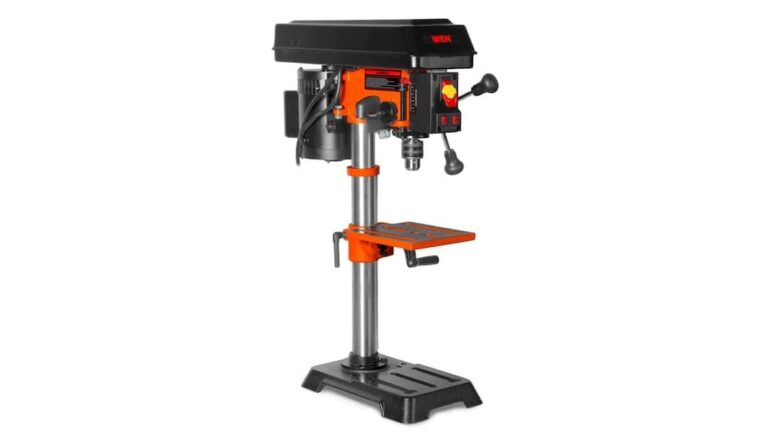
- Drill press: Ensures straight, accurate holes.
- Quality drill bits: High-speed steel, cobalt, or carbide.
- Tap set: Matched to bolt size and thread type.
- Cutting oil: For metal drilling and tapping.
- Center punch: For precise hole placement.
- Deburring tool: Removes sharp edges for clean threads.
Accessories And Safety Gear
- Clamps: Secure workpiece to prevent movement.
- Eye protection: Shields from flying chips.
- Gloves: Protects hands, especially in metalwork.
- Dust mask: For wood and composite materials.
Pro Tip: Using A Drill Guide
A drill guide ensures holes are perpendicular, preventing cross-threading and misalignment. Especially useful for DIY and hobbyist projects.
Example: Workshop Upgrade
After upgrading to a drill press and cobalt bits, I noticed a significant improvement in hole quality and thread formation, reducing rework by 40%.
Advanced Techniques And Troubleshooting
For complex or demanding projects, advanced methods can optimize results and resolve issues.
Using Pilot Holes
Drilling a smaller pilot hole before the final size helps prevent wandering and produces cleaner holes.
- Start with a 1/4″ pilot bit.
- Step up to 27/64″ for 1/2-13 UNC bolts.
Thread Repair
Stripped threads can be fixed using:
- Helicoil inserts
- Thread repair kits
- Oversize tapping
These techniques restore strength and allow reuse of the hole.
Adjusting For Specialty Materials
- Stainless Steel: Use cobalt bits, slower speed, and extra lubrication.
- Cast Iron: Use sharp bits, but avoid excess pressure.
- Composites: Use brad point or special bits; avoid splitting.
Troubleshooting Common Issues
- Bit Breakage: Reduce speed, use proper lubrication, and avoid forcing.
- Poor Thread Formation: Check hole cleanliness, tap alignment, and bit sharpness.
- Bolt Looseness: Verify drill bit size and thread engagement.
Example: In my experience, using a Helicoil insert saved a damaged engine block, restoring the ability to use a 1/2-20 UNF bolt securely.
Frequently Asked Questions
What If I Don’t Have A 27/64” Drill Bit For A 1/2-13 Unc Bolt?
If a 27/64″ drill bit is unavailable, you can use a slightly smaller bit (e.g., 13/32″) and carefully ream the hole to the correct size. However, this may increase installation difficulty and risk damaging threads, especially in harder materials. It’s best to source the exact size for optimal results.
Can I Use A 1/2 Drill Bit For A 1/2 Bolt?
No, a 1/2 drill bit will create a hole too large for tapping threads for a 1/2 bolt. The tap drill size must be smaller than the bolt’s major diameter to leave enough material for thread formation. Always refer to the tap drill chart for the correct size.
How Do I Determine The Tap Drill Size For Custom Threads?
For custom threads, calculate the tap drill size using the formula: Tap Drill Size = Major Diameter – Thread Pitch. For example, if you have a 1/2 bolt with a custom pitch of 16 threads per inch, convert pitch to decimal and subtract from the major diameter. Consult engineering references or Engineering Toolbox for specifics.
What Is The Best Type Of Drill Bit For Tapping Holes In Stainless Steel?
For stainless steel, cobalt drill bits provide superior durability and maintain sharpness longer. Use slow speeds, plenty of cutting oil, and ensure the bit is specifically rated for hard metals to prevent breakage and overheating.
Are Metric And Imperial Drill Bits Interchangeable For Bolt Holes?
Metric and imperial drill bits are not interchangeable unless the conversion is exact. Using the wrong standard can result in loose or tight fits, poor thread formation, or unsafe connections. Always match the drill bit to the bolt’s thread specification, metric for metric bolts, imperial for imperial bolts.
Securing the right drill bit size for a 1/2 bolt is more than a simple measurement, it’s a careful balance of engineering standards, material properties, and real-world application. By following tap drill charts, considering thread engagement, and investing in quality tools, you ensure safe, reliable, and lasting results. Whether you’re a professional or hobbyist, mastering this skill elevates your projects and prevents costly mistakes. For further technical guidance, consult standards from the ASME or visit authoritative sources like Wikipedia and Engineering Toolbox. With these insights, your next build will be stronger, safer, and more professional.