Drilling and tapping threads may look simple, but many people face problems when they do not use the right drill bit size. If you need to tap a 1/2 NPT (National Pipe Taper) thread, choosing the right drill bit size is critical. The wrong size can make the threads weak, cause leaks, or even ruin your part. In shops and factories, this step is so important that professionals double-check before drilling. But what is the correct drill bit for a 1/2 NPT tap? And why does it matter so much? Let’s explore everything you need to know, from drill bit sizes and tapping techniques to common pitfalls and expert tips.
What Is A 1/2 Npt Tap?
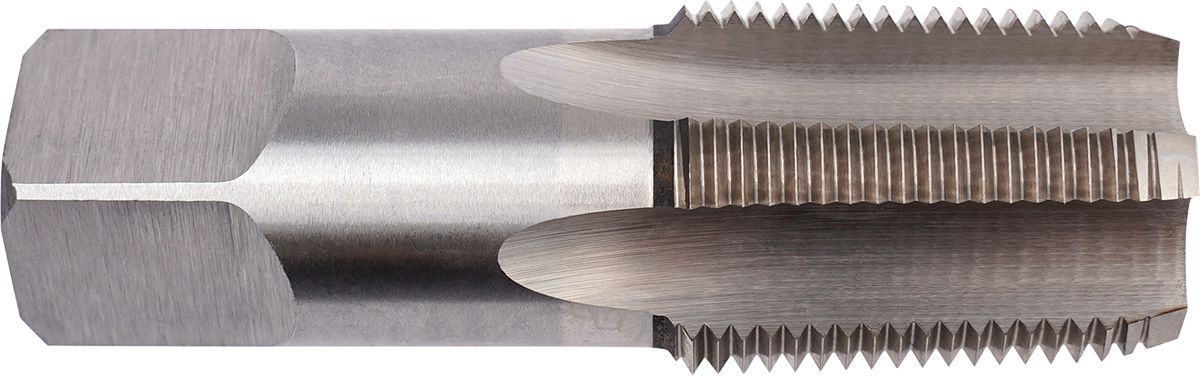
Before choosing the right drill bit, you need to understand what a 1/2 NPT tap is. NPT stands for National Pipe Taper, a standard in the United States (and many other countries) for pipes and fittings. The 1/2 refers to the nominal pipe size, not the exact diameter.
NPT threads are tapered, meaning the diameter gets slightly smaller as you go deeper. This design helps create a tight, leak-proof seal. When you use a 1/2 NPT tap, you are cutting these tapered threads into a pre-drilled hole, which will later fit a matching pipe or fitting.
Some key points about 1/2 NPT:
- Major diameter (largest): About 0.840 inches (21.34 mm)
- Threads per inch (TPI): 14
- Taper angle: 1° 47′
This tap is commonly used for water lines, compressed air, and hydraulic systems. If you get the hole size wrong, the joint may leak or not fit at all.
Why Drill Bit Size Matters For Tapping
You might wonder: can’t you just use a bit that looks close in size? Not if you want strong, reliable threads. The drill bit size affects three things:
- Thread engagement: Too small a hole means too much material is left, which can break the tap or make it hard to thread.
- Strength: Too large a hole means threads are shallow and weak, which may leak or strip out.
- Fit: The pipe or fitting may not screw in at all, or it may wobble and leak.
For tapered NPT threads, the right drill bit size is even more important because of the unique thread shape. Getting this step right is the foundation for a safe, professional result.
Credit: www.lawsonproducts.com
Standard Drill Bit Size For 1/2 Npt Tap
The official recommendation for tapping a 1/2 NPT thread is a 23/32 inch drill bit. This size is not arbitrary; it is carefully calculated to balance thread depth and strength.
| NPT Tap Size | Drill Bit Size (inches) | Drill Bit Size (mm) | Threads Per Inch (TPI) |
|---|---|---|---|
| 1/4 NPT | 7/16″ | 11.11 mm | 18 |
| 3/8 NPT | 9/16″ | 14.29 mm | 18 |
| 1/2 NPT | 23/32″ | 18.26 mm | 14 |
| 3/4 NPT | 59/64″ | 23.42 mm | 14 |
Key fact: The 23/32 inch size gives enough material for the threads but avoids excess force when tapping. If you use a smaller bit, you risk breaking the tap or creating a poor-quality thread.
Metric Drill Bit Size For 1/2 Npt Tap
In many countries, drill bits are measured in millimeters. If you do not have a 23/32″ drill bit, the closest metric size is 18.25 mm or 18.2 mm.
| NPT Size | Inch Drill Bit | Closest Metric (mm) | Difference (mm) |
|---|---|---|---|
| 1/2 NPT | 23/32″ | 18.25 mm | 0.01 |
| 1/2 NPT | 23/32″ | 18.2 mm | 0.06 |
While 18. 25 mm is almost exact, 18. 2 mm also works well in most cases. The difference is only 0. 05 mm (about two thousandths of an inch), which is usually acceptable for NPT threads.
Tip: If you use a metric bit, test-fit your tap in a scrap piece first.
The Tapping Process Explained
Drilling the hole is only the first step. To create perfect threads, you need to follow good tapping practices. Here’s a step-by-step overview:
- Mark your hole position: Use a punch to make a small dent. This keeps the drill bit from wandering.
- Clamp your work: Secure the part in a vise or clamp so it does not move.
- Drill the hole: Use the 23/32″ (or 18.25 mm) bit. Keep the drill straight.
- Deburr the hole: Remove sharp edges with a countersink or file.
- Apply cutting fluid: This reduces friction and helps the tap cut clean threads.
- Start the tap: Place the tap in the hole and turn by hand, keeping it straight.
- Cut the threads: Turn the tap slowly. Every 1–2 turns, reverse a half-turn to break chips.
- Check depth: NPT taps have a “hand tight” range. Usually, 7–8 threads engaged is correct.
- Clean the hole: Remove chips and check the threads with a fitting.
Important: For NPT, the tap must cut a taper, not a straight thread. The tap will feel tighter as you go deeper. Do not force it.
Common Mistakes When Tapping 1/2 Npt
Many people make errors that cause leaks, broken taps, or wasted parts. Here are common pitfalls and how to avoid them:
- Wrong drill bit size: Using 11/16″, 3/4″, or “close enough” bits leads to weak threads or too much force.
- No cutting fluid: This increases friction and makes taps break easily, especially in steel.
- Drill not straight: Angled holes lead to misaligned threads, poor sealing, and trouble fitting pipes.
- Tapping too deep: Over-tapping makes the fitting sit too far into the hole, which can cause cracks.
- Not cleaning chips: Metal chips left in the hole can damage threads or stick in the pipe.
Extra insight: Beginners often forget that NPT taps cut a tapered hole. They may compare to straight thread taps, but the process and results are not the same.

Credit: guide.toolant.com
Npt Vs. Other Thread Types
NPT is only one of many thread types. If you work with British Standard Pipe (BSP), National Pipe Straight (NPS), or other systems, the drill bit sizes and tapping methods will differ.
| Thread Type | Common Use | Drill Size for 1/2″ | Tapered? |
|---|---|---|---|
| NPT | US, Canada, Mexico | 23/32″ | Yes |
| BSPT | UK, Australia | 23/32″ | Yes |
| NPS | Special US use | 23/32″ | No |
Key difference: NPT and BSPT are both tapered, but their thread angles are slightly different. Never mix NPT and BSPT taps or fittings.
How To Check Your Work
After tapping, it is smart to check your threads before assembly. Here’s how:
- Use a thread gauge: Special gauges check the pitch and fit of your threads.
- Test with a real fitting: Try screwing in a matching 1/2 NPT pipe or plug by hand. It should thread in smoothly for 3–4 turns, then tighten.
- Look for chips and burrs: Clean the hole so nothing damages the fitting.
Non-obvious tip: If the fitting goes in too easily, your threads may be too shallow (over-drilled). If it goes in only one turn, you may have used the wrong drill bit or tapped too shallow.
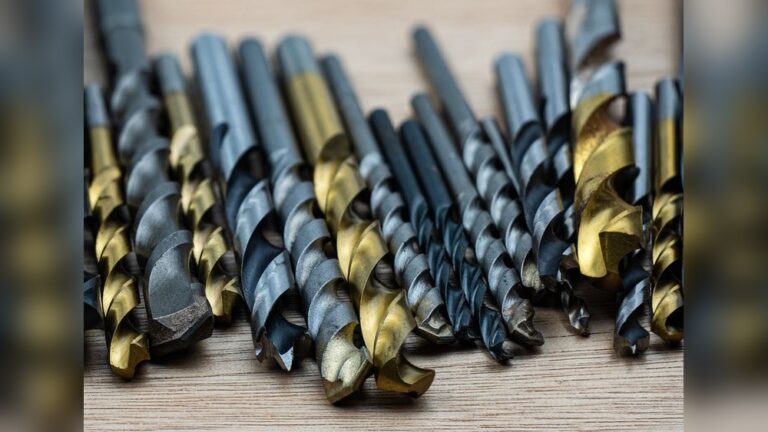
Drill Bit Quality And Material
Not all drill bits are the same. For best results, choose the right material and quality for your workpiece.
High-speed steel (HSS): Good for mild steel, aluminum, brass, and plastic.
Cobalt bits: Better for stainless steel or very hard metals.
Carbide bits: For extremely hard or abrasive materials.
If you drill many holes, invest in quality bits. Cheap bits dull quickly, make rough holes, and increase the chance of tap breakage.
Tips For Success With 1/2 Npt Taps
Getting perfect threads every time takes practice, but these tips will help:
- Use a drill press for accuracy: Hand drills can wander or tilt, making bad holes.
- Lubricate generously: Cutting oil or even WD-40 reduces friction.
- Go slow: High speed overheats bits and makes rough holes.
- Back out to clear chips: Every turn or two, reverse the tap to break chips.
- Keep the tap straight: If it starts crooked, stop and realign before continuing.
Expert insight: Many beginners try to “force” the tap if it feels tight. This often breaks the tap. Go slowly, use cutting fluid, and back out often.

Credit: drillsandcutters.com
Advanced: Tapping In Hard Or Thin Materials
Not all projects use mild steel or thick parts. What if you are tapping stainless steel, cast iron, or thin sheet metal? Here’s what changes:
For hard materials:
- Use a cobalt or carbide drill bit.
- Go even slower when drilling and tapping.
- Use high-quality cutting fluid.
For thin materials:
- Be careful not to drill too deep.
- Use a backing block if possible.
- Consider using a thread insert (like a Helicoil) for extra strength.
Special note: Thin materials may not hold enough thread for a strong seal. Thread inserts or welding on a boss (thicker section) can help.
Alternative Drill Bit Sizes: When Can You Substitute?
Sometimes, you do not have a 23/32″ drill bit. Can you use something close? Yes, but only with caution.
- 11/16″ (0.6875″): Too small. The tap will be very tight, and you risk breakage.
- 3/4″ (0.750″): Slightly oversized. Threads will be shallow, but may work for low-pressure or non-critical applications.
- 18 mm: Slightly undersized, but may work in soft materials.
Pro tip: Always test substitute sizes on scrap material first. Never substitute in pressure or safety-critical jobs.
Frequently Asked Questions
What Is The Exact Drill Bit Size For A 1/2 Npt Tap?
The standard size is 23/32 inch (0.7188 inches or 18.26 mm). This size balances thread depth and fit for a strong, leak-free connection.
Can I Use A Metric Drill Bit For A 1/2 Npt Tap?
Yes, you can use 18.2 mm or 18.25 mm drill bits if 23/32″ is not available. The difference is minimal, but always test with your tap and material first.
What Happens If I Use The Wrong Drill Bit Size?
If the hole is too small, the tap may break or threads will be too tight. If the hole is too large, the threads will be weak and may leak. Always use the recommended size.
How Deep Should I Tap A 1/2 Npt Hole?
Typically, tap to a depth that allows 7–8 full threads to engage when the fitting is hand-tight. Do not over-tap, as the taper means the fitting will go in deeper with each turn.
What Is The Difference Between Npt And Bspt?
Both are tapered threads but have different thread angles and shapes. NPT is the American standard (60° angle), while BSPT is British (55° angle). Do not mix taps or fittings between these systems.
Final Thoughts
Choosing the right drill bit for a 1/2 NPT tap is not just a detail—it is the foundation for safe, reliable pipe connections. The standard 23/32 inch size gives the best results, and careful drilling and tapping practices ensure strong, leak-proof threads. If you use metric bits, select 18.25 mm for the closest match.
Remember, patience, the right tools, and good technique matter as much as the numbers. Even experienced machinists double-check their drill bit size and take their time with NPT taps. For more technical details, the official standards can be found at the National Pipe Thread Wikipedia page.
With this knowledge, you can drill and tap 1/2 NPT threads with confidence—whether you are building a custom project, repairing a machine, or working in a professional shop. Take your time, measure carefully, and your work will last for years to come.