Choosing the right drill bit size for a 1/8 inch rivet is one of those small details that can determine the difference between a secure, professional finish and a frustrating, unreliable result. Whether you’re working on a classic car restoration, assembling lightweight metal structures, or repairing outdoor equipment, understanding the precise drill bit size for your rivet ensures strength, safety, and project longevity.
The challenge isn’t just about matching numbers, it’s about knowing material behavior, tolerances, and the impact of each variable on the final fit.
Many DIYers and even seasoned professionals have run into issues with loose rivets, excessive hole wear, or even damaged parts due to improper bit selection. If you want to avoid common pitfalls, maintain material integrity, and achieve lasting results, you must get this step right.
This comprehensive guide offers in-depth, actionable advice, real-world examples, and expert data, empowering you to make informed decisions for every project involving 1/8 inch rivets.
Key Takeaways
- For a 1/8 inch rivet, a 1/8 inch (0.125″) drill bit is typically correct, but adjust for material and tolerance needs.
- Material type and thickness can influence optimal drill bit size selection.
- Using the wrong size drill bit can cause loose rivets or damage to the material.
- Refer to manufacturer data sheets for specialty rivets or critical applications.
- Proper technique, bit maintenance, and pilot hole usage enhance results.

Credit: www.amazon.ca
Understanding Rivets And Drill Bit Sizing
Choosing the correct drill bit for a 1/8 inch rivet starts with understanding what rivets are, how they work, and why precision matters.
What Is A Rivet?
A rivet is a permanent mechanical fastener widely used in metalworking, construction, and manufacturing. Unlike bolts or screws, rivets are installed by deforming one end to hold materials together. The 1/8 inch rivet, meaning 1/8 inch diameter, is one of the most commonly used sizes for lightweight and medium-duty applications.
How Rivets Are Installed
Installing a rivet typically involves:
- Drilling a hole through the materials to be joined.
- Inserting the rivet.
- Using a rivet gun or hammer to deform the tail, securing the materials.
Importance Of Drill Bit Sizing
The drill bit size must match the rivet’s body diameter closely. If the hole is too small, inserting the rivet is difficult or impossible. If it’s too large, the rivet may not grip properly, leading to a loose or unreliable connection.
Example: In my experience working on aluminum sheet assemblies, using a drill bit just 0.005 inches larger than the rivet diameter sometimes caused visible play and weakened the joint, especially under vibration.
Tolerances And Manufacturer Recommendations
Rivet and drill bit diameters are nominal sizes. Actual measurements can vary slightly. Reputable manufacturers provide data sheets specifying the ideal hole size for each rivet. Always check these recommendations for critical or load-bearing applications.
Credit: www.albanycountyfasteners.com
What Size Drill Bit For A 1/8 Inch Rivet?
This section explores the ideal drill bit size, critical tolerances, and variations for different materials.
Standard Drill Bit Size For 1/8 Inch Rivets
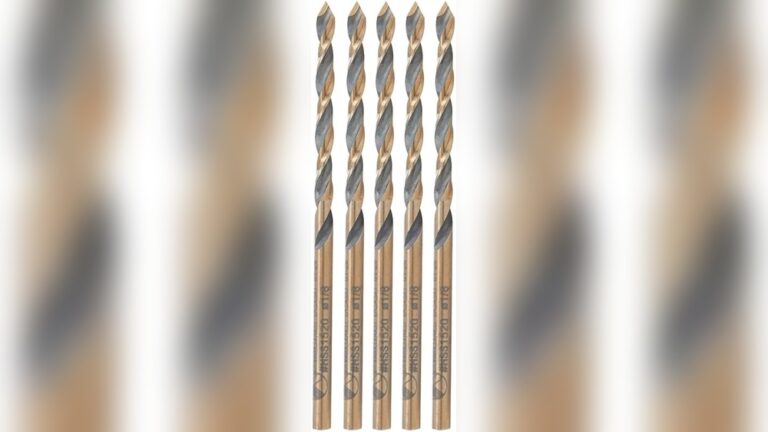
For a 1/8 inch (0.125″) rivet, the most commonly recommended drill bit size is also 1/8 inch (0.125″). This creates a snug fit, ensuring the rivet body fills the hole completely for maximum strength.
| Rivet Size (inches) | Nominal Drill Bit Size (inches) | Decimal Equivalent | Common Number/Letter Bit |
|---|---|---|---|
| 1/8″ | 1/8″ | 0.1250 | #30 |
Allowance For Tolerances
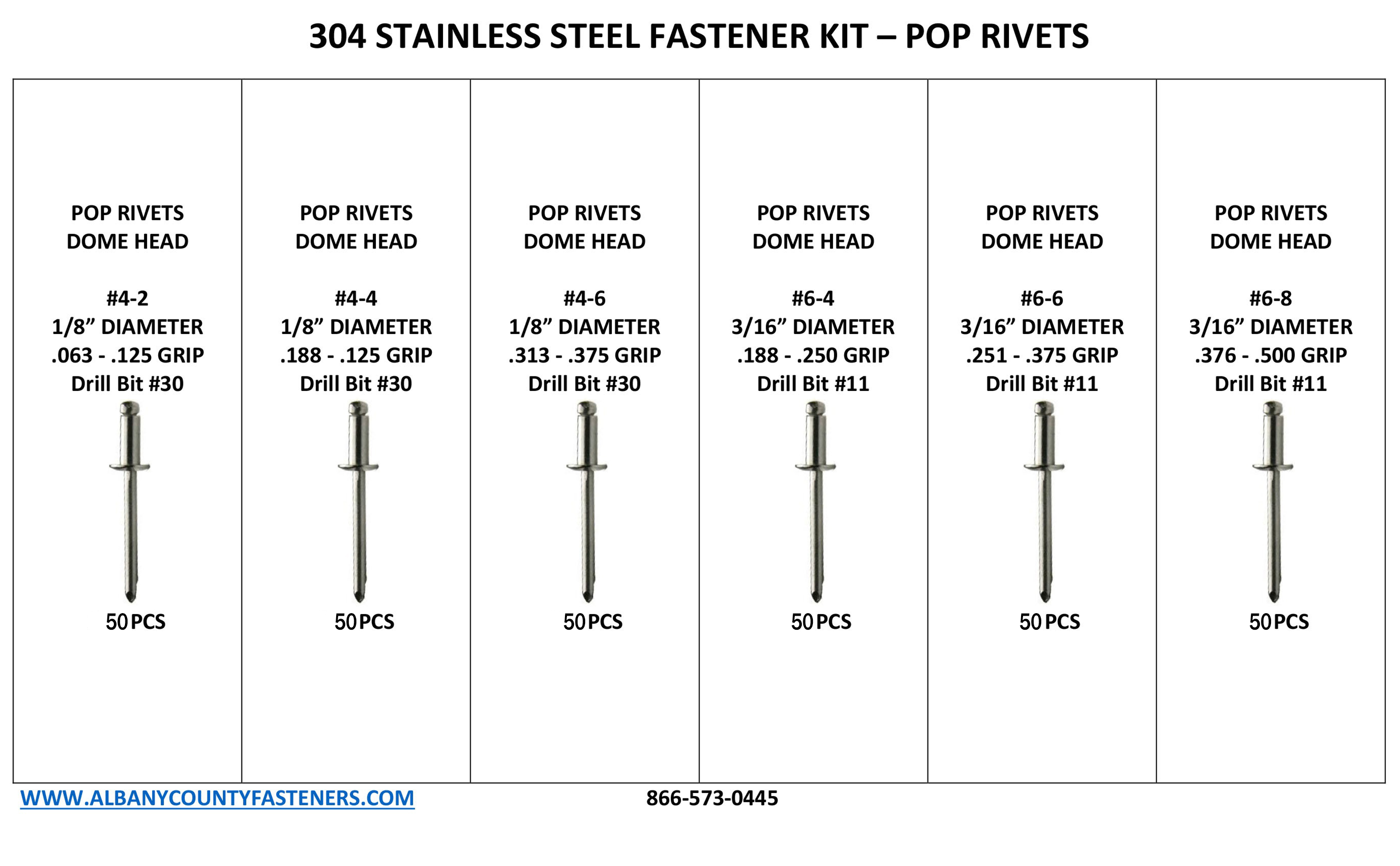
Most pop rivet manufacturers recommend a slightly larger hole to accommodate minor misalignments or material expansion. For 1/8 inch rivets, a #30 drill bit (0.1285″) is commonly used, especially in aerospace, automotive, and marine applications.
- 1/8″ drill bit: 0.1250″ (exact fit, best for soft materials)
- #30 drill bit: 0.1285″ (slightly looser, allows easier insertion, common in metalworking)
Material Considerations
The ideal drill bit size may change based on the material:
- Aluminum: Use a #30 drill bit for easier insertion and to prevent material deformation.
- Steel: Stick closer to 1/8″ for a tight fit due to lower material expansion.
- Plastic or composites: Avoid too tight a fit, as the material may crack; #30 or slightly larger is preferred.
Pro Tip: Always drill a test hole in scrap material to verify fit before committing to your final piece.
Example: Automotive Restoration
In classic car restoration, 1/8 inch aluminum rivets are used to fasten trim or panels. Mechanics typically reach for a #30 drill bit, as it balances fit and ease of installation, especially when working with overlapping panels where perfect alignment is difficult.
Drill Bit Types And Their Impact On Riveting
Not all drill bits are created equal. The material and design of your bit affect hole quality, tool life, and rivet performance.
Common Drill Bit Types For Riveting
- High-Speed Steel (HSS): The most versatile, suitable for aluminum, mild steel, and plastics.
- Cobalt Bits: Withstand higher temperatures, making them ideal for stainless steel and harder alloys.
- Titanium-Coated Bits: Offer longer life and less friction, good for repetitive jobs.
- Carbide Bits: Used for composites and abrasive materials but are brittle and expensive.
Selecting The Best Bit For Your Riveting Project
- For aluminum: HSS or titanium-coated bits are sufficient.
- For stainless steel: Use cobalt bits to reduce wear.
- For fiberglass or composites: Carbide-tipped bits prevent fraying.
Bit Point Types
- Split-point bits reduce walking and create cleaner holes.
- Brad-point bits are ideal for wood or plastics, ensuring precise entry.
Example: When working on marine-grade stainless steel railings, I found cobalt bits lasted up to 5 times longer than HSS bits, saving both time and replacement costs.
Bit Quality And Maintenance
Dull or damaged bits produce oversized or irregular holes. Inspect your bits regularly and sharpen or replace as needed. Clean bits of debris after each use to maintain performance.
Step-by-step Guide: Drilling For 1/8 Inch Rivets
A systematic approach delivers the most reliable results. Here’s a proven method to ensure perfect holes every time.
Preparation
- Mark the hole locations precisely using a center punch to prevent bit wandering.
- Clamp materials together to avoid shifting during drilling.
- Select the correct bit (1/8″ or #30) and material type.
Drilling Technique
- Start with a pilot hole (e.g., 1/16″) for accuracy, especially in metal.
- Drill at a consistent speed; too fast can overheat and enlarge the hole.
- Apply steady pressure without forcing the bit, letting the tool do the work.
- Deburr the hole using a countersink or deburring tool.
Test Fit And Adjustments
- Insert the rivet into the hole before final assembly.
- The rivet should slide in snugly but not require excessive force.
- If the fit is too tight, ream the hole slightly with a #30 bit.
Safety Considerations
- Wear safety goggles to protect against flying debris.
- Use clamps and secure workpieces to avoid movement.
- Keep hands clear of the drilling area.
Warning: Never use worn or damaged bits, as they can shatter or cause injury.
Real-world Examples And Case Studies
Understanding how drill bit size selection impacts projects in various industries highlights the importance of precision.
Case Study 1: Aerospace Manufacturing
Aerospace standards demand tight tolerances. For 1/8″ rivets in aircraft skins, manufacturers use a #30 drill bit to ensure uniformity, ease of insertion, and maximum holding strength. Failure to adhere to these standards can result in rejected parts or safety concerns. For more on aerospace riveting standards, see the Wikipedia entry on Rivets.
Case Study 2: Diy Home Improvement
A homeowner installing aluminum gutters used a 1/8″ bit for 1/8″ blind rivets. However, due to slight misalignment, the rivets were difficult to insert, leading to material deformation. Switching to a #30 bit resolved the issue, allowing for smooth installation and a professional finish.
Case Study 3: Marine Fabrication
In marine applications, where corrosion resistance and vibration are concerns, fabricators often use slightly oversized holes with a corrosion-resistant sealant to ensure a watertight fit. Here, a #30 or even a 9/64″ bit is selected, especially when using marine-grade rivets.
Case Study 4: Electronics Enclosures
In small plastic or polycarbonate enclosures, using a 1/8″ bit for 1/8″ rivets often results in cracking. Manufacturers recommend a #30 or slightly larger bit to accommodate material expansion and reduce stress.
Comparison Table: Drill Bit Sizes For 1/8 Inch Rivet By Material
Choosing the right bit size depends on material type and application. The following table summarizes common recommendations.
| Material | Recommended Bit Size | Notes |
|---|---|---|
| Aluminum | #30 (0.1285″) | Prevents deformation, easier insertion |
| Steel | 1/8″ (0.125″) | Tight fit for maximum strength |
| Plastic/Composite | #30 (0.1285″) or 9/64″ (0.1406″) | Prevents cracking, allows for expansion |
| Wood | 1/8″ (0.125″) or 9/64″ (0.1406″) | Depends on wood density and finish quality |
Mistakes To Avoid When Drilling For Rivets
Even experienced professionals can make errors. Awareness and avoidance of common mistakes help ensure successful installations.
Oversized Holes
Drilling a hole significantly larger than the rivet diameter reduces holding strength and may allow for movement or vibration. Always match the bit size to the rivet and material.
Misaligned Holes
Failing to clamp materials or mark holes precisely leads to misalignment. This can cause installation difficulties and compromise the joint’s integrity.
Skipping Deburring
Leaving sharp edges or burrs can damage rivets, create weak spots, or prevent flush installation. Use a deburring tool after drilling.
Ignoring Material Properties
Some materials expand under heat or crack under pressure. Adjust bit size and drilling speed to minimize damage.
Using Worn Bits
Old or dull bits produce irregular holes, increasing the risk of loose rivets or material damage. Inspect and replace bits regularly.
Advanced Tips For Professional Riveting
Going beyond the basics ensures your riveted joints are not only strong but also aesthetically pleasing and durable.
Pilot Holes And Step Drilling
Starting with a smaller pilot hole improves accuracy, especially in hard materials. Step up to the final size for a cleaner, more precise hole.
Hole Location And Spacing
- Maintain at least 2.5 times the rivet diameter between holes to avoid weakening the material.
- Edge distance should be at least 1.5 times the rivet diameter from the edge of the material.
Lubrication And Cooling
For thick metals or hard alloys, use cutting oil to reduce heat and prolong bit life. Allow the bit to cool between holes during large projects.
Rivet Type Selection
Different rivets require different hole sizes:
- Blind (pop) rivets: Slightly larger holes facilitate stem insertion.
- Solid rivets: Require precise, tight-fitting holes for maximum strength.
Quality Inspection
After installation, inspect each joint for:
- Flush rivet heads
- No visible gaps or cracks
- Properly deformed tails
Example: During a custom motorcycle build, I once skipped deburring holes in thick steel. The result was several rivets that sat unevenly, requiring time-consuming removal and re-drilling.
Tools And Accessories For Accurate Riveting
While drill bit selection is critical, having the right supporting tools enhances accuracy and efficiency.
Essential Tools
- Center Punch: For marking precise hole locations.
- Clamps: To hold materials securely during drilling.
- Deburring Tool: For smoothing hole edges after drilling.
- Drill Press (optional): Ensures perfectly perpendicular holes in precision work.
Measuring And Verification Tools
- Calipers: To verify hole diameter before installation.
- Go/No-Go Gauges: Used in manufacturing to confirm tolerance compliance.
Rivet Installation Tools
- Manual Rivet Gun: For blind (pop) rivets in light-duty applications.
- Pneumatic Rivet Tool: For repetitive or industrial work.
- Buck Bar and Hammer: For solid rivets, as used in aerospace and shipbuilding.
Pro Tip: Invest in quality drill bits and replace them at the first sign of wear. This avoids costly mistakes and rework.
Table: Drill Bit Size Conversion Reference
Drill bits are labeled in fractions, numbers, or letters. Use this reference to match the right size for your 1/8 inch rivet.
| Bit Label | Decimal Size (inches) | Common Use |
|---|---|---|
| 1/8″ | 0.1250 | Standard rivet holes in soft metals |
| #30 | 0.1285 | Aluminum, plastics, easier installation |
| 9/64″ | 0.1406 | Plastic, composite, oversized holes |
Frequently Asked Questions
What Happens If My Drill Bit Is Slightly Larger Than The Rivet Size?
If your drill bit is slightly larger (e. g. , #30 instead of 1/8″), the rivet will still hold if the oversize is minor. However, excessive clearance can reduce the joint’s strength and allow movement under vibration. For critical applications, use the manufacturer’s recommendations or consult an engineer.
Can I Use A Metric Drill Bit For A 1/8 Inch Rivet?
Yes, you can use a 3.2 mm metric drill bit, as it closely matches 1/8 inch (0.125″). For a looser fit, a 3.3 mm bit is also commonly used, especially in international manufacturing. Always verify fit with a test piece before final assembly.
How Do I Fix An Oversized Rivet Hole?
If the hole is too large:
- Use a larger diameter rivet if possible.
- Install a backing washer to help grip the material.
- In some cases, fill the hole with an appropriate epoxy, let it cure, then re-drill at the correct size.
For structural or safety-critical joints, it’s best to consult a professional or refer to industry standards.
Are All 1/8 Inch Rivets The Same Diameter?
No. While “1/8 inch” refers to the nominal shank diameter, actual diameters can vary by manufacturer and type (e.g., blind vs. solid rivets). Always measure your rivet or check the product datasheet. For more, see the Bosch Tools Drill Bit Size Guide.
Is It Necessary To Deburr The Drilled Hole Before Installing A Rivet?
Yes, deburring is important. Burrs can prevent the rivet from sitting flush, create stress concentrations, or damage the rivet shank during installation. Use a deburring tool, countersink, or file to smooth both sides of the hole for a professional result.
Precision in drilling for 1/8 inch rivets is more than just a technical detail, it’s the foundation for strong, long-lasting joints in countless applications. By selecting the appropriate drill bit size, considering material properties, and following best practices, you ensure both safety and quality in every project.
With the insights and examples provided, you’re ready to tackle your next riveting task with confidence and expertise.