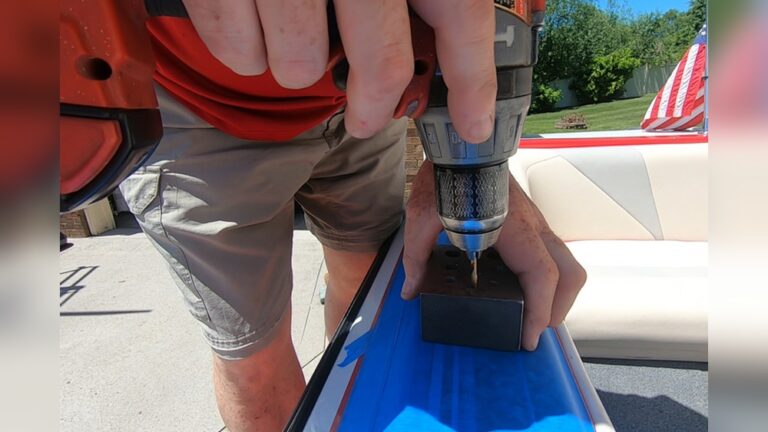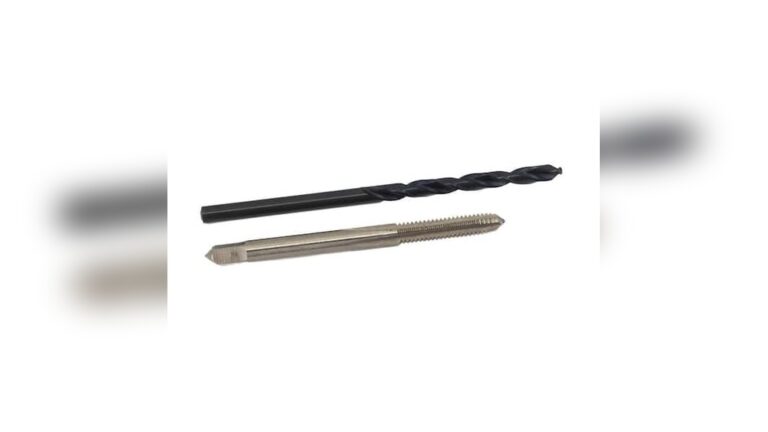
When you need to make a threaded hole for an 8-32 tap, choosing the right drill bit size is essential. Using the wrong size means the tap could break, the threads might not hold, or the screw won’t fit. Many beginners make mistakes here, so it’s important to know not just the right size, but also why it matters, how to check your work, and what can go wrong. This guide covers everything you need to know about drill bits for 8-32 taps, including all eight key factors that affect your choice and process.
What Is An 8-32 Tap?
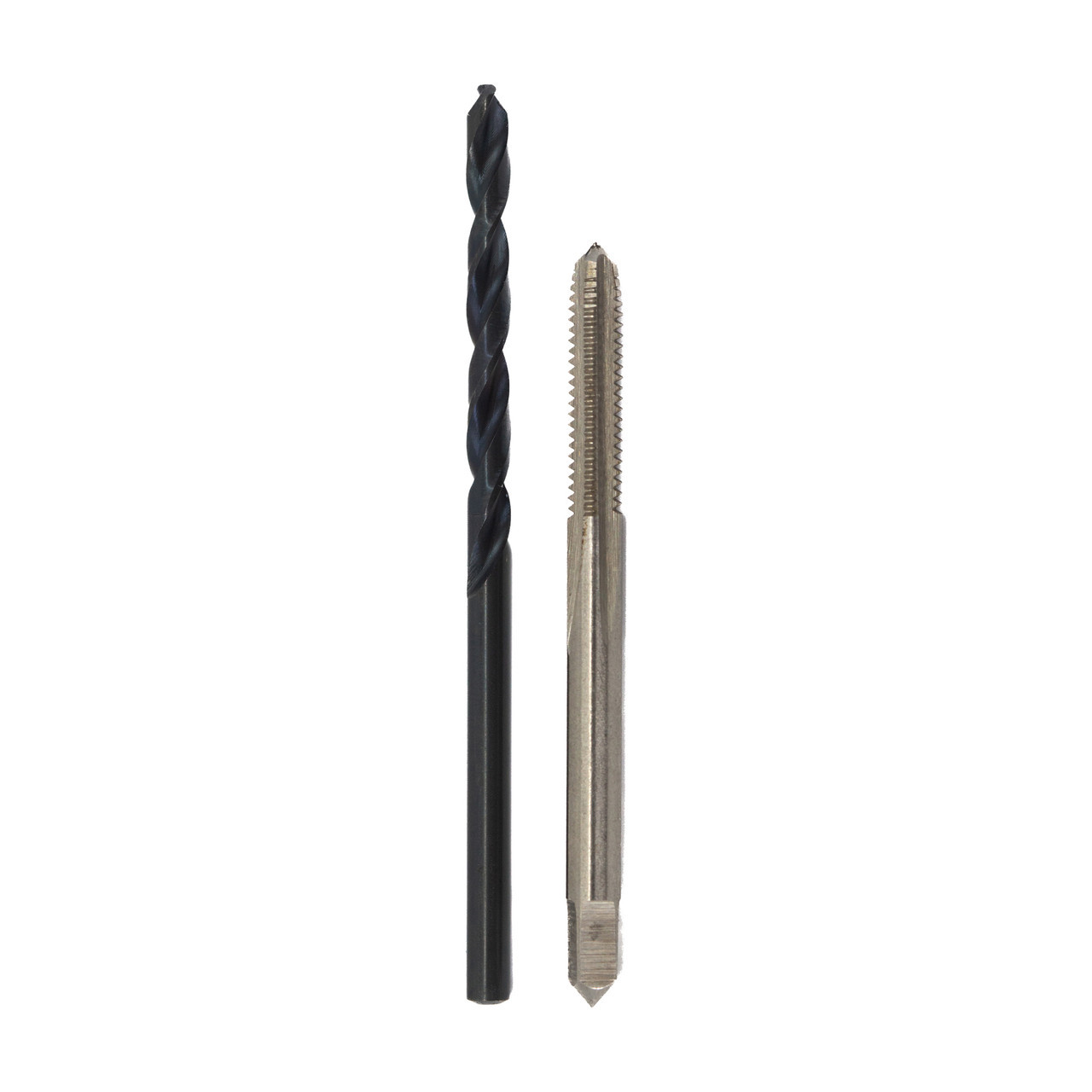
An 8-32 tap is a tool used to cut threads in a hole so that a #8 screw with 32 threads per inch can fit. The “8” refers to the screw size, and the “32” is the number of threads per inch. This is a common size in electronics, hardware, and DIY projects. You use a tap after you drill a hole, so getting the hole size correct is the first step.
Why Drill Bit Size Matters For An 8-32 Tap
If your hole is too small, the tap can break or the threads will be weak. If it’s too large, the threads will be shallow and may not hold the screw properly. The drill bit size determines how much material is left for the tap to cut threads into.
For an 8-32 tap, accuracy is crucial because the threads are fine and the screw is small.
Most people know the standard drill bit size, but many overlook factors like material hardness, tap quality, and application needs. Let’s look at the eight key factors you should consider.
1. Standard Drill Bit Size For 8-32 Tap
The standard drill bit size for an 8-32 tap is #29. This bit has a diameter of 0.136 inches (3.45 mm). This size leaves enough material for the tap to cut threads that fit a #8 screw without being too tight or loose.
You can find #29 drill bits in most hardware stores. Some sets list them as fractional sizes, but #29 is the most precise match. Always check the packaging for the actual diameter, as some cheaper bits can be off by a few thousandths.
Example:
If you drill with a #29 bit and tap with an 8-32 tap, your screw should fit perfectly, assuming you tap straight and don’t over-tighten.
2. Material Type And Its Impact
The material you’re working with changes the optimal drill bit size. Hard materials like stainless steel or cast iron may require slightly larger holes to reduce tap stress. Softer materials like aluminum or plastic can use the standard size, but if you’re worried about stripping, you might go a bit smaller.
For hard materials, some machinists use a #28 drill bit (0.140 inches) to avoid breaking taps. This leaves threads a bit shallower but lowers risk. For soft materials, sticking to #29 gives strong threads.
Practical Tip:
If you’re unsure, test on scrap material first. Check how the tap cuts and how the screw holds. Adjust your drill size if the tap is difficult to turn or the threads seem weak.
3. Thread Engagement: How Much Is Enough?
Thread engagement is the percentage of the screw’s threads that contact the tapped hole. For strong holding, aim for 60-75% engagement. With a #29 drill bit, you get about 65% in mild steel—ideal for most tasks. If you use a larger bit, engagement drops, which can lead to stripped threads.
For critical applications, like mounting electronics or machinery, stick to the standard size. For less important tasks, a slightly larger hole can make tapping easier but sacrifices some strength.
Data Table: Thread Engagement By Drill Size
| Drill Bit Size | Diameter (inches) | Approx. Engagement (%) |
|---|---|---|
| #29 | 0.136 | 65 |
| #28 | 0.140 | 55 |
| #30 | 0.1285 | 75 |
Notice that using a #30 bit gives more engagement, but it can make tapping harder and increase risk of tap breakage, especially in harder materials.
4. Tap Types And Drill Bit Compatibility
Not all taps are alike. There are hand taps, machine taps, spiral flute taps, and more. Some tap types require slightly different hole sizes because of their cutting action.
- Hand taps: Use the standard #29 drill bit.
- Machine taps: Sometimes recommend a slightly larger bit to avoid jamming.
- Spiral flute taps: Can clear chips better and work with the standard size.
- Bottoming taps: If tapping near the bottom of a hole, use a #29 bit but tap carefully.
Always check the manufacturer’s recommendations for tap types. Some brands suggest different sizes for their taps. This is especially true for high-speed production or specialized materials.
5. Tap Drill Chart Reference
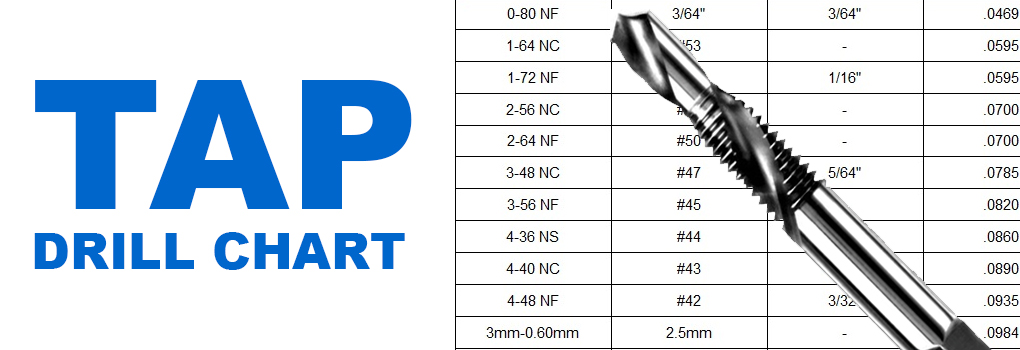
A tap drill chart is a handy tool. It lists drill sizes for various taps and thread pitches. For 8-32, the chart always shows #29. Using the chart prevents mistakes and helps you select the right bit quickly.
Here’s a sample tap drill chart for common sizes:
| Tap Size | Threads Per Inch | Recommended Drill Bit | Diameter (inches) |
|---|---|---|---|
| 6-32 | 32 | #36 | 0.1065 |
| 8-32 | 32 | #29 | 0.136 |
| 10-32 | 32 | #21 | 0.159 |
Having a chart nearby saves time and prevents errors, especially if you work with many tap sizes.
6. Drill Bit Quality And Precision
The quality of your drill bit affects the hole size and the thread strength. Cheap bits can dull fast, wobble, or cut oversized holes. For tapping, use high-speed steel (HSS) or cobalt bits—they stay sharp longer and make cleaner holes.
Check your drill bit for wear before drilling. A worn bit makes a larger hole, reducing thread engagement. Also, use a drill press if possible for straight, accurate holes. Hand drilling often leads to angled holes, which can weaken threads.
Non-obvious Insight:
Many beginners forget to measure their drill bits after several uses. Bits can wear and change size, especially in hard materials. Use calipers to check diameter before critical jobs.
7. Tap Lubrication And Drilling Technique
Lubrication is key when drilling and tapping, especially in metals. Use cutting oil or tap lubricant to reduce friction and heat. This helps the drill bit make a clean hole and prevents the tap from breaking.
Drill at a slow speed for metals. Fast drilling causes heat, which dulls the bit and can warp the hole. For plastics, use a moderate speed and avoid too much pressure.
When tapping, turn the tap slowly and back it out every few turns to clear chips. This keeps threads clean and prevents binding. If you feel resistance, stop and clear chips before continuing.
Example:
If you’re tapping aluminum, use a bit of oil and slow, steady turns. If you’re working with steel, use plenty of oil and take your time.
8. Mistakes And How To Avoid Them
Many people make errors when choosing drill bit sizes for taps. Here are eight common mistakes and how to avoid them:
- Using the wrong drill bit size: Always check the tap chart or packaging.
- Ignoring material hardness: Adjust size for hard materials if needed.
- Not checking drill bit quality: Inspect bits for wear before use.
- Drilling at high speed: Go slow to avoid heat and oversize holes.
- Skipping lubrication: Use oil to protect bits and taps.
- Tapping crooked holes: Use a drill press or tap guide for straight holes.
- Not clearing chips: Back out tap often to clear debris.
- Over-tightening screws: Threads strip easily with too much force.
Avoid these mistakes and your tapped holes will be strong and reliable.
Credit: www.fastenere.com
Comparing Drill Bit Sizes For 8-32 Tap
It helps to see how different drill bit sizes affect the fit and strength of the threads. Here’s a comparison table showing three common drill bit options for 8-32 tap:
| Drill Bit | Diameter (inches) | Thread Strength | Ease of Tapping |
|---|---|---|---|
| #29 | 0.136 | Strong | Moderate |
| #28 | 0.140 | Average | Easy |
| #30 | 0.1285 | Very Strong | Hard |
As you see, #29 balances strength and ease. #28 is easier to tap, but threads are weaker. #30 gives strong threads, but tapping is harder and riskier, especially in tough materials.
Real World Applications For 8-32 Tapped Holes
Understanding where and why you use an 8-32 tap helps you choose the right drill bit. Common uses include:
- Electronics enclosures: Mounting circuit boards or panels.
- Automotive repairs: Securing small parts or brackets.
- Furniture assembly: Attaching hardware to wood or metal.
- DIY projects: Building frames, boxes, or cases.
In each application, thread strength and reliability matter. For electronics, vibration is a concern, so use the standard #29 drill bit for maximum holding power. In furniture, soft materials may allow for a smaller bit, but don’t go too small or the tap may break.
Step-by-step Guide: Drilling And Tapping For 8-32
Here’s a simple process you can follow:
- Mark the hole location: Use a center punch for accuracy.
- Choose a #29 drill bit: Check for wear and measure diameter.
- Secure the workpiece: Use clamps or a vise.
- Drill the hole: Go slow, use oil for metals, keep the bit straight.
- Clean the hole: Remove chips and debris.
- Insert the tap: Use a tap handle, apply lubricant.
- Turn the tap slowly: Back out every few turns to clear chips.
- Check threads: Use a #8 screw to test fit.
If the screw fits snugly but turns easily, your threads are good. If it’s loose, the hole may be too large. If it’s tight, check for burrs or incomplete threads.
Advanced Tips: Getting Perfect Threads
For the best results, try these advanced tips:
- Use a tap guide: Keeps tap straight and prevents crooked threads.
- Deburr the hole: After drilling, use a countersink to smooth edges.
- Check tap depth: Mark the tap so you don’t go too deep.
- Clean tap after use: Prevents debris from damaging threads next time.
- Test with scrap: Always practice on a spare piece before tapping critical holes.
These steps help you avoid mistakes and create strong, clean threads every time.
Credit: drillsandcutters.com
When To Use Alternatives To 8-32 Tap Drill Size
Some situations require different drill bit sizes:
- Thread inserts: If using a threaded insert, follow manufacturer’s drill size.
- Oversized holes: If the hole is too large, use a thread repair kit.
- Thin materials: For thin sheet metal, consider thread-forming screws instead of tapping.
In each case, read instructions carefully. Using the wrong size can ruin your project.
Understanding Tap Drill Size Calculations
The standard drill bit size comes from a formula. For an 8-32 tap:
- Tap diameter: #8 screw = 0.164 inches
- Subtract thread pitch: 1/32 inch = 0.03125 inches
- Tap drill size formula: Tap diameter – thread pitch = Drill bit size
- 164 – 0.03125 = 0.13275 inches
The closest standard bit is #29 (0. 136 inches). This is why #29 is used for 8-32 taps.
Choosing Between Fractional, Number, And Metric Drill Bits
Sometimes you can’t find a #29 bit, so knowing alternatives helps. Fractional bits are less precise, but you can use a 9/64 inch bit (0.1406 inches) for easier tapping, though threads will be weaker. Metric bits close to #29 are 3.5 mm (0.1378 inches).
However, always try to use a #29 bit for best results. If you use alternatives, test for thread fit and strength.
Comparison Table: Drill Bit Alternatives
| Type | Size | Fit for 8-32 Tap |
|---|---|---|
| Number | #29 (0.136″) | Best |
| Fractional | 9/64″ (0.1406″) | Acceptable |
| Metric | 3.5 mm (0.1378″) | Good |
How To Check Your Work After Tapping
After tapping, check the threads:
- Visual inspection: Threads should be clean and sharp.
- Fit test: Insert a #8 screw; it should turn easily, not wobble.
- Strength test: Gently tighten the screw; threads should hold without stripping.
- Depth check: Make sure the tap reached the required depth for your screw.
If any test fails, check for burrs, incomplete tapping, or oversized holes.
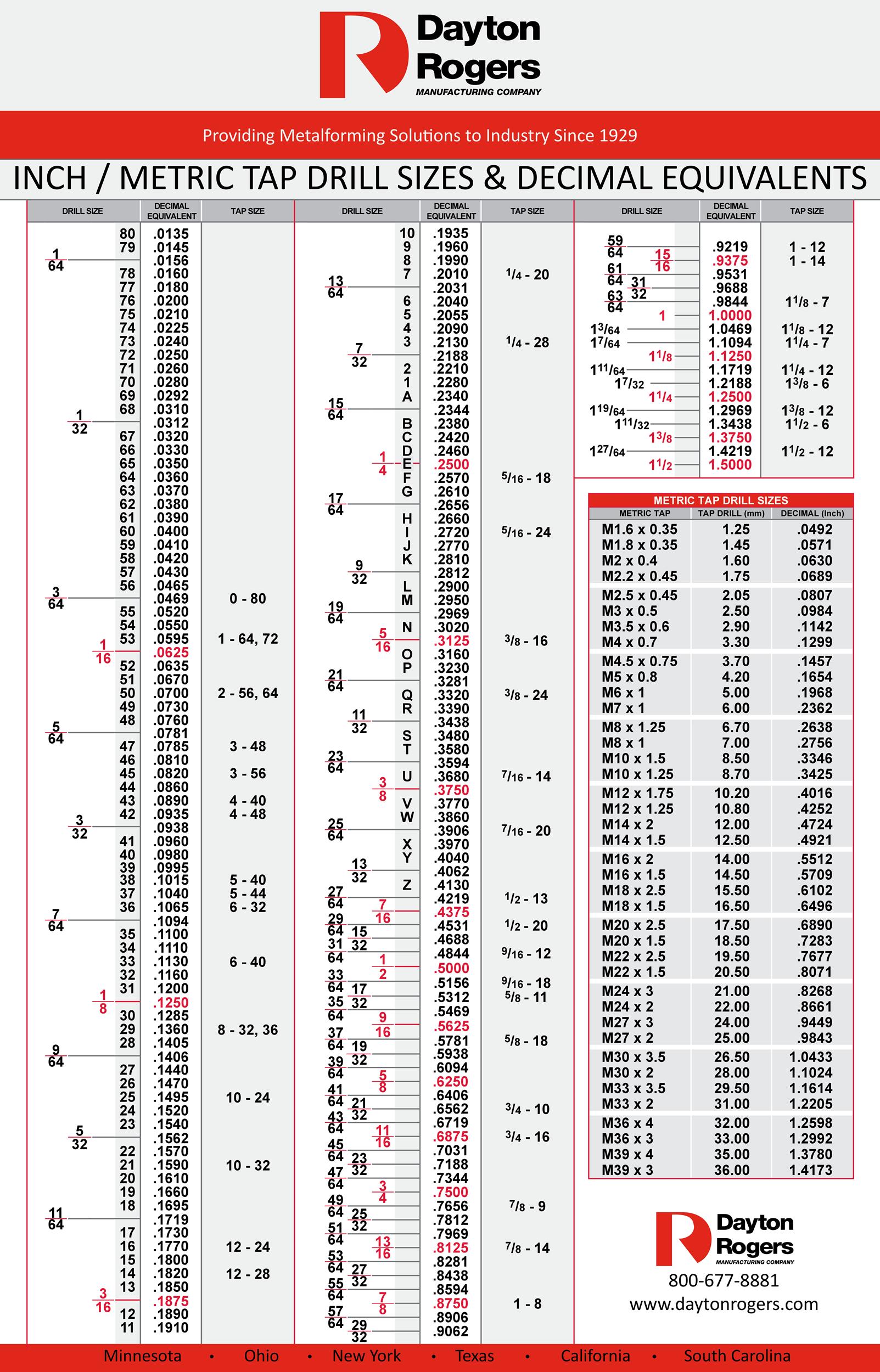
Credit: templatelab.com
Resources For Tap And Drill Bit Selection
There are many charts and calculators online for tap drill sizes. For reliable information, use trusted sources like Wikipedia. These resources help you avoid mistakes and choose the right tools.
Frequently Asked Questions
What Is The Best Drill Bit Size For An 8-32 Tap?
The best size is #29 (0.136 inches). This gives strong threads and is recommended by tap manufacturers.
Can I Use A 9/64 Inch Drill Bit Instead Of 29 For 8-32 Tap?
You can use 9/64 inch (0.1406 inches) if you don’t have #29. However, threads will be shallower and weaker, so it’s not ideal for high-strength applications.
What Happens If I Use A Smaller Drill Bit Than Recommended?
Using a smaller bit, like #30, gives stronger threads but makes tapping harder. The tap can break, especially in hard materials, and the screw may not fit if threads are incomplete.
Do Different Materials Require Different Drill Bit Sizes?
Yes, harder materials sometimes need a slightly larger bit to avoid tap breakage. Softer materials can use the standard size. Always test first if unsure.
How Do I Avoid Breaking The Tap When Tapping Holes?
To avoid breaking taps:
- Use the correct drill bit size.
- Apply lubricant.
- Turn tap slowly and clear chips often.
- Use a tap guide for straight holes.
Careful technique and preparation are key to success.
With this guide, you now know all the critical factors for choosing the right drill bit size for an 8-32 tap. By understanding material, tap type, thread engagement, and technique, you can drill and tap perfect holes every time. Remember to check your work, avoid common mistakes, and use quality tools.
With practice, you’ll get reliable, strong threads and avoid frustration.