When you pick up a power tool for a project, the bit you choose matters more than you might think. Many people use impact drivers and drills for building furniture, fixing shelves, or even simple home repairs. But the bits you put in these tools are not all the same. In fact, using the wrong bit can break your tool, ruin your work, or even hurt you. That’s why understanding the difference between impact driver bits and drill bits is so important.
This article will help you clearly see how these two types of bits are different. You’ll learn which tasks each bit does best, how to spot quality, and what happens if you use the wrong bit for the job. If you care about getting clean results, saving money, and staying safe, read on for a full comparison based on real experience and technical facts.
What Are Drill Bits And Impact Driver Bits?
Before comparing, let’s look at what each bit is designed for. This helps you understand why their features matter.
Drill Bits: The Classic Tool Bit
Drill bits are made to create holes. They come in many shapes and sizes, from small bits for pilot holes to large ones for big openings. Most have a smooth, round shank (the part that goes into the tool) and spiral flutes to remove material as they spin.
Common materials for drill bits are high-speed steel (HSS), cobalt, and carbide. Drill bits are used with regular drills, which provide steady, spinning power—good for wood, metal, plastic, and even masonry, depending on the bit.
Impact Driver Bits: Built For Tough Jobs
Impact driver bits (sometimes called screwdriver bits) are designed for high torque, not just spinning. Impact drivers use quick, strong bursts of force—like a hammer tapping the bit. These bits have a hex shank (six-sided) for a secure grip and are made from tougher metals or have special coatings.
Impact driver bits are mostly used to drive screws, bolts, or fasteners. They need to handle lots of twisting force without breaking or wearing out fast.
Key Differences Between Impact Driver Bits And Drill Bits
Now, let’s break down the main differences in design, materials, use, and durability. This will help you choose the right bit every time.
1. Shank Design
- Drill bits: Round or three-flat shank for smooth, steady spinning in a drill chuck.
- Impact driver bits: 1/4-inch hex shank for a tight fit in impact driver collets. This prevents slipping during high torque.
Insight: Using a round-shank drill bit in an impact driver is risky. The bit can spin in the chuck, damaging both the tool and the bit.
2. Material And Strength
- Drill bits: Usually made from HSS, cobalt, or carbide. They are hard and sharp for cutting but can be brittle under sudden force.
- Impact driver bits: Made from S2 steel or have titanium/nitride coatings. They are engineered to handle sudden torque without snapping.
Non-obvious fact: Impact-rated bits often flex slightly under pressure. This “give” helps them absorb the shock and last longer.
3. Tip Design
- Drill bits: Sharpened point or split-point for starting holes. Fluted design to clear debris.
- Impact driver bits: Shaped as Phillips, Torx, square, or other drive patterns to match screw heads. Some have extra-hard tips for longer life.
4. Primary Use
- Drill bits: Making holes in material.
- Impact driver bits: Driving or removing screws and fasteners.
Practical example: If you try to use a screwdriver bit in a drill, you may strip screws because drills don’t deliver the same quick bursts of torque.
5. Durability
- Drill bits: Last long when used for drilling. Can break easily if used for high-torque driving.
- Impact driver bits: Withstand strong impacts and twisting. May wear faster in pure drilling tasks.
6. Compatibility
- Drill bits: Fit in all standard drill chucks.
- Impact driver bits: Fit impact drivers, some drills with hex chucks, and quick-change adapters.
Detailed Comparison: Impact Driver Bits Vs Drill Bits
To make the differences even clearer, here’s a direct side-by-side look:
| Feature | Drill Bits | Impact Driver Bits |
|---|---|---|
| Shank Shape | Round or three-flat | 1/4″ Hex |
| Main Function | Drilling holes | Driving screws/bolts |
| Material | HSS, Cobalt, Carbide | S2 Steel, Titanium Coated |
| Withstands High Torque | No | Yes |
| Tip Types | Twist, Brad point, Masonry | Phillips, Torx, Square, etc. |
| Flexibility | Rigid | Some flex (absorbs shock) |
| Works with Impact Driver | No (unless hex shank) | Yes |
Which Bit Should You Use For Your Project?
Choosing the right bit is not just about fit—it’s about safety, tool life, and getting good results.
When To Use Drill Bits
- Making holes in wood, metal, plastic, or masonry.
- When you need a clean, round hole.
- For precise drilling, like pilot holes or dowels.
When To Use Impact Driver Bits
- Driving screws into wood, drywall, or metal.
- Removing old or rusted screws.
- Working with long screws or lag bolts where high torque is needed.
Example: Assembling flat-pack furniture? Use impact driver bits for screws, drill bits for shelf holes.
Using Drill Bits In Impact Drivers: Is It Safe?
Some drill bits now come with hex shanks. You can use these in an impact driver, but only if the bit is impact-rated. Standard drill bits may break or wear out fast due to the sudden force.
Beginner mistake: Using a regular twist drill bit (round shank) in an impact driver. This can strip the shank, ruin the chuck, and even cause injury.
Using Impact Driver Bits In Drills: Is It Useful?
Yes, you can use impact driver bits (like screwdriver bits) in a regular drill. They fit in most chucks and are strong enough for normal screwdriving. However, you won’t get the same fast, hammering action, so stubborn screws may be harder to drive.
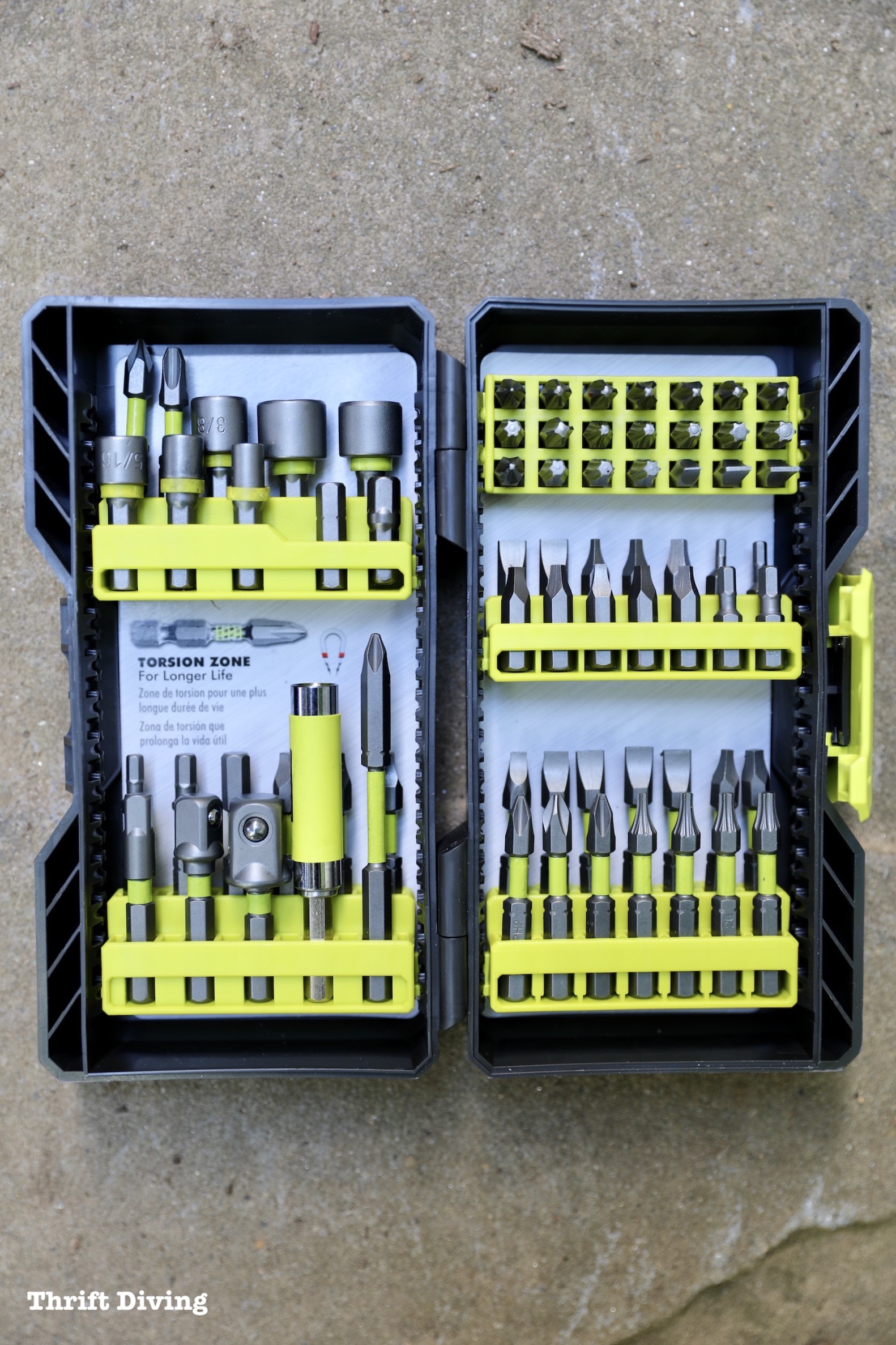
Credit: thriftdiving.com
How To Identify Quality Bits
Not all bits are made equal. Here’s how to spot a good one:
- Brand reputation: Trusted brands like DeWalt, Makita, and Bosch test their bits for safety and durability.
- Material: Look for bits made from S2 steel (impact bits) or HSS/cobalt (drill bits).
- Coating: Titanium or black oxide coatings add life and reduce heat.
- Fit: Make sure the shank fits your tool snugly.
- Tip design: For impact bits, check for precision-milled tips. For drill bits, look for split-points that start holes easily.
Non-obvious insight: Cheap bits often have poor heat treatment. They may look shiny but wear out or twist under stress.
Real-world Test: Bit Performance
Let’s look at what happens if you swap bits between tools.
| Scenario | Result with Drill Bit | Result with Impact Bit |
|---|---|---|
| Drilling pilot hole in hardwood | Clean hole, long life | Slow, may overheat or snap |
| Driving 3-inch screw into stud | Possible, but may strip screw or stall | Quick, secure drive with less cam-out |
| Removing stuck deck screw | Bit may slip or break | High torque, less risk of stripping |
Common Mistakes And How To Avoid Them
Even pros sometimes make mistakes with bits. Here are some to watch out for:
1. Using The Wrong Bit For The Tool
A regular drill bit in an impact driver can break. An impact bit in a drill won’t break, but may be slower for drilling tasks.
2. Not Checking Bit Condition
Worn or bent bits can slip, break, or damage your material. Always check for dull edges or cracks before starting.
3. Ignoring Fit
A loose bit can wobble or fly out. Always push the bit fully into the chuck or collet and check for a tight grip.
4. Using Low-quality Bits
Cheap bits can twist or shatter under pressure. It’s safer and cheaper in the long run to buy good bits.
5. Overheating
Drilling too fast or driving for too long can overheat bits. This makes them soft and more likely to fail.
Pro tip: Let the tool do the work. If you have to push hard, you may be using the wrong bit or tool.
Cost Differences: Are Impact Driver Bits More Expensive?
Impact driver bits are often a bit more expensive than regular screwdriver bits, but they last longer under tough use. Drill bits range widely in price based on material and purpose. For example:
- Basic steel drill bits: $10–$20 for a set
- Cobalt or carbide drill bits: $30–$80 for a set
- Impact driver bit sets: $15–$50, depending on size and brand
Fact: Spending a little more on quality bits saves money by reducing breakage and tool damage.
Bit Maintenance: Getting The Most Life From Your Bits
Taking care of your bits pays off. Here’s how to keep them working longer:
- Keep bits clean: Wipe off dust and debris after use.
- Store properly: Use a case to prevent banging or bending.
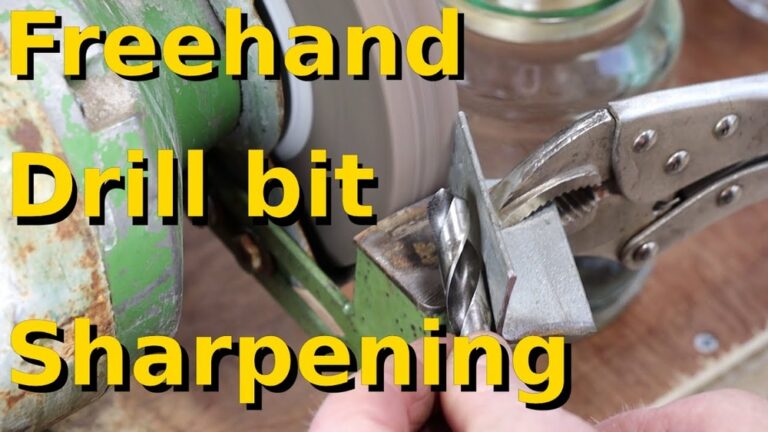
- Sharpen drill bits: Use a bit sharpener or have them sharpened when they get dull.
- Avoid overheating: Give bits time to cool between tough jobs.
- Replace worn bits: Don’t risk stripping screws or damaging material with bad bits.
Extra advice: For masonry or metal drilling, use a drop of oil to reduce heat and wear.
When To Replace Bits
A sharp bit cuts or drives easily. If you notice more resistance, burning smells, or rough results, the bit may be worn out. For impact bits, check for twisted tips or visible wear. For drill bits, check for dull edges or chipping.
Common sign: If the bit slips or makes squeaking noises, it’s time for a new one.
Credit: www.reddit.com
Advanced Tips: Getting More From Your Tools
- Magnetic bit holders: These help keep screws in place and make swapping bits faster.
- Quick-change adapters: Turn your drill into a screwdriving machine with a hex adapter.
- Use pilot holes: Even with impact drivers, a small pilot hole can prevent wood from splitting and make driving screws easier.
- Select the right length: Longer bits give you better reach, but can flex more. For tough jobs, use the shortest bit that fits.
Environmental And Safety Considerations
Disposing of broken bits? Most are made of steel and can be recycled. Never throw broken bits in the trash—they can injure someone handling waste. Always wear safety glasses when working with power tools, as bits can break suddenly.
Safety tip: Stop if you see smoke or sparks. Let the bit and tool cool before continuing.
Summary Table: Quick Reference
Here’s a fast way to remember the main points:
| Task | Best Bit | Why |
|---|---|---|
| Drilling holes in wood/metal | Drill bit | Sharp cutting edge, clean holes |
| Driving screws/fasteners | Impact driver bit | Handles high torque, fits screw heads |
| Removing stuck screws | Impact driver bit | Won’t strip or break under force |
| Precision work | Drill bit | Better control and accuracy |
What Beginners Usually Miss
Many new DIYers think all bits are the same. They often:
- Use standard drill bits to drive screws, leading to stripped screws or broken bits.
- Don’t realize that impact driver bits flex to absorb shock, preventing breakage.
- Forget that only impact-rated drill bits (with hex shank) should be used in an impact driver for drilling tasks.
Understanding these points can save you time, money, and frustration.
Where To Learn More
For more technical details and standards about power tool bits, check out the Wikipedia page on drill bits.
The Bottom Line
Choosing between impact driver bits and drill bits is about more than just what fits in your tool. It’s about using the right tool for the job, working safely, and getting the best results possible. Impact driver bits are designed for high-torque tasks like driving screws, while drill bits are made for making clean holes. Each has its place, and using them correctly means fewer broken bits, less wasted time, and a better finish on your projects.
If you take care of your bits, use the right one for the right job, and invest in quality, your tools will serve you well for years. The next time you start a project, take a moment to check your bits—you’ll be glad you did.

Credit: www.youtube.com
Frequently Asked Questions
What Happens If I Use A Drill Bit In An Impact Driver?
Most standard drill bits are not built for the high-torque, hammering action of an impact driver. This can cause them to break, wear out quickly, or damage the tool. Only use impact-rated drill bits (with a hex shank) in an impact driver.
Can I Use Impact Driver Bits In A Regular Drill?
Yes, impact driver bits fit in most drills and work fine for driving screws. They are strong and resist wear, though you won’t get the rapid hammering force of an impact driver.
Are Impact Driver Bits Worth The Extra Cost?
If you use an impact driver often or work with tough materials, impact driver bits are a smart investment. They last longer and handle tougher jobs than standard bits, saving you time and replacement costs.
How Do I Know If A Bit Is Impact-rated?
Look for markings like “impact-rated” or “impact ready” on the packaging or bit. These bits usually have a hex shank and are made from tough materials like S2 steel, with special coatings for extra life.
What’s The Main Advantage Of Using The Right Bit?
Using the correct bit for your tool and task means cleaner results, less chance of tool or bit failure, and safer working conditions. It also saves you money by reducing breakage and wear.