Selecting the correct drill bit size for a 1/4 inch bolt is a deceptively simple task that can make or break the success of your project. Whether you’re mounting a heavy shelf, assembling machinery, or building furniture, using the wrong size can lead to costly errors, stripped threads, loose fittings, or even structural failures.
Yet, this critical detail is often glossed over in DIY tutorials and even professional manuals. The right drill bit ensures not only a snug fit and strong connection but also preserves the integrity of your workpiece.
For both seasoned tradespeople and ambitious DIYers, mastering the nuances of bolt and drill bit compatibility is a foundational skill. Choosing the correct drill bit for a 1/4 inch bolt isn’t just about looking up a number; it’s about understanding the interplay between materials, thread types, and the specific demands of your application.
This guide will walk you through everything you need to know, from technical standards to real-world scenarios, so you can approach your next project with confidence and precision.
Key Takeaways
- The correct drill bit size for a 1/4 inch bolt typically depends on the thread type and material.
- Material and thread pitch significantly influence the appropriate drill bit size.
- Clearance and tap drill sizes serve different purposes, be sure to use the right one for your application.
- Using the wrong drill bit can cause stripped threads, loose bolts, or structural damage.
- Reference tables and real-world examples are essential for making the right choice.
- Investing in a quality drill bit set saves time, money, and frustration in the long run.
Understanding Bolt Sizes And Thread Types
Getting the right drill bit for a 1/4 inch bolt begins with a solid grasp of bolt sizing and thread standards. While the term “1/4 bolt” is common, it’s essential to clarify what it refers to and why thread type matters.
Defining A 1/4 Inch Bolt
A 1/4 inch bolt refers to a bolt with a major diameter of 0.250 inches. This size is a staple in both metric and imperial systems, commonly used in general construction, automotive, and machinery applications. It comes in various thread pitches (the distance between threads), such as UNC (Unified National Coarse) and UNF (Unified National Fine).
Common Thread Types
- UNC (Unified National Coarse): Features larger, more widely spaced threads. For 1/4 inch bolts, the most common is 1/4-20, meaning 20 threads per inch.
- UNF (Unified National Fine): Tighter threads, such as 1/4-28, with 28 threads per inch.
- Metric Threads: Less common in the US for 1/4 inch bolts, but equivalents exist (e.g., M6 bolts).
Each thread type requires a different drill bit size for proper tapping or clearance.
Why Thread Pitch Matters
Thread pitch determines how much material is left between threads. Using the wrong drill bit can either leave too much material (making tapping difficult) or remove too much (resulting in weak threads). For instance, a 1/4-20 UNC bolt will need a different hole size than a 1/4-28 UNF bolt.
Material Considerations
The material you’re drilling into, be it wood, metal, plastic, or concrete, also plays a crucial role. Harder materials demand greater precision and sometimes slightly different bit sizing to prevent cracking or stripped threads.
Example: When anchoring into steel, the correct drill bit is essential to avoid excessive wear or bit breakage. For wood, a slightly looser fit may be acceptable due to the material’s compressibility.

Credit: www.lowes.com
Clearance Vs. Tap Drill Sizes: What’s The Difference?
A key distinction that often confuses even experienced builders is the difference between clearance and tap drill sizes. Each serves a different purpose and choosing the wrong one can compromise your project.
Tap Drill Size Explained
The tap drill size is the diameter of the hole you drill before tapping threads into a material. This is used when you want the bolt to cut its own threads into the base material for a secure hold.
- Tap drill size for 1/4-20 UNC bolt: 0.201 inches (typically a #7 drill bit)
- Tap drill size for 1/4-28 UNF bolt: 0.213 inches (typically a #3 drill bit)
Example: If you’re threading a hole in steel for a 1/4-20 bolt, you’ll drill with a #7 bit, then use a tap to cut the threads.
Clearance Drill Size Explained
A clearance drill size creates a hole just large enough for the bolt to pass through without engaging the threads. This is used when the bolt will thread into a nut or a different tapped part.
- Clearance size for 1/4 inch bolt: 0.257 inches (commonly a letter F drill bit)
Example: When bolting two pieces of wood together with a nut and bolt, drill a 0.257 inch hole in the top piece (clearance), and tap the bottom piece if needed.
Comparison Table: Tap Vs. Clearance Sizes
| Bolt Type | Thread Pitch | Tap Drill Size | Clearance Drill Size | Common Drill Bit |
|---|---|---|---|---|
| 1/4-20 UNC | 20 TPI | 0.201″ (#7 bit) | 0.257″ (F bit) | #7, F |
| 1/4-28 UNF | 28 TPI | 0.213″ (#3 bit) | 0.257″ (F bit) | #3, F |
| M6 (Metric) | 1.0 mm | 5.0 mm | 6.5 mm | 5 mm, 6.5 mm |
Choosing The Right Option
- Use tap drill size if you’re creating threads in the material.
- Use clearance drill size when the bolt passes through without threading.
Pro Tip: Always double-check the manufacturer’s recommendations, especially for specialty bolts or critical applications.
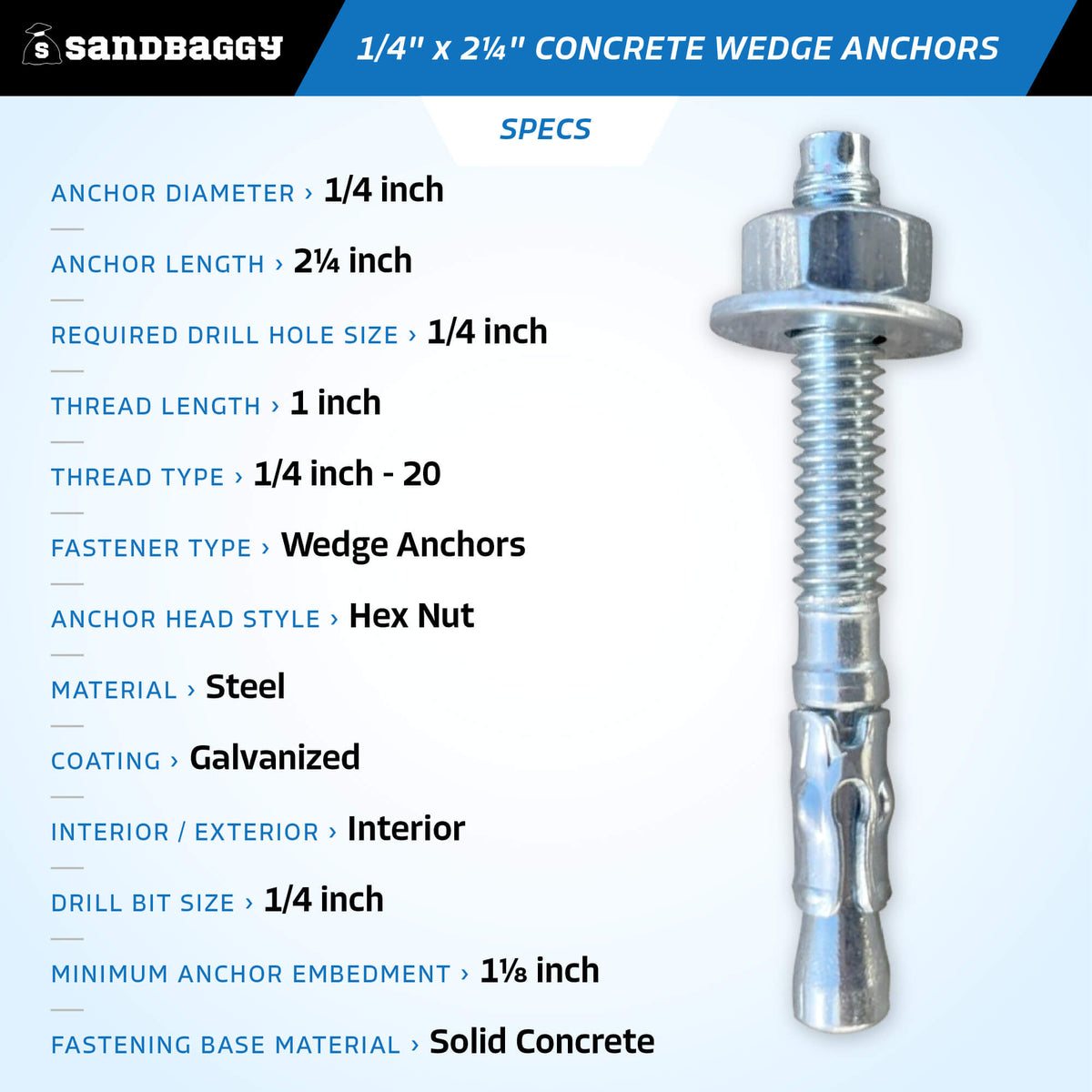
Credit: sandbaggy.com
How To Select The Correct Drill Bit Size For A 1/4 Inch Bolt
Selecting the correct drill bit size involves more than just matching numbers. Here’s a step-by-step guide to ensure accuracy and reliability in your projects.
Step 1: Identify The Bolt’s Thread Type
Before anything else, determine whether you have a 1/4-20 UNC, 1/4-28 UNF, or another variant. The packaging or the bolt head often provides this information.
- 1/4-20: Most common for general use
- 1/4-28: Used when finer threads are required
Step 2: Determine Your Application
Are you threading into the base material (tapping) or creating a clearance hole? This will dictate the hole size:
- Tapping: Use the tap drill size.
- Clearance: Use the clearance drill size.
Step 3: Consult A Drill Size Chart
A drill size chart is indispensable. It provides precise bit sizes for each bolt and thread type. Below is a comprehensive chart for 1/4 inch bolts.
| Application | Bolt Type | Recommended Drill Bit | Size (inches) |
|---|---|---|---|
| Tap (threading) | 1/4-20 UNC | #7 | 0.201″ |
| Tap (threading) | 1/4-28 UNF | #3 | 0.213″ |
| Clearance | 1/4 inch bolt | F | 0.257″ |
| Metric Tap | M6 | 5 mm | 0.197″ |
| Metric Clearance | M6 | 6.5 mm | 0.256″ |
Step 4: Consider Material And Tolerance
Material can slightly affect the drill bit size you choose:
- Soft materials (wood, plastic): Slightly undersized holes can provide a tighter fit.
- Hard materials (steel, aluminum): Precise sizing is critical; using a lubricated bit helps reduce wear.
Warning: Drilling too large a hole in soft material can cause the bolt to loosen over time.
Step 5: Test Fit
Whenever possible, drill a test hole in scrap material. Fit the bolt to ensure proper engagement and holding strength.
Example: When I tested a #7 drill bit for a 1/4-20 bolt in oak, the threads cut cleanly and the bolt seated firmly, confirming the chart’s accuracy.

Credit: drillsandcutters.com
Real-world Scenarios: 1/4 Inch Bolt Drill Bit Selection In Practice
Theory aside, actual job sites and workshops often present unique challenges. Here are three short case studies illustrating how the right drill bit size for a 1/4 inch bolt can make a difference.
Case Study 1: Mounting A Heavy Duty Shelf In A Garage
A homeowner wanted to mount a metal shelf using 1/4-20 bolts into the wooden studs of their garage. They needed strong, reliable holding power for heavy items. By referencing a drill size chart, they used a #7 bit (0. 201″) for tapping the threads.
After drilling and tapping, the bolts held firm, supporting over 150 lbs of weight without loosening.
Case Study 2: Assembling Machinery In A Workshop
A machinist was tasked with assembling a piece of equipment using 1/4-28 UNF bolts in aluminum. Since the bolts needed to thread directly into the metal, a #3 bit (0. 213″) was used for tapping. The fine threads provided the necessary resistance to vibration and torque, preventing loosening during operation.
Case Study 3: Securing A Bracket In Sheet Metal
In an automotive repair scenario, a technician needed to mount a bracket using 1/4-20 bolts. The bracket required clearance holes in the sheet metal, so an F bit (0. 257″) was selected. This allowed the bolt to pass through easily, with a nut on the backside providing the necessary clamping force.
These real-world examples highlight how correct drill bit selection ensures both safety and efficiency.
The Impact Of Material Type On Drill Bit Choice
The material you’re drilling into plays a decisive role in drill bit selection. Using the wrong bit or the wrong size for the material can lead to poor results or even damage.
Wood
- Softwoods (pine, cedar): A standard clearance size or slightly smaller is often sufficient. The wood compresses around the bolt, providing a snug fit.
- Hardwoods (oak, maple): Use the recommended tap or clearance size. Over-tightening can split the wood, so pre-drilling is essential.
Metal
- Steel: Precision is crucial. Use high-speed steel (HSS) bits and lubricate the bit to reduce heat and wear.
- Aluminum: Softer than steel, but still requires accuracy. HSS bits work well; avoid excessive pressure to prevent oval holes.
Plastic
- Acrylic/PVC: Use standard clearance size and a slow drill speed to avoid melting.
- Polycarbonate: Drill slowly and consider using a step bit for cleaner holes.
Masonry
- Concrete/Brick: Use a masonry bit with a hammer drill. Clearance holes are typically required; tap threads only with specialized anchors.
Example: When drilling a clearance hole for a 1/4 inch bolt in a concrete wall, a 1/4 inch masonry bit is recommended, but always check anchor manufacturer guidelines.
Drill Bit Types And Their Applications
Selecting the correct type of drill bit is just as important as choosing the right size. Each bit is designed for specific materials and applications.
Twist Drill Bits
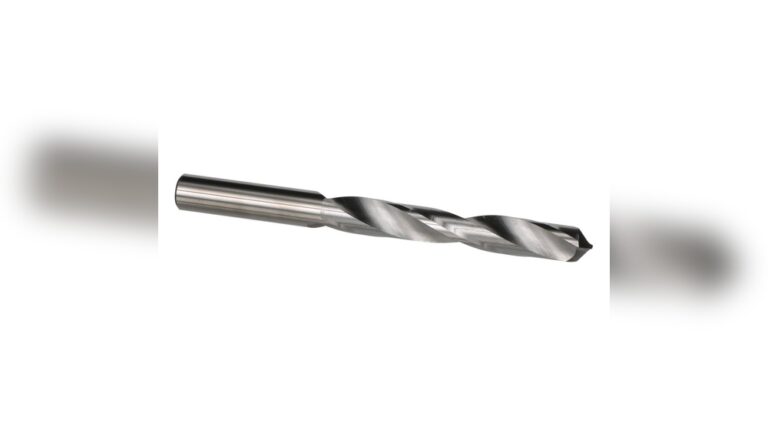
The most common type, suitable for wood, metal, and plastics. Available in fractional, letter, and number sizes, making them ideal for both tap and clearance holes.
Brad Point Bits
Designed specifically for wood, these bits create clean, precise holes with minimal tear-out, making them perfect for furniture and cabinetry.
Masonry Bits
Feature a carbide tip for drilling into stone, brick, and concrete. Always use with a hammer drill for best results.
Step Bits
Useful for drilling holes in thin materials, such as sheet metal and plastic. Step bits allow for multiple hole sizes with one bit.
Specialty Bits
- Cobalt Bits: For hard metals like stainless steel.
- Titanium-Coated Bits: Extended life and reduced friction.
Pro Tip: Always match the bit type to your material for cleaner holes and longer tool life.
Drill Bit Material Comparison Table
| Bit Type | Best For | Durability | Typical Cost |
|---|---|---|---|
| High-Speed Steel (HSS) | Wood, mild steel, plastic | Good | Low |
| Cobalt | Stainless steel, hard metals | Excellent | High |
| Titanium-Coated | Wood, soft and medium metals | Very Good | Medium |
| Masonry | Concrete, brick, stone | Good | Medium |
| Brad Point | Wood | Good | Low |
| Step Bit | Sheet metal, plastic | Good | Medium |
Common Mistakes To Avoid When Drilling For 1/4 Inch Bolts
Even experienced users can make errors that compromise the integrity of their work. Here are some pitfalls to watch out for and how to sidestep them.
Using The Wrong Drill Bit Size
Drilling a hole that’s too large results in loose bolts and weak connections, while too small a hole can cause bolts to strip or break during installation.
Ignoring Thread Type
Failing to distinguish between UNC and UNF threads can lead to mismatched parts and poor thread engagement.
Skipping Lubrication
When drilling into metal, always use a suitable lubricant to minimize heat and prolong the life of your drill bit.
Overdrilling
Applying excessive pressure or speed can cause the bit to wander, resulting in an oversize or misaligned hole.
Neglecting Pilot Holes
Especially in hardwoods or metals, drilling a pilot hole (a small-diameter starter hole) before the final size helps prevent splitting or bit breakage.
Failing To Deburr
After drilling, sharp edges or burrs can interfere with bolt installation. Use a countersink or deburring tool for a clean finish.
Warning: Neglecting proper safety gear, such as eye protection and gloves, can result in injury. Always follow safety protocols.
Essential Tools And Tips For Accurate Drilling
Precision drilling doesn’t just rely on the right bit size, it’s a combination of tools, preparation, and technique.
Tools You’ll Need
- Drill (corded or cordless)
- Drill bit set (including number, letter, and fractional sizes)
- Tap and die set (for threading)
- Lubricant (for metal drilling)
- Center punch (for marking start points)
- Measuring tools (caliper, ruler, tape measure)
- Deburring tool
Drilling Tips For Best Results
- Mark the hole location with a center punch to prevent bit wandering.
- Secure the workpiece firmly using clamps or a vise.
- Start with a pilot hole when drilling large or deep holes.
- Use steady, moderate pressure and the correct speed for your material.
- Back the bit out periodically to clear chips and reduce heat.
- Deburr the hole after drilling to remove sharp edges.
Example: When drilling through steel plate for a 1/4-20 bolt, I always use a center punch and a pilot hole, followed by a #7 bit lubricated with cutting oil. This process consistently yields clean, accurately sized holes.
Maintenance And Storage
- Keep drill bits sharp using a dedicated sharpener or by replacing dull bits.
- Store bits in labeled cases to prevent loss and confusion.
- Clean bits after use to remove debris and prevent rust.
Pro Tip: Investing in a comprehensive drill bit set with number, letter, and fractional sizes will save you time and frustration, ensuring you always have the right bit on hand.
Reference Charts And Resources
Having reliable references at your fingertips streamlines the process of selecting the correct drill bit size. Here are some authoritative resources and sample charts for 1/4 inch bolts.
Sample Drill Bit Size Chart For 1/4 Inch Bolts
| Bolt Size | Thread Type | Tap Drill Size (inches) | Clearance Drill Size (inches) |
|---|---|---|---|
| 1/4-20 | UNC | 0.201 | 0.257 |
| 1/4-28 | UNF | 0.213 | 0.257 |
| M6 x 1.0 | Metric | 0.197 (5 mm) | 0.256 (6.5 mm) |
Where To Find Reliable Data
- Machinery’s Handbook: The industry standard for all things related to machining and fasteners.
- Drill manufacturer charts: Most reputable drill bit brands publish comprehensive size charts online.
- Engineering Toolbox: An online resource for material properties and drill size tables.
- Wikipedia: Offers clear overviews of thread standards and drill sizes. See: List of drill and tap sizes.
Pro Tip: Bookmark a digital or printed drill size chart for quick reference in your workshop.
Frequently Asked Questions
What If I Don’t Have The Exact Recommended Drill Bit Size?
If you lack the precise drill bit, use the closest available size, always erring on the smaller side for tapping, or the larger for clearance. For example, if you need a #7 bit (0. 201″) but only have a 13/64″ (0.
203″), the difference is minimal and usually acceptable for most applications. However, using a bit that’s too large can weaken threads or reduce holding power.
Can I Use A Metric Drill Bit For A 1/4 Inch Bolt?
Yes, you can substitute a metric bit if it closely matches the required imperial size. For instance, a 5 mm bit (0. 197″) is very close to the #7 bit (0. 201″) used for tapping a 1/4-20 bolt. Always check the fit by testing in scrap material first to ensure thread engagement is adequate.
How Deep Should I Drill The Hole For A 1/4 Inch Bolt?
The hole depth should accommodate the full length of the bolt’s threaded portion, plus a little extra to prevent bottoming out. For blind holes (not through-holes), add at least 1/4 inch to the bolt’s thread length. For through-holes, ensure the drill passes completely through the material for easy bolt insertion.
What Happens If My Hole Is Too Small Or Too Large?
A hole that’s too small makes tapping difficult and can break the tap or bolt. A hole that’s too large will produce weak threads, causing the bolt to strip or loosen. If you’ve drilled too large, you may need to use a thread insert (like a Helicoil) or switch to a larger bolt.