Choosing the right impact drill can make a huge difference in your work, whether you are a homeowner taking on DIY projects or a professional contractor handling demanding tasks daily. Two brands dominate the world of power tools: DeWalt and Milwaukee. Both names are trusted, but each offers unique strengths and features. When it comes to impact drills, the choice between DeWalt and Milwaukee is not always easy. The differences can impact your productivity, comfort, and results. This guide will help you understand how these brands compare, what matters most when picking an impact drill, and which might be the better fit for your needs.
Brand Overview: Dewalt And Milwaukee
DeWalt and Milwaukee both have long histories and strong reputations. DeWalt began in 1924 and quickly became known for reliable, durable tools. Their signature yellow and black color is easy to spot on any job site. Milwaukee, founded in 1924 as well, is recognized for its red tools and focus on innovation, especially in cordless technology.
DeWalt is often praised for its wide tool range and solid build quality. Many professionals choose DeWalt for their consistency and easy-to-find service centers.
Milwaukee stands out with its advanced battery systems and a strong focus on heavy-duty tools. They have led the industry with features like brushless motors and smart electronics.
Both brands are popular worldwide, but they often target slightly different users. DeWalt appeals to both professionals and serious DIYers, while Milwaukee is often the go-to for people who need extreme performance.
Key Features Of Impact Drills
Before comparing specific models, it helps to understand what makes a good impact drill. Here are the main factors:
- Torque – The twisting force. Higher torque means more power to drive screws or bolts.
- Speed (RPM and IPM) – RPM (rotations per minute) and IPM (impacts per minute) show how fast the drill spins and delivers hammering action.
- Battery – Cordless impact drills rely on battery power. Battery voltage (like 18V or 20V) and amp-hour (Ah) ratings affect runtime and strength.
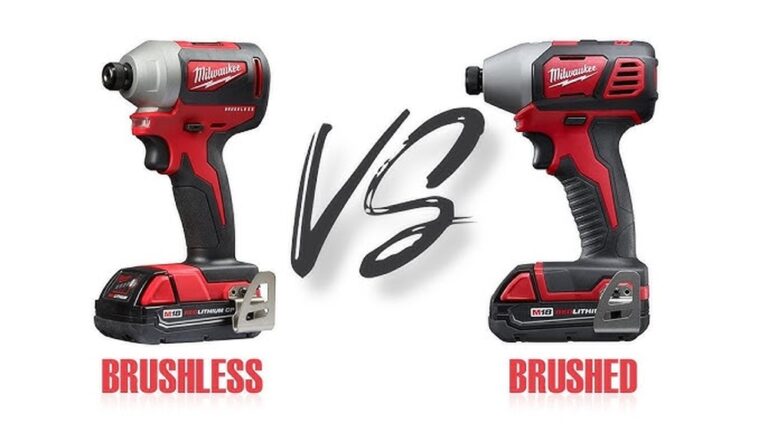
- Motor – Brushless motors are more efficient and last longer than brushed ones.
- Weight and Size – Lighter, compact drills are easier to use in tight spaces and reduce fatigue.
- Ergonomics – Comfort, grip, and balance matter when using a tool for long periods.
- Durability – Tough casing and protection against dust, water, or drops help the drill last.
- Price – Cost matters, especially if you need several tools.
Beginners often overlook ergonomics and battery compatibility with other tools. These two factors can make a big difference in daily use.
Dewalt Impact Drills: Strengths And Weaknesses
DeWalt offers a wide range of impact drills, with some standout models like the DCF887 and DCF809. Here’s what makes DeWalt impact drills attractive:
Strengths
- Build Quality: DeWalt tools are known for their tough construction. The casing is often reinforced, helping them survive drops or rough handling.
- User Comfort: Many DeWalt drills are designed with ergonomic grips and balanced weight, making them easier to use for long periods.
- Battery System: The 20V MAX battery platform is compatible across a wide range of DeWalt tools. This is helpful if you already own other DeWalt cordless tools.
- Consistent Performance: DeWalt’s brushless motors offer reliable torque and speed. The DCF887, for example, delivers up to 1,825 in-lbs of torque, which covers most demanding tasks.
- Service and Warranty: DeWalt usually offers a 3-year limited warranty and has many service centers, making repairs or parts replacement simple.
Weaknesses
- Innovation Pace: While reliable, DeWalt sometimes updates their tool features more slowly compared to Milwaukee.
- Size: Some DeWalt models are slightly bulkier than Milwaukee’s compact options.
- Price: DeWalt tools are usually premium-priced, though not as high as Milwaukee.
Milwaukee Impact Drills: Strengths And Weaknesses
Milwaukee’s impact drills are favorites among professionals who need maximum performance. Popular models include the 2853-20 and 2753-20.
Strengths
- Power and Speed: Milwaukee’s M18 Fuel impact drivers often lead in torque and speed. The 2853-20 can deliver up to 2,000 in-lbs of torque and 3,600 IPM, making it suitable for heavy-duty work.
- Compact Design: Many Milwaukee impact drills are shorter and lighter than DeWalt equivalents, helping users work in tight spaces with less fatigue.
- Advanced Technology: Milwaukee is a leader in brushless motors (POWERSTATE) and smart electronics (REDLINK PLUS) that protect against overheating and extend tool life.
- Battery Innovation: The M18 battery system is famous for long runtimes and compatibility with a wide range of Milwaukee tools.
- Durability: These tools are built for tough job sites, with reinforced housing and advanced electronics.
Weaknesses
- Cost: Milwaukee impact drills tend to be more expensive than DeWalt, especially for the top-end models.
- Availability: In some regions, Milwaukee tools and batteries can be harder to find compared to DeWalt.
- Accessory Compatibility: Milwaukee’s unique bit holder and collet design may not fit all third-party accessories easily.
Side-by-side Comparison: Dewalt Vs Milwaukee Impact Drills
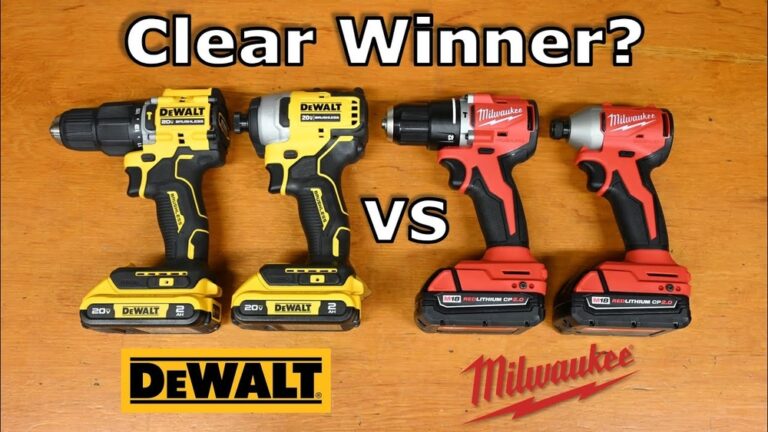
To make things clearer, let’s compare two of the most popular models: DeWalt DCF887 vs Milwaukee 2853-20. Both are flagship 18V/20V brushless impact drivers.
| Feature | DeWalt DCF887 | Milwaukee 2853-20 |
|---|---|---|
| Voltage | 20V MAX | 18V (M18) |
| Max Torque | 1,825 in-lbs | 2,000 in-lbs |
| Max RPM | 3,250 | 3,600 |
| Max IPM | 3,600 | 4,300 |
| Length | 5.3 in | 4.59 in |
| Weight (bare) | 2.0 lbs | 2.2 lbs |
| Battery Compatibility | 20V MAX | M18 |
| Warranty | 3 Years | 5 Years |
| Price (approx.) | $140 (bare tool) | $150 (bare tool) |
From the data, you can see Milwaukee leads in torque, speed, and warranty, while DeWalt is lighter and offers a slightly lower price point.
Real-world Performance
Numbers are important, but real-world use matters just as much. Here’s what users and professionals notice when using these tools on job sites or at home:
- Driving Large Fasteners: Milwaukee’s higher torque is useful for long lag bolts and heavy-duty screws. You will notice the difference when working with dense materials like hardwood or metal.
- Precision Work: DeWalt’s three-speed selector gives better control for delicate jobs, such as cabinetry or electronics.
- Battery Life: Milwaukee’s M18 batteries often last longer in high-demand tasks, but DeWalt’s batteries are easier to find and replace in many countries.
- Heat Management: Milwaukee’s REDLINK electronics help prevent overheating. This is especially helpful during long, repetitive jobs.
- Size and Handling: Milwaukee’s shorter tool length makes it easier to use in corners or tight spots, while DeWalt’s grip is often considered more comfortable during long sessions.
Durability And Build Quality
Both brands are known for strong build quality, but there are a few differences:
- DeWalt: Uses thick plastic and rubber overmold on handles, which helps absorb shock if dropped. Their tools often survive tough job site conditions.
- Milwaukee: Adds extra protection around the motor and electronics. Their tools are designed to handle extreme cold and hot temperatures.
A non-obvious insight: Milwaukee’s reputation for durability is partly due to its advanced electronics, which protect the tool from electrical damage—a feature many users overlook.
Battery Systems: Compatibility And Runtime
If you already own tools from one brand, staying within that brand’s battery system saves money. Here’s a look at the main differences:
- DeWalt 20V MAX: Compatible with a huge range of DeWalt tools, from drills to saws to lights. Batteries are widely available, and the FlexVolt system can step up to 60V for high-power tools.
- Milwaukee M18: Runs everything from impact drivers to angle grinders and even some vacuums. Their High Output batteries provide longer runtimes and more power, especially in demanding applications.
A common beginner mistake is not considering battery system compatibility. If you invest in a Milwaukee or DeWalt drill, you’ll likely want to expand your tool collection in the future. Mixing brands can become expensive quickly.

Credit: www.youtube.com
Price And Value For Money
Let’s look at how the cost compares across typical packages:
| Package | DeWalt DCF887 | Milwaukee 2853-20 |
|---|---|---|
| Bare Tool | $140 | $150 |
| Kit (with 2 batteries, charger, case) | $210 | $250 |
| Extra Battery (5.0 Ah) | $80 | $100 |
Milwaukee is usually more expensive, but the longer warranty and extra power may justify the price for heavy users. DeWalt kits can be better value for general users.
Ergonomics And User Comfort
Comfort is more important than many beginners think. A tool that feels good in your hand is easier to control and less tiring. Here’s what sets the brands apart:
- DeWalt: The grip is often larger, with soft rubber and a balanced feel. This helps reduce vibration and fatigue.
- Milwaukee: Handles are slimmer, and the tools are more compact. This is useful for people with smaller hands or those working in tight areas.
If possible, hold both tools before buying. Even small differences in grip shape can affect comfort during long workdays.
Accessories And Customization
Both brands offer a range of accessories, but there are some differences:
- DeWalt: Accessories are widely available in most hardware stores. The bit holder is standard size, so most third-party bits fit easily.
- Milwaukee: Offers special Shockwave accessories designed for high-torque tools. These last longer but can be more expensive. Some Milwaukee collets are tighter, which is good for bit security but may make swapping bits slower.
Non-obvious tip: If you use specialty bits often, check compatibility before choosing your brand. Some Milwaukee models have a unique bit lock system.
Warranty And Customer Service
Warranty can give peace of mind, especially for expensive tools. Here’s how the two brands compare:
- DeWalt: 3-year limited warranty, 1-year free service, and 90-day money-back guarantee.
- Milwaukee: 5-year limited warranty on most tools.
Milwaukee’s longer warranty is a big plus for professionals who use their tools daily. DeWalt’s service centers, however, are more common in many regions, which can mean faster repairs or replacements.

Credit: www.youtube.com
Choosing The Right Impact Drill For Your Needs
With all this information, how do you choose? Here are some practical recommendations:
For Diyers And Homeowners
- DeWalt is often the better choice. It’s slightly cheaper, comfortable, and easy to find. The 20V MAX system offers plenty of power for most home projects, and the wide accessory availability is helpful.
For Professionals And Heavy Users
- Milwaukee pulls ahead. The extra torque, compact size, and long battery life make a difference on demanding jobs. The 5-year warranty is valuable for tools that see daily use.
For People With Existing Tools
- Stick with the brand you already own batteries and chargers for. Mixing brands gets expensive and creates clutter.
For People With Small Hands Or Tight Workspaces
- Milwaukee’s compact models are easier to handle and fit into hard-to-reach places.
For Maximum Value
- DeWalt kits are usually a bit more affordable, especially when bundled with batteries and cases.
User Feedback And Industry Reviews
Feedback from real users can reveal details not found in product specs. Here are some common themes from both brands:
- DeWalt users often praise the comfort and balance, saying they can work for hours with less fatigue.
- Milwaukee users frequently comment on the speed and power, especially when driving large fasteners.
- Both brands receive high marks for reliability and customer support, though Milwaukee’s longer warranty is frequently mentioned as a selling point.
Professional tool reviewers often note that Milwaukee wins in pure power tests, while DeWalt often has an edge in ergonomics and value.
Environmental And Future Considerations
Both companies are investing in more sustainable practices. Milwaukee and DeWalt both offer recycling for batteries and are improving energy efficiency in their factories. DeWalt’s FLEXVOLT system and Milwaukee’s High Output batteries are likely to see further improvements in the coming years.
Future upgrades may focus on smarter electronics, longer battery life, and more compact designs. If you want the latest technology, Milwaukee tends to release new features first, though DeWalt is not far behind.
Common Mistakes When Choosing An Impact Drill
- Ignoring Battery Compatibility: Buying a drill that uses a different battery system from your other tools can be costly.
- Overlooking Ergonomics: A tool that feels uncomfortable will be harder to use, even if it’s powerful.
- Chasing Maximum Power: Most users don’t need the highest torque; balance power with size and weight.
- Not Considering Warranty or Service: Long warranties and easy access to repair centers can save you money in the long run.
- Buying on Price Alone: The cheapest option may not last as long or perform as well.

Credit: www.protoolreviews.com
Expert Opinions
Industry experts often recommend Milwaukee for professionals doing heavy work, especially in construction, electrical, or HVAC fields. DeWalt is usually the pick for general contractors, carpenters, and serious DIYers. The right choice depends on your specific needs, frequency of use, and whether you already own other tools in the same system.
For more in-depth technical data and long-term test results, you can check independent reviews on sites like Pro Tool Reviews.
Frequently Asked Questions
What Is The Main Difference Between Dewalt And Milwaukee Impact Drills?
The biggest differences are in torque, size, and price. Milwaukee drills are usually more powerful and compact, while DeWalt offers better ergonomics and value. Milwaukee is often chosen for very demanding jobs, while DeWalt suits most users and offers a more affordable entry point.
Are Dewalt And Milwaukee Batteries Interchangeable?
No, DeWalt and Milwaukee batteries are not interchangeable. Each brand uses its own battery platform and design. For example, DeWalt uses the 20V MAX system, while Milwaukee uses the M18 system.
Which Brand Is Better For Beginners?
DeWalt is often better for beginners due to its comfortable grip, easy-to-use features, and wide availability. The tools are user-friendly, and there’s a lot of support and accessories for first-time users.
How Long Do Dewalt And Milwaukee Impact Drills Last?
With proper care, both brands can last many years. Milwaukee offers a 5-year warranty, and DeWalt offers 3 years. Regular cleaning, using the right bits, and storing batteries properly will extend the tool’s life.
What Should I Look For When Buying An Impact Drill?
Look for torque, speed, battery compatibility, weight, and warranty. Make sure the tool feels good in your hand, fits your budget, and works with your existing tools. Consider what jobs you’ll use it for most often, and don’t overlook ergonomics and after-sales support.
Choosing between DeWalt and Milwaukee for your next impact drill comes down to your needs, preferences, and the tools you already own. Both brands deliver excellent performance and reliability. Take the time to handle both if possible, and think about your long-term tool collection.
With the right choice, your impact drill will serve you well for years to come.