Makita Drill 12v Vs 18v: Detailed Comparison For Buyers
When you walk into a hardware store or browse for a new cordless drill online, you’ll almost always see two common options: 12V and 18V Makita drills. At first, the difference might not seem big. Both are from a trusted brand, both look similar, and both promise to help with your DIY or professional projects. But once you start using them, the differences become clear. Picking the right one can save you money, time, and effort—or cause frustration if you choose wrong.
This guide will help you understand the Makita 12V vs 18V drill debate. We’ll cover power, size, battery life, price, practical usage, and more. By the end, you’ll know which drill fits your needs, and you’ll avoid the common mistakes many first-time buyers make.
Understanding Voltage In Power Tools
Voltage is more than just a number. In power tools, voltage is like muscle. It helps decide how much work your drill can do. In simple words, higher voltage means more power. But does more power always mean better? Not always—especially if you don’t need heavy-duty performance.
- 12V drills: Compact and light. Good for home repairs, light woodworking, or assembling furniture.
- 18V drills: Stronger and heavier. Designed for construction, renovations, and tough materials.
Think of voltage as choosing between a small car and a big truck. Both have wheels and engines, but each is better for different jobs.
Makita 12v Drill: Features And Benefits
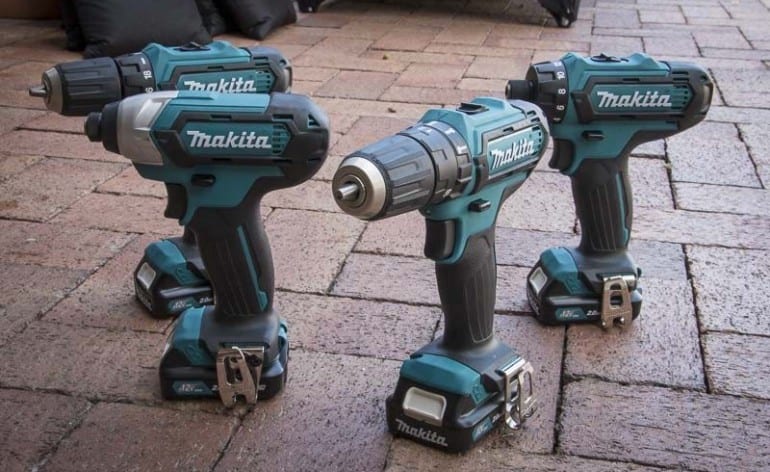
Makita’s 12V drill series is famous for being lightweight and easy to use. Most models weigh less than 2 pounds with the battery attached. That’s a big reason why many homeowners and even professionals like to keep one in their toolbox.
Key Features
- Lightweight design: Easy to hold for long periods, reducing hand fatigue.
- Compact size: Fits into tight spaces—behind cabinets, under sinks, or inside vehicles.
- Adequate power: Usually delivers between 200-280 in-lbs of torque. Enough for drilling holes in wood, plastic, and thin metal.
- Quick charging: 12V batteries often charge in 30-50 minutes.
- Affordable price: Lower voltage means a lower price tag.
Practical Uses
A 12V Makita drill is perfect for:
- Installing shelves or curtain rods.
- Building flat-pack furniture.
- Small repairs in apartments or homes.
- Working overhead or in awkward spaces.
Many professionals use a 12V drill for tasks like removing electrical panels or assembling switchboards. It’s small, quiet, and doesn’t scare customers with loud noise.
Not-so-obvious Insights
- Less risk of stripping screws: The lower torque makes it harder to overdrive or snap small screws—useful for delicate jobs.
- Lighter batteries: Carrying extra batteries is easier, making it better for jobs far from outlets.
Makita 18v Drill: Features And Benefits
If you need more power, the Makita 18V drill is the answer. This line is built for tough jobs, regular use, and heavy materials. The batteries are bigger, and the motor is stronger.
Key Features
- High torque: Delivers 400-530 in-lbs (sometimes more) of torque, depending on the model.
- Faster speed: Drills through wood, metal, and even concrete with ease.
- Longer battery life: 18V batteries often last 2-3 times longer per charge.
- Rugged build: Designed to survive drops, dust, and rough handling.
- Advanced features: Some models have brushless motors, adjustable clutch settings, and LED work lights.
Practical Uses
An 18V Makita drill is best for:
- Building decks or fences.
- Drilling large holes in wood, masonry, or metal.
- Driving long screws or lag bolts.
- Construction, carpentry, and remodeling.
Contractors often rely on 18V drills because they can do almost any job without slowing down. They are also better for attachments like hole saws or mixing paddles.
Not-so-obvious Insights
- Better for attachments: Higher torque means you can use accessories like spade bits, augers, or wire brushes without stalling.
- More common on job sites: Batteries are often interchangeable with other Makita 18V tools, which saves money in the long run.
Direct Comparison: 12v Vs 18v Makita Drill
To make things clear, let’s look at the main differences in a side-by-side format.
| Feature | Makita 12V Drill | Makita 18V Drill |
|---|---|---|
| Weight | 1.8 – 2.2 lbs (with battery) | 3.5 – 4.2 lbs (with battery) |
| Torque | 200-280 in-lbs | 400-530+ in-lbs |
| Battery Life | Short to moderate (1.5-2.0Ah) | Long (2.0-5.0Ah) |
| Size | Compact, fits tight spaces | Larger, less maneuverable |
| Price Range | $60 – $110 (kit) | $110 – $200+ (kit) |
| Best For | Homeowners, light DIY | Professionals, heavy-duty work |
Detailed Performance Analysis
Power And Torque
The biggest difference is torque. Torque is the force that turns the drill bit. For most household tasks, 200 in-lbs is enough. But for drilling into hardwood, steel, or thick masonry, you’ll want 400+ in-lbs that only an 18V drill can provide.
For example, trying to drill a 1-inch hole in oak with a 12V drill often causes the motor to stall. An 18V drill, however, handles it smoothly.
Speed And Control
Speed is measured in revolutions per minute (RPM). 12V drills usually reach up to 1,300 RPM, while 18V drills can go up to 1,900 RPM. This extra speed helps with larger bits and tougher materials.
But there’s a trade-off: control. The 12V’s lower power makes it gentler and less likely to damage delicate material. If you’re assembling electronics or working with softwood, the 12V offers more finesse.
Battery Performance
Battery technology has improved a lot. Makita’s 18V LXT batteries are famous for long runtime and fast charging. A 5.0Ah 18V battery can last all day for most users. In comparison, 12V batteries (usually 1.5-2.0Ah) last 1-2 hours of continuous use.
However, 12V batteries are lighter and cheaper. They also charge quickly—sometimes in less than 45 minutes.
Durability And Build
Makita builds both 12V and 18V drills with quality materials. However, the 18V models are often reinforced for drops, dust, and job site abuse. If you work outdoors or in construction, this extra toughness matters.
12V drills, while sturdy, are not meant for repeated heavy-duty use. You’ll notice more wear if you push them too hard.
Size And Ergonomics
The 12V drill wins for comfort and portability. Its slim handle fits small hands, and the lower weight means less fatigue. You can use it above your head, in corners, or for long periods without strain.
The 18V drill is bulkier. If you have smaller hands or need to use the drill for hours, the extra weight can become uncomfortable. However, the grip is usually more padded, and vibration is reduced thanks to the larger motor.
For people with arthritis or those who want a drill for light use, the 12V is often the better choice.
Battery System Compatibility
One of the smartest things Makita did is make their 18V LXT battery platform compatible across more than 200 tools. This means you can buy one set of batteries and use them for drills, saws, grinders, and even vacuums.
The 12V platform (CXT) is more limited. There are fewer tools (about 50+), and you can’t use 12V batteries in 18V tools. If you plan to build a collection of Makita tools, the 18V system is a better long-term investment.
Price And Value For Money
A big reason people pick 12V drills is cost. On average, a 12V Makita drill kit costs $60 to $110. This includes the drill, charger, and at least one battery. For casual users, it’s great value.
An 18V Makita drill kit usually starts at $110 and goes up to $200 or more—especially if you want brushless motors or extra batteries.
But for professionals, spending more on an 18V drill means fewer replacements and more productivity. The extra cost is often worth it if you use your drill daily.
Credit: www.protoolreviews.com
Use Case Scenarios
To make your decision easier, here are some real-world scenarios:
When To Choose A 12v Drill
- You live in an apartment and do mostly repairs or assembly.
- You need a second, lighter drill for overhead work or electrical jobs.
- You want a backup tool for quick tasks.
- You build models or work with electronics.
When To Choose An 18v Drill
- You are a contractor, carpenter, or serious DIYer.
- You work with hardwood, metal, or thick materials.
- You need to drill large holes or drive long screws regularly.
- You want to expand into other battery-powered Makita tools.
Common Mistakes When Choosing
- Overbuying power: Some buyers think bigger is always better. If you only do light repairs, an 18V drill is overkill.
- Ignoring battery platform: If you already own 18V Makita tools, sticking to the same battery system saves money.
- Not considering weight: A heavier tool can cause fatigue and even injury if used above your head.
- Looking only at price: The cheapest tool isn’t always the best for your needs. Think about long-term use and compatibility.
Credit: www.youtube.com
Makita Drill Model Examples
Here are two popular models from each voltage range.
| Model | Voltage | Torque | Weight | Price (approx.) |
|---|---|---|---|---|
| Makita FD07R1 | 12V | 280 in-lbs | 2.3 lbs | $99 |
| Makita DF012DSE | 12V | 100 in-lbs | 1.2 lbs | $89 |
| Makita XFD10R | 18V | 480 in-lbs | 3.3 lbs | $129 |
| Makita XPH12Z | 18V | 530 in-lbs | 4.2 lbs | $159 |
Battery Options And Charging
Makita offers a variety of battery capacities (measured in Ah or amp-hours). The higher the number, the longer the battery lasts.
12v Batteries
- Typical sizes: 1.5Ah, 2.0Ah, 4.0Ah
- Lightweight, cost less
- Charge time: 30-50 minutes
18v Batteries
- Sizes: 2.0Ah, 3.0Ah, 5.0Ah, 6.0Ah
- Heavier, but offer much longer runtime
- Charge time: 45-60 minutes (for 3.0Ah)
Many users buy extra batteries to avoid downtime. For big projects, a spare is almost essential.
Drill Attachments And Versatility
Both the 12V and 18V Makita drills support a range of attachments:
- Keyless chucks: Most models offer quick bit changes.
- Belt clips: Handy for carrying while climbing ladders.
- LED work lights: Useful in dark corners.
- Impact driver function: Some 18V models offer dual-mode for extra torque.
But the 18V line has more advanced attachments, such as right-angle adapters, mixing paddles, and rotary brushes. These usually require the extra power only the 18V drills can provide.
Maintenance And Longevity
Makita tools are known for lasting years with proper care. Here’s how to make your drill last:
- Keep batteries charged: Don’t leave them empty for long periods.
- Clean vents: Dust can reduce motor life, especially on job sites.
- Store in a dry place: Moisture can damage electronic parts.
18V drills, with their rugged build, tend to survive drops or rough handling better. But if you’re careful, a 12V drill can last just as long for light use.
Environmental And Safety Considerations
Battery-powered tools are safer and greener than corded models or gas-powered tools. However, batteries do wear out.
- Recycle old batteries at certified centers. Never throw them in the trash.
- Avoid overloading: Using a 12V drill for heavy tasks can overheat the motor.
- Use eye protection: Even small drills can throw debris.
Makita’s battery recycling programs make it easier to dispose of old batteries responsibly. Check local options for safe disposal.
Who Should Buy Which?
The 12v Drill Is Best If:
- You value light weight and portability.
- Your tasks are mostly small and simple.
- You have a limited budget.
- You rarely need to drill into hard materials.
The 18v Drill Is Best If:
- You work on demanding projects.
- You need a drill that doubles as an impact driver or hammer drill.
- You plan to buy more Makita cordless tools.
- You need long battery life for all-day use.
Real-world Feedback
Many users who buy a 12V drill for home use say they’re surprised how much it can do. They also appreciate not having sore arms after an afternoon of work.
Contractors and serious DIYers who use 18V drills often say they would never go back to lower voltage. The speed and power make a big difference, especially when working with dense materials or on large projects.
One practical tip: If you’re unsure, try borrowing or renting each type for a day. Test them on your actual projects. This hands-on experience is often the best way to feel the difference.
Where To Buy And Warranty
Makita drills are available at most hardware stores and online marketplaces. Always buy from authorized dealers to ensure you get a real product and valid warranty. Makita usually offers a 3-year warranty on both drills and batteries, which covers defects but not misuse or drops.
For more details on Makita’s warranty, you can visit the official Makita Warranty Page.
Credit: www.protoolreviews.com
Frequently Asked Questions
What Tasks Can A Makita 12v Drill Handle?
A Makita 12V drill is great for home repairs, furniture assembly, hanging pictures, and light woodworking. It handles most household jobs, but may struggle with thick steel or hardwood.
Can I Use 12v Batteries In 18v Makita Drills?
No, Makita 12V and 18V batteries are not cross-compatible. Each uses a different battery shape and voltage. Make sure to buy the right batteries for your drill model.
How Long Do Makita Drill Batteries Last Per Charge?
A 12V battery usually lasts 1-2 hours of light use. An 18V battery (especially 3.0Ah or more) can last up to 4-6 hours depending on the task and speed settings.
Are 18v Drills Always Better Than 12v Drills?
Not always. 18V drills are more powerful but heavier and cost more. For small, precise, or overhead work, a 12V drill is often better. Choose based on your real needs, not just power.
Is It Worth Buying An 18v Drill If I Only Use It Occasionally?
If you only do occasional, light tasks, a 12V drill is usually enough and saves money. An 18V drill is better if you plan to take on larger projects or expand your tool collection.
Picking the right Makita drill is about matching the tool to your needs. Power is important, but so is comfort and long-term value. Whether you choose the nimble 12V or the rugged 18V, Makita’s reputation means you’ll get a quality tool that lasts.
Make your choice with confidence, and your projects will be easier and more enjoyable.