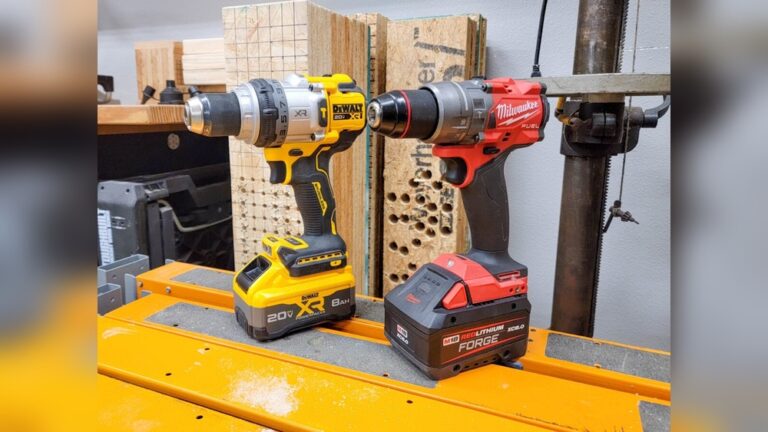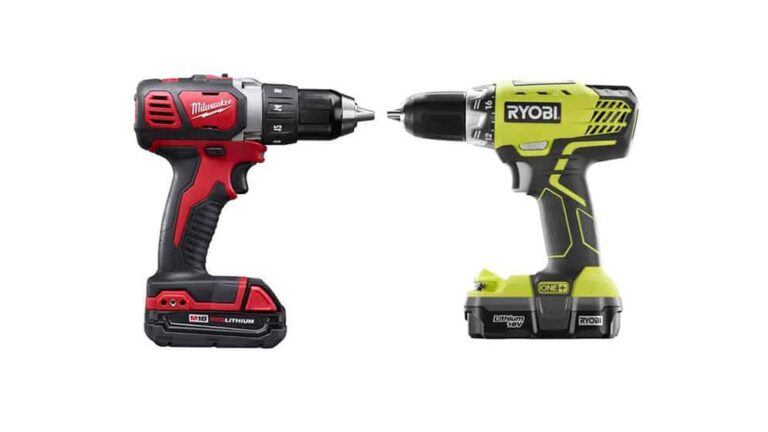
Milwaukee Vs Dewalt Right Angle Drill: An In-depth Comparison
Right angle drills are not just another tool in the box. For electricians, plumbers, carpenters, and even serious DIYers, these tools solve problems that regular drills simply can’t. When working in tight spaces—like between studs or under sinks—a right angle drill is a lifesaver. And among the most popular brands, Milwaukee and Dewalt stand out. But which one is truly better for your needs?
Choosing between Milwaukee and Dewalt right angle drills is not simple. Both brands have loyal fans and long histories of making quality tools. But they offer different features, designs, and even price points. If you’re trying to decide which right angle drill to buy, this detailed comparison will help you make an informed choice.
We’ll break down their strengths and weaknesses, compare the most popular models, and give you real-world advice that goes beyond marketing hype.
Why Right Angle Drills Matter
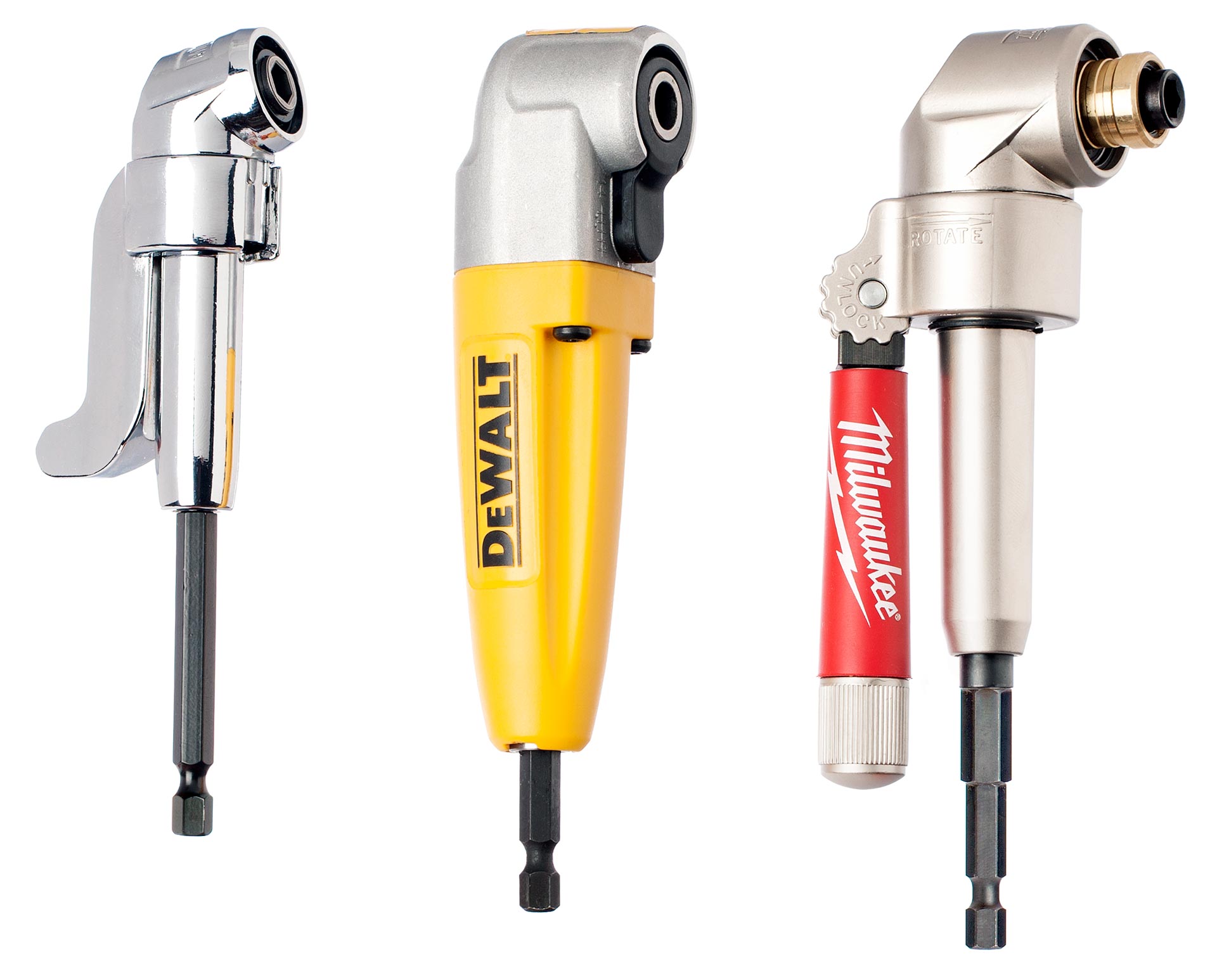
Right angle drills have a unique shape, with the chuck set at a 90-degree angle to the body. This lets you drill or drive screws in places where a standard drill won’t fit—like inside cabinets, between floor joists, or behind pipes.
Professionals use them to run wires, install plumbing, or assemble furniture in tight corners.
Milwaukee and Dewalt are often the first choices because they both offer:
- Brushless motors for longer life and power
- Cordless convenience (most popular models are battery powered)
- Compact designs to fit into small spaces
- Durability to withstand jobsite abuse
But there are key differences in how they deliver these benefits.
Brand Overview: Milwaukee And Dewalt
Before diving into the drills themselves, it’s helpful to know the brands.
Milwaukee Tool is known for its innovation and focus on professional trades. Their M18 line of cordless tools, including right angle drills, are famous for battery life and toughness.
Dewalt is another legendary name, popular with both professionals and DIYers. Their 20V MAX platform is widely used, offering strong power and reliability. Dewalt tools are often praised for comfort and user-friendly features.
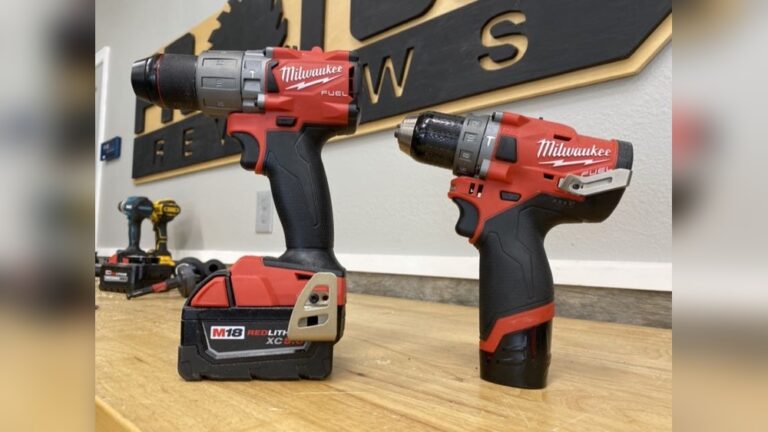
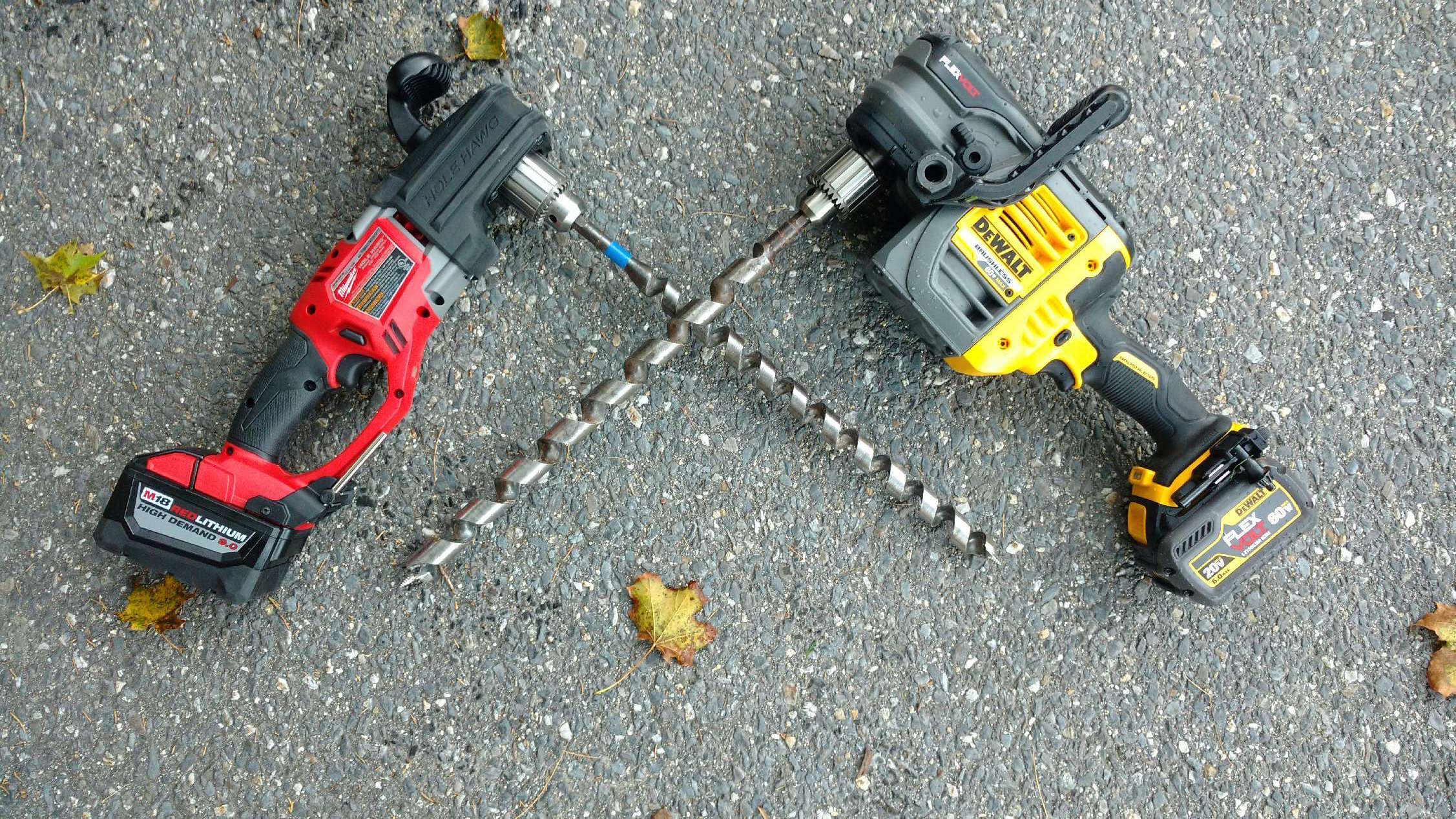
Both brands make several right angle drill models, but for this comparison, we’ll focus on their most popular cordless mid-range options: the Milwaukee M18 Right Angle Drill and the Dewalt 20V MAX Right Angle Drill.
Key Features Compared
Let’s break down the most important features side by side.
| Feature | Milwaukee M18 | Dewalt 20V MAX |
|---|---|---|
| Motor Type | Brushless | Brushless |
| Max Torque | Up to 125 ft-lbs | Up to 100 ft-lbs |
| Speed Settings | 2-speed (0-1,500 RPM) | 2-speed (0-2,000 RPM) |
| Chuck Size | 3/8-inch | 3/8-inch |
| Length | 3.8 inches head length | 4.0 inches head length |
| Weight (with battery) | ~4.3 lbs | ~3.9 lbs |
| LED Light | Yes | Yes |
| Battery System | M18 (18V) | 20V MAX |
| Warranty | 5 years | 3 years |
At first glance, both tools are similar. But look closer, and you’ll see critical differences that affect real-world use.
Power And Performance
For many users, torque and speed are the most important specs. Milwaukee’s M18 right angle drill delivers up to 125 ft-lbs of torque, which is excellent for heavy-duty jobs like boring big holes for plumbing or electrical work. Dewalt’s 20V MAX right angle drill isn’t far behind, with up to 100 ft-lbs. For most tasks, both deliver more than enough power, but Milwaukee has a slight edge for more demanding applications.
Speed also matters, especially for drilling through wood or metal. Dewalt offers a slightly higher top speed at 2,000 RPM compared to Milwaukee’s 1,500 RPM. This can help you drill faster in softer materials, though you may not notice a big difference unless you’re working with thinner materials or smaller bits.
Non-obvious insight: Many beginners focus only on max speed or torque. In real use, the smoothness of power delivery and the tool’s ability to hold that power under load matter more. Milwaukee’s electronics keep the speed steady even when drilling tough materials, which many users say gives it a more “confident” feel.
Ergonomics And Handling
Comfort is easy to overlook—until you’re drilling overhead or reaching into a crawlspace for hours. Both brands design their right angle drills with compact heads and ergonomic grips, but they feel different in the hand.
- Milwaukee uses a slightly chunkier handle, which fits larger hands well and provides a solid, stable grip.
- Dewalt has a slimmer, more contoured grip that some users find more comfortable, especially with smaller hands or when working at awkward angles.
Both tools have their trigger and forward/reverse switch placed for easy access, even in tight spaces. The LED work light is well-positioned on both, reducing shadows when working in dark corners.
Pro tip: Try holding both in a store before buying, if possible. Ergonomics is very personal, and what feels perfect to one person may be uncomfortable to another.
Size And Weight
When space is tight, every inch matters. Milwaukee’s head is slightly shorter at 3. 8 inches, giving it a small advantage in ultra-tight spots. Dewalt’s 4. 0-inch head is still very compact and will fit in most situations.
In terms of weight, Dewalt is lighter by about 0. 4 pounds when both have their standard batteries attached. This might seem minor, but if you’re drilling overhead or carrying the tool all day, a lighter tool can reduce fatigue.
Non-obvious insight: Many users forget to compare weight with the battery attached. Batteries can add significant heft, so always check the “with battery” weight, not just the bare tool.
Battery Platform And Runtime
Both Milwaukee and Dewalt use their popular battery platforms: M18 for Milwaukee (18 volts) and 20V MAX for Dewalt (actually 18 volts nominal, but branded as 20V MAX). These platforms are widely used, so if you already own other cordless tools from the same brand, you can swap batteries between them.
Battery runtime depends on the amp-hour (Ah) rating. Both brands offer batteries from 1. 5Ah to 5. 0Ah and beyond. With a 4. 0Ah battery, you can usually expect several hours of moderate use per charge.
A key advantage: Milwaukee’s M18 batteries are known for long life and good performance in cold weather. Dewalt’s 20V MAX batteries also perform well, but some users report slightly shorter life in freezing temperatures.
Pro tip: If you already have several batteries from one brand, it’s usually cheaper and more convenient to stick with that brand for new tools.
Durability And Build Quality
Both brands are tough, but they use different materials and design philosophies.
- Milwaukee right angle drills are famous for their metal gear cases and heavy-duty plastics. They feel solid and can handle drops or rough handling.
- Dewalt uses reinforced plastics and over-molded grips for impact resistance. While slightly lighter, Dewalt’s tools still hold up well on busy jobsites.
Milwaukee offers a 5-year warranty, compared to Dewalt’s 3-year warranty. This longer coverage gives extra peace of mind, especially if you use your tools daily.
Non-obvious insight: Milwaukee’s longer warranty isn’t just marketing—it reflects real-world durability. Many users report Milwaukee drills lasting over a decade with only minimal maintenance.
Credit: sportpartnermagazine.nl
Versatility And Applications
Both drills are designed for professional use but serve different strengths.
Milwaukee’s right angle drill is often chosen by electricians and plumbers who need maximum torque for drilling large holes in studs or joists. Its power and ruggedness make it reliable for heavy-duty use.
Dewalt’s right angle drill is popular with cabinet installers, HVAC technicians, and DIYers. Its lighter weight and faster speed make it great for driving screws or drilling smaller holes quickly.
Both models can handle:
- Drilling holes for wiring or pipes
- Driving screws in hard-to-reach places
- Assembling furniture or cabinetry
- Working overhead or in crawlspaces
But Milwaukee’s extra torque makes it better for the toughest jobs, while Dewalt’s lighter build is easier for everyday tasks.
Controls And Adjustability
A good right angle drill needs easy-to-use controls. Both brands offer:
- Variable speed triggers for precise control
- Two-speed gearboxes to switch between power and speed
- Forward/reverse switches near the trigger
- LED work lights for visibility
Milwaukee’s gear selector is larger and easier to switch with gloves on—a small detail that makes a big difference in cold or dirty environments. Dewalt’s trigger is a bit smoother, giving fine control for delicate work.
Practical tip: When using either drill, always start at low speed for better control, then increase as needed. This reduces the chance of damaging materials or stripping screws.
Credit: www.aconcordcarpenter.com
Accessories And Compatibility
Both Milwaukee and Dewalt offer a range of accessories, from right angle drill bits to belt clips and carrying cases.
- Milwaukee M18 tools are compatible with the full M18 range, including lights, vacuums, and radios.
- Dewalt 20V MAX tools work with their FlexVolt batteries and a wide range of 20V MAX accessories.
Both drills use standard 3/8-inch chucks, accepting most common drill and driver bits. Milwaukee’s all-metal chuck is a bit more robust, while Dewalt’s keyless chuck is quick and easy to use.
Price And Value
Pricing can vary depending on where you shop and whether you buy the bare tool or a kit with batteries and charger.
On average:
- Milwaukee M18 Right Angle Drill (bare tool): $160 – $180 USD
- Dewalt 20V MAX Right Angle Drill (bare tool): $130 – $150 USD
Kits with batteries and charger usually add $50–$100 to the price.
Value tip: Don’t just look at the price tag. Consider battery compatibility, warranty length, and the types of jobs you’ll do most. Sometimes, paying a bit more upfront saves money in the long run if the tool lasts longer or fits your other tools.

Credit: www.youtube.com
Real-world User Experiences
What do real users say after months or years of using these drills?
- Milwaukee fans love the drill’s power and reliability. Many electricians say it’s their favorite for rough-ins and large holes. Several mention using the same drill for over 5 years with no issues.
- Dewalt users often mention the lighter weight and comfortable grip. DIYers and cabinet installers say it’s easy to handle for long periods and rarely overheats.
One non-obvious thing that comes up in reviews: trigger sensitivity. Milwaukee’s trigger is stiffer, reducing accidental starts, while Dewalt’s is softer—good for fine control but easier to bump by accident.
Milwaukee Vs Dewalt: Side-by-side Comparison Table
Here’s a quick visual comparison of the most important factors:
| Category | Milwaukee M18 | Dewalt 20V MAX |
|---|---|---|
| Power (Torque) | Higher (up to 125 ft-lbs) | Good (up to 100 ft-lbs) |
| Speed | 1,500 RPM | 2,000 RPM |
| Weight (w/ battery) | 4.3 lbs | 3.9 lbs |
| Head Length | 3.8 inches | 4.0 inches |
| Warranty | 5 years | 3 years |
| Battery Platform | M18 (18V) | 20V MAX |
| Best For | Heavy-duty, pro jobs | Light-medium, all-day use |
| Price (bare tool) | $160–$180 | $130–$150 |
Which Right Angle Drill Should You Choose?
The final choice depends on your needs, experience, and current tool setup.
Choose Milwaukee if:
- You need maximum power for large holes in wood or metal
- You want a tool that can take jobsite abuse
- You already own Milwaukee M18 tools and batteries
- A longer warranty is important to you
Choose Dewalt if:
- You prefer lighter, more comfortable tools for long periods of use
- You work in finished spaces where speed and finesse matter
- You already own Dewalt 20V MAX batteries
- Price is a bigger concern, but you still want quality
Pro tip: For most homeowners or DIYers, Dewalt may be the better fit due to its lighter weight and lower price. For professionals, especially electricians or plumbers, Milwaukee’s extra power and durability are worth the investment.
Common Mistakes To Avoid
- Ignoring battery compatibility: If you already have batteries from one brand, switching means buying new batteries and chargers—a big extra cost.
- Focusing only on price: A cheaper tool that doesn’t last or isn’t powerful enough will cost more in the long run.
- Overestimating your needs: Don’t buy the most powerful drill if your jobs are light-duty. Extra weight and size can be a disadvantage.
- Not testing ergonomics: A tool that feels awkward will slow you down and cause fatigue. Always handle before buying, if possible.
- Forgetting about warranty and support: Longer warranties often mean better long-term reliability.
Extra Features Worth Considering
Both Milwaukee and Dewalt have added small but useful features to their right angle drills:
- LED lights: Both have bright LEDs near the chuck, but Milwaukee’s stays on a bit longer after releasing the trigger.
- Belt clips: Standard on both, helpful for climbing ladders or moving around a jobsite.
- Battery fuel gauge: Milwaukee’s batteries have a clear charge indicator; Dewalt’s newer batteries do too, but check before buying.
Pro insight: Some Milwaukee models have a “lock-off” switch to prevent accidental activation—useful if you often carry the drill in a crowded tool bag.
The Bottom Line
Milwaukee and Dewalt both make excellent right angle drills. Milwaukee is the stronger choice for heavy, professional use, while Dewalt is a better fit for lighter jobs or users who value comfort. Think about the types of work you do, your current battery system, and your budget before deciding.
If you want more technical data or want to compare other models, check the official Milwaukee and Dewalt product pages or look for detailed tool reviews from trusted sources like Pro Tool Reviews.
Frequently Asked Questions
Which Right Angle Drill Is More Durable, Milwaukee Or Dewalt?
Both are built to last, but Milwaukee often uses more metal in its construction and offers a longer 5-year warranty. This makes it a top choice for tough jobsite use. Dewalt is also durable but uses more reinforced plastic, which helps reduce weight.
Can I Use My Existing Batteries With These Right Angle Drills?
Yes, if you have other Milwaukee M18 or Dewalt 20V MAX tools, the batteries are interchangeable within each brand’s system. This is a big advantage if you already own cordless tools from one brand.
Are These Drills Suitable For Diy, Or Are They Only For Professionals?
Both are suitable for DIY users, though Milwaukee is often chosen by professionals due to its power and durability. Dewalt’s lighter weight and lower price make it very attractive for home users or those who do a mix of light and medium tasks.
Do These Right Angle Drills Come With Batteries And A Charger?
Usually, you can buy them as a bare tool (no battery/charger) or as a kit with battery and charger included. The kit costs more but is a good choice if you don’t already own compatible batteries.
What Size Holes Can These Drills Handle?
Both can handle hole saws up to 2-1/8 inches in wood or similar materials. For larger holes or tougher materials, Milwaukee’s higher torque makes it a safer choice.
Choosing the right angle drill is about matching the tool to your work, your hand, and your budget. With this guide, you can buy confidently, knowing you’ve looked beyond the labels to what really matters.