Choosing the right power drill can make a big difference in your work, whether you are a professional contractor or a DIY enthusiast. Among popular brands, DeWalt stands out for its reliability and performance. But one big question confuses many buyers: should you go for a brushless or brushed DeWalt drill? Both types have their own strengths and weaknesses. Understanding these differences helps you get the best tool for your needs and budget. This guide will explain how each motor works, compare real-world performance, and highlight what really matters when picking your next DeWalt drill.
How Drill Motors Work: Brushed Vs Brushless
Before comparing, it’s important to know how these two motor types function. This knowledge will help you understand why their performance and price differ.
Brushed Motor Basics
A brushed motor uses carbon brushes and a commutator to send electricity to spinning coils. The friction between the brushes and commutator creates movement, which turns the drill bit.
- Simple design: Brushed motors have been around for over a century. Their design is straightforward and easy to repair.
- Physical contact: The motor relies on brushes making contact with the commutator, which causes wear over time.
Brushless Motor Basics
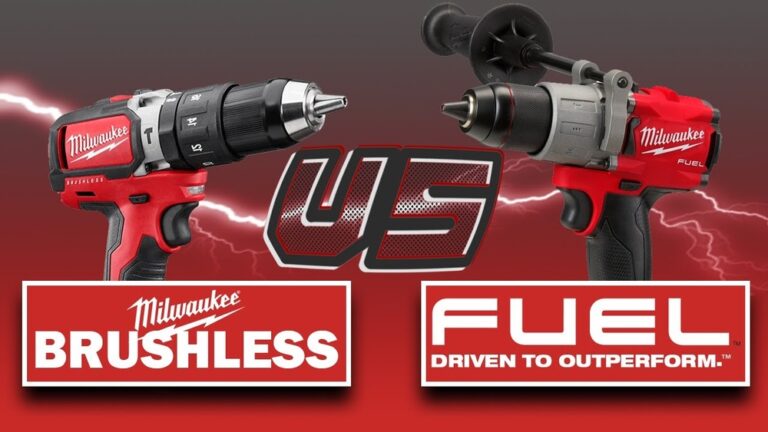
A brushless motor uses electronics instead of brushes to deliver power. Magnets and sensors control the rotation. No physical contact is needed for the motor to work.
- Modern technology: Brushless motors are newer and use smart electronics.
- No friction: Since there are no brushes, there’s less heat, noise, and wear.
Performance Comparison: Dewalt Brushless Vs Brushed Drill
When choosing between a DeWalt brushless and brushed drill, it’s not just about the price or a label. It’s about how the tool works in real life.
Power And Efficiency
Brushless drills are known for being more powerful and efficient. Because there’s no energy lost through friction, more battery power goes directly to turning the drill.
- A DeWalt brushless drill can provide up to 30% more runtime compared to a similar brushed model.
- Brushless motors often deliver higher torque, so they can handle tougher jobs like drilling into concrete or thick wood.
Brushed drills use more battery power to overcome friction. This means they may slow down or stop sooner during heavy use.
Heat And Durability
Heat is the enemy of any motor. Brushed drills generate more heat because of the friction between the brushes and commutator. This can lead to faster wear and tear.
Brushless drills stay cooler during use. This means less maintenance and a longer life, especially for professionals who use their drills every day.
Noise And Vibration
Many users are surprised by how much quieter a brushless drill is. With fewer moving parts and less friction, brushless models make less noise and have less vibration.
This is important for comfort during long jobs. Less vibration also means less strain on your wrist and arm.
Maintenance
Brushed drills need regular maintenance. The carbon brushes will eventually wear down and must be replaced. If you use your drill a lot, this can happen every few months.
Brushless drills require almost no maintenance, since there are no brushes to replace. This is a big advantage for busy professionals.
Cost
Brushless drills usually cost more upfront. The advanced motor technology and electronics add to the price. But many users feel the extra cost is worth it for the long-term savings in battery life, maintenance, and performance.
Brushed drills are cheaper to buy, making them popular for beginners or those on a tight budget. For light tasks, a brushed drill may be enough.
Weight And Size
While not always true, brushless drills are often a bit lighter and more compact. The motor can be smaller because it doesn’t need space for brushes and a commutator.
For jobs where space is tight, or if you need to work overhead, a lighter tool can make a difference.
Key Features: Dewalt Brushless Drill
Understanding the unique features of DeWalt brushless drills can help you see why they are popular among serious users.
- Smart electronics: Brushless drills adjust power automatically. If you drill into a harder material, the tool can sense this and deliver more power without overheating.
- Better battery life: Brushless motors use less energy, so you can drill more holes on a single charge.
- Longer tool life: Less heat and no brush wear means these tools can last for years, even with daily use.
- Consistent performance: Power stays strong even as the battery drains, which is not always true for brushed drills.
- Quieter operation: Less noise makes them suitable for indoor work or noise-sensitive environments.
Key Features: Dewalt Brushed Drill
DeWalt brushed drills are still in demand, especially for users who value simplicity.
- Lower cost: The main advantage is price. Brushed drills are more affordable and offer good value for light to medium tasks.
- Simple repairs: If the drill stops working, replacing the brushes often fixes the problem.
- Proven technology: The design has been used for decades and is easy to understand.
- Wide availability: Brushed models are widely available, including older DeWalt lines and budget kits.
- Good for beginners: For those just starting with power tools, brushed drills are easy to use and maintain.

Credit: www.travers.com
Dewalt Brushless Vs Brushed: Real-world Examples
To understand the difference, let’s look at two popular DeWalt models: the DCD771 (brushed) and the DCD791 (brushless).
| Feature | Dewalt DCD771 (Brushed) | Dewalt DCD791 (Brushless) |
|---|---|---|
| Motor Type | Brushed | Brushless |
| Max Torque | 300 UWO | 460 UWO |
| Battery Runtime | Standard | Up to 57% longer |
| Weight | 3.6 lbs | 3.4 lbs |
| Price (approx.) | $99 | $149 |
(uwo = Unit Watts Out, Dewalt’s Measurement Of Power Output.)
As the table shows, the brushless DCD791 delivers more power, longer battery life, and slightly less weight. However, it costs more. For home use or light work, the DCD771 may be enough.
When To Choose A Brushless Dewalt Drill
A brushless DeWalt drill is best if you:
- Use your drill for long periods or heavy-duty tasks.
- Want maximum battery life.
- Need a tool that will last for many years.
- Work in tight spaces or overhead.
- Dislike noise and vibration.
Professionals or anyone who uses a drill daily will quickly notice the benefits. The higher price is usually worth it for the extra durability and performance.
When To Choose A Brushed Dewalt Drill
A brushed DeWalt drill is a smart choice if you:
- Have a limited budget.
- Only use your drill for simple tasks (e.g., hanging shelves, assembling furniture).
- Don’t mind replacing brushes every few years.
- Value a tool that’s easy to repair.
For beginners, homeowners, or people who use their drill occasionally, a brushed model can be all you need.
Real-world Testing: What Users Say
Many people want to know if the brushless vs brushed debate really matters in daily life. Here’s what real DeWalt drill users often report:
- “My brushless drill doesn’t slow down, even after hours of use.”
- “I replaced the brushes on my old DeWalt and it worked like new.”
- “The brushless model cost more, but I save money on batteries.”
- “For my home projects, the brushed drill is enough.”
These comments show that for tough, frequent jobs, brushless is better. For light or occasional use, a brushed drill can make more sense.
Factors To Consider When Buying
When picking between a DeWalt brushless or brushed drill, don’t just look at the motor type. Consider these factors:
- Type of work: Heavy-duty jobs need more power and runtime. Light jobs don’t.
- Budget: Don’t stretch your finances. A brushed drill can be a smart buy for simple needs.
- Battery platform: DeWalt 20V Max batteries fit both brushless and brushed models. Consider if you already have compatible batteries.
- Size and weight: If you work overhead or in tight spaces, a lighter brushless model may be easier to handle.
- Longevity: Are you looking for a tool that lasts a decade, or do you upgrade often?
Comparing Other Features
Many buyers focus only on the motor. But other features also impact your decision.
Speed Settings
Most DeWalt drills offer two speed settings. But higher-end brushless models may have more precise controls or even electronic speed adjustment.
Chuck Size
A 1/2-inch chuck is standard for most jobs. Some compact brushed models use a 3/8-inch chuck, which is lighter but limits the size of bits you can use.
Built-in Light
Brushless DeWalt drills often include an LED work light. This feature is useful for working in dark spaces, but it’s not exclusive to brushless models.
Tool Connectivity
Some brushless DeWalt drills support smart features like Tool Connect, which lets you track, customize, or lock your tool using a smartphone app. This is mostly for professionals or fleet managers.
Credit: ahturf.com
Common Mistakes When Choosing
People often make these mistakes when buying a DeWalt drill:
- Buying the cheapest model without thinking about future needs. Upgrading later can cost more.
- Ignoring battery compatibility. If you own DeWalt tools, stick to the same battery platform.
- Overestimating needs. A high-end brushless drill is powerful, but may be overkill for simple home projects.
- Underestimating maintenance. Brushed motors need brush replacement. Some users forget this and discard a repairable drill.
Cost Over Time: Is Brushless Worth The Money?
Many buyers focus on the higher price tag of brushless drills. But if you use your drill a lot, the real cost is lower over time because:
- You buy fewer replacement batteries.
- Less downtime for repairs and brush changes.
- Longer tool life means fewer replacements.
Let’s look at a simplified cost comparison over three years.
| Item | Brushed Drill | Brushless Drill |
|---|---|---|
| Initial Price | $100 | $150 |
| Replacement Brushes | $20 (2 sets) | $0 |
| Extra Battery | $60 | $0 |
| Total (3 years) | $180 | $150 |
This simple example shows that, for heavy users, a brushless drill can actually save money in the long run.
Who Should Not Buy A Brushless Dewalt Drill
Even with all the benefits, a brushless drill is not for everyone. If you:
- Only do occasional light work.
- Have a very limited budget.
- Already own a brushed drill that meets your needs.
It makes sense to stick with a brushed model. There’s no need to pay more for features you won’t use.
Dewalt’s Warranty And Support
DeWalt offers strong warranties on both brushless and brushed drills. Most models come with:
- 3-year limited warranty
- 1-year free service
- 90-day money-back guarantee
This support reduces the risk of choosing either type.

Credit: www.youtube.com
Environmental Impact
Brushless drills are generally more energy-efficient, which means less electricity used for the same amount of work. Over time, this can reduce the environmental footprint of your tool use. Also, fewer parts to replace (like brushes) means less waste.
Dewalt Drill Accessories And Compatibility
Both brushed and brushless DeWalt drills use the same 20V Max battery system. You can use the same batteries and chargers, which makes upgrading or owning multiple tools easier. Most drill bits and accessories are also compatible between both types.
Advanced Insights: What Most People Miss
- Performance in Extreme Conditions: Brushless motors handle cold or hot environments better than brushed ones. Brushes can wear out or fail faster in extreme temperatures, while brushless electronics are more stable.
- Consistent Torque Delivery: As brushed motors age, torque can drop. Brushless drills keep their torque almost unchanged throughout their life, which is important for jobs requiring precision.
Summary Table: Dewalt Brushless Vs Brushed Drills
For a quick overview, here’s a summary of the main differences:
| Feature | Brushless | Brushed |
|---|---|---|
| Power | Higher | Standard |
| Battery Life | Longer | Shorter |
| Maintenance | Low | Brush replacement |
| Noise | Low | Higher |
| Durability | Higher | Lower |
| Upfront Cost | Higher | Lower |
| Best For | Professionals, heavy use | DIY, light use |
Frequently Asked Questions
What Is The Main Difference Between A Dewalt Brushless And Brushed Drill?
The main difference is the motor type. Brushless drills use electronics instead of carbon brushes, making them more efficient, powerful, and durable. Brushed drills use physical brushes that create more friction, heat, and need more maintenance.
Are Dewalt Brushless Drills Worth The Extra Money?
For frequent or heavy-duty use, brushless drills are usually worth the higher price. They last longer, deliver more power, and use less battery. For simple, light jobs, a brushed drill can be enough.
Can I Use The Same Battery For Both Dewalt Brushless And Brushed Drills?
Yes. Most DeWalt 20V Max batteries are compatible with both brushless and brushed drills. This makes it easy to switch between tools or upgrade later.
How Often Do I Need To Replace Brushes In A Dewalt Brushed Drill?
It depends on use. For light home use, brushes may last many years. For daily heavy use, they might need replacement every few months. Always check the drill’s manual for specific instructions.
Where Can I Find More Technical Information About Motor Types?
You can learn more about electric motor technology at the Wikipedia Brushless DC Motor page.
Power tools are a big investment. By understanding the differences between DeWalt brushless and brushed drills, you can choose the best tool for your work, save money, and enjoy better performance. Take your time, consider your needs, and you’ll make a choice you won’t regret.