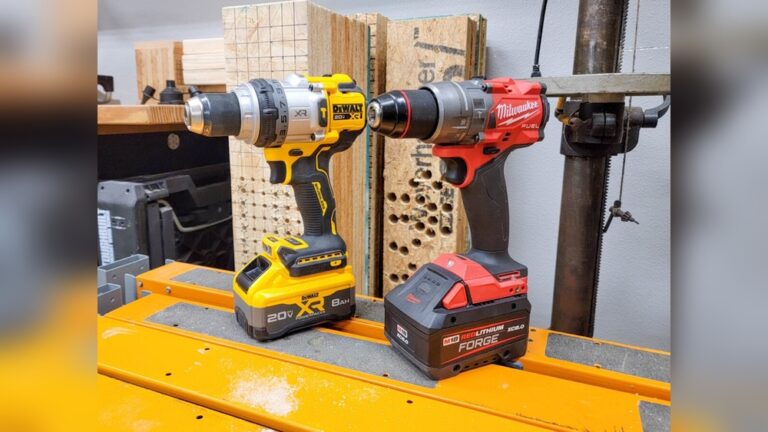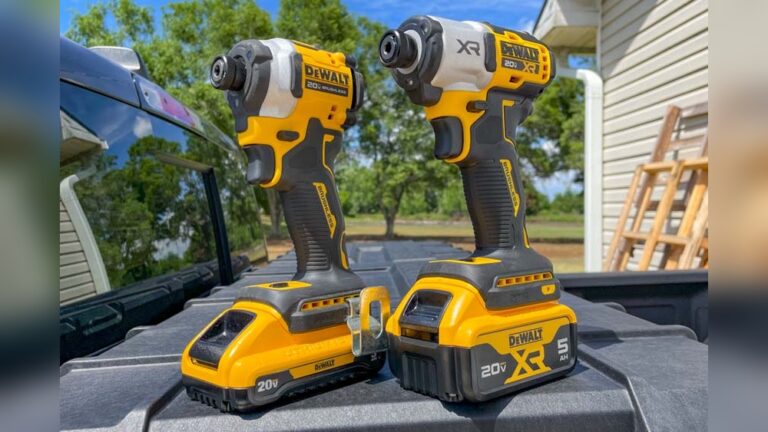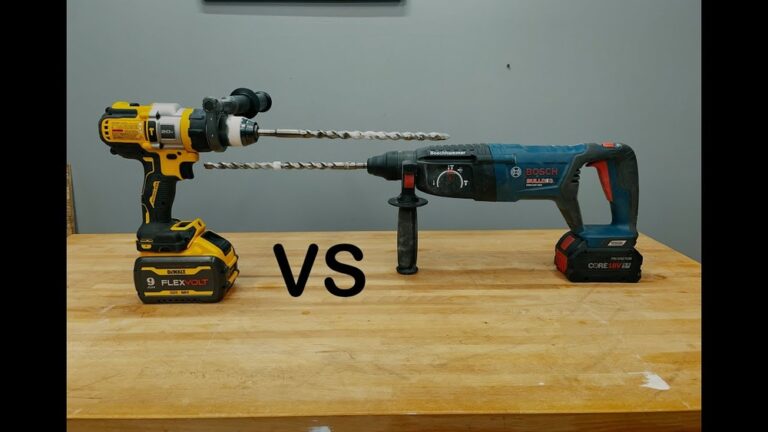
Choosing between a Makita drill and a Bosch drill is not as simple as just picking a color or a price tag. Both brands have deep roots in power tool history, and they offer a wide range of models for home users, professionals, and everyone in between. If you stand in a hardware store or browse online, it’s easy to get overwhelmed by technical terms, numbers, and opinions. This guide is here to clear things up. You’ll learn how Makita and Bosch drills compare in real-world use, what the specs really mean, and which brand might actually suit your needs better. By the end, you’ll have the confidence to pick the right tool for you—without second-guessing your decision.
Brand Backgrounds: Makita And Bosch
Understanding a brand’s history can tell you a lot about what to expect from their products. Makita is a Japanese company, founded in 1915. They started with electric motors and have evolved into a top manufacturer for cordless tools, especially drills. Bosch, on the other hand, is a German powerhouse that began in 1886. Their engineering is famous for precision and durability. Both have global reach and strong reputations, but their approach to design and innovation is slightly different.
Makita tends to focus on lightweight, ergonomic designs and battery advancements. Bosch, meanwhile, is known for robust build quality and innovative features, especially in electronics and smart tools. If you ask experienced tradespeople, you’ll often hear stories of Makita drills lasting for years with daily use, while Bosch gets praise for its reliability and solid feel in hand.
Key Types Of Drills Offered
Both brands offer several types of drills. It’s important to know the differences, because not all drills are equal.
- Cordless Drills: The most popular type for homeowners and professionals. Battery-powered for portability.
- Hammer Drills: Add a pounding action, perfect for drilling into concrete or masonry.
- Impact Drivers: Designed for driving screws and bolts with extra power.
- Corded Drills: Plug into the wall for unlimited run time, often heavier and more powerful.
Makita and Bosch both compete in all of these categories, but cordless tools have become the most popular due to battery improvements.

Credit: www.youtube.com
Performance: Power, Speed, And Torque
When comparing drills, three numbers matter most: power (voltage), speed (RPM), and torque (Nm). Let’s see how Makita and Bosch stack up.
| Brand & Model | Voltage | Max Torque | Max RPM |
|---|---|---|---|
| Makita XFD131 | 18V | 440 in-lbs (50 Nm) | 1,900 |
| Bosch GSR18V-190B22 | 18V | 480 in-lbs (54 Nm) | 1,700 |
As you can see, both brands offer similar voltage in their popular models. Torque tells you how much force the drill can apply. Bosch has a slight edge in torque, which helps with stubborn screws or tough materials. However, Makita’s slightly higher RPM means it drills a bit faster in softer materials. For most users, both are powerful enough for home and professional use.
Battery Technology And Runtime
The move from corded to cordless drills happened because of battery improvements. Let’s see how Makita and Bosch compare in this area.
Makita uses the LXT battery platform. Their 18V lithium-ion batteries are known for fast charging and long life. Some users report getting more than 500 charge cycles before seeing a drop in performance. Makita also offers a wide range of tools that use the same battery, making it easy to expand your tool collection without buying new batteries every time.
Bosch’s 18V battery system is also impressive. They offer “CoolPack” technology, which keeps batteries cooler and extends their lifespan. Bosch batteries often work across more than 40 tools, from drills to saws. Charging times are a bit longer than Makita, but Bosch batteries tend to hold a charge well during storage.
Here’s a quick comparison:
| Brand | Battery Type | Charge Time | Estimated Runtime (per charge) |
|---|---|---|---|
| Makita | 18V LXT Li-ion | ~30 min (3.0Ah) | Up to 2 hours heavy use |
| Bosch | 18V Li-ion CoolPack | ~45 min (4.0Ah) | Up to 2.5 hours moderate use |
Non-obvious insight: Many beginners forget that battery compatibility matters. If you already own Makita or Bosch tools, buying drills from the same brand lets you swap batteries, saving money and time.
Ergonomics And User Comfort
A drill that feels awkward can cause fatigue or even injury over time. Makita is famous for its lightweight design and comfortable grip. Many users say Makita drills feel well-balanced, making them easier to use overhead or for long periods.
Bosch drills are usually a bit heavier, but many people like their solid, sturdy feel. Bosch often includes extra grip textures and anti-vibration features. Some Bosch models have special handles that rotate or lock for different tasks, which can be a big help in tight spaces.
If you have smaller hands or need to use a drill for hours, Makita may feel more comfortable. If you prefer a heavier, solid tool that absorbs vibrations well, Bosch is worth considering.
Durability And Build Quality
Both brands have a strong reputation for durability, but they approach it differently. Makita uses high-grade plastics and metal gears to balance weight and toughness. Their drills often survive drops and rough treatment on job sites.
Bosch drills are known for thick casings and reinforced chucks. Some Bosch models are even rated for drops from 10 feet (about 3 meters). Bosch often uses all-metal gearboxes for extra life.
A common mistake: Many buyers assume all drills are waterproof or dustproof. In reality, only a few higher-end models (from both brands) offer extra protection against water or dust. If you work outdoors or in dirty conditions, check for IP ratings or weatherproof features.
Features And Technology
Modern drills come packed with features. Let’s compare what Makita and Bosch offer:
- LED lights: Both brands include LED lights on most models, but Makita’s are often brighter and better placed.
- Clutch settings: Makita typically offers more precise clutch settings, which helps prevent overdriving screws.
- Brushless motors: Both brands have brushless options, which last longer and run cooler.
- Smart electronics: Bosch sometimes adds Bluetooth or smart-tool features, like tracking or custom speed settings via an app.
- Belt hooks and storage: Makita tends to include belt hooks and cases, while Bosch focuses on stackable storage systems.
If you need smart connectivity or advanced electronics, Bosch is usually ahead. For pure drilling and driving, Makita’s extra clutch options and bright lights are more useful for most users.
Price And Value For Money
Makita and Bosch drills are both considered mid-to-high range tools. Prices can vary a lot depending on features, battery size, and where you buy. On average, Makita is slightly less expensive for similar features, especially in basic kits. Bosch often charges a premium for extra electronics or accessories.
However, value is not just about the lowest price. Both brands offer strong warranties (usually 3 years), and their batteries last longer than cheaper brands. If you plan to use your drill often, the extra cost pays off in reliability and fewer breakdowns.
Practical tip: Look for combo kits or seasonal deals. Buying a drill with an extra battery or charger can save money, especially from authorized dealers.
Availability And Customer Support
Makita and Bosch are both widely available in North America, Europe, and Asia. You’ll find them in big box stores, local hardware shops, and online. Parts and accessories are easy to find for both, but Makita sometimes has a better supply of replacement parts for older models.
Customer service is strong for both brands. Makita is known for quick repairs and easy warranty claims. Bosch offers online support, tool registration, and sometimes even app-based help for smart models.
Noise And Heat
Drills can get noisy and hot, especially with heavy use. Makita’s brushless models tend to run a bit quieter and cooler, thanks to efficient motor design. Bosch drills are not loud, but their heavier bodies can retain more heat during long jobs.
If you often work in quiet environments or need to drill for extended periods, Makita’s quieter, cooler performance is a plus. For occasional use, Bosch’s heat is rarely an issue, and their solid build helps dissipate vibration.

Credit: www.reddit.com
Accessories And Ecosystem
A hidden advantage of picking Makita or Bosch is the ecosystem—all the other tools and accessories that use the same batteries. Makita’s LXT line includes over 275 products, from saws to fans. Bosch’s 18V platform covers more than 40 tools, and they offer a range of professional accessories.
If you plan to expand your toolkit, staying with one brand saves money and storage space. Batteries and chargers are expensive if you switch brands later.
Specific Models Compared
To help you decide, here’s a direct comparison of two popular models: Makita XFD131 and Bosch GSR18V-190B22.
| Feature | Makita XFD131 | Bosch GSR18V-190B22 |
|---|---|---|
| Weight (with battery) | 3.8 lbs (1.7 kg) | 3.5 lbs (1.6 kg) |
| Chuck Size | 1/2″ | 1/2″ |
| Speed Settings | 2 | 2 |
| LED Light | Yes | Yes |
| Warranty | 3 years | 3 years |
| Price (approx.) | $140 (kit) | $130 (kit) |
Both models are close in features and price. Makita is slightly heavier, but some users prefer its balance. Bosch is a bit cheaper and has a touch more torque.

Credit: toolguyd.com
Which Drill Is Best For You?
There’s no single answer for everyone. Here’s a quick guide to help you match your needs:
- For home DIY: Both Makita and Bosch offer reliable entry-level kits. Makita’s lighter feel is great for beginners or those with smaller hands.
- For professionals: Bosch’s higher torque and advanced features (like smart connectivity) can be useful on job sites. Makita’s battery speed and broad tool range are also hard to beat.
- For people with existing tools: Stick with the brand you already own. Battery compatibility will save you time and money.
- For those wanting long-term value: Both brands offer excellent durability, but Makita’s fast charging and lighter weight make it a favorite for frequent use.
Non-obvious insight: Many new users forget about the total cost of ownership. Buying a drill is just the start—batteries, chargers, and accessories can add up. Think about the whole ecosystem, not just the tool.
Common Mistakes When Choosing
- Ignoring battery platform: Buying a drill that uses a different battery from your other tools means more cost and hassle.
- Focusing only on power: Higher torque isn’t always better. Too much power can strip screws or damage materials.
- Overlooking ergonomics: A drill that feels wrong in your hand will cause fatigue or mistakes.
- Buying features you don’t need: Smart connectivity sounds cool, but most users never use it. Pay only for features you’ll use often.
- Not checking warranty or service: Repairs are rare, but when they happen, good support makes a big difference.
Expert Tips For Getting The Most From Your Drill
- Use the right bit: Cheap or wrong-sized bits can damage your drill or ruin your work.
- Let the tool do the work: Pushing too hard can overheat the motor and battery.
- Keep batteries charged but not always plugged in: Overcharging can shorten battery life.
- Clean your drill regularly: Dust and debris can jam the chuck or cause overheating.
- Register your tool: This makes warranty claims easier and sometimes extends coverage.
Where To Find More Information
Both Makita and Bosch have strong online communities, support pages, and manuals. For deep technical details and the latest updates, you can visit the official Bosch Tools site.
Frequently Asked Questions
Which Brand Is More Durable, Makita Or Bosch?
Both brands are highly durable, but they use different designs. Makita focuses on lightweight but tough plastics and metal gears, while Bosch often uses thicker casings and all-metal gearboxes. If you need a drill that survives heavy drops or rough job sites, Bosch may have a slight edge.
For lighter, everyday durability, Makita is excellent.
Are Makita Batteries Compatible With Bosch Drills?
No, Makita and Bosch batteries are not cross-compatible. Each brand uses its own battery system and charger. Always check battery compatibility before buying, especially if you already own tools from one brand.
Which Is Better For Beginners: Makita Or Bosch?
Makita is often better for beginners because of its lighter weight and simple controls. Bosch offers more advanced features, but they may not be necessary for basic home projects. Both brands are easy to use, but Makita’s comfort and balance give it a small advantage for new users.
What Is The Main Difference Between Makita And Bosch Drills?
The main differences are ergonomics, battery technology, and extra features. Makita tends to be lighter and charges faster, while Bosch often includes more torque and smart features. Both offer excellent durability and similar price points.
Can I Use Makita Or Bosch Drills For Concrete And Masonry?
Yes, but you need a hammer drill version from either brand. Regular cordless drills can’t handle concrete or masonry well. Both Makita and Bosch offer hammer drill models designed for these tough materials.
Choosing between Makita and Bosch drills is not about which is “best” in a general sense, but about which is best for your needs. If you focus on ergonomics, battery speed, and comfort, Makita is a strong choice. If you want robust build, higher torque, and advanced features, Bosch is hard to beat. Consider what you really need, check battery compatibility, and remember to factor in the ecosystem of tools and accessories. With either brand, you’ll get a drill that can handle years of projects—so you can spend less time worrying about your tools and more time building, fixing, or creating.