When it comes to power tools, few debates are as heated as Hilti vs Milwaukee drill. Both brands are famous in the construction and DIY world. They promise power, durability, and advanced features. But which one is truly better? This is not a simple question. People rely on drills for different jobs, from simple home repairs to demanding construction sites. Each brand brings something unique to the table. If you are looking to invest in a drill, your choice can affect your work speed, comfort, and even safety. In this guide, we will go deep into the strengths and weaknesses of Hilti and Milwaukee drills. You will get real-world insights, side-by-side comparisons, and advice you can trust—especially if you are not a native English speaker and want clear, simple answers.
Brand Background: Hilti And Milwaukee
To understand the Hilti vs Milwaukee drill debate, it helps to know where these brands come from.
Hilti is a company from Liechtenstein, Europe. It started in 1941. Hilti is known for its focus on professional construction tools. Most of their products are made for people who work with concrete, steel, and masonry every day. Hilti tools are famous for their reliability and long life. Many users say Hilti drills can last for years, even with heavy use. Hilti also offers a strong warranty and service plan. However, their tools are often more expensive than competitors.
Milwaukee is an American company, started in 1924 in Wisconsin. Milwaukee is popular among both professionals and serious home users. Their tools are known for innovation and power. Milwaukee was one of the first brands to use lithium-ion batteries in cordless tools. They release new features often, like smart electronics and brushless motors. Milwaukee tools usually cost less than Hilti. They are available at many hardware stores worldwide.
Both brands have a loyal following, but their histories and focus areas are different. Knowing this helps you understand why their drills are designed the way they are.
Key Factors To Compare: Hilti Vs Milwaukee Drill
When you compare Hilti and Milwaukee drills, you need to look beyond the brand name. Here are the main factors that matter:
- Performance – How powerful and fast is the drill?
- Durability – How well does it handle tough jobs and daily use?
- Battery Life and Technology – How long do the batteries last? How advanced is the charging system?
- Ergonomics – Is the drill comfortable to hold and use for long periods?
- Features and Innovation – Does the drill have extra features to make your work easier?
- Price and Value – Is the drill worth the money?
- Warranty and Service – How does the brand support you after purchase?
- Availability and Accessories – Can you easily buy the drill and find accessories?
Let’s go through each of these areas in detail.

Credit: www.youtube.com
Performance: Power And Speed
When it comes to drill performance, you want a tool that can do the job quickly and without struggle. Both Hilti and Milwaukee offer a range of drills, from standard cordless models to powerful hammer drills.
Hilti Drill Performance
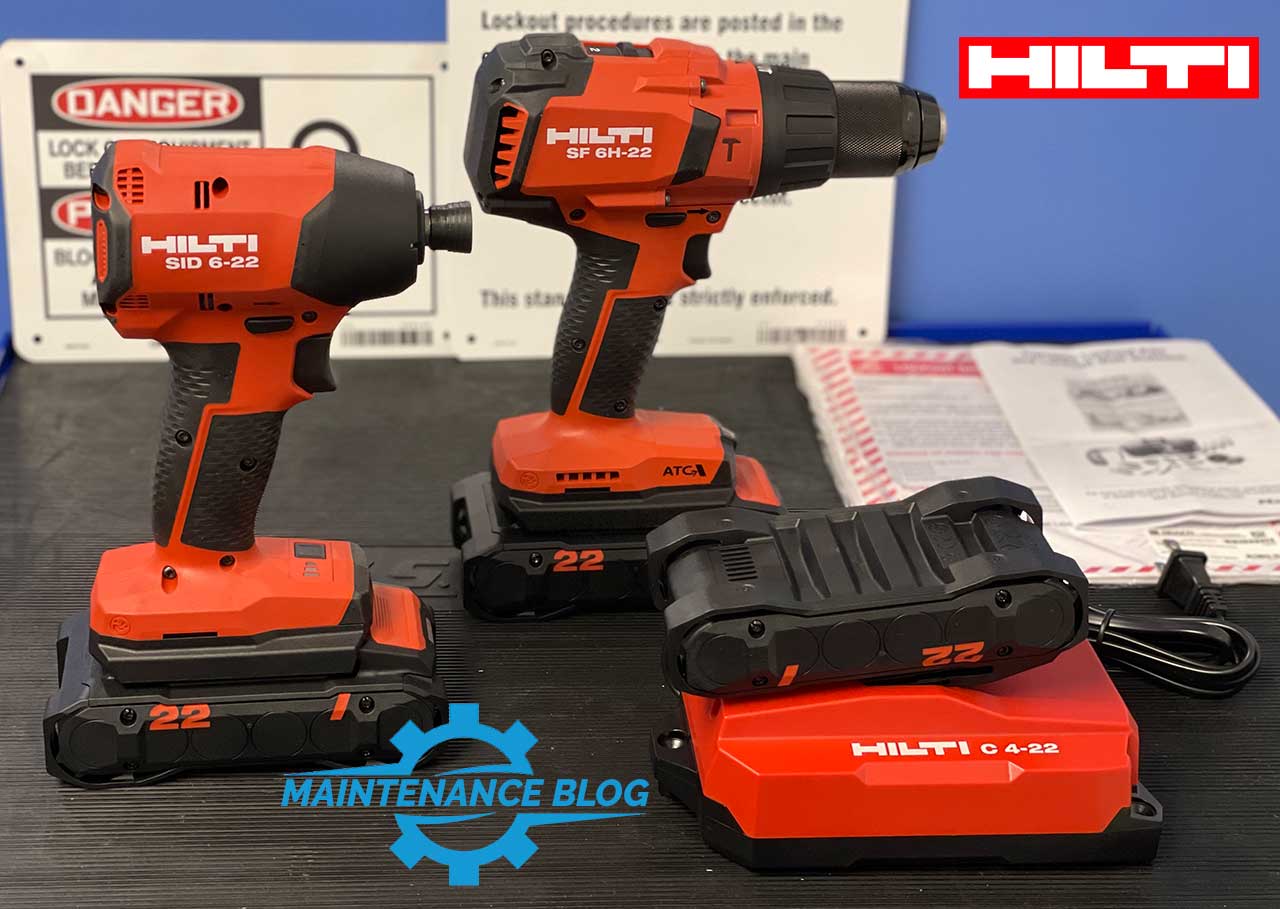
Hilti drills are often chosen for heavy-duty work. For example, the Hilti SF 6H-A22 cordless hammer drill offers up to 850 in-lbs of torque and a top speed of 2,100 RPM. This is enough for drilling into concrete, steel, or thick wood. Hilti also uses special electronics to protect the motor and battery during tough jobs. Many professionals say Hilti drills keep their power even after years of use.
Milwaukee Drill Performance
Milwaukee drills are no less impressive. The Milwaukee M18 FUEL 2804-20 is a popular brushless hammer drill. It delivers up to 1,200 in-lbs of torque and 2,000 RPM. This model uses Milwaukee’s REDLINK PLUS intelligence, which helps prevent overheating and keeps performance steady. Milwaukee drills are famous for their fast drilling speed, especially in wood and metal.
Side-by-side Power Comparison
Here is a quick comparison of two flagship models:
| Drill Model | Max Torque (in-lbs) | Max Speed (RPM) | Brushless Motor |
|---|---|---|---|
| Hilti SF 6H-A22 | 850 | 2,100 | Yes |
| Milwaukee M18 FUEL 2804-20 | 1,200 | 2,000 | Yes |
As you can see, Milwaukee has higher torque, but Hilti is slightly faster. For most users, both are powerful enough for demanding jobs. If you drill into concrete daily, you may notice a difference at the very top end.
Durability: Built To Last
Durability is where Hilti shines. Many users say their Hilti drill works perfectly after five or even ten years. Hilti uses thick, high-quality plastic and metal in their designs. Their tools are tested to survive drops, dust, and water. If you work on busy construction sites or in harsh conditions, Hilti is hard to beat.
Milwaukee drills are also durable, especially their high-end FUEL line. They have all-metal chucks and reinforced housings. However, some users notice that Milwaukee’s lower-priced models may not survive as much abuse as Hilti. For most home and light professional use, Milwaukee’s build is more than enough.
A non-obvious insight: Hilti drills are often designed with repair in mind. Many parts can be replaced or serviced easily. This is one reason Hilti tools keep working for years.
Battery Life And Charging Technology
Cordless drills depend on batteries. How long the battery lasts, how quickly it charges, and how smart the system is can make a big difference on the job.
Hilti Batteries
Hilti uses the CPC (Cordless Power Care) system. Their batteries have built-in electronics that monitor each cell’s temperature and charge level. This helps prevent overheating and extends battery life. Hilti’s 22V batteries are known for long run times, often outlasting many 18V competitors. Charging is quick, with most batteries reaching full charge in about 30-40 minutes.
Milwaukee Batteries
Milwaukee’s REDLITHIUM battery system is famous for its power and reliability. The batteries have extra capacity and are designed for fast charging. They also use smart electronics to protect from overload and temperature issues. Milwaukee offers a wide range of battery sizes, from compact 2.0Ah to large 12.0Ah packs. Some users appreciate that Milwaukee batteries can be used across many different tools.
Battery Comparison Table
| Brand | Voltage | Battery System | Typical Charge Time | Interchangeable Across Tools |
|---|---|---|---|---|
| Hilti | 22V | CPC | 30-40 minutes | Yes (within Hilti line) |
| Milwaukee | 18V | REDLITHIUM | 30-45 minutes | Yes (M18 system) |
One hidden advantage: Milwaukee’s M18 battery system works with over 200 tools. If you already own Milwaukee tools, expanding your collection is easier.
Ergonomics: Comfort And Handling
A drill can have all the power in the world, but if it’s uncomfortable, your hands will feel it after a long day.
Hilti drills are designed with professional comfort in mind. The grip is thick, with soft rubber for less slipping. The balance is usually closer to the handle, so you feel less strain on your wrist. Many users say Hilti drills feel heavier but more stable, especially for precise work.
Milwaukee focuses on lightweight and slim designs. Their drills often weigh less, and the handle is narrow, making them easy to use for smaller hands. Some models have extra features, like an LED light under the chuck or a belt hook for easy carrying.
A practical tip: If you can, try holding both brands before buying. Personal comfort can make a bigger difference than specs on paper.
Features And Innovation
Both brands add special features to help users work faster and safer.
Hilti often includes advanced clutch systems, vibration reduction, and dust protection. Some models have automatic torque control to prevent wrist injuries if the drill bit jams. Hilti’s electronics are designed to protect the user and the tool.
Milwaukee is known for staying ahead in technology. Their ONE-KEY system lets you track your tool, set custom speeds, and even lock the drill remotely using a smartphone app. Many Milwaukee drills include bright LED lights, all-metal chucks, and brushless motors for longer life.
Real-world insight: Milwaukee’s digital features are great for large teams and companies that need to track tools. Hilti’s focus is more on physical safety and tool longevity.
Price And Value
Price is often a deciding factor. Hilti drills are usually more expensive, sometimes double the price of a similar Milwaukee model. For example, a Hilti SF 6H-A22 kit with two batteries, charger, and case can cost over $400. A similar Milwaukee M18 FUEL kit is often $250–$300.
Why do people pay more for Hilti? The answer is long-term reliability, service, and the peace of mind that comes from almost never having a tool fail.
Milwaukee offers great value, especially for those who want high performance without breaking the bank. Milwaukee’s wide range of models means you can find something that fits your budget.
If you are a home user or do light professional work, Milwaukee usually gives you more for your money. For heavy construction or if downtime is very costly, Hilti’s price may be justified.
Warranty And Service
A tool warranty can save you headaches if something goes wrong.
Hilti is famous for its service. Most Hilti drills come with a 20-year warranty against manufacturer defects, two years of free repairs (including wear and tear), and a guarantee to repair and return your tool within one day. If they can’t fix it, they often replace the tool. Hilti also offers on-site tool management and support.
Milwaukee offers a 5-year limited warranty on most drills. This covers defects in materials and workmanship. Battery warranties are usually shorter (two or three years). Milwaukee’s service is good, but not as fast or comprehensive as Hilti.
A little-known tip: Hilti’s service is designed for people who can’t afford downtime. If your business depends on your drill, this can be a big advantage.
Availability And Accessories
Getting the right tool is important, but so is finding batteries, bits, and repair parts.
Milwaukee wins in availability. Their tools are sold at major hardware stores and online shops worldwide. Accessories, batteries, and replacement parts are easy to find. Milwaukee’s large M18 system means you can use the same batteries for many different tools.
Hilti sells mainly through direct sales, online, or at special Hilti centers. Accessories are high-quality but sometimes more expensive and less available in regular stores.
If you live in a remote area or need to buy accessories quickly, Milwaukee is often more convenient.
Real-world Examples: Who Should Choose Each Brand?
To help you decide, let’s look at some common situations.
Case 1: Heavy Construction Worker
You work on large building sites, drilling into concrete and steel all day. You need a tool that never lets you down, and downtime is very costly.
Best Choice: Hilti. The higher price pays for itself through reliability and fast service.
Case 2: Home Renovator Or Diy Enthusiast
You fix things around the house, build furniture, or do small renovations. You want good performance but don’t need a tool for extreme conditions.
Best Choice: Milwaukee. You get great power, modern features, and save money.
Case 3: Small Contractor
You do professional work but your jobs are mostly wood, drywall, or light masonry. You want good service but also care about your budget.
Best Choice: Milwaukee. Unless your work is especially tough, Milwaukee offers a better balance of price and performance.
Case 4: Large Construction Company
You manage a team and need to track tools, prevent theft, and reduce accidents. Tool downtime is very expensive.
Best Choice: Hilti for the most critical jobs, Milwaukee for smart tool tracking (using ONE-KEY) and for supporting tools.
Common Mistakes When Choosing A Drill
Many buyers make the same errors:
- Focusing only on price. A cheap drill that breaks often costs more in the long run.
- Ignoring battery compatibility. Sticking to one brand saves money on batteries and chargers.
- Choosing too much or too little power. Too powerful drills can damage materials; too weak drills slow down the job.
- Not checking warranty and service. A short warranty can mean more risk and hassle.
- Overlooking ergonomics. If the drill is uncomfortable, you won’t want to use it.
A helpful tip: Think about what you really need. Buying a tool that matches your main jobs will save money and frustration.
Detailed Comparison: Hilti Vs Milwaukee Drill Models
Let’s compare two popular models side by side:
| Feature | Hilti SF 6H-A22 | Milwaukee M18 FUEL 2804-20 |
|---|---|---|
| Max Torque | 850 in-lbs | 1,200 in-lbs |
| Max Speed | 2,100 RPM | 2,000 RPM |
| Weight (with battery) | 4.6 lbs | 4.5 lbs |
| Warranty | 20 years (2 years free repair) | 5 years |
| Smart Features | Advanced clutch, torque control | ONE-KEY app, tool tracking |
| Typical Kit Price | $400+ | $250–$300 |
Both are excellent, but your choice depends on what matters most: long-term reliability (Hilti) or advanced features and value (Milwaukee).
Two Insights Most Beginners Miss
- Service and downtime matter more than specs. Many new buyers look only at torque and speed. In real life, a drill that is always working, backed by fast service, is worth more than raw numbers.
- Battery system is a long-term decision. Once you buy into Hilti or Milwaukee, all your future tools will likely use the same batteries. This can save or cost you a lot over the years.
Credit: maintenanceblog.com
Which Brand Wins?
There is no single winner. Here’s a summary to help you:
- Choose Hilti if you need ultimate reliability, fast repairs, and don’t mind paying more upfront.
- Choose Milwaukee if you want modern features, wide availability, and great value for both home and professional use.
Remember, both brands are trusted worldwide. Your specific needs and budget should guide your choice.
For further details on tool performance and industry trends, you may find useful information at the Wikipedia Power Tool page.
Frequently Asked Questions
What Makes Hilti Drills More Expensive Than Milwaukee?
Hilti drills cost more because of their build quality, long warranty, and professional service. They are designed for heavy-duty use and often last longer. The high price includes fast repairs and sometimes on-site support, which is valuable for big construction companies.
Are Milwaukee Drills Good For Professional Use?
Yes, Milwaukee drills are widely used by professionals. Their FUEL line is especially strong, with high torque, smart electronics, and long-lasting batteries. Many contractors trust Milwaukee for both small and large jobs.
Can I Use Milwaukee Batteries With Hilti Drills (or Vice Versa)?
No, you cannot mix batteries between brands. Hilti and Milwaukee use different battery systems and voltages. If you choose a brand, it’s best to stick to their battery line for all your cordless tools.
Which Drill Is Better For Home Use?
For most home users, Milwaukee offers better value. The drills are powerful, easy to find, and have features that help with common jobs. Unless you do very heavy work, Milwaukee is usually the smarter choice for home or light professional use.
How Long Do Hilti And Milwaukee Drills Usually Last?
With normal use and good care, Hilti drills can last 8–10 years or more, especially with their strong service program. Milwaukee drills also have a long life, often 5–7 years or longer, especially the higher-end models. Lifespan depends on use, care, and job conditions.
Both Hilti and Milwaukee are top choices in the drill world. Your best pick depends on your real-world needs, budget, and how much you value long-term support. Choose wisely, and your drill will serve you well for years to come.

Credit: www.youtube.com