Choosing the right power drill is more than just picking a brand. For many professionals and DIY enthusiasts, the debate often comes down to Metabo and DeWalt. These two brands have built strong reputations for quality, innovation, and reliability. Still, their drills are not identical—and understanding the differences can help you work smarter, save money, and even avoid some common frustrations.
This article compares Metabo drills and DeWalt drills in depth. You’ll learn how they differ in performance, build, battery life, features, price, and more. Whether you’re a contractor looking for a tool that lasts, or a hobbyist who wants the best value, you’ll discover clear insights to guide your next purchase.
Brand Backgrounds
Before comparing drills, it’s important to know where each company comes from and what they stand for.
Metabo: German Precision
Metabo is a German company founded in 1924. Known for its industrial focus, Metabo has always pushed for high durability and advanced technology. Their tools are often designed for heavy-duty tasks and frequent, professional use. Many Metabo drills are still made in Germany, which appeals to users who value European engineering.
Dewalt: American Workhorse
DeWalt started in 1923 in the USA. The brand is famous for its rugged, yellow-and-black tools seen on job sites everywhere. DeWalt has a huge product line and offers a wide range of drills for all types of users, from homeowners to professionals. Their tools are designed for reliability and ease of use, often with features that make life easier for busy workers.
Drill Types Compared
Both Metabo and DeWalt offer a range of drills. To keep this comparison useful, we’ll focus on the most popular models:
- Cordless drill/drivers (for general-purpose drilling and screwdriving)
- Hammer drills (for drilling into harder materials like masonry)
- Impact drivers (for driving long screws and bolts)
This way, you can see how each brand stacks up in the areas that matter most.
Build Quality And Durability
A drill’s build quality determines how long it will last under tough conditions.
Metabo
Metabo drills are known for solid construction. Many of their models use die-cast aluminum gear housings, which help with heat dissipation and add to tool strength. The buttons and chucks feel sturdy, and the grip is often designed with ergonomics in mind. Some Metabo drills even have unique dust protection features, helping the motor last longer in dirty environments.
Dewalt
DeWalt drills are also tough. Their casings are usually made with high-impact plastic and metal reinforcements in key areas. DeWalt is known for “jobsite durability,” which means their tools can handle drops, knocks, and tough weather. The rubber grips are comfortable, and the overall feel is solid, even after years of use.
Comparison Table: Build Quality
| Feature | Metabo | DeWalt |
|---|---|---|
| Housing Material | Die-cast aluminum, reinforced plastic | High-impact plastic, metal reinforcements |
| Ergonomics | German-style, balanced grip | Comfort grip, jobsite-ready |
| Dust Protection | Advanced (in some models) | Basic |
| Drop Resistance | High | Very high |
Insight: Some users overlook the importance of dust protection. Over time, dust can cause motors to fail. Metabo’s extra dust control can be a hidden advantage for those working in construction or woodworking.
Performance And Power
When you choose a drill, torque (turning force) and speed matter. They decide what materials the drill can handle.
Metabo
Metabo drills typically offer high torque and multiple speed settings. For example, the Metabo SB 18 LTX BL hammer drill delivers up to 120 Nm of torque, making it suitable for heavy-duty jobs like drilling into concrete or large wood beams. Many Metabo drills use brushless motors, which are more efficient and last longer.
Dewalt
DeWalt drills are also strong performers. The DeWalt DCD996, for example, offers up to 95 Nm of torque and a three-speed transmission, giving you flexibility for different tasks. DeWalt’s brushless motors are reliable and help extend battery life.
Performance Table: Popular Cordless Hammer Drills
| Model | Max Torque (Nm) | Speed Settings | Brushless Motor |
|---|---|---|---|
| Metabo SB 18 LTX BL | 120 | 2 | Yes |
| DeWalt DCD996 | 95 | 3 | Yes |
Non-obvious insight: More speed settings do not always mean better performance. Sometimes, too many options can confuse new users. Metabo’s simpler two-speed system is easier for beginners, while DeWalt’s three speeds offer more control for advanced users.
Battery Technology And Runtime
Cordless drills live or die by their batteries. Longer runtime means less downtime on the job.
Metabo
Metabo uses its own LiHD battery technology. These batteries provide high power and long life, and they are backward compatible with older tools. Metabo claims up to 87% more power and 100% longer life compared to standard lithium-ion batteries. Fast charging is another highlight: you can recharge most Metabo batteries in less than 30 minutes.
Dewalt
DeWalt uses the XR (eXtreme Runtime) battery system. These batteries are available in various capacities, from compact 1.5Ah to massive 9.0Ah packs. DeWalt’s FlexVolt batteries can switch between 20V and 60V tools, offering flexibility if you own several DeWalt products. Charging times are also fast, but not quite as quick as Metabo’s top chargers.
Battery Comparison Table
| Brand | Battery Type | Max Capacity (Ah) | Charge Time (to 80%) |
|---|---|---|---|
| Metabo | LiHD | 8.0 | ~25 minutes |
| DeWalt | XR / FlexVolt | 9.0 | ~40 minutes |
Non-obvious insight: While a bigger battery (more amp-hours) gives longer runtime, it also adds weight. Some users find large batteries make drills feel unbalanced, especially during overhead work.
Features And Innovation
Both brands add unique features to make drilling safer and easier.
Metabo
- Impuls mode: Helps start screws in tough materials and remove stubborn screws.
- Electronic safety clutch: Stops the motor if the bit jams, protecting your wrist.
- Integrated LED light: Illuminates work areas, even in dark corners.
- Quick system: Allows for fast bit changes with one hand.
Dewalt
- Adjustable torque settings: Fine-tune power for delicate or tough jobs.
- Three-mode LED: Includes a spotlight mode for dark workspaces.
- Bluetooth battery tracking: Some batteries can be tracked via smartphone.
- Tool Connect: Lets you manage, track, and customize tool settings using an app.
Practical tip: Many buyers ignore the importance of LED lights until they work in a dark space. Both brands offer bright LEDs, but DeWalt’s three-mode light gives more flexibility.
Price And Value
Cost is often a deciding factor, especially for new users. Both Metabo and DeWalt offer a range of prices, but there are some key differences.
Metabo
Metabo drills are usually priced higher than average. This reflects their German engineering, advanced features, and focus on professional users. However, Metabo drills often come with longer warranties (up to 3 years) and better customer support.
Dewalt
DeWalt offers a wide range of prices. Entry-level drills are affordable, while top-end models are priced closer to Metabo. DeWalt’s availability is a big plus; you can find their tools in most hardware stores worldwide. Warranties are solid, usually 1-3 years.
Real-world example: A Metabo SB 18 LTX BL kit with two batteries and a charger can cost around $350. A comparable DeWalt DCD996 kit is about $300. However, promotions and bundles can make prices swing in either direction.
Non-obvious insight: Some buyers focus only on the upfront cost. Over time, battery replacements and tool durability affect the total price. Investing a bit more upfront in a reliable drill can save money on repairs and downtime.
User Experience And Ergonomics
Even the most powerful drill won’t help if it’s uncomfortable to use.
Metabo
Metabo drills are often praised for their well-balanced design. The grip is shaped for long-term use, and the controls are easy to reach. Some models are slightly heavier, but this adds stability when drilling into tough materials.
Dewalt
DeWalt drills are designed for comfort during long jobs. The rubberized grip absorbs vibration, and the trigger is smooth. DeWalt’s lighter models are especially popular with users who work overhead or in tight spaces.
Practical tip: Try holding each drill in-store before buying. What feels comfortable for one person may not work for another. Metabo’s balance suits heavier tasks, while DeWalt’s lighter models are better for quick jobs or overhead work.
Range Of Models And Tool Ecosystem
Both brands offer more than just drills.
Metabo
Metabo’s 18V platform supports over 90 tools, from saws to grinders. Their focus is on professional-grade tools, so the range is smaller but very specialized. Metabo’s batteries work across all new cordless tools, and adapters are available for older models.
Dewalt
DeWalt has an extremely wide range, with more than 200 cordless tools on the 20V Max platform alone. This makes it easy to expand your tool collection over time. DeWalt’s FlexVolt system adds extra versatility if you want tools for heavy-duty tasks.
Non-obvious insight: If you plan to build a large tool collection, DeWalt’s broad platform offers more flexibility. Metabo’s ecosystem is smaller, but every tool is built for durability.
Service, Warranty, And Support
A good warranty can make a big difference if something goes wrong.
Metabo
Metabo usually offers a 3-year warranty on tools and batteries, with some models covered for five years. Their service is known for fast repairs, especially in Europe.
Dewalt
DeWalt provides a limited 3-year warranty on most drills, with a 1-year free service contract and 90-day money-back guarantee. DeWalt’s global reach means service centers are easy to find.
Practical tip: Always register your tool after purchase to activate the full warranty. Some buyers forget this step and miss out on free repairs or replacements.

Credit: stogagirlssoccer.com
Common Mistakes When Choosing
- Ignoring battery compatibility: Not all batteries fit all drills. Check which batteries work with your chosen model.
- Buying more power than needed: A heavy-duty drill may be overkill for simple home tasks. Choose based on real needs.
- Overlooking weight: Larger batteries mean longer run time, but can make the drill hard to handle.
- Not checking the warranty: Longer warranties add value, especially for professionals.
- Focusing only on price: Cheaper tools may cost more in repairs and downtime later.
Who Should Choose Metabo?
- Professional tradespeople who need maximum durability
- People working in dusty or harsh environments
- Users who want advanced safety features like electronic clutch
- Those who value German engineering and longer warranties
Credit: www.protoolreviews.com
Who Should Choose Dewalt?
- DIYers and homeowners looking for value and flexibility
- Contractors who want a wide tool ecosystem
- Users who need lightweight tools for overhead or tight spaces
- People who want easy service and availability worldwide
Real-world User Feedback
User reviews often highlight differences that spec sheets do not. Many professionals report that Metabo drills “feel unbreakable” and last for years, even with daily use. Some appreciate the extra dust protection and balance. On the other hand, DeWalt users often mention “excellent ergonomics” and praise the availability of replacement parts and accessories.
One beginner who switched from a cheap brand to DeWalt noticed a big difference in screw-driving speed and battery life. Another user who works on construction sites said Metabo’s advanced clutch saved his wrist when a drill bit jammed in concrete.
Final Thoughts
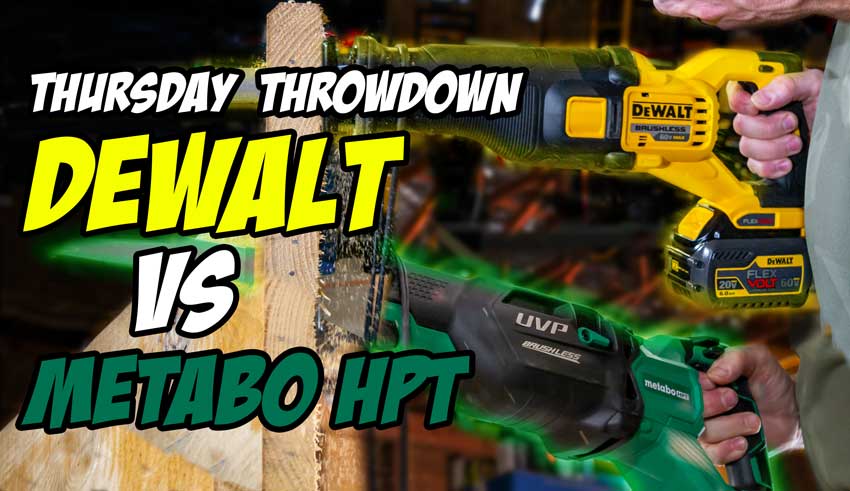
Metabo and DeWalt both offer high-quality drills, but they serve slightly different users. Metabo is a top pick for heavy-duty, professional work where durability and safety features matter most. DeWalt is ideal for users who want a wide range of tools, easy service, and good value for the money. The best choice depends on your specific needs, work environment, and long-term plans.
If you want to dive deeper into technical comparisons, visit the official manufacturer sites or check detailed reviews from trusted sources like Pro Tool Reviews.
Frequently Asked Questions
What Is The Main Difference Between Metabo And Dewalt Drills?
The main difference is their target user. Metabo drills focus on professional-grade durability, advanced features, and longer warranties, while DeWalt drills are designed for a wide range of users, offering more models, a bigger tool ecosystem, and easier worldwide availability.
Are Metabo Drills Really Made In Germany?
Many high-end Metabo drills are still made in Germany, especially those designed for professional use. However, some lower-priced models are made in other countries. DeWalt’s manufacturing is spread across the USA, Mexico, and Asia.
Can Dewalt Batteries Be Used In Metabo Drills?
No, DeWalt batteries and Metabo batteries are not compatible. Each brand uses its own battery system. Always check battery compatibility before buying extra packs or tools.
Which Brand Is Better For Home Use?
For most homeowners, DeWalt is the better choice due to its affordable models, wide tool range, and easy availability. However, if you want something more robust and plan heavy use, Metabo is also a strong option.
Do Both Brands Offer Brushless Motors?
Yes, both Metabo and DeWalt offer drills with brushless motors. Brushless motors are more efficient, last longer, and provide more power than traditional brushed motors. Always check the product specs to be sure.
Choosing between Metabo and DeWalt depends on your needs, work habits, and plans for the future. Both brands are trusted worldwide, so you can feel confident with either choice.

Credit: www.youtube.com