When you are shopping for a new drill, the choice between a Milwaukee brushless drill and a Milwaukee brushed drill can feel confusing. Both tools look similar, may even share the same red color and branding, but what’s inside makes a big difference in how they work, how long they last, and how much they cost. People who use power tools for home projects or professional work often want to know: Is a brushless drill really better? Is the higher price worth it? Or is a brushed drill still good enough for most tasks?
This article will help you understand the key differences between Milwaukee’s brushless and brushed drills. We’ll look at how each type works, compare their strengths and weaknesses, and explain which drill is better for different situations. If you want to make a smart choice for your next tool purchase, you’ll find answers here, even if you are new to power tools or English is your second language.
What Is A Brushed Drill?
A brushed drill uses a traditional motor design with carbon brushes. These brushes touch the spinning part of the motor (the commutator), sending electricity to make the drill spin. This design has been around for over 100 years, and it works well for many simple jobs.
How Brushed Motors Work
Inside a brushed motor, carbon brushes press against a rotating metal cylinder. Electricity flows through these brushes, creating a magnetic field that spins the motor. The contact between brushes and commutator creates friction, which is why these parts slowly wear out over time.
Advantages Of Brushed Drills
- Lower Price – Brushed drills cost less to make, so you pay less at the store.
- Simple Repairs – If the brushes wear out, you can often replace them for a few dollars.
- Good for Light Use – They’re fine for small home projects or occasional use.
Limitations Of Brushed Drills
- Shorter Life – Brushes wear out and need replacing.
- Less Efficient – Some energy is lost as heat due to friction.
- More Maintenance – You may need to clean or replace brushes.
- Noisier Operation – Friction creates more noise and vibration.
Brushed drills are not outdated, but they are slowly becoming less common as brushless technology improves and becomes cheaper.
What Is A Brushless Drill?
A brushless drill uses a newer type of motor that does not need brushes. Instead, it uses electronic circuits to control the spinning part. This design is more complex, but it brings some big benefits.
How Brushless Motors Work
Instead of brushes, a brushless motor uses sensors and electronics to send power to the right parts of the motor. The motor spins using magnets and switches the direction of electricity automatically. There are no parts rubbing against each other, so there is much less friction and heat.
Advantages Of Brushless Drills
- Longer Life – No brushes to wear out means the motor can last for years without repair.
- More Power – Brushless motors use energy more efficiently, so you get more power for the same battery size.
- Less Heat – Less friction means the drill stays cooler.
- Quieter Running – Less noise and vibration during use.
- Smart Features – Electronics can add features like automatic speed control or overload protection.
Limitations Of Brushless Drills
- Higher Price – The technology and electronics cost more.
- More Complex Repairs – If something breaks, you may need a technician to fix it.
- May Not Be Needed for Simple Jobs – For small projects, the extra power may not matter.
Brushless drills are now the standard for professionals and people who want the best performance, but brushed drills are still useful in many situations.
Milwaukee’s Brushed Vs Brushless Drill Lineup
Milwaukee is one of the most respected brands in the power tool world. They make both brushed and brushless drills, but their brushless models are often branded as Milwaukee M18 FUEL or M12 FUEL. Here’s how their lineup is organized:
- Milwaukee Brushed Drills: Basic models, usually just called “M18” or “M12” without “FUEL” in the name.
- Milwaukee Brushless Drills: Top models, labeled as “FUEL” (for example, “M18 FUEL Drill Driver”).
If you see “FUEL” on the box, it means you are getting a brushless tool.
Key Differences: Milwaukee Brushless Drill Vs Brushed
To help you see the differences quickly, here is a comparison using real Milwaukee models:
| Feature | Milwaukee Brushed Drill (M18 2606-20) | Milwaukee Brushless Drill (M18 FUEL 2803-20) |
|---|---|---|
| Motor Type | Brushed | Brushless |
| Max Torque | 500 in-lbs | 1,200 in-lbs |
| Weight (w/battery) | 4.0 lbs | 3.2 lbs |
| Battery Life | Standard | Up to 50% longer |
| Noise Level | Higher | Lower |
| Heat Output | More | Less |
| Average Price (tool only) | $79 | $149 |
| Maintenance | Brush replacement needed | Minimal |
This table shows why professionals and serious DIYers often choose brushless, despite the higher price.

Credit: www.youtube.com
Performance Comparison In Real-world Jobs
Power And Torque
The brushless drill offers much higher torque and can handle tougher jobs like drilling into concrete or thick wood. For example, the Milwaukee M18 FUEL (brushless) can deliver up to 1,200 inch-pounds of torque, while a similar brushed model usually tops out around 500 inch-pounds. If you need to drill large holes or drive big screws, brushless is the clear winner.
Speed And Control
Brushless drills often have better speed control and can keep a constant speed even under heavy load. They also offer features like variable speed triggers and electronic clutches. This gives you more control when working with delicate materials or switching between different tasks.
Battery Efficiency
Brushless motors use less energy because there is no friction from brushes. This means you can work longer on a single battery charge. Milwaukee claims up to 50% longer runtime for their brushless FUEL models compared to brushed. For people who use their drill all day, this makes a real difference.
Size And Weight
Without brushes and with a more efficient design, brushless drills are often smaller and lighter. For example, Milwaukee’s M18 FUEL is about 20% lighter than its brushed cousin. This makes it easier to use for long periods or in tight spaces.
Durability And Maintenance
Brushed drills wear out over time as the brushes rub against the motor. Replacing brushes is possible, but it’s an extra job. Brushless drills have fewer moving parts, so they usually last longer and need less maintenance. Milwaukee’s brushless tools are also sealed better against dust and water, which helps them survive on tough job sites.
Cost Comparison: Is Brushless Worth The Extra Money?
Let’s look at real numbers to understand the price difference:
| Model | Type | Average Tool-Only Price | Typical Kit Price (with battery & charger) |
|---|---|---|---|
| M18 2606-20 | Brushed | $79 | $129 |
| M18 FUEL 2803-20 | Brushless | $149 | $199 |
| M12 2407-20 | Brushed | $59 | $99 |
| M12 FUEL 2503-20 | Brushless | $99 | $149 |
Brushless drills usually cost about 50–70% more than their brushed versions. But if you use your drill every week, the extra cost can be a good investment because of longer life, better performance, and fewer battery changes.
When To Choose A Milwaukee Brushed Drill
While the brushless models get lots of attention, Milwaukee’s brushed drills are still a solid choice in some cases:
- Budget-Friendly Projects – If you need a drill for simple jobs like hanging pictures, assembling furniture, or light repairs, a brushed drill is usually enough.
- Occasional Use – For people who use a drill only a few times a year, it may not be worth spending more for brushless.
- Simple Repairs – If you’re comfortable replacing brushes, you can keep a brushed drill running for years at a low cost.
- Back-Up Tool – Some professionals keep a brushed drill as a backup, so their main brushless tool is always available for big jobs.
When To Choose A Milwaukee Brushless Drill
The brushless models are best for anyone who needs more from their tools:
- Heavy-Duty Work – If you drill into tough materials or work all day, brushless gives more power and lasts longer.
- Daily Use – Professionals who use their drill every day will notice fewer breakdowns and longer runtimes.
- Long-Term Value – Even though the upfront price is higher, you save on repairs and battery costs over time.
- Advanced Features – Brushless drills often include smart electronics for better control, safety, and performance.
Non-obvious Insights Most Beginners Miss
- Brushless Can Save You Money in Batteries: Many beginners focus only on the drill price, but a brushless drill’s longer runtime means you may need fewer spare batteries. Batteries are expensive, so this can save you $50–$100 over a few years.
- Brushed Drills Lose Power as They Age: As the brushes wear down, brushed drills slowly lose power and speed. Many users don’t notice this at first, but it’s a real issue for jobs needing full torque.
- Smart Features in Brushless Models: Some Milwaukee brushless drills have built-in sensors that stop the motor if the bit jams, helping prevent wrist injuries. Brushed models rarely have these safety features.
- Weight Difference Matters for Overhead Work: When working above your head, the lighter brushless drill reduces arm fatigue more than you might expect.
- Brushed Models May Be Better in Wet Conditions: Oddly, the simpler electronics in brushed drills can sometimes handle water exposure better, since brushless circuits may fail if water gets inside. That said, all power tools should be kept dry!
Long-term Ownership: Reliability And Repairs
Milwaukee is known for quality, but like all tools, both types can have problems. Here’s how long-term reliability compares:
- Brushed Drill Repairs: Most common fix is replacing brushes, which costs about $10–$20. You can do this yourself with basic tools. Other parts (like the switch or chuck) are also easy to replace.
- Brushless Drill Repairs: Since there are no brushes, the most common issues are with electronics or bearings. These repairs are harder and may require a visit to a service center. However, problems are rare if you use the tool correctly.
Both types are covered by Milwaukee’s 5-year warranty, but always check your warranty details before doing your own repairs.

Credit: www.reddit.com
Environmental Impact
Brushless drills are more energy efficient, so they use less battery power and reduce how often you need to charge. This can mean fewer batteries are made, used, and thrown away over the life of the tool. Also, brushless motors don’t create carbon dust from worn-out brushes, which is better for air quality in your workspace.
On the other hand, brushless models use more electronics, which can be harder to recycle. But over the long term, the lower energy use and longer tool life make brushless drills a greener choice for most people.
User Reviews: What Real Owners Say
Reading what real users say can help you decide. Here are some patterns from Milwaukee drill owners:
- Brushless Users: Most praise the power, long battery life, and quiet operation. Many say they would never go back to a brushed drill after trying brushless. Some mention the higher price but feel it’s worth it.
- Brushed Users: Owners like the lower price and simple design. They are happy with performance for light jobs, but some notice the drill gets hot or loses power under heavy use. A few people mention replacing brushes after a couple of years.
One user shared, “My M18 FUEL is my main drill for everything from framing to deck building. The batteries last all day, and I never worry about burning it out. ” Another said, “I bought the M18 brushed drill for small projects, and it’s still going strong after 5 years.
I just replaced the brushes once, and it works like new. ”
Credit: www.protoolreviews.com
Comparing Milwaukee To Other Brands
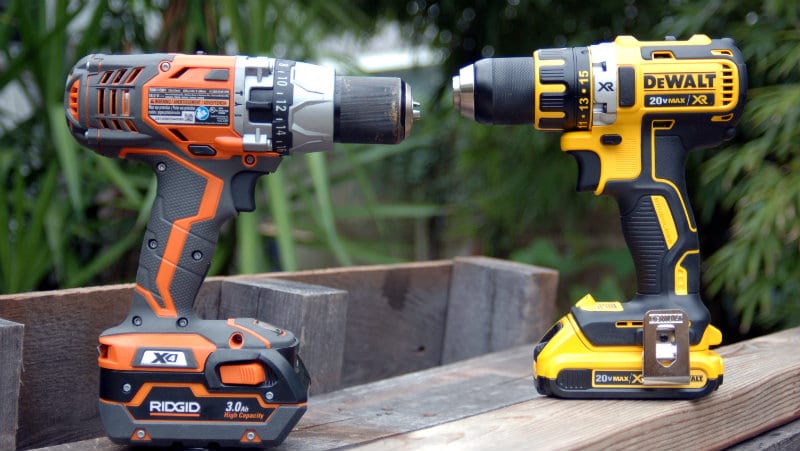
Milwaukee’s brushless drills are often compared with brands like DeWalt and Makita. In independent tests, Milwaukee’s M18 FUEL models usually rank at the top for power and durability. According to a review from Pro Tool Reviews, Milwaukee’s brushless drills outperformed rivals in torque and battery life. However, Milwaukee’s brushed models are similar in performance and price to other brands’ basic models.
Summary Table: Which Milwaukee Drill Is Best For You?
Here’s a quick guide to help you choose the right Milwaukee drill for your needs:
| Your Situation | Best Choice | Why |
|---|---|---|
| Light Home Projects | Brushed | Lower price, enough power |
| Frequent DIY, Repairs | Brushless | Better battery life, less maintenance |
| Professional/Heavy Use | Brushless | More power, lasts longer, safer |
| On a Tight Budget | Brushed | Cheapest upfront |
| Looking for Smart Features | Brushless | Advanced electronics, protection |
| Wet/Dirty Environments | Brushed (with caution) | Simpler electronics can be more forgiving |
Frequently Asked Questions
What Does “fuel” Mean In Milwaukee Drills?
FUEL is Milwaukee’s name for their top brushless tools. FUEL drills use advanced brushless motors and smart electronics for better performance and longer life.
Can I Use The Same Batteries For Both Brushed And Brushless Milwaukee Drills?
Yes, Milwaukee’s M18 and M12 batteries work with both brushed and brushless tools in the same line. You can swap batteries between tools without problems.
How Do I Know When To Replace Brushes In My Milwaukee Brushed Drill?
If your brushed drill loses power, runs unevenly, or makes strange noises, the brushes may be worn out. You can check them by opening the motor housing. Replacing brushes is cheap and takes about 10–20 minutes.
Are Brushless Drills Worth The Extra Money For Home Use?
If you only do simple jobs a few times a year, a brushed drill is fine. But if you want longer battery life, less noise, and more power, a brushless drill is a good investment even for home use.
Can I Repair A Milwaukee Brushless Drill Myself?
Basic fixes like changing the chuck or switch are possible, but most brushless repairs (especially to electronics) are better left to professionals. Always check your warranty before trying any repair.
Milwaukee offers some of the best drills for both beginners and professionals. Knowing the real differences between their brushless and brushed drills helps you choose the right tool for your needs, budget, and long-term plans. Whether you need maximum power or just a simple tool for around the house, understanding these points lets you buy with confidence.