When you walk into a hardware store looking for drill bits, you’ll notice many options. Some are labeled “carbide,” while others say “tungsten carbide.” The terms sound similar, but do they mean the same thing? Can you pick either for your job, or are there important differences? If you want your tools to last longer, cut cleaner, and save money, understanding the real story between tungsten carbide and carbide drill bits is essential.
Choosing the right drill bit isn’t just about price. The material affects performance, safety, and how often you need to replace your tools. Many people, even experienced DIYers, confuse these terms or buy the wrong type for their project. This guide will clear up the confusion.
You’ll learn what makes each type unique, how they’re made, which jobs they excel at, and how to avoid common mistakes that waste time and money.
Let’s dive in and see how tungsten carbide and carbide drill bits compare, so your next project is as smooth as possible.
What Is Tungsten Carbide?
Tungsten carbide is a compound created by combining tungsten and carbon atoms. This mixture forms a material that’s almost as hard as diamond. In fact, on the Mohs scale (which measures hardness), tungsten carbide rates about 9 out of 10, just below diamond.
The process for making tungsten carbide involves:
- Mixing tungsten powder with carbon.
- Pressing the mixture into shape.
- Heating it to very high temperatures (sintering) to form a solid piece.
The result is a dense, metallic material that’s both hard and tough. It’s so strong that it’s used in armor-piercing ammunition, jewelry, and of course, cutting tools.
A key point: tungsten carbide is not a metal. It’s a ceramic-like material, but with more toughness and less brittleness than most ceramics.
What Are Carbide Drill Bits?
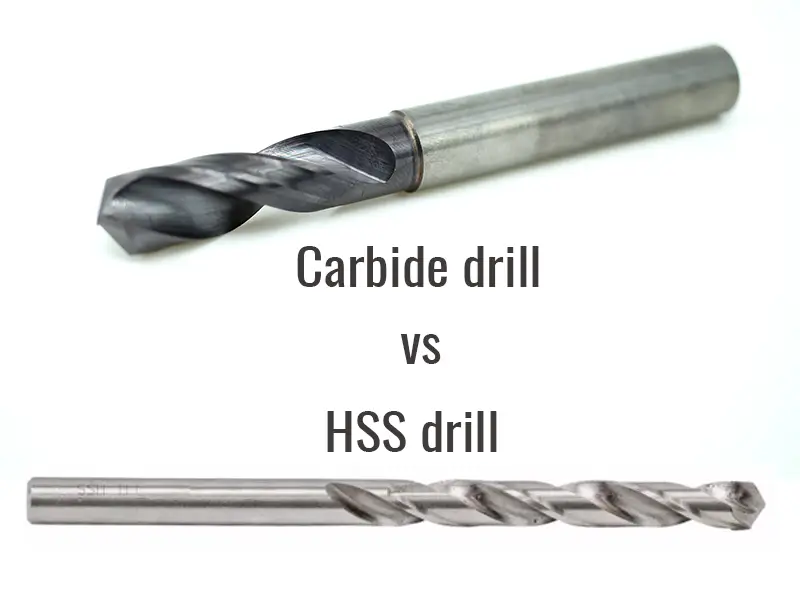
When you see the word “carbide” on a drill bit, it usually refers to tungsten carbide. However, the term “carbide drill bit” is sometimes used loosely. It might mean:
- A drill bit with a tungsten carbide tip (the cutting edge is carbide, but the rest is steel).
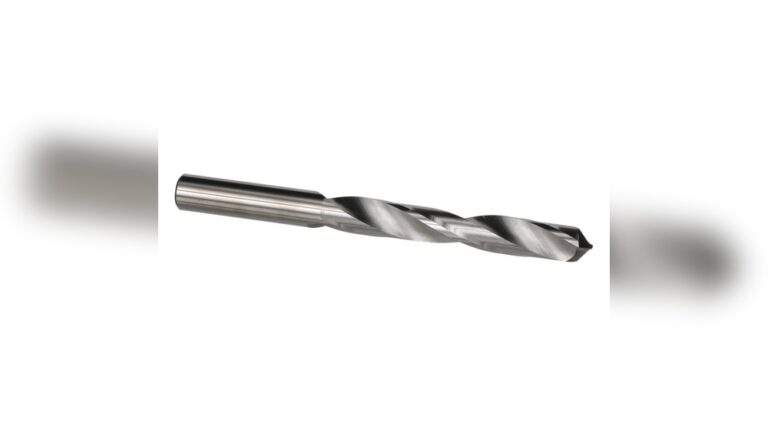
- A drill bit made entirely from solid tungsten carbide.
Some manufacturers also use other types of carbide, like titanium carbide or silicon carbide, but these are much less common for drilling.
The main reason for using carbide in drill bits is simple: it stays sharp much longer than steel. It can also handle high temperatures, which means it works well when drilling hard metals, ceramics, or even glass.
Credit: www.sundicuttingtools.com
Tungsten Carbide Vs. Carbide Drill Bits: Core Differences
Many people use the terms tungsten carbide and carbide drill bits as if they’re the same. But there are important differences. Here’s a direct comparison:
| Feature | Tungsten Carbide | Carbide Drill Bits |
|---|---|---|
| Material | Compound of tungsten and carbon | Usually steel with tungsten carbide tip or solid tungsten carbide |
| Usage | Raw material for making tools | Finished cutting tool |
| Hardness | Very high (Mohs 9) | Depends on design; usually very high at tip |
| Cost | Expensive to produce | Varies (solid carbide is costly; tipped is cheaper) |
| Durability | Extremely wear-resistant | High, but can be brittle if not used properly |
So, tungsten carbide is the ingredient, while carbide drill bits are the end product made from that ingredient.
How Are Tungsten Carbide And Carbide Drill Bits Made?
Understanding the manufacturing process helps you see why these tools perform differently.
Tungsten Carbide Production
- Powder Mixing: Pure tungsten powder is mixed with carbon and sometimes cobalt (for extra toughness).
- Pressing and Shaping: The powder is pressed into molds, forming the rough shape of a tool or drill tip.
- Sintering: The shaped powder is heated in a furnace above 1400°C (2552°F). This fuses the particles into a solid mass.
- Finishing: The part is ground and polished to create the final tool component.
Carbide Drill Bit Construction
There are two common types:
- Solid Tungsten Carbide Drill Bits
- The entire bit is made from tungsten carbide.
- These are used for the toughest jobs, like drilling hardened steel or ceramics.
- Tungsten Carbide Tipped Drill Bits
- A steel body provides strength and flexibility.
- Only the tip (cutting edge) is tungsten carbide.
- Offers a balance of toughness and lower cost.
Some high-end drill bits use a special welding process to attach the carbide tip to the steel shaft. This lets the bit handle high stress without snapping.
When Should You Choose Each Type?
Different jobs require different tools. Here’s when to use each:
Tungsten Carbide Drill Bits (solid)
Solid tungsten carbide bits are the top choice for:
- Drilling into hardened steel or stainless steel
- Cutting ceramic tiles or glass
- High-speed, automated manufacturing
They stay sharp for a long time and resist heat. However, they can be brittle and break if used incorrectly (for example, if the drill shakes or is pushed too hard).
Carbide Tipped Drill Bits
These are best for:
- Drilling concrete, masonry, or brick
- Regular home or workshop use
- Jobs where cost is a concern
The steel shaft is less likely to break, while the carbide tip cuts quickly and stays sharp.
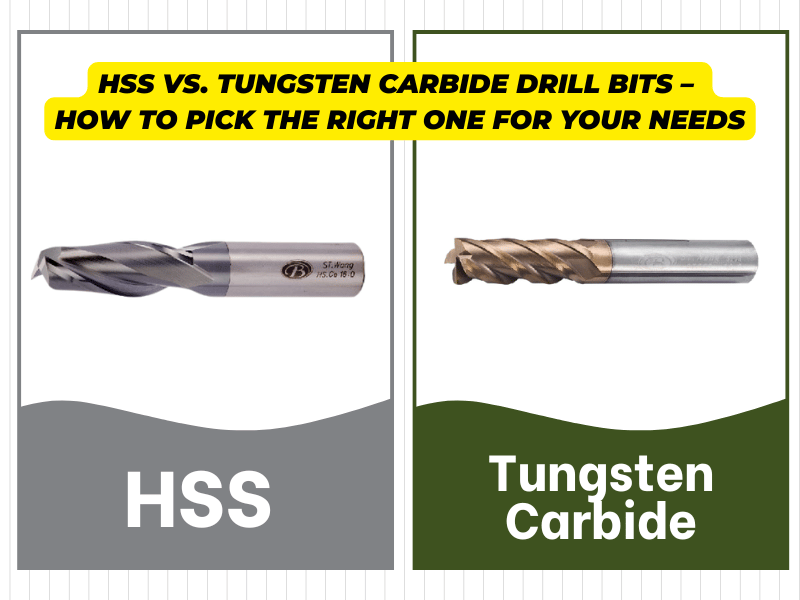
High-speed Steel (hss) Bits
For soft metals, wood, or plastic, you might not need carbide at all. High-speed steel bits are cheaper and less likely to snap.
Key Advantages Of Tungsten Carbide
Why do professionals pay more for tungsten carbide tools? Here are the main benefits:
- Extreme hardness: Cuts materials that steel cannot.
- Long life: Stays sharp up to 10 times longer than HSS bits.
- Heat resistance: Performs well at high speeds without losing temper.
- Precision: Maintains accuracy for tight-tolerance work.
In advanced manufacturing, these benefits can save hours of downtime and thousands of dollars.
Downsides And Limitations
No material is perfect. There are some drawbacks to using tungsten carbide:
- Brittleness: Can snap if bent or dropped.
- Cost: Often two to five times more expensive than steel bits.
- Difficult to sharpen: Requires special diamond grinding wheels.
- Limited use in hand drills: Vibrations and side pressure can cause breakage.
For home users, a carbide-tipped bit often makes more sense.
Real-world Performance: Detailed Examples
Let’s see how these tools perform in different tasks.
Drilling Hardened Steel
A solid tungsten carbide bit will cut through hardened steel fast, making a clean hole. An HSS bit would dull quickly, and even a cobalt bit might struggle.
Drilling Masonry
A carbide-tipped masonry bit is ideal for brick, concrete, or stone. The carbide edge stays sharp, while the steel body handles shocks. If you tried a full carbide bit, it might break on impact.
Drilling Glass Or Tile
Only solid tungsten carbide or specialized glass/tile bits will work here. The hardness allows a neat hole without shattering the material.
Everyday Woodworking
Here, carbide is overkill. HSS or standard steel bits are easier to use and less likely to break.
Credit: www.stwang-tw.com
Key Factors When Choosing A Drill Bit
Not all carbide bits are created equal. Here’s what matters:
- Bit Type: Solid carbide vs. carbide-tipped.
- Intended Material: Hard metals, masonry, ceramics, or wood.
- Drill Speed: Carbide can handle higher speeds, but only in the right application.
- Cost: Is the extra life and performance worth the price?
- Tool Compatibility: Some hand drills can’t handle solid carbide bits safely.
Here’s a quick guide:
| Material to Drill | Best Bit Type | Notes |
|---|---|---|
| Hardened Steel | Solid Tungsten Carbide | Expensive, but effective |
| Stainless Steel | Solid or Tipped Carbide | Use steady pressure |
| Concrete/Masonry | Carbide-Tipped | Rotary hammer recommended |
| Glass/Ceramic Tile | Solid Tungsten Carbide | Drill slowly, use water cooling |
| Wood/Plastic | High-Speed Steel | Cheaper and safer |
Common Mistakes And How To Avoid Them
Many beginners waste money or damage tools by making these errors:
1. Using The Wrong Bit For The Material
For example, using a carbide-tipped bit on glass will chip or shatter the surface.
2. Applying Too Much Force
Carbide bits cut best with steady, moderate pressure. Forcing them can snap the tip.
3. Incorrect Drill Speed
Too high or low speed causes overheating or dulling. Check the manufacturer’s recommendations.
4. Skipping Lubrication
When drilling metal, use cutting oil to extend bit life.
5. Not Securing The Workpiece
Movement can break brittle bits.
6. Assuming All “carbide” Is The Same
Some cheap bits use low-quality carbide with poor performance.
Non-obvious Insights For Better Results
Here are two things even experienced users often miss:
- Carbide bits can be resharpened with diamond wheels. Many people throw them away when dull, but a professional sharpening service can restore the edge several times, saving money.
- Cobalt steel bits are not carbide. They are a high-speed steel alloy with cobalt added for heat resistance. They are less hard than tungsten carbide but much tougher. For some tough metals, they can be a better choice if you value flexibility over raw cutting power.
Safety And Handling Tips
Tungsten carbide is hard, but it’s not indestructible. Follow these tips for safe, effective use:
- Always use eye protection; broken bits can send fragments flying.
- Start drilling at a slow speed to prevent bit wandering.
- Let the bit do the work. If you’re forcing it, something is wrong.
- Keep bits cool with cutting oil or water, especially when drilling metal or tile.
- Store carbide bits safely. Dropping them can chip the tip or snap the shaft.
Environmental And Health Considerations
One area many people overlook is the environmental and health impact of tungsten carbide. Mining tungsten is energy-intensive, and grinding carbide bits produces fine dust that should not be inhaled. Most home users won’t face major risks, but in large workshops, proper dust extraction is essential.
Recycling is possible: worn-out carbide tools can be collected and sent to recycling centers, where tungsten is recovered and reused.
How To Identify Genuine Tungsten Carbide Drill Bits
With so many brands and marketing claims, spotting real quality is tricky. Here’s what to look for:
- Weight: Solid carbide bits feel heavier and colder than steel.
- Markings: Reputable brands stamp “carbide” or “WC” (for tungsten carbide) on the shank.
- Price: If the price is much lower than competitors, it may not be true tungsten carbide.
- Color: Tungsten carbide is a dark gray, not shiny silver like steel.
- Sellers: Buy from trusted suppliers who stand behind their products.
A useful resource for more on materials science and tool manufacturing is Wikipedia’s page on Tungsten Carbide.
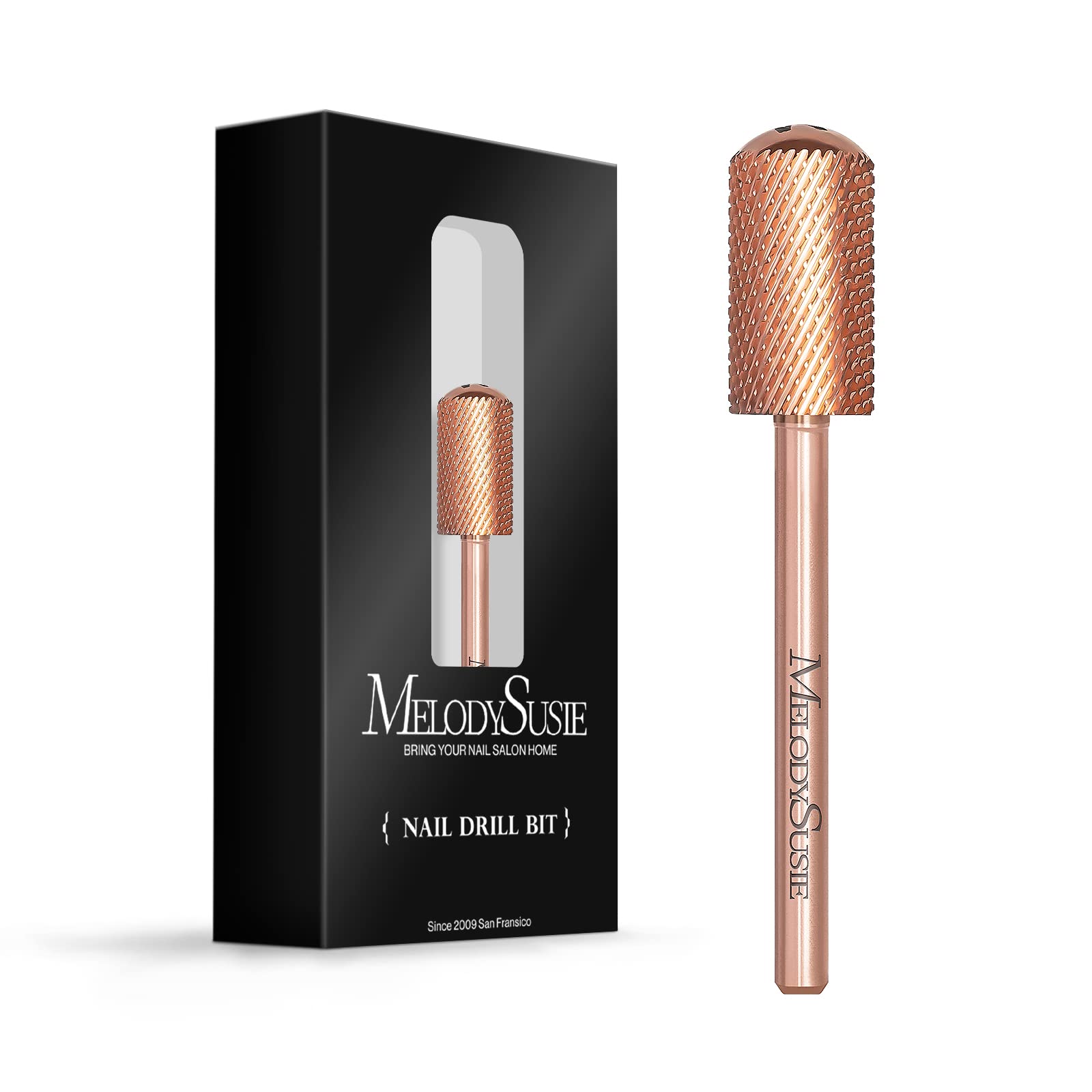
Credit: www.melodysusie.com
Maintenance And Storage
To get the most from your carbide drill bits:
- Clean after use. Remove chips and dust with a brush.
- Lightly oil before storage to prevent rust on steel parts.
- Store in a padded case or holder to prevent drops.
- Inspect tips for chips or cracks before each use.
- Sharpen only with the correct diamond tools or use a professional service.
Remember, careful handling can double or triple the life of a carbide drill bit.
Price And Value: Are They Worth It?
A common question is: “Are tungsten carbide drill bits worth the money?”
For most home users, carbide-tipped bits provide the best balance of performance and cost. Solid tungsten carbide bits are an investment, but they pay off if you drill hard materials often, do precision work, or need a tool that won’t fail in the middle of an important job.
Price examples (as of 2024):
- HSS drill bit: $1–$3 per bit
- Carbide-tipped masonry bit: $4–$10 per bit
- Solid tungsten carbide bit: $15–$50 per bit (sometimes more for specialty sizes)
If you only need a few holes in tough material, renting or borrowing a solid carbide bit is a smart move. For professionals, owning a set can save both time and repair costs.
Advances In Drill Bit Technology
Tool makers are always working to improve performance. Recent trends include:
- Nano-coatings: Some bits now have a thin layer of titanium nitride or diamond-like carbon, further increasing wear resistance.
- Improved welding: Modern carbide-tipped bits use advanced welding to reduce tip breakage.
- Geometry optimization: Computer modeling helps design bits with better chip removal and less heat buildup.
These advances make today’s carbide drill bits better than those from even ten years ago.
Summary: Which Should You Choose?
If you’re drilling:
- Hard metals or ceramics: Go for solid tungsten carbide.
- Masonry or concrete: Carbide-tipped bits are usually best.
- Wood or plastic: Save money and use high-speed steel.
Remember, the best bit is the one matched to your material, drill, and budget. By understanding the differences, you’ll get faster results, smoother holes, and longer tool life.
Frequently Asked Questions
What Is The Difference Between Tungsten Carbide And Carbide Drill Bits?
Tungsten carbide is a hard material made from tungsten and carbon. Carbide drill bits are tools that use tungsten carbide (usually at the tip) to cut hard materials. Tungsten carbide is the ingredient, while carbide drill bits are the finished product.
Can I Use Carbide Drill Bits In A Regular Hand Drill?
Yes, but with caution. Carbide-tipped bits work well in hand drills for masonry or concrete. Solid tungsten carbide bits can break if the drill shakes or if too much force is used. Use slow speeds and steady pressure.
How Do I Sharpen A Tungsten Carbide Drill Bit?
Sharpening requires a diamond grinding wheel or a professional sharpening service. Regular bench grinders will not work because tungsten carbide is much harder than steel.
Are Carbide Drill Bits Safe For Drilling Glass Or Tile?
Yes, but only certain types. Solid tungsten carbide bits or bits designed for glass/tile are best. Drill slowly, use water for cooling, and do not apply too much pressure to prevent cracks.
How Can I Tell If My Drill Bit Is Genuine Tungsten Carbide?
Check for weight (heavier than steel), color (dark gray), brand markings, and buy from trusted suppliers. If the price is too low, it may not be real tungsten carbide.
Choosing the right tool doesn’t have to be confusing. With the facts about tungsten carbide and carbide drill bits in hand, you’re ready for better, faster, and safer drilling.