When it comes to power tools, choosing the right brand can make a big difference in your projects. Two of the most popular names are Ryobi and Dewalt, especially when it comes to drills. If you’ve ever stood in a hardware store, staring at rows of green and yellow tools, you know how confusing this choice can be. Should you spend more for Dewalt, or is Ryobi good enough for most jobs? In this in-depth guide, we’ll explore every aspect of Ryobi vs Dewalt drills, from performance and price to features, durability, and real-world use. By the end, you’ll have a clear understanding of which drill is best for your needs—whether you’re a casual DIYer, homeowner, or professional.
Brand Backgrounds: What Sets Ryobi And Dewalt Apart?
Before comparing their drills, it helps to know a bit about each company. Dewalt is an American brand known for its high-quality, professional-grade tools. Founded in 1924, Dewalt is now part of Stanley Black & Decker. It has a reputation for making tough, reliable tools that can handle heavy daily use.
Ryobi, on the other hand, is a Japanese company that started in 1943. Today, Ryobi tools are made by Techtronic Industries and are best known for their affordability and wide range of products aimed at homeowners and hobbyists.
This difference in target market influences everything from tool design to pricing, which you’ll see throughout this comparison.
Drill Lineups: Ryobi Vs Dewalt At A Glance
When you look at each brand’s drill selection, the contrast is clear. Dewalt focuses on professional performance with several lines, such as the 20V MAX, XR, and FLEXVOLT. Ryobi offers a wide range of affordable options, like the ONE+ 18V series, designed for versatility and ease of use.
Here’s a side-by-side comparison of some popular models:
| Brand | Popular Drill Line | Typical Voltage | Target User | Price Range |
|---|---|---|---|---|
| Ryobi | ONE+ 18V | 18V | Homeowners, DIYers | $40–$120 |
| Dewalt | 20V MAX | 20V | Professionals, Contractors | $90–$200 |
Performance: Power, Speed, And Torque
One of the first things people look for in a drill is power. This usually means a combination of voltage, torque (twisting force), and speed (RPM). Dewalt drills are known for delivering more torque and higher speeds, especially in their 20V MAX and XR models. This makes them a favorite for tasks like drilling into masonry, thick wood, or metal.
Ryobi drills, while not as powerful, still offer enough strength for most household jobs. Their ONE+ 18V drills can handle basic tasks like hanging shelves, assembling furniture, or drilling into drywall and softwood. For heavy-duty or professional work, though, Dewalt’s extra muscle stands out.
Real-world Example
Suppose you’re building a deck. A Dewalt 20V MAX XR hammer drill can easily drive lag bolts into pressure-treated lumber without slowing down. A Ryobi 18V drill will work, but it may struggle with larger fasteners or denser materials, and you may notice it heats up faster.
Battery Systems: Compatibility And Runtime
Both brands use lithium-ion batteries, but their systems are different.
Ryobi One+ Battery System
Ryobi’s ONE+ system is famous for its interchangeability. Every ONE+ 18V battery fits over 260 tools, from drills to leaf blowers. This is a big advantage if you want to expand your tool collection on a budget.
Dewalt’s Battery Technology
Dewalt’s 20V MAX batteries are also interchangeable across many tools, but their higher-end FLEXVOLT batteries can switch between 20V and 60V, powering even more demanding tools. Dewalt batteries tend to offer longer runtime, thanks to better cell technology and higher amp-hour (Ah) options.
| Brand | Battery System | Voltage | Tools Supported | Typical Battery Life |
|---|---|---|---|---|
| Ryobi | ONE+ | 18V | 260+ | 1.5–4.0 Ah (avg) |
| Dewalt | 20V MAX/FLEXVOLT | 20V/60V | 200+ | 2.0–6.0 Ah (avg) |
Non-obvious insight: Some users don’t realize that battery age and storage temperature can greatly affect performance. Always store lithium batteries in a cool, dry place, and avoid letting them fully discharge for longer lifespan.
Build Quality And Durability
When you hold a Dewalt drill, you’ll notice the solid construction. Dewalt uses high-grade metals and tough plastics, often with rubber overmolding for grip and shock absorption. Many Dewalt drills are built to survive drops, rain, and dust on job sites.
Ryobi drills are made with lighter materials, focusing on comfort and cost savings. While they’re tough enough for home use, they might not withstand daily abuse in a construction environment.
Drop Test Results
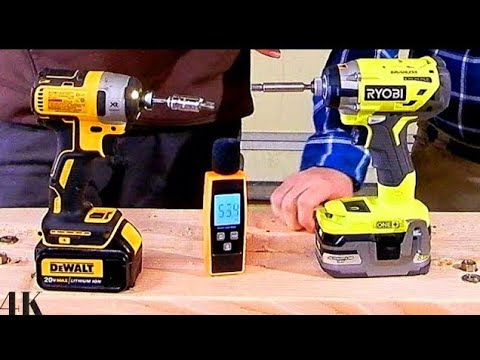
Independent tests show that Dewalt drills often keep working after a six-foot drop onto concrete, while Ryobi drills may suffer from cracked housings or damaged batteries after similar falls.
Ergonomics: Comfort And Handling
Comfort matters, especially if you use a drill for long periods. Dewalt drills are designed with balance and grip in mind. Their handles fit most hand sizes, and the weight is distributed to reduce fatigue.
Ryobi drills are usually lighter, which can be a plus for users with smaller hands or less strength. Their designs tend to be bulkier, and the grip feels less “premium” compared to Dewalt. However, many homeowners find Ryobi drills easier to use for quick, simple tasks.
Pro tip: Try holding both brands in-store to see which one feels better in your hand. Small differences in handle shape or trigger pressure can make a big difference over time.

Credit: prudentreviews.com
Key Features: What Do You Get?
Modern drills come packed with features. Let’s look at what both brands offer:
Ryobi Drill Features
- LED work lights for better visibility
- Magnetic bit holders for convenience
- Multiple clutch settings to control torque
- Tool-less chuck for quick bit changes
- Affordable kits often include extra batteries or accessories
Dewalt Drill Features
- Brushless motors in higher-end models for longer life and more power
- All-metal chucks for better grip on drill bits
- Precision drive modes for delicate tasks
- Superior LED lighting with multiple brightness levels
- Belt clips and durable carrying cases
Non-obvious insight: Dewalt’s brushless motors not only last longer but also run cooler, which can make a difference if you use your drill for hours at a time.
Price: Value For Money
Price is often the deciding factor. Ryobi drills are almost always cheaper than Dewalt, both for bare tools and kits. You can often get a Ryobi drill kit (drill, battery, charger) for less than $70, while a similar Dewalt set may cost $120 or more.
But price isn’t everything. Dewalt’s higher cost reflects better materials, more power, and longer lifespan. If you only use a drill a few times a year, Ryobi is a great value. If you need a tool that will last for years of hard work, Dewalt is usually worth the extra money.
Warranty And Support
Both brands offer good warranties, but Dewalt’s is usually stronger for professional users.
- Ryobi: Most power tools come with a 3-year limited warranty. Service centers are available in most major cities.
- Dewalt: Many tools feature a 3-year limited warranty, 1-year free service, and a 90-day money-back guarantee. Some models even offer a lifetime service agreement.
For repairs and parts, Dewalt’s network is larger, with more support for contractors and businesses.
Accessories And Expandability
Ryobi shines when it comes to tool ecosystem. Their ONE+ batteries work with over 260 tools, including yard equipment, lights, and even fans. This makes it easy and affordable to build a complete set of tools for every part of your home or garden.
Dewalt’s system is also broad, but focuses more on construction and trade tools, like saws, grinders, and impact drivers. If you want a one-stop shop for every home tool, Ryobi has the edge. For job site tools and heavy-duty gear, Dewalt is the winner.
User Reviews And Real-world Experience
Looking at what real users say can be eye-opening. On sites like Amazon and Home Depot, Dewalt drills usually get slightly higher ratings for performance and reliability, while Ryobi scores higher for ease of use and value.
What Owners Like About Ryobi
- Affordable, good quality for the price
- Light and easy to handle
- Batteries work across many tools
- Great for first-time buyers
What Owners Like About Dewalt
- Feels professional and powerful
- Lasts for years, even with heavy use
- Handles tough jobs easily
- Better resale value
Hidden detail: Some beginners overlook that Dewalt’s higher torque can actually cause problems for delicate tasks, like assembling furniture, where too much force strips screws or damages wood. Ryobi’s softer touch can actually be a plus in these situations.
When To Choose Ryobi
Ryobi is a smart choice if you:
- Are a homeowner or renter who does simple repairs
- Want to build a large tool collection without spending a lot
- Need lightweight tools for easy, occasional use
- Prefer a single battery system for both indoor and outdoor tools
When To Choose Dewalt
Dewalt is best for you if you:
- Work as a contractor, carpenter, or serious DIYer
- Need to drill into tough materials often
- Want a tool that can handle drops, dust, and weather
- Care about long-term durability and performance
Comparing Ryobi And Dewalt Drill Models
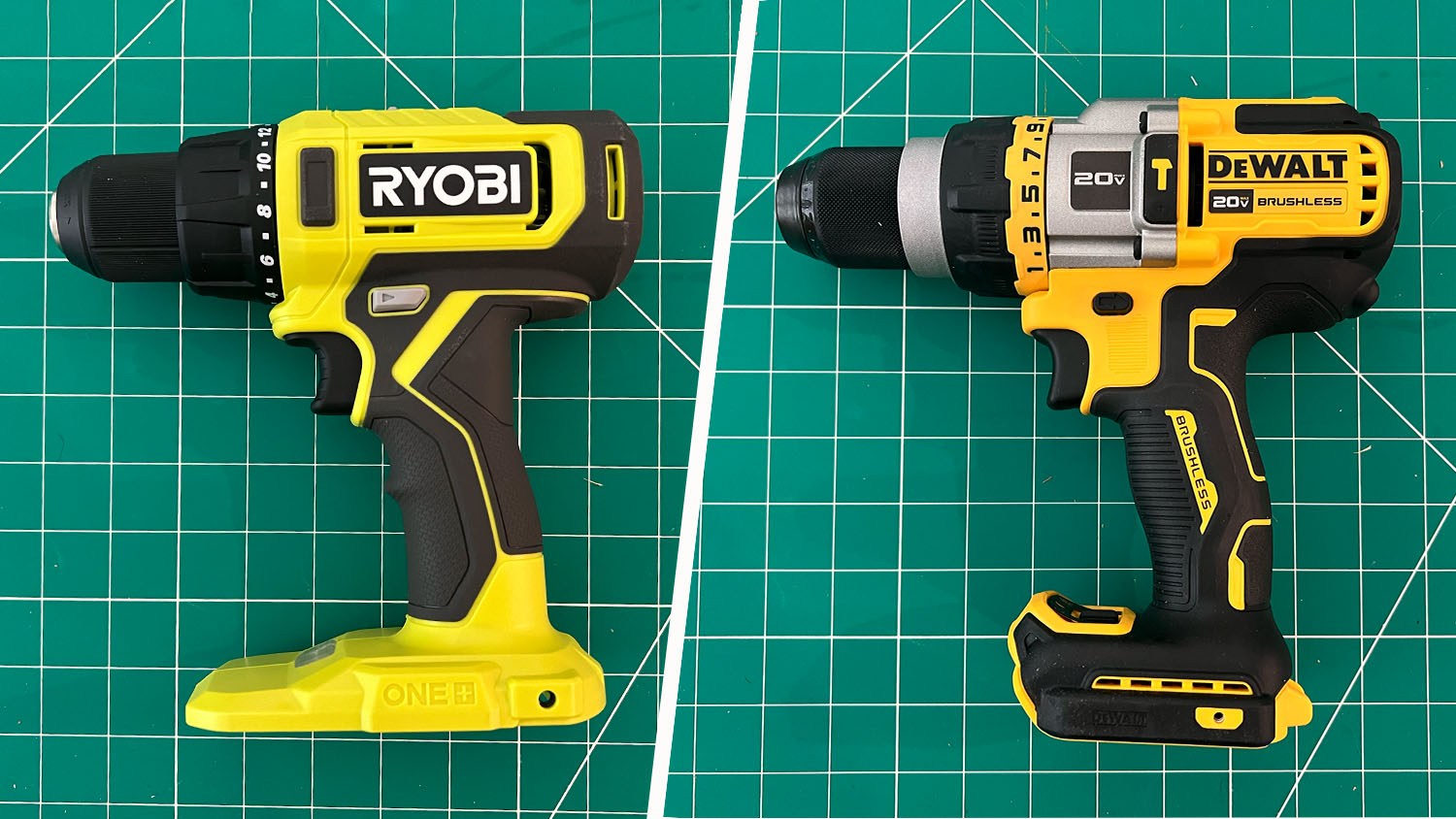
To help make things concrete, here’s a direct comparison of two popular drills: the Ryobi ONE+ 18V Drill/Driver and the Dewalt 20V MAX XR Drill/Driver.
| Feature | Ryobi ONE+ 18V | Dewalt 20V MAX XR |
|---|---|---|
| Max Torque | 340 in-lbs | 530 in-lbs |
| Max RPM | 1,750 | 2,000 |
| Motor Type | Brushed | Brushless |
| Weight (w/ battery) | 3.1 lbs | 3.5 lbs |
| Battery Included | 1.5 Ah | 2.0 Ah |
| Price (kit) | $69 | $149 |
Credit: bestreviews.com
Common Mistakes When Choosing Between Ryobi And Dewalt
- Focusing only on price: Some buyers choose Ryobi just because it’s cheaper, but end up needing Dewalt’s power for future projects.
- Ignoring battery compatibility: Not all Dewalt batteries work with every tool. Check compatibility before buying extra batteries or expanding your collection.
- Overestimating your needs: Many homeowners buy professional-grade Dewalt drills they rarely use to full capacity. Don’t pay extra for power you don’t need.
- Neglecting tool weight: Heavier tools can cause fatigue, especially for beginners. Try both in-hand before buying.
Which Brand Is More Innovative?
Both brands invest in new technology. Dewalt often leads with brushless motors, smart electronics, and FLEXVOLT batteries. Ryobi stands out for offering innovative features at lower prices, like Bluetooth tool tracking and hybrid power options.
Credit: www.youtube.com
Environmental And Safety Considerations
- Ryobi focuses on energy-efficient chargers and recycling programs for old batteries.
- Dewalt emphasizes job site safety, with drills that include e-clutch systems to prevent wrist injuries from sudden jams.
No matter which you choose, always wear safety glasses and follow manufacturer instructions.
Final Thoughts: Ryobi Vs Dewalt Drill
Choosing between Ryobi and Dewalt isn’t just about specs—it’s about your needs, budget, and how you plan to use your drill. For most homeowners and casual DIYers, Ryobi offers excellent value, wide compatibility, and enough power for everyday tasks. For professionals and anyone who needs reliable, heavy-duty performance, Dewalt is the clear winner, with better build quality, more power, and longer life.
If you’re still unsure, visit a local hardware store and hold each drill. Pay attention to how it feels in your hand and how easy it is to change bits or adjust settings. Sometimes, the right choice is the one that simply feels best to you.
For more on tool testing and comparisons, you can check out this Consumer Reports guide.
Frequently Asked Questions
What’s The Main Difference Between Ryobi And Dewalt Drills?
The biggest difference is their target users and build quality. Ryobi is made for homeowners and DIYers, focusing on affordability and versatility. Dewalt targets professionals, offering more power, durability, and features for heavy use.
Are Ryobi Drills Good Enough For Home Projects?
Yes, Ryobi drills handle most home projects well, like assembling furniture, hanging shelves, or drilling into wood and drywall. If you need to drill into concrete or do heavy work, Dewalt is a better choice.
Can Ryobi And Dewalt Batteries Be Used Interchangeably?
No, Ryobi and Dewalt batteries are not compatible with each other. Each brand has its own battery system. Always use batteries and chargers from the same brand to avoid damage.
Is Dewalt Worth The Extra Money Over Ryobi?
If you use a drill often or need more power and durability, Dewalt is worth the investment. For occasional use, Ryobi offers better value for money.
Which Brand Offers Better Customer Support?
Both brands offer good warranty and support, but Dewalt has a larger service network and extra services for professionals, such as free tool maintenance in the first year.
In the end, both Ryobi and Dewalt make excellent drills. Your final choice should depend on your needs, budget, and how much you’ll use your drill. Whether you pick green or yellow, you’ll be ready for your next project with confidence.