SDS Drills: What They Are, How They Work, and Why They Matter
If you have ever tried to drill into concrete, brick, or stone with a regular drill, you probably know the struggle. The bit slips, smoke rises, and progress is slow or impossible. There’s a solution that professionals and serious DIYers rely on: SDS drills. These powerful tools are a game-changer for tough materials, but many people are not sure what makes them different, how they work, or why they are so effective. Understanding SDS drills can save you time, effort, and even money.
This guide breaks down everything you need to know about SDS drills. You’ll learn what SDS means, how these drills operate, their different types, real-world uses, what to look for when buying one, and even some tips for safety and maintenance.
Whether you’re thinking about buying an SDS drill or just want to know what makes them special, this article will give you clear, practical answers.
What Is An Sds Drill?
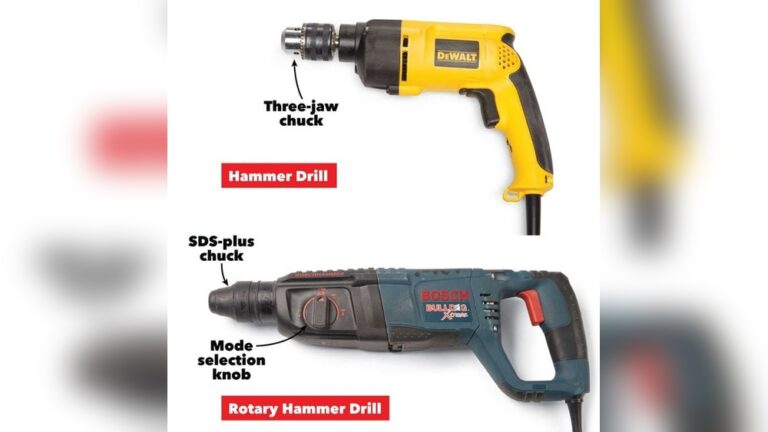
The term SDS stands for “Slotted Drive System” or sometimes “Special Direct System.” It refers to the unique way the drill bit connects to the drill. In an SDS drill, the bit has slots along its shank. These slots fit into the drill’s chuck, allowing the bit to move back and forth while staying firmly locked in.
Unlike standard drills, which grip the bit with a tightening chuck, SDS drills use a spring-loaded mechanism. This design allows much stronger hammering action, making it possible to drill or chisel into very hard materials like concrete, stone, or masonry. SDS drills are sometimes called rotary hammer drills because they combine rotation with a strong hammering motion.
Key features that set SDS drills apart:
- Slot-based bit connection for extra grip and movement
- Powerful hammer action for tough surfaces
- Ability to chisel as well as drill
In short, an SDS drill is not just a “stronger drill. ” It’s a different tool, built for jobs that regular drills can’t handle.
How Sds Drills Work
SDS drills use a unique mechanism to deliver their powerful performance. Here’s a closer look at what happens inside.
The Sds Mechanism
Inside an SDS drill, the motor turns a piston. This piston rapidly moves back and forth. The movement creates air pressure, pushing a second piston (the “flying piston”) that strikes the end of the drill bit. Because the bit is held in place by slots, it can move forward and backward slightly.
This action delivers a series of fast, strong blows, as well as spinning the bit.
This is different from a standard hammer drill, where the hammer action is created by two ridged discs clashing together. SDS drills are more efficient and produce less wear on the tool.
The Bit System
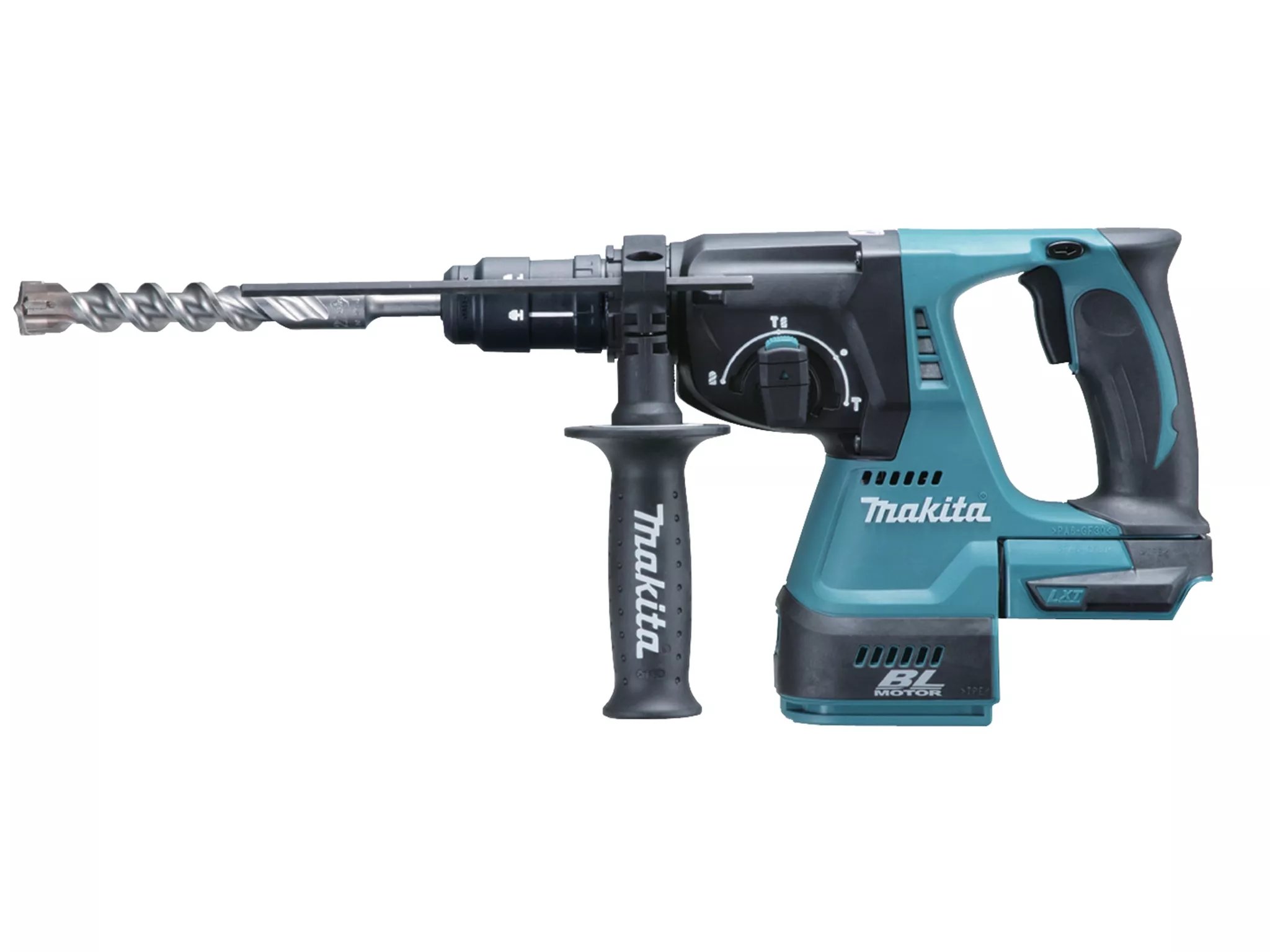
SDS drill bits have slots and grooves instead of a simple smooth shaft. These slots fit into the chuck, locking the bit in place but letting it slide back and forth for the hammer action. Changing bits is quick: you just push the bit in and it clicks into place. There’s no need to tighten or loosen anything by hand.
Modes Of Operation
Most SDS drills can work in different modes:
- Rotary only (spins the bit, for wood or metal)
- Hammer drilling (rotates and hammers, for concrete)
- Chiseling (hammers without rotating, for breaking up surfaces)
These modes make SDS drills very flexible for construction, renovation, and demolition.
Types Of Sds Drills
There are several types of SDS drills, each designed for different jobs and user needs. The main differences are in size, power, and the type of bits they use.
Sds-plus
SDS-Plus is the most common type for home users and light professional work. The shank (part of the bit that goes into the drill) is 10mm in diameter, with four slots. SDS-Plus drills are lighter, easier to handle, and can drill holes up to 30mm in concrete. They are perfect for:
- Fixing shelves to brick walls
- Installing electrical boxes in masonry
- Light chiseling
Sds-max
SDS-Max drills are for heavy-duty work. The shank is thicker (18mm), and the bits are larger. SDS-Max drills are used by professionals who need to drill big holes (up to 52mm or more), break up floors, or do major demolition. These drills are heavier and more expensive, but essential for big construction jobs.
Sds-top And Other Variants
SDS-Top is less common and sits between Plus and Max in size. Some brands also have their own systems, but SDS-Plus and SDS-Max are the industry standards. Always check what bit your drill takes before buying accessories.
Corded Vs Cordless Sds Drills
- Corded SDS drills offer nonstop power, making them best for long or tough jobs. You don’t have to worry about batteries running out.
- Cordless SDS drills use powerful batteries, often 18V or 36V. They’re easy to move around and great for jobs where there’s no power socket nearby. Modern cordless SDS drills are almost as strong as corded models for many tasks.
Here’s a quick look at the differences:
| Type | Best For | Bit Size | Weight |
|---|---|---|---|
| SDS-Plus | DIY, light pro work | Up to 30mm | 2-4 kg |
| SDS-Max | Heavy duty, demolition | Up to 52mm+ | 5-12 kg |
| Cordless | Portability, small jobs | Usually up to 26mm | 2-5 kg |
| Corded | Continuous use | Any size | Varies |
Main Uses And Applications
SDS drills are designed for tough jobs that ordinary drills cannot do. You’ll find them on construction sites, in home renovation, and with anyone serious about building or repair.
Drilling Into Concrete And Masonry
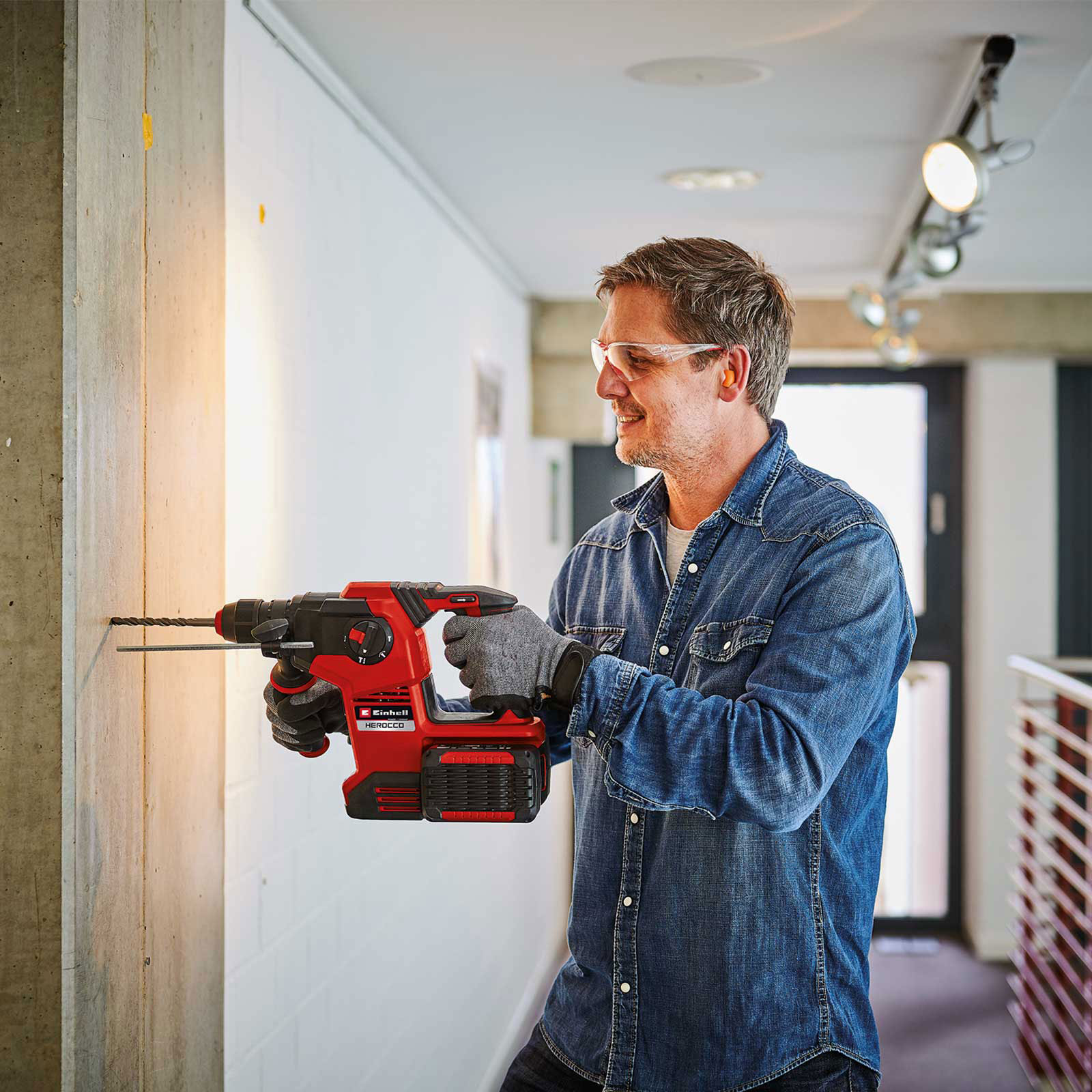
The most common use for an SDS drill is making holes in concrete, brick, or stone. Whether you are mounting a TV on a brick wall or running cables through a concrete floor, an SDS drill makes the job much faster and easier.
Chiseling And Demolition
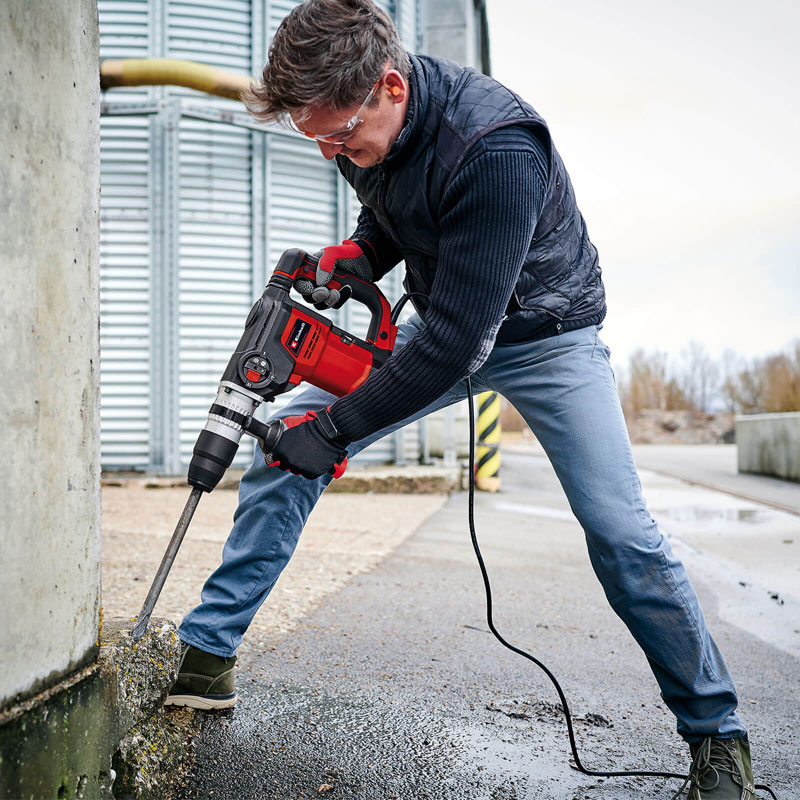
Many SDS drills can be used with chisel bits. This lets you break up old tiles, chip away stone, or remove plaster. For example, a plumber might use an SDS drill to chisel out a channel in the wall for pipes.
Core Drilling
With the right bit, SDS drills can cut large holes—called core drilling—for pipes, ventilation, or wiring. This is common in both commercial and home settings.
Other Uses
Some SDS drills have a rotary-only mode for drilling into wood or metal. While they are not as precise as standard drills for these jobs, it’s useful in a pinch. However, you should not use regular drill bits in an SDS chuck unless the manufacturer says it’s safe.
Credit: www.tooled-up.com
Key Advantages Of Sds Drills
Why do professionals and serious DIYers choose SDS drills? Here are the main benefits:
Power And Efficiency
The hammering action of an SDS drill is much stronger than a normal hammer drill. This means you can drill faster, make cleaner holes, and reduce the chance of damaging the bit.
Versatility
With multiple modes and bit options, an SDS drill is more than just a one-job tool. You can switch between drilling, chiseling, and sometimes even screwdriving, depending on the model.
Durability
SDS drills are built to last. The slot system means less wear on the chuck and bits, and the tools are designed for heavy use.
User Comfort
Ironically, SDS drills often feel easier to use on tough surfaces. The powerful action means you don’t have to push as hard, reducing fatigue.
Fast Bit Changes
The slot system lets you swap bits quickly, which saves time on the job.
How Sds Drills Compare To Other Drills
It’s helpful to see how SDS drills differ from other common drill types. Here’s a side-by-side look:
| Feature | SDS Drill | Standard Hammer Drill | Regular Drill |
|---|---|---|---|
| Bit System | Slot-based, fast change | Chuck, needs tightening | Chuck, needs tightening |
| Hammer Action | Pneumatic, powerful | Mechanical, limited | None |
| Material | Concrete, masonry, stone | Light concrete, brick, wood | Wood, metal, plastic |
| Best Use | Heavy jobs, demolition | Medium jobs | General drilling |
| Bit Cost | Higher | Medium | Lower |
Choosing The Right Sds Drill
If you’re ready to buy an SDS drill, there are a few key things to consider. Picking the right tool means thinking about your needs, budget, and the types of jobs you’ll do.
1. Power And Size
- For most home users, an SDS-Plus drill with a power rating of 800-1200 watts is enough.
- Professionals or those working with very hard materials may want an SDS-Max model.
2. Corded Or Cordless
- Go corded if you’ll be drilling for long periods or need maximum power.
- Choose cordless for flexibility, smaller jobs, or places without power outlets.
3. Modes And Features
Look for these features:
- Hammer only, rotary only, and hammer+rotary modes
- Variable speed control for better accuracy
- Safety clutch to protect your wrist if the bit jams
- Vibration control for more comfort
4. Weight And Handling
Heavier drills are harder to handle for long periods. Try holding the drill before buying, if possible. A comfortable grip makes a big difference.
5. Bit Compatibility
Make sure the drill matches the SDS bit system (Plus or Max) you want to use. Some drills come with adapters for regular drill bits, but these are best for occasional use only.
6. Price And Brand
SDS drills range from $80 for entry-level models to $600+ for heavy-duty pro tools. Brands like Bosch, Makita, DeWalt, and Hilti are respected in the industry.
Here’s a quick comparison of what matters most:
| Feature | Why It Matters | Tip |
|---|---|---|
| Power (Watts/Volts) | Faster, easier drilling | More power for bigger jobs |
| Weight | User fatigue | Lighter for overhead work |
| Modes | Tool versatility | More modes, more uses |
| Price | Budget control | Don’t buy more than you need |
Sds Drill Bits: What You Need To Know
The bit is where the power meets the material. SDS drill bits are designed specifically for the slot system, and using the right bit is critical for good results.
Types Of Sds Bits
- Masonry bits: For drilling into concrete, brick, and stone. They have a tungsten carbide tip.
- Chisel bits: Flat or pointed, used for breaking and chipping.
- Core bits: Hollow, for cutting large holes.
- Specialty bits: For tasks like tile removal or channeling.
Choosing The Right Bit
- Match the bit type to the job. Don’t use a masonry bit for wood or metal.
- Check the SDS size (Plus or Max).
- Inspect bits for wear—dull bits can cause overheating and poor results.
Bit Maintenance
- Clean bits after use to prevent rust.
- Replace bits when tips are worn or chipped.
- Store bits in a dry place.
Common Mistakes With Sds Drills
Many beginners make errors that reduce tool life, waste time, or even cause injury. Here are two non-obvious mistakes to avoid:
- Using regular bits in an SDS drill: Standard drill bits won’t lock in place, and can even damage the chuck. Always use the correct SDS bits.
- Forcing the drill: Let the tool’s weight and power do the work. Pushing too hard can damage both the bit and the material.
Other common mistakes:
- Not checking the mode setting before starting
- Using a dull or wrong bit for the material
- Not wearing hearing and eye protection
Safety Tips For Using Sds Drills
SDS drills are powerful. Safety should always be a priority.
- Wear safety glasses and ear protection. SDS drills are loud and can throw debris.
- Use gloves to reduce vibration and improve grip.
- Check for wires and pipes before drilling into walls or floors.
- Secure your workpiece to prevent movement.
- Keep hands away from the drilling area.
- Let the drill rest if it gets hot during long sessions.
If the drill has a safety clutch, keep both hands on the tool. If the bit jams, the clutch will engage, but the tool may still spin.
Credit: www.careytools.com
Real-world Examples And Applications
SDS drills are used in many fields. Here are a few examples:
- Electricians use SDS drills to make holes for cables through concrete walls.
- Plumbers chisel out channels for pipes.
- Homeowners install heavy-duty wall anchors for shelves or TVs.
- Renovation teams strip tiles and old plaster with chisel bits.
- Construction workers core drill for ventilation ducts.
One non-obvious use: Some SDS drills can be adapted for ice fishing, using a special auger bit to drill holes in thick ice.
Sds Drills: Practical Tips For Beginners
If you’re new to SDS drills, here are some practical pointers:
- Start with a small hole to guide larger bits.
- Use the right speed setting—slower for harder materials.
- Mark drilling depth with tape on the bit if your drill has no depth stop.
- Let the tool do the work—don’t force it.
- Practice on scrap material if you’re unsure.
Care And Maintenance
A well-cared-for SDS drill lasts for years. Here’s how to keep yours in top shape:
- Clean the chuck regularly; dust can make bit changes harder.
- Oil the chuck occasionally (follow the manual).
- Check the power cord or battery for damage.
- Store in a dry place to prevent rust.
- Inspect bits before each use.
If your drill starts making unusual noises or loses power, stop and check it. Regular maintenance prevents bigger repairs later.
The Future Of Sds Drills
Like many power tools, SDS drills are evolving. Modern models have better vibration control, more power in smaller packages, and smart features like automatic speed adjustment. Battery technology is improving, so cordless SDS drills are becoming more popular—even for heavy jobs.
Some brands are adding Bluetooth connectivity for tracking tool use on job sites. Expect SDS drills to become even more user-friendly and efficient in the coming years.
For more technical details, the Rotary Hammer Wikipedia page gives a deeper look at the technology behind these tools.
Credit: www.tooled-up.com
Frequently Asked Questions
What Does Sds Mean In Drills?
SDS stands for Slotted Drive System or Special Direct System. It describes the way the drill bit locks into the chuck, allowing for stronger hammering and fast bit changes.
Can I Use Regular Drill Bits In An Sds Drill?
You should only use SDS bits in an SDS drill. Some models allow adapters for standard bits, but this is only for light tasks. Using the wrong bit can damage the tool.
What Is The Difference Between Sds-plus And Sds-max?
SDS-Plus is smaller and for lighter work (up to 30mm holes). SDS-Max is larger, for heavy-duty jobs (up to 52mm+). The bits and chucks are not interchangeable.
Are Sds Drills Suitable For Home Use?
Yes, especially SDS-Plus models. They are perfect for homeowners who need to drill into concrete or brick, install fixtures, or do renovation projects.
How Do I Maintain My Sds Drill?
Clean the tool regularly, check for worn parts, oil the chuck if needed, and store it in a dry place. Always use sharp, undamaged bits for best results.
SDS drills are a smart investment for anyone working with tough materials. With the right knowledge, you can use them safely and get great results, whether you’re a DIYer or a professional tradesperson.