Drilling holes for concrete anchors can seem tricky, especially if you’re doing it for the first time. You might wonder, “What size drill bit do I need for a 1/2 inch concrete anchor? ” Choosing the right size is essential.
The wrong size can lead to loose anchors, weak holds, or even cracked concrete. In this guide, you’ll discover exactly which drill bit to use, why the size matters, how to drill safely, and some often-missed tips to make your anchoring project strong and reliable.
Understanding Concrete Anchors And Their Importance
Concrete anchors are special fasteners used to attach objects to concrete, brick, or block. They are common in construction, home improvement, and industrial work. You might use them to secure shelves, machinery, framing, or railings. The 1/2 inch concrete anchor is a popular choice for medium to heavy-duty applications.
Why does size matter? The anchor must fit tightly in the hole to grip the concrete. If the hole is too big, the anchor may spin or pull out. If it’s too small, the anchor won’t go in or might break.
That’s why matching the drill bit size to the anchor is critical.
What Size Drill Bit For 1/2 Concrete Anchor?
Most 1/2 inch concrete anchors require a 1/2 inch drill bit. This means the diameter of the drill bit should match the anchor’s designated size. However, there are a few important details:
- Some anchors need slightly larger or smaller holes depending on their type.
- The manufacturer’s instructions always take priority. There can be small differences between brands.
- The type of concrete anchor (wedge, sleeve, drop-in, etc.) Affects the drill bit size.
Here’s a quick reference:
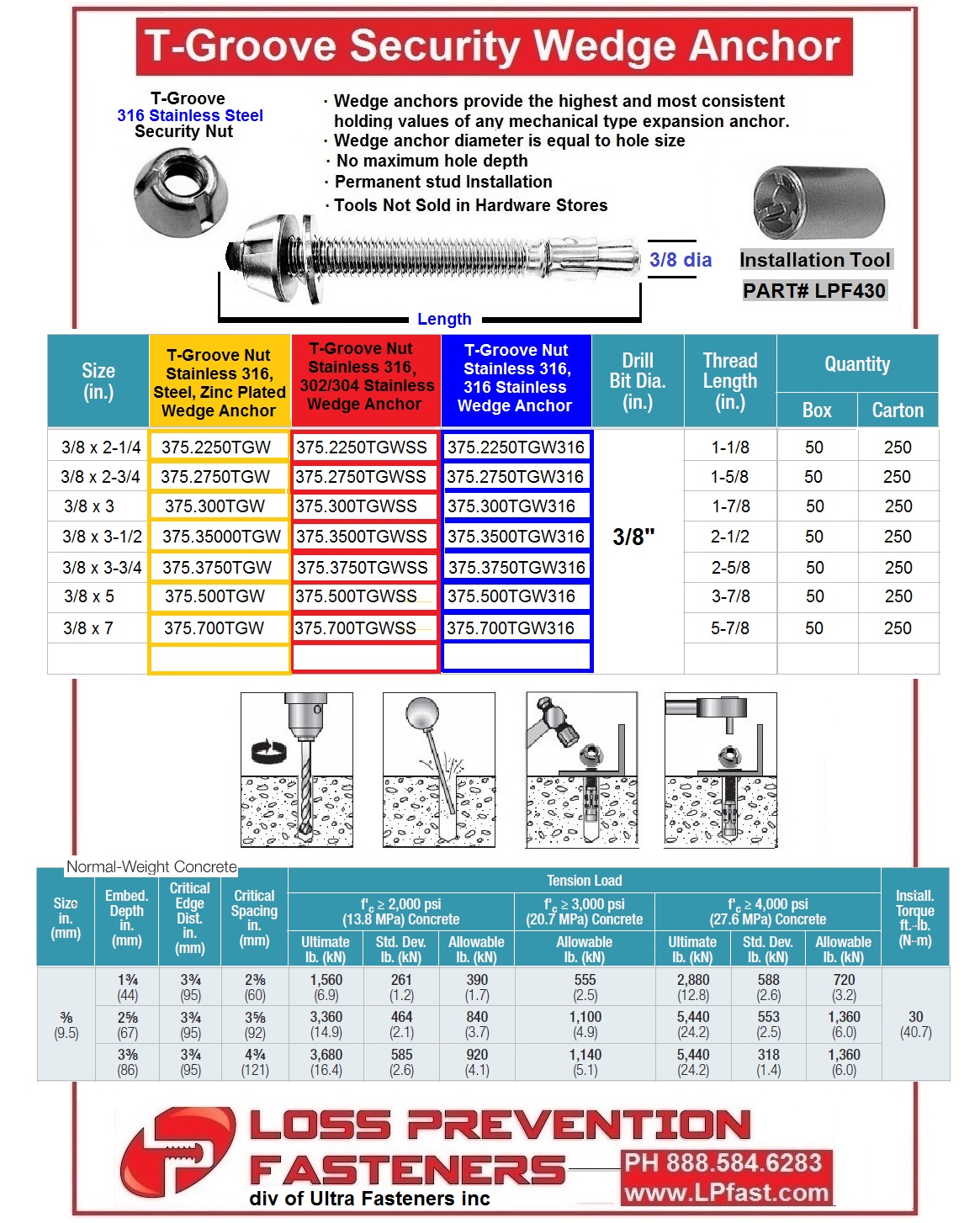
- For 1/2 inch wedge anchors: Use a 1/2 inch drill bit.
- For 1/2 inch sleeve anchors: Use a 1/2 inch drill bit.
- For 1/2 inch drop-in anchors: Use a 1/2 inch drill bit.
- For 1/2 inch Tapcon or screw anchors: These often require a 7/16 inch drill bit.
It’s easy to see why checking the package or product sheet is important. Even experienced professionals double-check before drilling.
Types Of 1/2 Inch Concrete Anchors And Drill Bit Sizes
Let’s look at the main types of 1/2 inch anchors and the bit size each needs. This helps you avoid common mistakes.
| Anchor Type | Recommended Drill Bit Size | Comments |
|---|---|---|
| Wedge Anchor | 1/2 inch | Most common for heavy-duty jobs |
| Sleeve Anchor | 1/2 inch | Great for solid and hollow concrete |
| Drop-In Anchor | 1/2 inch | Needs setting tool after drilling |
| Tapcon/Screw Anchor | 7/16 inch | Bit is slightly smaller than anchor size |
| Lag Shield Anchor | 5/8 inch | Needs larger hole than anchor size |
Notice that most anchors use a bit equal to their diameter, but not all. Lag shield anchors need a larger hole, while Tapcon anchors need a slightly smaller one for a tighter fit.
Why The Correct Drill Bit Size Matters
You might think being “close enough” is fine. But concrete anchors work because of friction and expansion. The anchor expands as you tighten it, gripping the concrete. If the hole is too wide, there’s not enough grip. If the hole is too tight, the anchor won’t fit or may break during installation.
Some real-world problems caused by the wrong size:
- Loose fit: The anchor spins or pulls out, risking failure of the mounted object.
- Cracked concrete: Forcing a large anchor into a small hole can crack the base.
- Wasted time and money: Redrilling or replacing anchors increases costs.
Always use a good quality, sharp masonry drill bit and double-check the size before starting.
How To Select The Right Drill Bit For A 1/2 Inch Anchor
Choosing the right bit is more than just the diameter. Here’s what to look for:
- Bit Type: Use a carbide-tipped masonry drill bit. These are designed for concrete and last longer.
- Length: The bit must be long enough for the anchor depth plus a little extra (usually 1/2 inch more) for dust clearance.
- Check Shank Size: The bit’s shank (the part that goes in the drill) must fit your drill.
- Condition: Old or dull bits make drilling harder and less accurate.
If you’re using a hammer drill, make sure the bit is rated for impact use.
Step-by-step Guide: Drilling For 1/2 Inch Concrete Anchors
Success with anchors starts with the right drilling technique. Here’s how to do it:
- Mark the Spot: Measure and mark exactly where you want the anchor.
- Wear Safety Gear: Use safety glasses, hearing protection, and a dust mask.
- Set Up the Drill: Insert the 1/2 inch (or recommended) masonry bit into your hammer drill. Tighten it well.
- Drill Straight: Hold the drill perpendicular to the surface. Drill slowly at first to make a guide hole.
- Drill to Depth: Go as deep as the anchor length plus 1/2 inch. Some bits have a depth gauge. If not, wrap tape around the bit at the correct depth.
- Clear the Hole: Blow out dust using a bulb blower or compressed air. Don’t use your mouth; concrete dust is harmful.
- Test the Anchor Fit: Insert the anchor to check fit. It should go in snug but not require hammering force (unless specified).
- Install the Anchor: Follow the anchor’s instructions for expansion, screwing, or setting.
Pro Tips For Perfect Holes
- Start with a smaller pilot hole if you’re worried about accuracy.
- If the hole is too tight, don’t force the anchor. Redrill with the same bit to clear debris.
- For long anchors, stop halfway and clear dust, then continue.
- Always check the anchor’s package for special instructions.
Comparing Different Anchor Types For 1/2 Inch Applications
With several types of concrete anchors on the market, it’s helpful to compare their uses and installation requirements.
| Anchor Type | Best For | Drill Bit Size | Key Features |
|---|---|---|---|
| Wedge Anchor | Heavy machinery, railings | 1/2 inch | High load capacity, permanent |
| Sleeve Anchor | Handrails, signs | 1/2 inch | Works in solid or hollow materials |
| Drop-In Anchor | Threaded rods, pipe supports | 1/2 inch | Flush with surface, needs setting tool |
| Tapcon/Screw | Light/medium loads | 7/16 inch | Removable, direct fastening |
Common Mistakes Beginners Make (and How To Avoid Them)
Even with the right bit, there are pitfalls to avoid. Here are some mistakes people make when drilling for 1/2 inch concrete anchors:
- Ignoring Dust Removal: Leaving dust in the hole can prevent the anchor from gripping.
- Not Drilling Deep Enough: Anchors must be fully embedded for strength. Always check depth.
- Using the Wrong Bit Type: Regular steel bits dull quickly in concrete, leading to oversized holes.
- Skipping Safety Gear: Concrete dust is dangerous. Always use eye and respiratory protection.
- Not Checking Anchor Instructions: Different brands may have special requirements. Always read the package.
- Drilling at an Angle: Anchors need straight holes for full strength. Use a drill guide if needed.
A less obvious tip: Concrete hardens over time. New concrete (less than 28 days old) is softer and easier to drill, but anchors may not hold as well until full cure.

Credit: sandbaggy.com
Real-world Example: Installing A 1/2 Inch Wedge Anchor
Imagine you need to secure a heavy workbench to a garage floor. The instructions call for 1/2 inch wedge anchors. Here’s how you’d do it:
- Mark the hole locations through the workbench legs.
- Using a hammer drill with a 1/2 inch masonry bit, drill straight down to the required depth (anchor length plus 1/2 inch).
- Blow out all dust from the hole.
- Insert the wedge anchor; it should fit snugly.
- Tap it with a hammer until the washer and nut are flush with the surface.
- Tighten the nut. The anchor expands and locks into the concrete.
If the anchor spins or doesn’t grip, the hole may be too large. You’d need to move to a new spot and drill again with a fresh bit.
Advanced Tips Most People Miss
Even seasoned DIYers sometimes overlook these:
- Check for rebar: Drilling into concrete with rebar can damage your bit and slow the process. If you hit resistance, stop and reposition if possible.
- Test on scrap: If you have leftover concrete, test your drill bit and anchor before starting on your actual project. This confirms fit and depth.
- Use a vacuum attachment: Some hammer drills have dust collection accessories. These keep the hole clean and protect your lungs.
Another tip: For critical jobs, measure your bit’s diameter with a caliper. Sometimes bits wear down, becoming slightly smaller over time. This tiny difference can affect anchor performance.
Tools Needed For Drilling Concrete Anchors
You don’t need a workshop full of tools, but a few basics make the job easier:
- Hammer drill: Regular drills struggle in concrete. Hammer drills use rapid impacts to break up concrete as they spin.
- Carbide-tipped masonry bits: Essential for durability and correct hole size.
- Depth gauge: Many drills have this built in, or use tape on the bit.
- Blower or compressed air: To clear dust from holes.
- Vacuum: Optional but helpful for cleanup and health.
- Safety gear: Glasses, gloves, dust mask.
How To Identify The Right Bit In Your Toolbox
Drill bits can look similar, especially if you have a mixed set. Here’s how to quickly identify the right one:
- Look for markings: Most masonry bits have the size (e.g., “1/2”) stamped on the shank.
- Check the tip: Masonry bits have a thick, often silver or gray, carbide tip.
- Compare with the anchor: Hold the bit next to the anchor. The bit should match the anchor’s body, not the expanded section.
If you’re unsure, use a caliper or ruler to measure the bit’s diameter.
What If You Drill The Wrong Size Hole?
Mistakes happen. If you accidentally drill a hole that’s too large for your 1/2 inch anchor, don’t panic. Here are some solutions:
- Epoxy anchor sleeves: These are special inserts or glues that fill the gap and allow the anchor to grip.
- Move the anchor: If possible, shift your hole location and drill again.
- Use a larger anchor: If safe for your application, you can go up one size.
Never try to “make do” with a loose anchor in concrete. The risk of failure is too high.
When To Use Professional Help
Some situations require more than DIY skills:
- Structural supports: If you’re anchoring critical beams or safety railings, get an engineer’s advice.
- Old or crumbling concrete: Weak concrete may not hold anchors well. Testing or repairs may be needed first.
- Large projects: For many anchors, consider renting a rotary hammer or hiring a pro.
Credit: www.losspreventionfasteners.com
Maintenance And Checking Of Anchored Fixtures
After installation, check anchored fixtures regularly:
- Inspect for movement: If the object wiggles, the anchor may be loose.
- Check for cracks: Cracked concrete can lead to failure.
- Retighten nuts: Vibration can loosen anchors over time.
If you see problems, investigate immediately. Sometimes re-anchoring or upgrading to a larger anchor is needed.
Safety Precautions When Drilling Concrete
Safety is critical when working with concrete:
- Wear eye protection: Flying chips can cause injury.
- Use a dust mask: Silica dust is harmful to lungs.
- Wear gloves: They protect against sharp bits and rough concrete.
- Secure loose clothing: Avoid entanglement with the drill.
- Keep the area clear: Don’t let others stand close while you work.
Always follow tool safety instructions, and never rush.
Environmental Factors That Affect Drilling
Concrete is not always the same. Here’s what can change your results:
- Cure time: Fresh concrete (less than 28 days old) is softer.
- Aggregate type: Hard stone in concrete makes drilling slower.
- Moisture: Wet concrete is easier to drill, but anchors may not hold as well until dry.
- Temperature: Cold weather can make concrete harder.
Plan for these differences. Sometimes, you may need a stronger drill or sharper bit.
Useful Resources For Anchor Installation
For deeper technical guidance or specific anchor types, check these resources:
- Hilti Anchor Systems – Offers detailed installation instructions and anchor selection guides.
- Local building codes – Always check for requirements in your area.

Credit: handtoolessentials.com
Frequently Asked Questions
What If I Only Have A Regular Drill, Not A Hammer Drill?
You can try, but regular drills are much slower and may overheat. Hammer drills make the job easier and safer. For one or two small holes, a regular drill may work, but expect more effort and slower progress.
Can I Use A Wood Or Metal Drill Bit For Concrete Anchors?
No. Wood and metal bits can’t handle the hardness of concrete. They’ll wear out fast and may drill oversize holes. Always use a carbide-tipped masonry bit.
How Do I Remove A 1/2 Inch Concrete Anchor If I Make A Mistake?
Some anchors, like Tapcon screws, can be unscrewed. Wedge and sleeve anchors are harder to remove. You may need to cut them flush with the surface or drill them out. If removal is required, follow the anchor manufacturer’s guidance.
Are All 1/2 Inch Anchors The Same Length?
No. Anchor length varies by brand and application. Always check that your anchor is long enough for the material thickness and the object you’re securing.
Why Do Tapcon Anchors Need A Smaller Drill Bit Than Their Anchor Size?
Tapcon anchors are designed to cut threads into the concrete as they’re screwed in. A slightly smaller hole (7/16 inch for a 1/2 inch anchor) ensures tight grip and strong holding power.
Choosing the right drill bit for your 1/2 inch concrete anchor is not complicated, but it does require attention to detail. Always check the anchor type, read instructions, use a sharp masonry bit, and drill carefully. These steps will help you get a strong, safe, and long-lasting installation—whether you’re anchoring a shelf, machine, or safety railing. For more guidance, you can visit the American Concrete Institute FAQ page. Remember, the strength of your project depends on this small but important detail.