Drilling fiberglass may sound simple, but if you rush or use the wrong method, you can easily damage the material or injure yourself. Fiberglass is strong but brittle. The glass fibers give it strength, but they also make it easy to crack, chip, or “fuzz” at the edges.
Unlike wood or metal, fiberglass needs special care when drilling holes. Whether you’re installing a boat accessory, making a hole for wiring, or assembling custom panels, knowing the right way to drill fiberglass will save you time, money, and frustration.
This guide covers everything you need to know, from tools and safety to step-by-step methods and common mistakes.
Understanding Fiberglass: Why Drilling Needs Special Care
Fiberglass is a composite material made from glass fibers and resin. It’s popular in boats, car parts, bathtubs, and construction panels because it’s lightweight, strong, and resists corrosion. But drilling it isn’t like drilling metal or wood.
When you drill fiberglass, the drill bit cuts through both the hard glass fibers and the softer resin. If you use too much pressure, the fibers can break apart or the resin can crack. You might also get delamination, where the layers of fiberglass separate. This weakens the material and looks bad.
Another issue is “fuzzing. ” If your drill bit is dull or you use the wrong speed, the hole’s edge can look fuzzy, with small fibers sticking out. This makes the hole messy and harder to seal.
Essential Safety Precautions Before Drilling Fiberglass
Drilling fiberglass creates fine dust that can irritate your skin, eyes, and lungs. The glass fibers are sharp and can cause itching or even allergic reactions. It’s important to take safety seriously.
- Wear a dust mask or respirator: This protects your lungs from fiberglass dust.
- Use safety goggles: Keep tiny glass shards and dust out of your eyes.
- Wear gloves: Thin nitrile or latex gloves help protect your hands from itching and cuts.
- Cover your skin: Wear long sleeves and pants to avoid fiberglass dust on your arms and legs.
- Work in a well-ventilated area: If possible, drill outside or use a shop vacuum with a HEPA filter to collect dust.
- Clean up carefully: Use a damp cloth or vacuum to remove dust from your tools and workspace. Avoid sweeping, which can stir up fibers.
Some beginners ignore dust protection, thinking it’s just a quick job. But even short exposure can cause discomfort. Also, tiny fibers can linger on your clothes, so wash them separately after working with fiberglass.
Choosing The Right Tools And Drill Bits
The tools you use will make a big difference in the quality of your hole and the ease of drilling. Not all drill bits are created equal.
Best Drill Bits For Fiberglass
- Brad point bits: These have a sharp point that helps prevent wandering. They make clean holes in fiberglass and are less likely to chip the surface.
- Diamond-tipped bits: Great for very hard or thick fiberglass. They stay sharp longer but are more expensive.
- Carbide-tipped bits: Tough and durable, ideal for repeated drilling.
- Twist drill bits: Standard bits can work, but they must be sharp. Dull bits cause chipping and fuzzing.
For most home and boat projects, a sharp brad point bit is the best choice.
Drill Speed And Power
Use a variable-speed drill. Lower speeds (around 500–1000 RPM) are best for fiberglass. High speeds can overheat the resin and create rough edges. Cordless drills give better control, but corded drills are fine too.
Other Useful Tools
- Painter’s tape or masking tape: Helps prevent surface chipping.
- Center punch or awl: Marks the exact spot for drilling.
- Countersink bit: For beveling the edge of the hole.
- Vacuum or shop vac: To collect dust as you drill.
Tool Comparison
Here’s how common drill bits stack up for fiberglass:
| Drill Bit Type | Clean Edge | Durability | Cost | Best Use |
|---|---|---|---|---|
| Brad Point | Excellent | Good | Medium | General holes |
| Diamond-tipped | Excellent | Excellent | High | Thick/hard fiberglass |
| Carbide-tipped | Very Good | Excellent | High | Frequent drilling |
| Standard Twist | Fair | Fair | Low | Occasional use |
Preparing Fiberglass For Drilling
Preparation is one of the most important steps, but it’s often skipped. If you drill without preparation, you risk cracks, chips, or even ruining your project.
- Mark the hole: Use a pencil or marker to mark the exact spot. Double-check measurements—mistakes are hard to fix.
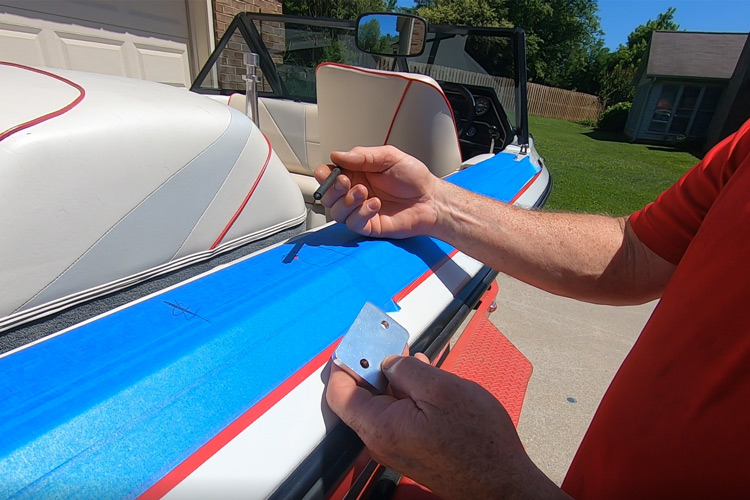
- Tape the area: Place a strip of masking tape over the mark. This helps stop the surface from chipping or cracking when the drill bit enters and exits.
- Use a center punch: Gently tap the center punch or awl at your mark. This creates a small dent, so the drill bit won’t slip.
- Clamp the material: Secure the fiberglass to a solid surface. If it’s a loose panel, use clamps and a backing board (like a scrap piece of wood) underneath. This reduces vibration and prevents splintering on the back side.
Backing Board: An Overlooked Step
Many first-timers forget the backing board. Drilling directly over air or a hollow space can cause the fiberglass to “blow out” on the back, leaving a rough or broken edge. A simple scrap of plywood or MDF pressed tight against the back stops this from happening.

Credit: www.youtube.com
Step-by-step Guide: How To Drill Fiberglass Cleanly
Now that you’re prepared, here is how to drill fiberglass for professional results.
1. Double-check Everything
Before you start, look at your setup:
- Is the mark in the right spot?
- Is the area taped and clamped?
- Are you using the right bit and safety gear?
2. Set Drill Speed And Pressure
- Use a low speed (500–1000 RPM).
- Hold the drill perpendicular to the surface.
- Apply gentle, steady pressure. Don’t push hard—let the bit do the work.
3. Start With A Small Pilot Hole
- Drill a small pilot hole first (about 1/8” or 3mm).
- This makes it easier to drill the final hole and reduces the risk of cracks.
4. Drill The Final Hole
- Switch to the correct size bit.
- Drill slowly, keeping the drill steady.
- As you break through the back side, reduce pressure even more to avoid chipping.
- If possible, drill into a backing board to support the exit hole.
5. Clean And Finish The Hole
- Remove the tape carefully.
- Use a deburring tool or sandpaper to smooth the edges.
- If a countersink is needed (for screws), use a countersink bit at very low speed and light pressure.
6. Clean Up Dust
- Wipe the area with a damp cloth.
- Vacuum up loose dust and fibers.
Step-by-step Example
Imagine you want to add a cleat to your fiberglass boat deck:
- Mark where the cleat will go and tape the area.
- Center punch the mark.
- Clamp a board under the deck if possible.
- Drill a small pilot hole.
- Switch to the final bit size for your bolt.
- Drill at low speed, with light pressure.
- Remove tape, sand the edges, and clean up.
Common Mistakes When Drilling Fiberglass (and How To Avoid Them)
Even experienced DIYers make mistakes with fiberglass. Here are some common problems and how to avoid them:
- Using dull drill bits: Dull bits tear the fiberglass instead of cutting it, causing chips and fuzz.
- Always use a new or freshly sharpened bit.
- Drilling too fast: High speeds melt the resin and overheat the bit, making rough holes.
- Stick to low speeds.
- Applying too much force: Forcing the bit can crack the fiberglass or break the bit.
- Use steady, gentle pressure.
- Skipping the pilot hole: Without a pilot hole, large bits can wander or grab, causing damage.
- Always start with a small pilot hole.
- Not using tape: Skipping tape often leads to chips around the hole.
- Tape every hole, even small ones.
- No backing board: Drilling over air can cause blowout on the back side.
- Support the back with wood.
- Not cleaning up dust: Fiberglass dust can cause itching and breathing problems.
- Clean up thoroughly after drilling.
An extra tip most beginners miss: if you notice the bit getting hot or the hole smoking, stop and let it cool. Overheating is a sign you’re going too fast or using the wrong bit.
Credit: monstertower.com
Drilling Different Types Of Fiberglass Projects
Fiberglass comes in many forms: thin panels, thick boat hulls, pipes, and more. Each type has its own challenges.
Thin Panels
- Use extra care to avoid cracking.
- Back the panel with wood.
- Use smaller bits and slower speeds.
Thick Or Laminated Fiberglass
- May need diamond or carbide-tipped bits.
- Drill in stages: Make a pilot hole, then step up through 2–3 bit sizes to the final size.
- Remove the bit occasionally to clear dust and keep it cool.
Curved Surfaces
- Hold the drill steady to avoid slipping.
- Use a center punch to start.
- Go slowly and check your angle often.
Gelcoat Surfaces
Many boats and panels have a gelcoat surface. This is a hard, glossy outer layer. Gelcoat is even more brittle than the fiberglass beneath.
- Tape is a must to prevent chipping.
- Drill slowly and use a sharp bit.
- Some pros use a small “reverse” drill at first to score the gelcoat before drilling forward.
Data: Drilling Success Rates
Here’s a quick look at how preparation affects drilling quality:
| Preparation Step | Clean Hole (No Chips) | Chipped or Fuzzy Hole |
|---|---|---|
| With tape and backing | 95% | 5% |
| No tape, no backing | 65% | 35% |
| Tape only | 80% | 20% |
| Backing only | 85% | 15% |
This shows that using both tape and backing gives the best results.
How To Drill Large Holes In Fiberglass
For some projects, you need to make a large hole, such as for a pipe, gauge, or electrical fitting. Drilling large holes (over 1/2” or 13mm) in fiberglass needs a different approach.
Tools For Large Holes
- Hole saw: A round saw blade attached to a drill. Works well for holes 1/2” to several inches wide.
- Step bit: A cone-shaped bit that drills larger holes in steps.
- Rotary tool (like Dremel): For irregular shapes or finishing edges.
Method For Large Holes
- Mark and tape the area.
- Drill a small pilot hole in the center.
- Attach the hole saw or step bit.
- Drill slowly, letting the tool do the work. Don’t force it.
- If using a hole saw, clean dust from the saw teeth often.
- Support the back with wood if possible.
- Deburr and sand the edges after cutting.
Large holes are more likely to chip or crack, so take your time. For perfect results, some professionals cut the hole slightly small, then finish to size with a rotary tool or file.
Tips For Drilling Fiberglass Without Cracking Or Splintering
- Always use sharp bits.
- Reduce drill speed for more control.
- Never rush: Slow and steady drilling gives the best finish.
- Keep the bit cool: If it gets hot, pause to avoid melting resin.
- Check your drill angle: Keep the bit straight for round, clean holes.
- Inspect your work: After drilling, look for cracks or chips. If the edge is rough, sand gently.
An insight many beginners miss: humidity and temperature can affect drilling. On hot days, resin may soften slightly, making it easier to chip. If possible, drill in moderate conditions.
Sealing And Protecting Holes In Fiberglass
After drilling, especially on boats or outdoor panels, it’s important to seal the hole. This keeps out water and stops further cracking.
- Clean the hole: Remove all dust.
- Seal edges with epoxy: Brush a small amount of marine epoxy or resin on the inside edge. This prevents water from entering the fiberglass and stops “wicking.”
- Use a grommet or bushing: For wires or cables, add a rubber or plastic grommet to protect against chafing.
- Apply marine sealant: For mounting hardware, use a sealant designed for fiberglass (like 3M 5200) around screws or bolts.
One detail many forget: sealing is not just for water. Even in dry areas, sealed holes are less likely to crack or spread from vibration.
When To Call A Professional
Some fiberglass jobs are best left to professionals:
- Drilling near high-stress areas (like boat hulls below the waterline)
- Cutting large holes in expensive panels
- Working with thick, structural fiberglass
If you’re unsure, get advice from a marine technician or fiberglass specialist. A small mistake can be costly to fix.
Advanced Techniques: Avoiding Delamination
Delamination is when the layers of fiberglass separate, weakening the material. This usually happens if you drill too fast, use too much pressure, or the drill bit snags.
To avoid delamination:
- Always drill pilot holes.
- Use the right bit and speed.
- For critical holes, consider pre-drilling with a very small bit, then gradually increase to the final size.
- Support both sides of the fiberglass.
- If drilling very thick laminates, pause to clear dust and let the bit cool.
If you notice layers separating, stop immediately. Injecting epoxy into the gap and clamping it can sometimes repair minor delamination.
Comparing Drilling Fiberglass With Other Materials
Drilling fiberglass is different from working with wood, metal, or plastic. Here’s a quick comparison:
| Material | Drill Bit Needed | Common Problems | Best Drill Speed |
|---|---|---|---|
| Fiberglass | Brad point or carbide | Chipping, fuzzing, delamination | Low |
| Wood | Twist or spade | Splintering | Medium |
| Metal | High-speed steel | Heat buildup, dull bits | Low to medium |
| Plastic | Twist, step, or special plastic bits | Melting, cracking | Low |
Notice that fiberglass always needs a slow, careful approach.
Practical Examples: Real-world Fiberglass Drilling
- Installing a fish finder on a boat: You’ll need to drill several holes in the deck and transom. Use tape, pilot holes, sealant, and marine-grade hardware.
- Mounting solar panels on a fiberglass RV roof: Drill small pilot holes, use stainless screws, and seal every hole with weatherproof sealant.
- Running wires through a fiberglass wall: Drill a slightly oversized hole, add a grommet, and seal the edges with epoxy.
Always check manufacturer recommendations for your specific project. Each one may have unique needs.

Credit: www.youtube.com
Frequently Asked Questions
What Kind Of Drill Bit Works Best For Fiberglass?
A brad point bit is ideal for most fiberglass drilling. It has a sharp point that helps reduce wandering and makes clean holes. For thick or tough fiberglass, a carbide-tipped or diamond-tipped bit may be better.
How Do I Stop Fiberglass From Cracking When I Drill It?
Use masking tape over the area, drill a small pilot hole first, go slow, and use a sharp bit. Supporting the back with a wood board also helps prevent cracks and chips.
Do I Need To Wear A Mask When Drilling Fiberglass?
Yes. Drilling releases fine fiberglass dust, which can irritate your lungs and skin. Always wear a dust mask or respirator, along with safety goggles and gloves.
Can I Use A Regular Wood Or Metal Drill Bit On Fiberglass?
You can use a sharp, standard twist bit for small holes, but it’s not ideal. Special bits like brad point or carbide-tipped give cleaner results and last longer when drilling fiberglass.
What Should I Do If The Hole Has Rough Edges Or Fuzz?
After drilling, sand the edges with fine sandpaper or use a deburring tool. For large holes, a small file or rotary tool can help smooth rough spots. Sealing the edge with epoxy or resin will protect the hole and stop further damage.
Drilling fiberglass is a skill that improves with practice and attention to detail. With the right tools, preparation, and patience, you’ll get clean, professional results every time. For more technical details and safety info, you can check the Wikipedia Fiberglass page.
If you follow these steps and tips, you’ll avoid common mistakes and keep your project strong and looking great. Remember, in fiberglass work, slow and steady always wins.