Milwaukee Drill Fuel Vs Regular: In-depth Comparison For Smart Buyers
Choosing the right power drill is more important than many people think. Whether you’re a homeowner, a DIY enthusiast, or a professional, your drill can save you hours—or cause endless frustration. In the world of cordless drills, Milwaukee is a name that stands out for reliability, power, and smart engineering. However, Milwaukee offers both “Fuel” and “Regular” (non-Fuel) models, and the differences are not always clear to buyers.
Maybe you’ve seen Milwaukee Fuel drills in stores with higher prices and wondered, “Is it really worth it? ” Or maybe you’re thinking about upgrading but don’t want to pay extra without good reason. You’re not alone. Many people buy based only on price or power rating, missing out on features that could actually matter more for their work.
This article explains the real-world differences between Milwaukee Drill Fuel and Regular models. We’ll cover features, performance, price, durability, and more—so you can pick the right tool for your needs and budget. If you want to make a smart, confident decision, keep reading. Even if you’re new to power tools, you’ll find this guide clear and easy to follow.
What Does “fuel” Mean In Milwaukee Tools?
Let’s start with the basics. Milwaukee Fuel is not just a fancy name. It’s a specific line of Milwaukee cordless power tools that use three advanced technologies:
- POWERSTATE™ Brushless Motor – More efficient, longer-lasting, and stronger than standard motors.
- REDLITHIUM™ Battery – Delivers more power and longer life than typical lithium-ion batteries.
- REDLINK PLUS™ Intelligence – An electronic system that protects the tool and battery from overload and overheating.
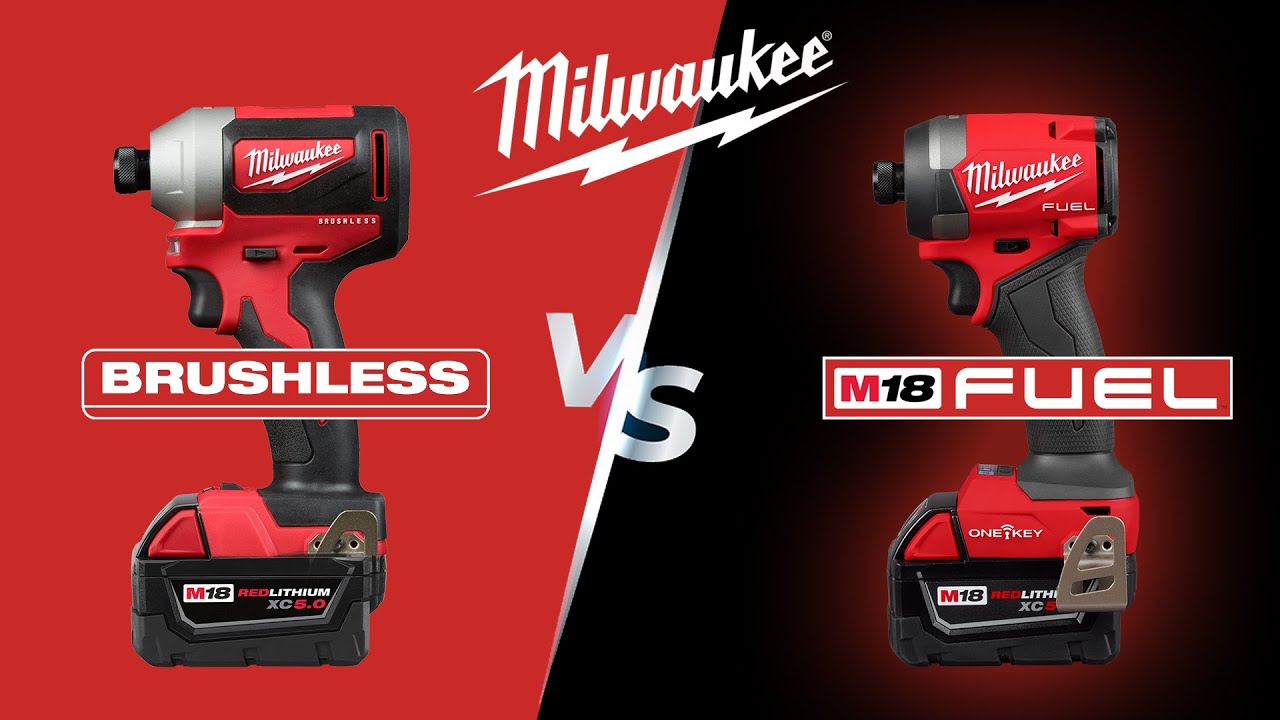
Regular Milwaukee drills (sometimes called M18 or M12 but without “Fuel”) may use traditional brushed motors, standard batteries, and simpler electronics. The “Fuel” line is Milwaukee’s premium offering, designed for heavy-duty users.
Many beginners miss that “Fuel” is not just about the battery—it’s a complete system upgrade. This means the difference is bigger than just a small bump in performance.
Core Differences: Milwaukee Drill Fuel Vs Regular
To understand which drill is best for you, it helps to break down the main differences. Here’s a direct look at the most important areas.
Motor Technology
Fuel models use brushless motors. These are more efficient, create less heat, and last longer. Regular Milwaukee drills usually have brushed motors, which use physical brushes that wear out over time.
Key advantages of brushless motors:
- Less maintenance (no brushes to replace)
- Higher efficiency (longer battery life)
- More power in a smaller size
Many buyers don’t realize that brushless motors are not only stronger—they also deliver more consistent torque and adjust automatically to the task.
Battery System
Both Fuel and Regular models use Milwaukee’s M18 or M12 battery platforms, but Fuel models are optimized for REDLITHIUM batteries. These batteries offer:
- Up to 40% more run time
- Better performance in extreme temperatures
- Longer total lifespan
Regular drills may not fully use these advanced battery features.
Electronic Intelligence
REDLINK PLUS Intelligence is only found in Fuel models. It’s a smart system that:
- Prevents overload, overheating, and over-discharge
- Balances power between tool and battery
- Allows for advanced safety features
Regular drills have basic electronics, so they are more likely to overheat or shut down under heavy loads.
Size And Weight
Fuel models often have more compact designs because the brushless motors are smaller. However, they might be slightly heavier due to extra electronics and rugged build quality.
Price
Fuel drills cost more—usually 30-50% higher than regular models with similar specs. The price gap is one of the main reasons people choose regular over Fuel.
Performance
Fuel models deliver more torque (twisting power) and run longer on a single charge. They also recover faster under heavy use.
Let’s make these differences easy to compare:
| Feature | Milwaukee Fuel Drill | Regular Milwaukee Drill |
|---|---|---|
| Motor Type | Brushless | Brushed |
| Battery Compatibility | Optimized for REDLITHIUM | M18/M12, standard performance |
| Electronics | REDLINK PLUS | Basic |
| Power & Torque | Higher | Standard |
| Durability | Excellent | Good |
| Price | Higher | Lower |
Deeper Look: Brushless Vs Brushed Motors
Many people buy drills without understanding the difference between brushless and brushed motors. This is a key area where Fuel and Regular models are set apart.
How Brushed Motors Work
Brushed motors have small carbon brushes that touch a spinning part (the commutator). This contact creates friction, heat, and eventually wears out the brushes. Over time, performance drops and the motor may need repair.
How Brushless Motors Work
Brushless motors use electronic controls instead of physical brushes. The main benefits:
- No friction from brushes, so less heat and wear
- More efficient use of battery power
- Better torque control and longer lifespan
In practice, brushless motors can last 2-3 times longer than brushed motors under heavy use. They also respond better to changing loads, which is important when drilling into tough materials.
Real-world Example
A Milwaukee M18 Fuel drill with a brushless motor can drive large screws into hardwood or drill through thick metal with less effort and less battery drain. A regular brushed drill may struggle with the same task, overheat, or need a battery swap sooner.
Battery Technology: Redlithium Advantage
Milwaukee’s REDLITHIUM batteries are a big selling point for Fuel tools. While you can use REDLITHIUM packs with regular drills, Fuel models are designed to take full advantage of their features.
Why Redlithium Matters
- More run time: Some Fuel drills get up to 40% more work per charge compared to older batteries.
- Better cold weather performance: Regular batteries slow down in cold; REDLITHIUM keeps working.
- Longer life: REDLITHIUM packs can handle more charge cycles before wearing out.
If you often work outdoors or on big projects, these differences are noticeable.
Non-obvious Insight
Many users don’t realize that REDLITHIUM batteries also have built-in cell monitoring to prevent damage. This feature works best with Fuel models that have REDLINK PLUS electronics.

Credit: www.reddit.com
Electronics And Safety Features
REDLINK PLUS Intelligence is a major upgrade in Fuel drills. It acts as the “brain” of the tool, monitoring temperature, power, and battery health.
Main Benefits
- Prevents overheating: The drill will slow down or stop before it gets dangerously hot.
- Prevents overload: Protects both the tool and battery from damage.
- Advanced diagnostics: Some Fuel drills can even “talk” to Milwaukee’s ONE-KEY app for extra control and tracking.
Regular drills have basic protection but may cut out suddenly or run hot without warning.
Performance: Torque, Speed, And Endurance
This is where Milwaukee Fuel really shines. Let’s compare a typical 18V Fuel drill to a regular 18V drill:
| Model | Max Torque (in-lbs) | Max RPM | Run Time (on 5.0Ah Battery) |
|---|---|---|---|
| M18 Fuel Drill | 1,200+ | 2,000 | Up to 4 hours |
| M18 Regular Drill | 500–600 | 1,600 | 2–2.5 hours |
Fuel drills deliver almost double the torque. This means they can handle larger bits, tougher materials, and longer screws without slowing down.
Non-obvious tip: If you’re driving many screws or drilling lots of holes in a row, Fuel models stay cooler and maintain full power while regular drills may start to lose speed or stall.
Durability And Build Quality
Milwaukee is known for tough tools, but Fuel models go further with:
- All-metal chucks and gearboxes for extra durability
- Better internal cooling, so motors last longer
- Improved dust and moisture resistance
Regular models are still well-made but may use more plastic parts and can wear out faster under heavy use.
Real-world Example
A professional contractor who uses a drill daily will find that Fuel models last several years longer with less downtime. For a homeowner who drills only a few holes a month, this may not be as important—but it’s still a sign of quality.
Price Comparison: Is Fuel Worth The Extra Money?
Price is often the deciding factor. Here’s a typical price range as of early 2024:
| Model | Tool Only | Kit (with battery & charger) |
|---|---|---|
| M18 Fuel Drill | $150–$200 | $250–$350 |
| M18 Regular Drill | $80–$120 | $150–$220 |
Fuel models cost more, but the extra spend can be worth it if you need:
- Maximum power and torque
- Longer run time
- Greater durability
For light home use or very basic tasks, regular models offer great value.
Which Milwaukee Drill Should You Choose?
This is the question most buyers really care about. Here’s a quick guide based on your needs.
Choose Fuel If:
- You use your drill daily or for heavy-duty jobs
- You work with tough materials (hardwood, concrete, thick metal)
- You want your tool to last as long as possible
- You need maximum torque and speed
- You often work in cold or harsh conditions
Choose Regular If:
- You do occasional repairs or light DIY projects
- Your budget is limited
- You rarely drill into very tough materials
- You don’t need the latest features
Pro tip: Consider how often you use your drill. If it’s more than once a week, the Fuel model’s extra power and lifespan will pay off in the long run.
Common Mistakes When Choosing Between Fuel And Regular
Many buyers focus only on price or a single feature. Here are mistakes to avoid:
- Ignoring Battery Compatibility: Not all Milwaukee batteries perform the same. Using a regular battery on a Fuel drill limits performance.
- Overestimating Needs: Some people buy Fuel for simple jobs, wasting money.
- Underestimating Heavy Use: Others buy a regular drill for daily work, leading to faster tool wear and frustration.
- Not Considering Weight: Fuel drills are sometimes heavier; this matters for overhead or ladder work.
- Missing Warranty Differences: Fuel tools may come with longer or more comprehensive warranties—always check before you buy.
Practical Examples: Who Should Buy Which?
Let’s look at a few real-world scenarios.
Homeowner Doing Occasional Repairs
You only drill a few holes for pictures or shelves each month. A regular Milwaukee drill is more than enough. It’s reliable, costs less, and still uses the same batteries.
Diy Enthusiast Building Furniture
You build cabinets or furniture on weekends. You often drill into hardwood and drive long screws. Here, a Fuel model’s extra power and longer run time are worth the investment. You’ll notice fewer stalls and less time swapping batteries.
Professional Electrician Or Contractor
You use your drill all day, often in tough conditions. Only a Fuel model will stand up to daily abuse and deliver the speed, power, and safety features you need.
Landlord Or Property Manager
You make frequent repairs but not heavy construction. A regular drill is fine, but if you want one tool to “do it all” for years, the Fuel upgrade is a smart choice.
How To Spot A Milwaukee Fuel Drill
Some buyers get confused by Milwaukee’s naming. Here’s how to quickly identify a Fuel model:
- Look for the word “FUEL” printed in bold red on the tool.
- Check the model number: Fuel drills often have “2804” or “2904” in the number (for M18 models), while regular ones have lower numbers.
- Fuel models always mention POWERSTATE and REDLINK PLUS in the specs.
Non-obvious tip: Some online sellers use confusing photos—always check the model number and description before buying.

Credit: toolguyd.com
Are There Any Downsides To Fuel Drills?
While Fuel models are top of the line, there are a few points to consider:
- Higher price: Not everyone needs the extra features.
- Slightly heavier: More electronics and metal parts can add weight.
- Advanced features can be overkill: For simple tasks, you may never use the extra power.
Environmental And Long-term Value
Fuel drills, thanks to better efficiency, use less energy per job. This means fewer battery charges over time, which can reduce battery waste. Also, because they last longer, you’ll replace your tool less often—good for your wallet and the planet.
Expert Insight: What Beginners Often Miss
- Tool Balance Matters: Fuel drills are often better balanced, reducing wrist fatigue over long sessions. This is rarely mentioned in basic specs.
- Resale Value: Fuel models hold their value better. If you upgrade later, you can sell your old Fuel drill for more than a regular one.
- Future-Proofing: Milwaukee keeps adding new features (like ONE-KEY tracking) to Fuel tools. Buying Fuel means your tool is ready for the next generation of batteries and tech.
For more on brushless motor technology and its benefits, see the Wikipedia page on brushless DC motors.
Frequently Asked Questions
What Is The Main Difference Between Milwaukee Fuel And Regular Drills?
The biggest difference is that Fuel drills use brushless motors and advanced electronics (REDLINK PLUS), offering more power, better efficiency, and longer life. Regular drills use older brushed motors and basic controls.
Can I Use The Same Batteries For Both Fuel And Regular Milwaukee Drills?
Yes, Milwaukee M18 and M12 batteries are compatible with both Fuel and Regular tools. However, Fuel models are optimized for REDLITHIUM batteries and will deliver the best performance with them.
Are Milwaukee Fuel Drills Worth The Extra Money?
For heavy users, professionals, or those needing maximum power, Fuel drills are worth the investment. If you only do light work occasionally, a regular drill may be the better value.
How Long Do Milwaukee Fuel Drills Last Compared To Regular Ones?
Fuel drills can last 2–3 times longer than regular models, especially under heavy use, thanks to brushless motors and better electronics.
Do Milwaukee Fuel Drills Require Special Maintenance?
No, Fuel drills actually need less maintenance since there are no brushes to replace. Just keep the tool clean and store batteries properly.
If you want a drill that’s built to last, saves time, and handles tough jobs without breaking a sweat, Milwaukee Fuel is hard to beat. But if you’re on a budget or use your drill for simple jobs, the regular Milwaukee line is still a solid, reliable choice.
Either way, you’re investing in a tool brand known for quality—and now you can make your choice with confidence.
Credit: www.youtube.com