When you need to cut threads for a pipe fitting, getting the right drill bit size is vital. If you choose the wrong size, your threads may not fit, or worse, you can damage your tap or workpiece. For those working with a 3/8 NPT tap, this decision is especially important. Many people, even professionals, sometimes get confused due to the differences between NPT (National Pipe Taper) and straight threads, or they forget the impact of material type and tapping method. This article will clear up any confusion and help you choose the right drill bit for a 3/8 NPT tap, explain the reasons behind it, and give you practical advice so you can drill and tap with confidence, every time.
Understanding Npt Taps And Their Importance
Before talking about drill bit sizes, you need to understand what makes NPT taps unique. NPT stands for National Pipe Taper, a standard thread type used for pipes and fittings in North America. These threads are tapered, which means they get slightly wider as you move along the thread. This taper creates a tight, leak-proof seal when connecting pipes.
A 3/8 NPT tap is used to cut internal threads for 3/8-inch NPT fittings. Unlike straight threads, NPT threads require more attention to hole size. Too small, and your tap can break or jam. Too large, and your threads may not seal.
Why does this matter? Because a wrong tap size can cause leaks, weak joints, and wasted materials. It is important for plumbers, machinists, and DIYers to know the correct drill size for each tap, especially for tapered threads.
What Size Drill Bit For 3/8 Npt Tap?
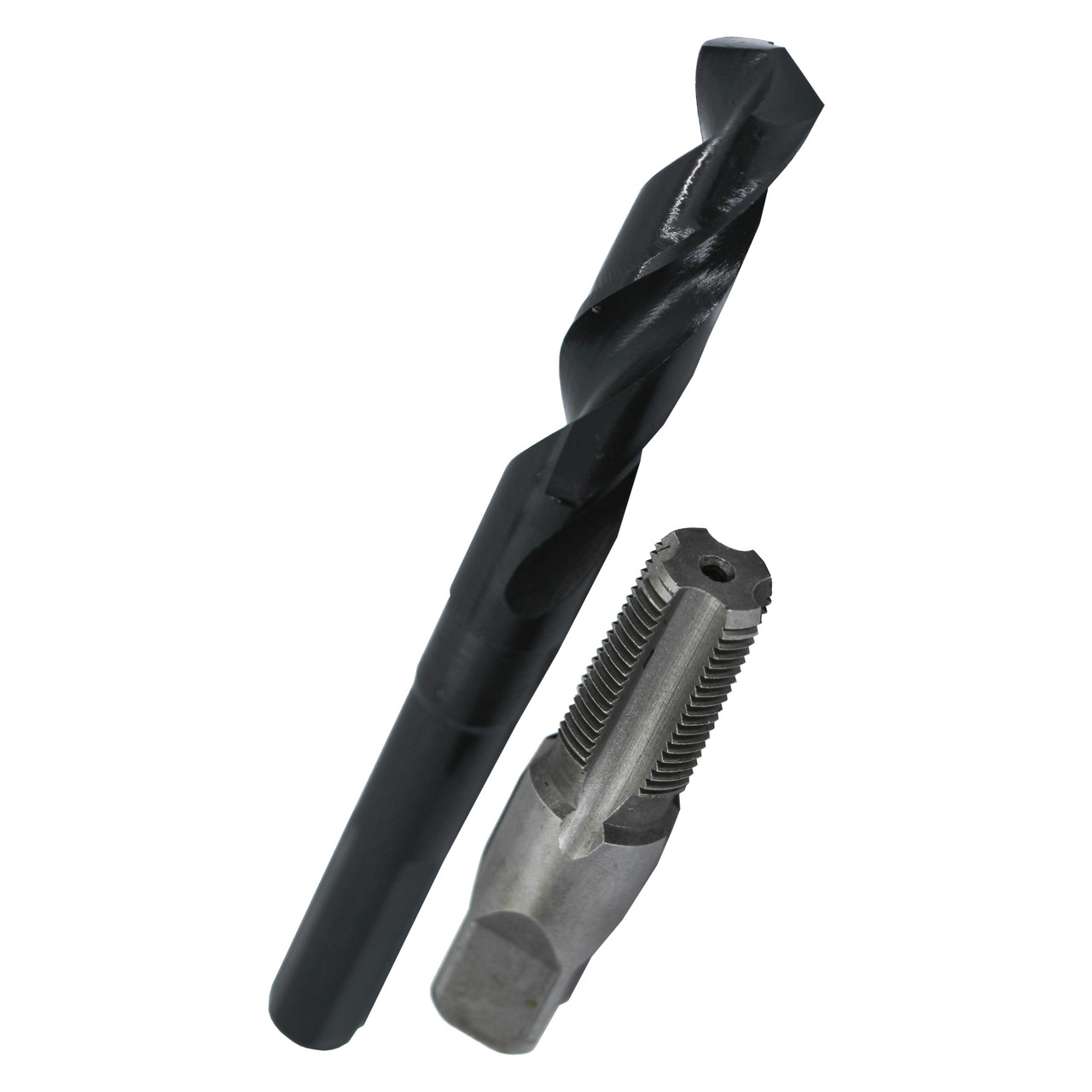
Let’s get straight to the main question. The correct drill bit size for a 3/8 NPT tap is 37/64 inches (0.5781 inches, or about 14.68 mm). This is the standard size used in most charts and is recommended by both tap manufacturers and the American National Standards Institute (ANSI).
Why 37/64 inches? This size allows enough material for the tap to cut the correct thread depth, but not so much that the threads are weak or shallow. It creates the right minor diameter for a tight seal.
But there’s more to it. Let’s break down the three most critical items you must understand for a perfect 3/8 NPT tap job:
- The correct drill bit size (37/64 inches)
- Material considerations and how they affect tap drilling
- Tapping method and its impact on finished threads
Each of these will be covered in detail, so you’ll never be left guessing.
1. The Correct Drill Bit Size For 3/8 Npt Tap
The most important detail is the actual drill bit size. As mentioned, the standard size is 37/64 inches. This is not a common size in every drill bit set, so many people try to use the closest metric or fractional size. However, you should always use the exact size for best results.
Why 37/64 Inches?
- Precise fit: 37/64 inches gives just enough space for the tap to cut full threads without making them too loose.
- Thread engagement: The threads will be strong and hold pressure, preventing leaks.
- Industry standard: This size is used by professionals and recommended in technical charts.
What If You Use The Wrong Size?
- Too small: If you use a smaller drill bit (like 9/16″), the tap will be forced to cut deeper. This increases the risk of tap breakage, especially in tough metals. The threads may also be too tight, making it hard to assemble the fitting.
- Too large: If you use a larger bit (like 19/32″), the threads will be shallow and may strip under pressure. This can cause leaks or failure.
Alternative Sizes: Metric And Close Fractions
Sometimes you might not have a 37/64″ bit. What should you do? The closest metric size is 14.5 mm (0.5709 inches), but this is slightly smaller, so you may need to tap more carefully. Some people use 9/16″ in a pinch, but this is risky and not recommended for high-pressure applications.
Here’s a quick comparison:
| Drill Bit Size | Inches | Millimeters | Result |
|---|---|---|---|
| 37/64″ | 0.5781 | 14.68 | Best (Standard) |
| 9/16″ | 0.5625 | 14.29 | Tight, Risky |
| 14.5 mm | 0.5709 | 14.5 | Acceptable (Tight) |
| 19/32″ | 0.5938 | 15.08 | Loose, Not Recommended |
Pro tip: Always try to use the 37/64″ bit. If you must use a different size, test with scrap material first.
Where To Find 37/64″ Drill Bits
Some basic drill bit sets do not include 37/64″. You may need to buy this size separately. Most hardware suppliers, industrial stores, and online retailers have them. Look for high-speed steel (HSS) bits for metal, or cobalt for harder materials.
2. Material Considerations When Drilling And Tapping
The material you are working with can change how you approach drilling for a 3/8 NPT tap. Not all materials behave the same way. The hardness, thickness, and ductility of your workpiece will affect both drilling and tapping.
Metals
- Mild steel: Most common for pipe threads. Use cutting oil and moderate speed. Drill bits wear slower, but tapping can still be tough. Stick to the standard 37/64″.
- Stainless steel: Much harder, can work-harden if drilled too slowly. Use a sharp, high-quality bit and plenty of lubricant. Cobalt bits are best. You may want to slightly increase the drill size (by 0.1 mm or 0.004″) to ease tapping, but only if thread strength is not critical.
- Aluminum: Softer, drills easily. Use standard size. Be careful not to oversize the hole, as aluminum is easy to remove.
- Cast iron: Brittle, chips easily. Use slow speed, no lubrication needed. Standard size is safe.
Plastics
- PVC, Nylon, Delrin: Drill can wander, so clamp securely. Standard size works, but threads may be weak. For better grip, tap slowly and avoid overheating.
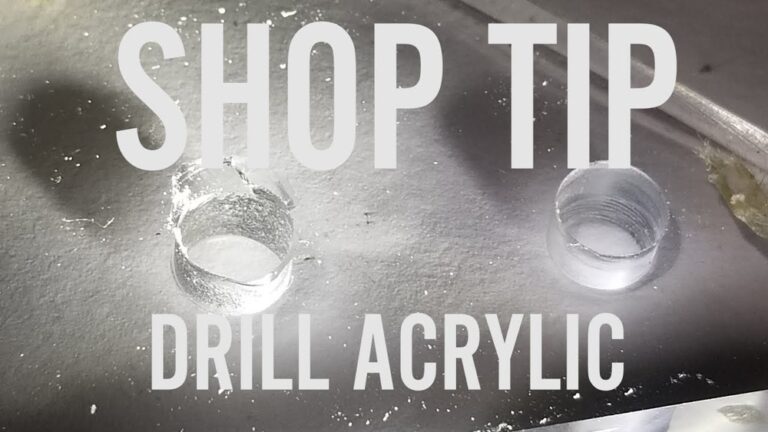
- Acrylic: Prone to cracking. Use sharp bits, go slowly, and avoid forcing the tap.
Composites And Other Materials
- Fiberglass: Use special bits to avoid fraying. Stick with the standard size, but clean the hole well before tapping.
- Wood: Rare for NPT, but if used, drill carefully as wood compresses. Use the standard size, but test fit the tap and fitting.
Hardness And Drill Bit Wear
The harder the material, the faster your drill bit will dull. For hard metals, always check your bit’s sharpness and replace if needed. A dull bit will make an undersized hole, making tapping dangerous.
When To Adjust Drill Size
For extra-hard metals, or when making deep or blind holes, some machinists increase the drill bit size by 0. 1–0. 2 mm (0. 004–0. 008″). This makes tapping easier, but reduces thread strength. Only do this if you know the joint will not see high pressure.
| Material | Standard Drill Size | Possible Adjustment | Reason |
|---|---|---|---|
| Mild Steel | 37/64″ | None | Standard practice |
| Stainless Steel | 37/64″ | +0.004″ | Reduce tap breakage |
| Aluminum | 37/64″ | None | Material is soft |
| PVC/Nylon | 37/64″ | None | Threads may be weak |
Non-obvious insight: Most beginners don’t realize that even a small change in drill bit size can dramatically affect thread strength and sealing ability, especially with NPT threads. Always check if your material needs a slight adjustment, but never guess.
3. Tapping Method And Its Impact On Final Threads
How you tap the hole is just as important as the drill bit size. The tapping method affects the quality, fit, and life of your threads.
Hand Tapping Vs. Machine Tapping
- Hand tapping: Most common for DIY and repair. Use a tap wrench, turn slowly, and back out regularly to break chips.
- Machine tapping: Used in production. Requires precise alignment and steady feed. Machine tapping is faster but less forgiving if the hole is slightly off-size.
Thread Depth And Taper
NPT threads are tapered, so you do not tap all the way through the hole, especially with blind holes (holes that do not pass through the material). Going too deep can create a loose fit at the start of the hole, while too shallow means the fitting won’t screw in far enough.
Pro tip: Use a thread gauge, or test fit the actual pipe fitting. Aim for 3–4 full turns by hand, then tighten with a wrench.
Lubrication And Chip Removal
- Lubricate: Use cutting oil (for metal), or soapy water (for plastics). This reduces friction and prevents tap breakage.
- Back out: Every half turn, reverse the tap slightly to break chips. This clears the threads and keeps the tap from jamming.
Thread Quality Check
After tapping, always check the threads. Look for:
- Smoothness: Threads should be continuous, with no chips or roughness.
- Fit: The pipe or fitting should screw in smoothly, not too loose or tight.
- Seal: For pressure applications, test with water or air before putting into service.
Common beginner mistake: Not cleaning the hole after drilling. Any chips or dirt left in the hole can ruin the tap or create weak threads.
How To Drill And Tap A 3/8 Npt Hole: Step-by-step Guide
To help you put these ideas into practice, here’s a practical guide for drilling and tapping a hole for a 3/8 NPT fitting.
- Mark your hole location using a punch. This prevents the drill bit from wandering.
- Clamp your workpiece securely. Movement can cause the drill bit to break or create an oversized hole.
- Drill with a 37/64″ bit at the recommended speed for your material.
- For metal, use cutting oil.
- For plastic, go slowly to avoid melting.
- Deburr the hole with a countersink or file to remove sharp edges.
- Start the tap straight using a tap guide if possible. Keep the tap perpendicular to the surface.
- Turn the tap slowly with steady pressure. After every half turn, reverse slightly to break chips.
- Lubricate as you tap to reduce friction and wear.
- Check thread depth regularly. Test fit your pipe or fitting.
- Clean the hole and threads after tapping to remove any chips.
- Assemble the fitting with thread sealant or Teflon tape for a leak-proof seal.
Credit: drillsandcutters.com
Npt Vs. Other Thread Types: Why Size Matters
Many people confuse NPT taps with other thread types like BSP (British Standard Pipe) or straight threads. Each has its own drill bit size and tap profile.
- NPT: Tapered, requires special drill size (like 37/64″ for 3/8″).
- BSPT: Similar to NPT but slightly different angle and pitch.
- NPS: National Pipe Straight, uses straight (not tapered) threads.
If you use the wrong drill size or tap, the fitting will not seal, and you risk leaks or failures. Always double-check your tap and drill chart before starting.
Advanced Tips For A Perfect 3/8 Npt Tap
- Use a tap guide: Keeps the tap straight and prevents cross-threading.
- Test fit before assembly: Always check the fit with the actual pipe or fitting.
- Avoid using pliers or adjustable wrenches: Use a proper tap wrench for better control.
- Replace dull drill bits: A dull bit creates an undersized hole and increases tap breakage risk.
- Use thread sealant: Even with perfect threads, sealant or Teflon tape is necessary for a pressure-tight joint.
Non-obvious insight: Temperature changes can affect the fit of threaded joints, especially in plastic or thin-walled materials. Allow materials to cool after drilling and tapping before assembling.

Credit: guide.toolant.com
Real-world Example: Repairing A Leaky Pipe Joint
Imagine you are repairing a water line and need to install a new fitting. You have a 3/8 NPT tap, but your drill bit set only goes up to 9/16″. You decide to use it anyway.
After tapping, you try to screw in the fitting. It only goes in one turn, and then jams. You use a wrench, but the tap snaps. Now, the fitting leaks under pressure.
If you had used a 37/64″ bit, the tap would have gone in smoothly, and the fitting would seal properly. This shows why drill bit size really matters.
Selecting The Right Tap And Drill Chart
There are many tap and drill charts available. Always use a reliable source, like the manufacturer’s chart, or one from a trusted engineering reference.
For more technical details, you can check resources like the Wikipedia page on National Pipe Thread.
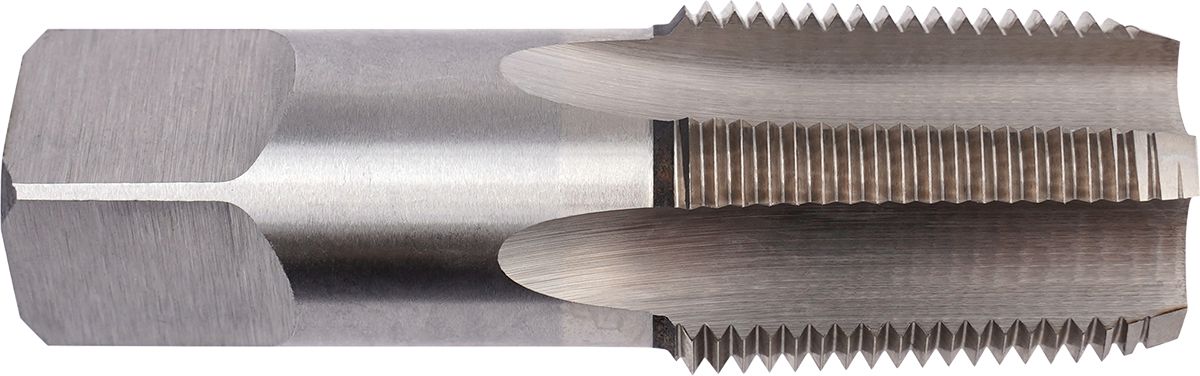
Credit: www.kent-automotive.com
Common Mistakes To Avoid
- Using the wrong drill size: Leads to weak or tight threads.
- Not using lubricant: Increases friction, heat, and risk of breakage.
- Forgetting to deburr: Sharp edges can damage the tap or threads.
- Tapping too deep or too shallow: Results in poor fitting engagement.
- Not cleaning the hole: Chips cause rough threads and leaks.
Frequently Asked Questions
What Happens If I Use A Smaller Drill Bit Than 37/64″ For A 3/8 Npt Tap?
If you use a smaller bit, the hole will be too tight for the tap to cut proper threads. This increases the risk of breaking the tap, especially in hard materials. The threads may also be too tight, making assembly difficult and possibly damaging the fitting.
Can I Use A Metric Drill Bit For A 3/8 Npt Tap?
You can use a 14.5 mm drill bit if you do not have a 37/64″ bit, but this is slightly smaller. Tapping will be harder, and the threads may be tighter. Always test on scrap material first.
Is It Necessary To Use Cutting Oil When Tapping For A 3/8 Npt Thread?
Yes, using cutting oil is recommended when tapping metal. It reduces friction, keeps the tap cool, and helps remove chips. For plastics, use soapy water or a light oil to prevent sticking.
How Deep Should I Tap For A 3/8 Npt Fitting?
Tap until you can screw the fitting in by hand for 3–4 full turns. Do not tap all the way through unless the hole is a through-hole. Always check with a thread gauge or test fit.
Why Is A 3/8 Npt Tap Different From A 3/8″-16 Or 3/8″-24 Tap?
A 3/8 NPT tap cuts tapered pipe threads, while 3/8″-16 or 3/8″-24 taps cut straight (machine) threads. The drill size and thread shape are different. Always use the correct tap and drill size for your application.
Choosing the right drill bit for a 3/8 NPT tap is not just about numbers—it’s about making safe, leak-free, and strong pipe connections. With the right tools, material knowledge, and tapping technique, you can avoid common mistakes and produce professional results.
Take your time, measure carefully, and always double-check before cutting threads. Your fittings—and your peace of mind—depend on it.