Is A Brushless Drill Better?
If you have ever walked into a hardware store, you know how confusing it can be to choose a power drill. The shelves are lined with options. Some drills say “brushless,” while others don’t. The price difference can be big. It’s easy to wonder: Is a brushless drill better, and if yes, why? For anyone who wants to buy a new drill—DIYers, professionals, or home users—this question matters. Choosing the right drill can save you money, time, and effort. It can also affect how long your tools last and how well they perform.
Brushless technology is not new, but it has become much more common in the last decade. Many leading brands now offer brushless drills as their top models. But the average buyer may not know what “brushless” means or why it costs more. This guide will break down everything about brushless drills. You’ll learn how they work, how they compare to brushed drills, and which one might be best for you. We’ll look at facts, real-world examples, and even common mistakes people make when choosing a drill. By the end, you’ll have a clear answer to the question: is a brushless drill better for your needs?
What Is A Brushless Drill?
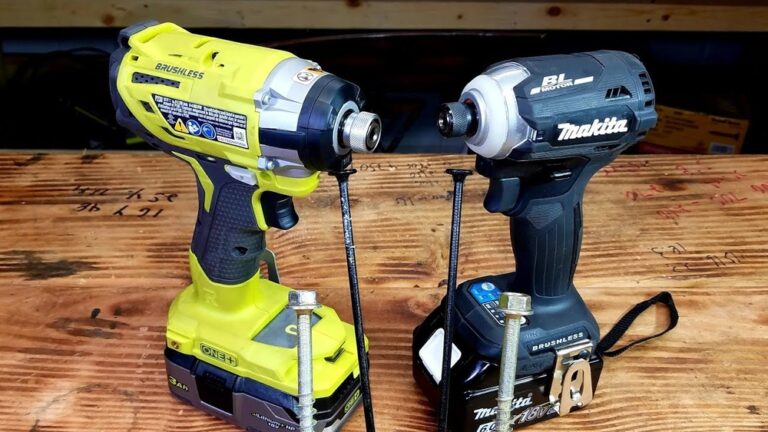
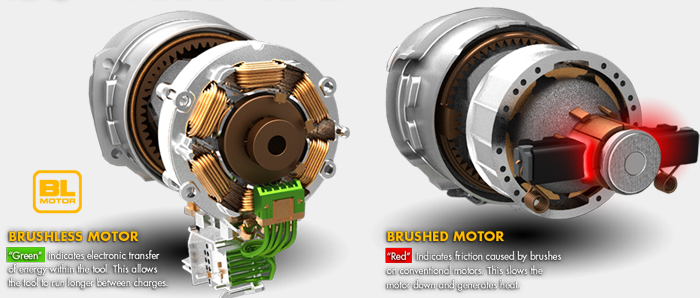
A brushless drill is a type of power drill that uses a brushless electric motor. In traditional drills, the motor has carbon brushes that help transfer electricity to the spinning part. In a brushless motor, these brushes are replaced by electronic circuits.
Without brushes, the drill generates less heat and friction. This makes the motor more efficient, longer-lasting, and often more powerful. Brushless drills can also adjust their power output automatically, depending on the task.
Example: Imagine drilling into a soft wood versus a hard concrete wall. A brushless drill senses the difference and uses just enough power for each job. This means less wasted energy and a longer battery life.
How Does A Brushless Drill Work?
A brushless drill uses a permanent magnet and a series of electronic sensors called controllers. When you pull the trigger, the battery sends power to the motor. The controllers decide how much power to use and send it to the right part of the motor at the right time.
In a brushed drill, the brushes touch the spinning part (the commutator) to transfer electricity. This creates friction, heat, and wear over time. Eventually, the brushes wear out and need to be replaced.
In a brushless drill, there are no brushes to wear out. The electronic controller does the work instead. This means:
- Less maintenance
- Fewer parts that can break
- More efficient use of power
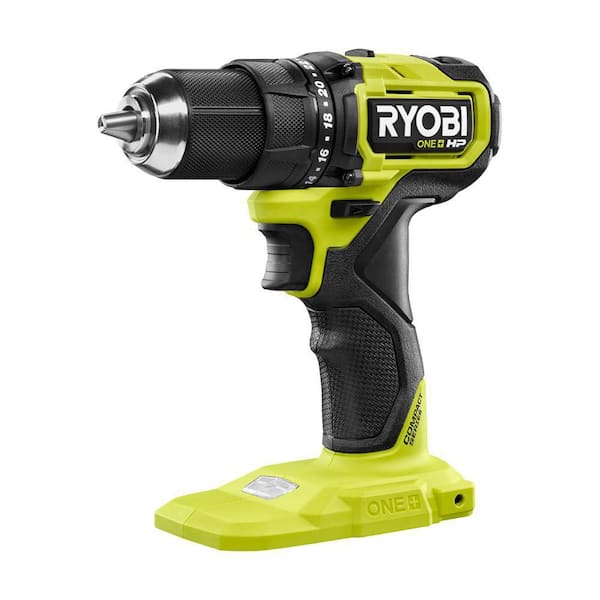
Credit: www.homedepot.com
Brushless Vs. Brushed Drills: Key Differences
To understand if a brushless drill is better, let’s compare brushless and brushed drills side by side.
| Feature | Brushless Drill | Brushed Drill |
|---|---|---|
| Motor Type | Brushless (electronic) | Brushed (carbon brushes) |
| Efficiency | High (less energy lost) | Lower (more energy lost as heat) |
| Maintenance | Low (no brushes to replace) | Higher (brushes wear out) |
| Power Output | Adapts to task automatically | Constant, less adaptable |
| Cost | Higher | Lower |
| Durability | Longer lifespan | Shorter lifespan |
| Size & Weight | Usually lighter, more compact | Heavier, bulkier |
| Noise Level | Quieter | Louder |
Non-obvious insight: Many users do not realize that the electronic control in brushless motors also means more consistent performance. Even as the battery drains, a brushless drill can maintain steady power, while a brushed drill usually gets weaker.
Advantages Of Brushless Drills
Why do professionals and many DIYers prefer brushless drills? Here are the main benefits:
1. Higher Efficiency
Brushless drills are up to 30% more efficient than brushed models. This means they get more work done with the same amount of battery power. If you use cordless tools, this can mean finishing a full project on one battery charge instead of swapping batteries.
2. Longer Battery Life
Because they waste less energy as heat, brushless drills can run up to 50% longer per charge. For example, if a brushed drill runs for 30 minutes, a brushless model might last 45 minutes or more.
3. Less Heat And Friction
Heat is the enemy of any electric motor. In brushed drills, friction from the brushes creates heat, which can damage parts over time. Brushless drills run cooler, which means less wear on the motor and a longer tool life.
4. More Power And Torque
Brushless drills can deliver more torque (twisting force) than brushed models of the same size. This is useful for tough jobs like drilling into concrete or metal.
5. Lower Maintenance
No brushes means fewer parts to wear out. You don’t need to worry about replacing brushes or cleaning out carbon dust.
6. Compact And Lightweight
Without bulky brushes and extra parts, brushless drills are often smaller and lighter. This makes them easier to handle, especially for long jobs or in tight spaces.
7. Quieter Operation
Brushless motors run more smoothly and quietly. If you work indoors or in noise-sensitive areas, this is a real plus.
8. Smart Features
Many brushless drills have built-in electronic features, such as:
- Overload protection (stops the motor if it gets too hot)
- Electronic clutch (prevents over-tightening screws)
- Bluetooth connectivity (track tool location or performance)
These features help protect your tool and make work easier.
Hidden tip: Brushless drills adjust their power output automatically. If you switch from drilling wood to metal, the drill “senses” the load and uses just the right amount of power. This can save battery and prevent damage to your project.

Credit: www.youtube.com
Disadvantages Of Brushless Drills
Even though brushless drills have many strengths, they’re not always the best choice for everyone. Here are some downsides:
1. Higher Cost
Brushless drills can cost 30% to 50% more than brushed models. For example, a brushed drill may cost $60, while a brushless version could be $90 or more.
2. Expensive Repairs
If a brushless motor fails, repairs can be costly. The electronics are more complex, and sometimes the whole motor must be replaced.
3. Not Always Necessary
For light household tasks, a brushless drill may be overkill. If you only use a drill a few times a year, a cheaper brushed model might be enough.
4. Harder To Repair Yourself
Brushless drills have more electronic parts. Most users can replace brushes in a brushed drill, but fixing a brushless drill usually needs a professional.
Practical warning: Some buyers pay more for a brushless drill but never use its full power or features. Consider your real needs before spending extra money.
Who Should Choose A Brushless Drill?
Whether a brushless drill is better depends on your needs. Here’s how to decide:
For Professionals
If you are a contractor, carpenter, or mechanic, a brushless drill is often the best choice. You’ll enjoy:
- More power for tough jobs
- Longer battery life
- Fewer breakdowns
- Lower long-term costs (less maintenance, fewer replacements)
For example, an electrician might drill hundreds of holes in metal every week. The extra efficiency and durability of a brushless drill can save hours and reduce tool costs over time.
For Serious Diyers
If you do a lot of home projects—building decks, remodeling rooms, or assembling furniture—a brushless drill can be a smart investment. You’ll finish jobs faster, with fewer battery swaps and less frustration.
For Occasional Users
If you drill only a few holes a year, or just want to hang pictures, a brushed drill may be enough. There’s no need to pay extra for features you won’t use.
Non-obvious insight: Even occasional users may want a brushless drill if they care about tool weight or noise. If you have wrist pain or live in an apartment, the lighter, quieter brushless model could be worth it.
Real-world Examples: When Brushless Is Better (and When Not)
Let’s look at some typical scenarios to show when a brushless drill is truly better.
Building A Deck
You’re using long screws, drilling into hardwood, and working for hours outside. A brushless drill’s extra torque and long battery life help you finish the job with fewer stops.
Home Repairs
You need to drill a few holes in drywall to hang shelves. A basic brushed drill will do the job. You won’t notice much difference in power or speed for light tasks.
Automotive Work
You must drill into metal parts and need consistent power. A brushless drill is better, as it won’t lose strength as the battery drains.
Furniture Assembly
A lightweight drill makes assembly easier. Many brushless models are smaller and lighter, so they’re less tiring to use for long jobs.
Emergency Kit
If you keep a drill for emergencies (like fixing a fence or storm damage), a brushless drill holds its charge longer and is more reliable after months of storage.
How To Choose The Right Drill For You
When deciding if a brushless drill is better, consider these factors:
- Frequency of Use: Do you use your drill every week or just once in a while?
- Type of Projects: Are you working with tough materials (metal, hardwood) or just soft materials (drywall, pine)?
- Budget: How much are you willing to spend?
- Weight and Size Needs: Do you need a compact tool for tight spaces or long jobs?
- Battery Concerns: Do you get annoyed by swapping batteries often?
- Noise Sensitivity: Do you work indoors or in noise-sensitive areas?
- Long-Term Value: Are you willing to pay more now to save on repairs and replacements later?
Common mistake: Many buyers focus only on power (volts or torque), but efficiency and battery life are just as important for real-world use.
What Do The Experts Say?
Most professional tool reviewers and contractors agree: brushless drills are better for demanding work. According to a study by Pro Tool Reviews, brushless drills lasted up to twice as long during heavy use compared to brushed models. The same review found that brushless drills finished tasks up to 25% faster.
The U.S. Department of Energy reports that brushless motors are now used in many high-end industrial tools for their energy savings and long life. As technology improves, brushless motors are becoming more affordable and common in home tools as well.
Cost Comparison: Is Brushless Worth The Extra Money?
It’s true that brushless drills cost more. But over time, they may save you money.
| Drill Type | Average Price | Expected Lifespan | Maintenance Cost |
|---|---|---|---|
| Brushed | $60-$90 | 3-5 years (heavy use) | $10-$30 (brushes, repairs) |
| Brushless | $90-$150 | 5-10 years (heavy use) | Low ($0-$10, rare repairs) |
If you use your drill often, the longer life and lower maintenance of a brushless drill can pay off. For light users, a cheaper brushed model may be more cost-effective.
Hidden tip: Factor in battery savings. If your brushless drill needs fewer battery swaps, you may avoid buying extra batteries, which can cost $30-$50 each.
Are There Any Drawbacks To Brushless Technology?
While brushless drills are generally better, they are not perfect for every situation. Here are a few things to watch out for:
- Complex electronics: The advanced controllers can fail due to water or dust exposure. Always keep your drill clean and dry.
- Compatibility: Some older tool batteries or chargers may not work with brushless models. Check before you buy.
- Overheating risk: While brushless drills run cooler, pushing them too hard (such as drilling into metal non-stop) can still cause overheating. Let the tool rest if it gets hot.
Pro tip: If your worksite is very dusty or wet, consider a model with sealed electronics for extra durability.
Common Myths About Brushless Drills
Many people believe things about brushless drills that are not true. Let’s clear up some myths:
- “Brushless drills are always more powerful.”
- Not always. Some brushed drills are very powerful too. It depends on the model and battery.
- “Brushless drills never need maintenance.”
- They need less, but you should still keep them clean and check for issues.
- “You should only buy brushless.”
- Not true. For light, occasional work, a brushed drill can be a smart buy.
- “Brushless drills last forever.”
- They last longer, but nothing lasts forever. Batteries and electronics can still fail.
- “Brushless tools are new and untested.”
- Brushless technology has been used in industry for decades. It is well-proven.
Credit: ibtinc.com
Brands And Models: What To Look For
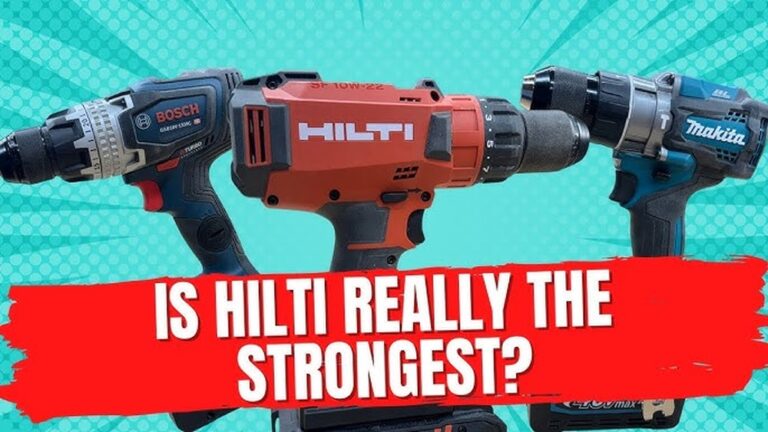
Major brands like DeWalt, Makita, Milwaukee, and Bosch offer both brushless and brushed drills. When comparing models, look for these signs of quality:
- Warranty length: Good brushless drills usually have at least a 3-year warranty.
- Ergonomics: Try holding the drill before you buy. A comfortable grip and balance matter.
- Battery system: If you already own tools from a brand, you might want a drill that uses the same batteries.
- User reviews: Check online reviews and ratings. Look for feedback on power, battery life, and durability.
Example: The DeWalt DCD791D2 is a popular brushless model with high ratings for power and battery life. The Makita XFD131 is another well-reviewed option, especially for home users.
Environmental Impact: Is Brushless Greener?
Brushless drills use less energy, which means fewer battery charges and replacements. This can reduce waste and the number of batteries sent to landfills. Also, fewer worn-out parts (like brushes) mean less trash over the life of the tool.
If you want to lower your environmental footprint, a brushless drill is usually the better choice. According to the U.S. Department of Energy, brushless motors are a key part of making tools more energy-efficient. For more details, see U.S. Department of Energy.
Final Thoughts: Is A Brushless Drill Better?
The answer depends on how you use your tools. If you want the best performance, longest life, and most features, a brushless drill is usually better. It’s more efficient, needs less maintenance, and makes work easier. But if you only use a drill a few times a year, or are on a tight budget, a brushed drill can still get the job done.
Key takeaway: Buy the drill that fits your real needs, not just the most advanced one. If you work hard and often, brushless is the smart investment. If you just want a reliable tool for simple jobs, a brushed drill can serve you well.
Frequently Asked Questions
What Is The Main Difference Between A Brushless And Brushed Drill?
The main difference is the motor design. Brushless drills use electronic circuits instead of carbon brushes, which means less friction, more efficiency, and longer lifespan.
Are Brushless Drills Really Worth The Extra Cost?
For people who use their drill often or for tough jobs, yes. Brushless drills last longer, save battery, and have more features. For light users, a brushed drill may be enough.
Can I Use The Same Batteries For Both Brushless And Brushed Drills?
Usually, yes—if the tools are from the same brand and battery system. But always check the manufacturer’s guide to be sure.
How Long Does A Brushless Drill Usually Last?
With normal use, a brushless drill can last 5 to 10 years or more. The battery may need replacing sooner, but the motor itself is very durable.
Do Brushless Drills Need Any Maintenance?
Brushless drills need less maintenance than brushed models. Still, keep them clean, store them dry, and check for any signs of damage for best results.