When you need to make threads in metal or plastic, a tap is the tool for the job. For many DIY projects and professional jobs, using the correct drill bit size before tapping is crucial. If you’re working with an 8mm x 1.25 tap, you might wonder, “What size drill bit should I use?” This question seems simple, but the answer has layers. A wrong drill size leads to weak threads or a broken tap, causing extra work or wasted materials. That’s why understanding the logic behind tap and drill sizes will help you work faster and avoid mistakes.
Let’s look closely at how to pick the right drill bit for an 8mm x 1. 25 tap, why it matters, and how to do it right every time. You’ll get practical advice, clear explanations, and helpful tables for quick reference, whether you’re a beginner or experienced machinist.
Understanding Tap And Drill Sizes
Before diving into the exact size, it helps to understand what “8mm x 1.25” actually means. The 8mm refers to the nominal diameter of the screw or bolt you’ll be threading. The 1.25 is the thread pitch, meaning the distance (in millimeters) between each thread.
For example, an 8mm x 1. 25 bolt has an 8mm outer diameter and 1. 25mm between each thread. If the hole you drill is too big, the threads will be shallow and weak. If it’s too small, you’ll struggle to tap the hole, and the tap could break.
The standard practice is to drill a hole slightly smaller than the tap’s outer diameter. This leaves enough material for the threads to form but not so much that tapping becomes difficult.
The Correct Drill Bit Size For 8mm X 1.25 Tap
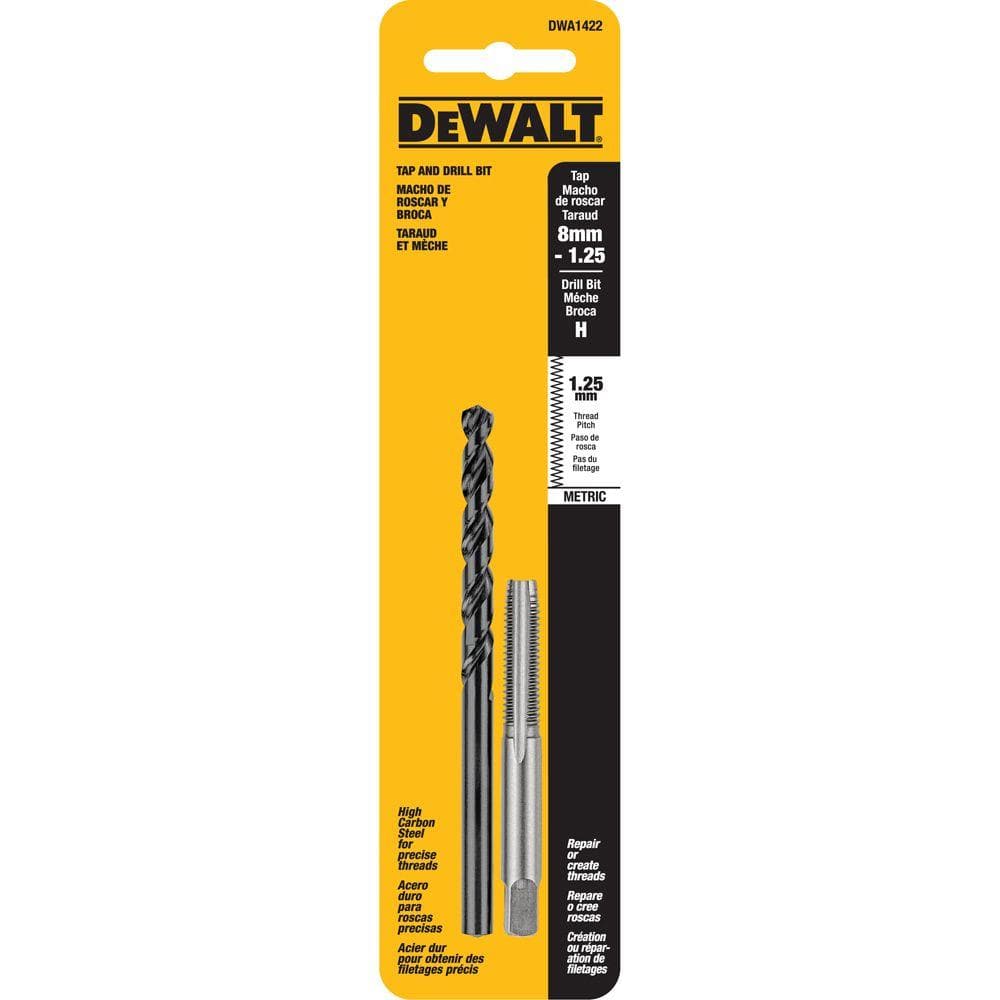
For an 8mm x 1.25 tap, the recommended drill bit size is 6.8mm. This size is based on the formula:
Drill size = Tap diameter – Thread pitch
So:
8.0mm – 1.25mm = 6.75mm
- 8mm is the closest standard drill size available. This gives the best balance between strong threads and easy tapping. Using a 6.8mm drill bit ensures your threads are deep enough to grip the bolt securely.
Here’s a quick reference:
| Tap Size | Thread Pitch (mm) | Recommended Drill Bit (mm) |
|---|---|---|
| 8mm x 1.25 | 1.25 | 6.8 |
| 8mm x 1.0 (fine) | 1.0 | 7.0 |
| 8mm x 1.5 (coarse) | 1.5 | 6.5 |
As you can see, 6.8mm is the standard drill bit for the 8mm x 1.25 tap.
Why Drill Bit Size Matters So Much
Choosing the right drill bit size is more than just following a chart. The fit between the tapped hole and the bolt or screw affects:
- Thread strength: Too big, and the threads will be shallow and weak. Too small, and the tap may break or the threads may be rough.
- Ease of tapping: The correct size reduces friction and the chance of breaking the tap.
- Bolt fit: The correct tap and drill combo ensures the bolt fits snugly, reducing the risk of loosening.
Many beginners think “close enough” works. But even a 0. 1mm difference can make a big impact, especially in harder metals. Always use a drill bit as close as possible to the recommended size.
How To Drill And Tap For 8mm X 1.25 Threads
Let’s go through the step-by-step process for making perfect 8mm x 1.25 threads. These steps will help you avoid mistakes and get professional results.
1. Gather Your Tools
You’ll need:
- 8mm x 1.25 tap (hand or machine tap)
- 6.8mm drill bit
- Drill (hand drill or drill press)
- Tap handle (for hand tapping)
- Cutting fluid or oil
- Center punch and hammer (for accuracy)
- Safety glasses
2. Mark And Punch The Hole
Use a marker or scribe to mark where you want the hole. Then, use a center punch and hammer to make a small dent. This keeps the drill from wandering and ensures accuracy.
3. Drill The Hole
Secure your workpiece. Drill a hole using the 6.8mm drill bit. Go slowly, especially in metal. Use cutting oil to cool the bit and reduce friction. Keep the drill straight for a clean hole.
4. Deburr The Hole
After drilling, use a countersink or deburring tool to remove any sharp edges at the hole’s mouth. This helps the tap start smoothly.
5. Tap The Hole
Place the tap in the tap handle. Add a drop of cutting oil to the tap and hole. Insert the tap carefully, making sure it’s straight. Turn the tap slowly, clockwise, about half a turn, then back it off slightly.
This breaks the chips and reduces the chance of jamming. Continue until the tap passes through the workpiece.
6. Clean The Threads
Remove the tap, clean away chips, and check the threads by screwing in an 8mm x 1. 25 bolt. It should fit smoothly, without wobble or too much resistance.
7. Inspect Your Work
Look for clean, even threads with no burrs or rough spots. If the bolt is loose or threads look shallow, check if you used the right drill bit.
What If You Don’t Have A 6.8mm Drill Bit?
It’s common to find yourself without the exact size on hand. Here’s what you can do:
- Use the closest size: The next closest standard bit is 7.0mm. This will result in slightly weaker threads, but it usually works for non-critical jobs.
- Avoid going smaller: Don’t use a 6.5mm bit unless you’re working with soft materials, as the tap will be harder to turn and might break.
- Consider fractional sizes: In the US, a 17/64″ drill bit (about 6.75mm) is a close substitute.
But remember, using the correct 6. 8mm size gives the best results, especially in steel or hard metals.
Tapping Different Materials
Not all materials behave the same. The right drill bit for steel may be too tight or loose in other materials. Here are some tips for common materials:
Steel
Always use the recommended 6.8mm bit. Use cutting oil, go slow, and back out the tap often.
Aluminum
Aluminum is softer. You can use a 6. 8mm bit, but a slightly larger bit (up to 7. 0mm) sometimes helps prevent galling (material sticking to the tap).
Plastics
Plastic can shrink after drilling. Sometimes, a slightly bigger bit, like 6. 9mm or even 7. 0mm, gives cleaner threads and easier tapping.
Brass And Bronze
These are easy to tap, but chips can jam the tap. Stick to 6. 8mm, and use oil for a smoother finish.
Stainless Steel
Stainless is tough and can dull taps quickly. Use high-quality taps, cutting oil, and the exact 6. 8mm size. Go slowly and clear chips often.
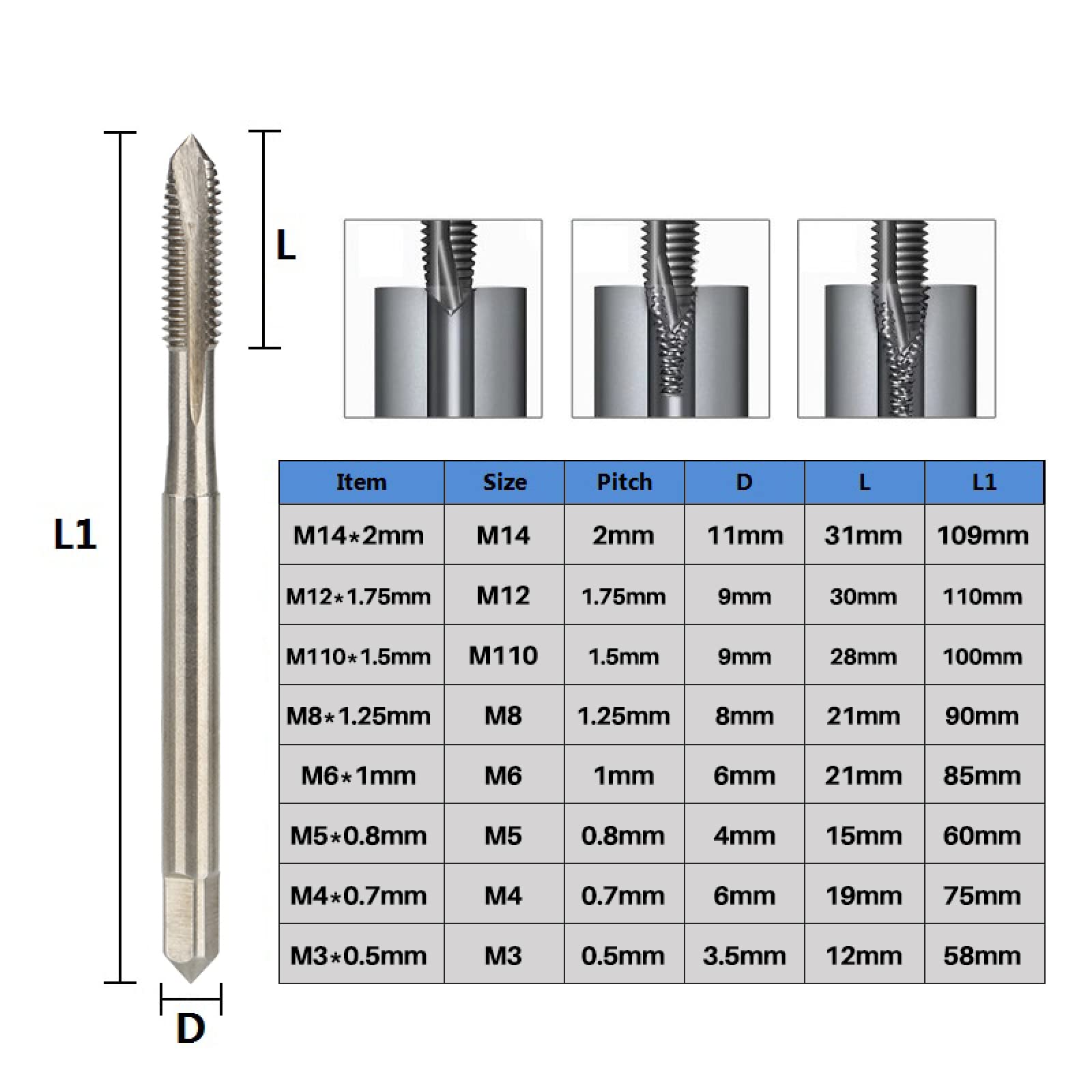
Credit: www.amazon.ca
Real-world Examples
Let’s look at a few real situations where using the correct drill bit makes a difference.
- Automotive repairs: Threaded holes for engine components need strong threads. A 6.8mm drill bit ensures the threads hold under vibration.
- Bicycle parts: Tapping new holes in aluminum bike frames needs precise sizing. Too small, and you’ll break a tap.
- Home DIY: Making a custom bracket with 8mm bolts? Using the wrong size means the bracket may fail when loaded.
Professionals rarely guess the drill size; they always check charts or use a tap and drill gauge.
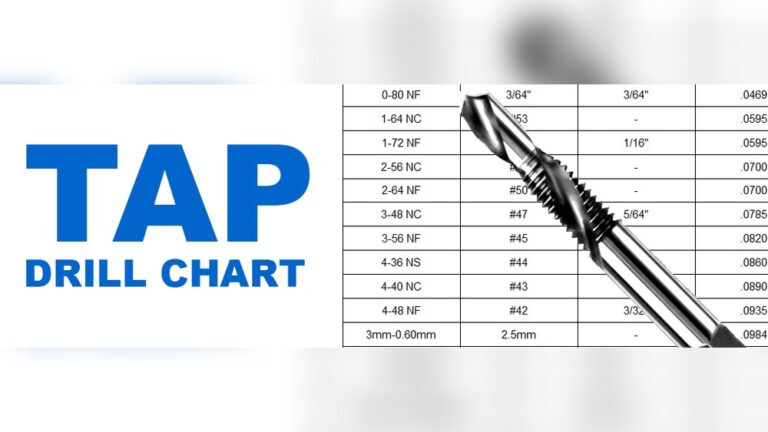
Tap Drill Size Chart For Metric Threads
Here’s a handy chart for quick reference, showing other common metric tap sizes and their drill bit matches.
| Metric Tap Size | Thread Pitch (mm) | Recommended Drill Bit (mm) |
|---|---|---|
| 6mm x 1.0 | 1.0 | 5.0 |
| 8mm x 1.25 | 1.25 | 6.8 |
| 10mm x 1.5 | 1.5 | 8.5 |
| 12mm x 1.75 | 1.75 | 10.2 |
| 16mm x 2.0 | 2.0 | 14.0 |
You can find more detailed charts and calculators online, such as on Wikipedia.
Common Mistakes When Tapping 8mm X 1.25 Threads
Even experienced users sometimes make errors that lead to wasted time or broken tools. Here are the top mistakes and how to avoid them:
- Using the wrong drill bit size: Double-check before you drill. 6.8mm is standard, but using 7.0mm or 6.5mm by mistake is common.
- Not using cutting oil: Tapping dry, especially in steel, increases friction and the chance of breaking the tap.
- Drilling off-center: If the hole isn’t straight, the tap will bind or create uneven threads.
- Forcing the tap: If it feels too tight, back off and clear chips. Forcing often breaks the tap.
- Not deburring the hole: Burrs can catch the tap and start it crooked.
- Skipping the pilot punch: Without a center punch, the drill bit may wander, making the hole too big or misshapen.
Advanced Tips For Better Threads
Here are some professional insights that beginners often miss but make a big difference:
- Use a tap guide: This tool keeps the tap perfectly straight. Even a slight angle can weaken threads.
- Peck tapping: Instead of turning the tap continuously, turn it a quarter or half turn, then back up a little. This breaks chips and makes tapping smoother.
- Thread depth: Not all holes need to be tapped all the way through. Blind holes (ones that don’t go all the way through) need extra care. Use a bottoming tap after a regular tap for full threads.
- Check tap wear: Old or worn taps cut poor threads. If you notice rough or inconsistent threads, it may be time for a new tap.
- Cleanliness: Metal chips in the hole can jam the tap or ruin the threads. Clean out chips often.
Drill Bit Materials And Types
The type of drill bit you use can affect the quality of your hole and threads.
- High-speed steel (HSS): Good for most metals and plastics. Affordable and easy to sharpen.
- Cobalt: More expensive but stays sharp longer and works better in stainless steel.
- Carbide: For production work and very hard materials, but brittle and costly.
For most DIY and professional jobs, HSS is enough. Use sharp bits for clean holes and less risk of breaking the tap.
Thread Engagement And Strength
Thread engagement means how much of the tap’s threads grip the material. For most jobs, 60-70% engagement is ideal. Too much engagement (from too small a hole) makes tapping hard and can break taps. Too little engagement (from too big a hole) makes weak threads.
Using the recommended 6. 8mm drill bit for 8mm x 1. 25 taps gives about 65% thread engagement—strong and reliable for most applications.
Metric Vs. Imperial: Drill Size Substitutes
If you can’t find metric drill bits, you might have to use imperial sizes. Here’s a quick comparison for 6.8mm:
| Metric Size (mm) | Closest Imperial Size (inch) | Decimal Inch |
|---|---|---|
| 6.8 | 17/64 | 0.2660 |
| 7.0 | 0.2760 (Letter I) | 0.2760 |
| 6.5 | 1/4 | 0.2500 |
17/64″ is the closest imperial bit to 6.8mm and works well for 8mm x 1.25 tapping if metric bits aren’t available.
How To Check Your Work
After you tap the hole, always test it by screwing in the correct bolt. If it goes in smoothly, with little play, you did it right. If it’s loose, the hole was too large. If it’s very tight or won’t go in, the hole was too small, or the threads are damaged.
If you want to check your thread quality, use a thread gauge or a go/no-go gauge. These tools quickly show if your threads meet standard sizes.

Credit: littlemachineshop.com
Safety Tips When Drilling And Tapping
Working with drills and taps can be dangerous if you’re not careful. Always:
- Wear safety glasses to protect your eyes from metal chips.
- Secure your workpiece to prevent spinning or movement.
- Keep hands away from moving bits and taps.
- Use cutting oil to reduce heat and extend tool life.
- Clean up chips regularly to avoid slipping or cutting yourself.
Where To Get Drill Bit And Tap Sets
You can find metric tap and drill sets at most hardware stores or online. Look for sets that include:
- Multiple tap sizes and pitches
- Matching drill bits
- Tap handles and guides
Some brands even include charts or guides in the box. Quality brands are worth the extra cost, as cheap taps break easily.
Frequently Asked Questions
What Size Drill Bit Should I Use For An 8mm X 1.25 Tap?
You should use a 6.8mm drill bit for an 8mm x 1.25 tap. This size is standard for most materials and gives a good balance of thread strength and tapping ease.
Can I Use A 7.0mm Drill Bit For 8mm X 1.25 Tapping?
You can use a 7.0mm drill bit if you don’t have a 6.8mm bit, but the threads will be a bit shallower and not as strong. For non-critical or soft material jobs, it’s usually okay. For important or high-stress parts, stick to 6.8mm.
What Happens If I Drill The Hole Too Small Before Tapping?
Drilling too small makes tapping much harder. You risk breaking the tap or getting rough, damaged threads. Always use the recommended size or the nearest possible size.
Credit: www.homedepot.com
Is It Different For Tapping Into Plastic Or Aluminum?
Sometimes, yes. Plastics and aluminum are softer than steel. For these materials, you might get smoother results with a slightly larger bit, like 6. 9mm or 7. 0mm, but 6. 8mm usually works well.
Do I Need Special Oil Or Lubricant When Tapping?
Yes, always use cutting oil or lubricant when tapping metal. It reduces friction, makes tapping easier, and helps prevent breaking the tap. For plastics, use a little water or a specialized plastic lubricant.
Tapping threads doesn’t need to be stressful or confusing. With the right drill bit size, a steady hand, and the tips from this guide, you’ll get strong, clean threads every time. Whenever in doubt, check charts, use the correct tools, and practice safe, careful work.
The quality of your threads will speak for itself.