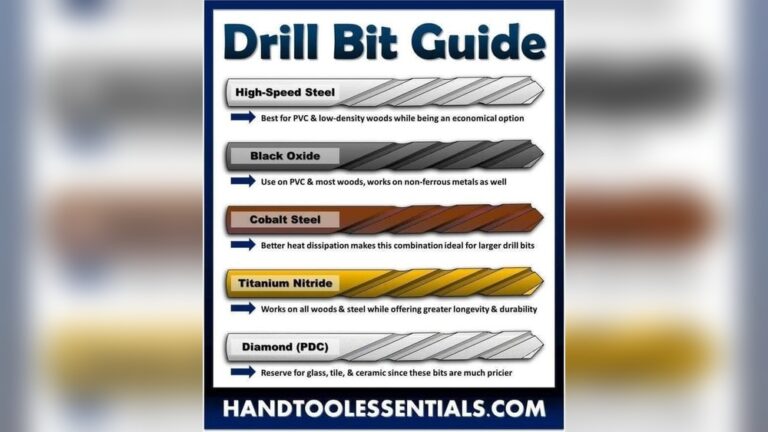
Many people walk into a hardware store and see black oxide drill bits on the shelf, sitting next to shiny gold titanium and silvery cobalt bits. The black ones might look less impressive at first, but they’re a favorite in workshops, garages, and even large factories.
Why? Because they strike a balance between cost, performance, and durability—especially for everyday drilling tasks. If you’ve ever wondered what black oxide drill bits are used for, or when you should choose them over others, you’re about to discover the full picture.
This guide will break down what makes black oxide drill bits unique, where they excel, their advantages and limitations, and how to get the most out of them. You’ll also see real-world examples, comparison tables, and practical advice that goes beyond basic product descriptions. Whether you’re a DIYer, a tradesperson, or just curious, you’ll find clear answers here.
What Are Black Oxide Drill Bits?
Black oxide drill bits are high-speed steel (HSS) bits that have gone through a special heat treatment called black oxide coating. This process gives them their dark, matte finish and improves their performance compared to standard HSS bits.
The black oxide coating is not just for looks. It chemically alters the surface of the steel, creating a layer that resists corrosion, reduces friction, and helps the bit stay cooler during use. This makes black oxide bits a practical choice for many drilling jobs.
Key features of black oxide drill bits:
- Made from high-speed steel (HSS)
- Treated with a black oxide coating (not paint)
- Have a dark, non-reflective finish
- Designed for general-purpose drilling
How Black Oxide Drill Bits Are Made
The manufacturing of black oxide drill bits involves a few key steps that set them apart from regular HSS bits. Here’s a simplified breakdown:
- High-speed steel shaping: The bit is formed to the needed size and shape.
- Heat treatment: The bit is heated and cooled to harden it.
- Black oxide bath: The bit is immersed in a hot alkaline solution, usually around 280°C (536°F). This chemical process bonds an oxide layer to the steel.
- Finishing: The bit is cleaned, sharpened, and sometimes lubricated with oil for extra rust protection.
This process is not just cosmetic. The oxide layer can be up to 2 microns thick, and it integrates into the steel, making it more durable and resistant to rust than untreated HSS bits.
Where Are Black Oxide Drill Bits Used?
You’ll find black oxide drill bits used across many settings. Their versatility comes from their balanced characteristics—they are not the toughest or the most specialized, but they deliver reliable results in most common materials.
Here are the main use cases:
1. Drilling Mild Steel
Black oxide drill bits are well-suited for drilling mild steel (low-carbon steel). The coating reduces heat and friction, which helps the bit last longer and makes cleaner holes. Most home and workshop metalwork involves mild steel, so black oxide bits are a top choice here.
Example: Building a metal shelf or frame from mild steel tubing.
2. Woodworking Projects
These bits perform well in softwoods and hardwoods. The smooth surface lets them cut efficiently without burning the wood or binding. For projects like making furniture, shelves, or framing, black oxide bits are a reliable choice.
Example: Drilling holes for screws in pine or oak boards.
3. Plastic And Pvc
When drilling plastics, heat can melt or deform the material. The lower friction from the black oxide coating helps prevent melting, giving cleaner holes in PVC pipes, acrylic sheets, or plastic panels.
Example: Installing plumbing by drilling into PVC pipes.
4. Aluminum And Other Soft Metals
Aluminum is softer than steel but still requires a bit that can cut smoothly. Black oxide bits can handle aluminum, brass, and copper with good results. However, for heavy-duty or repetitive work, a more specialized bit might be better.
Example: Creating holes for hardware in aluminum window frames.
5. Sheet Metal
Thin sheets of steel or aluminum often cause bits to bind or slip. The black oxide’s friction reduction helps prevent this, making it easier to drill clean holes without tearing the material.
Example: Mounting electrical boxes onto metal panels.
6. General Maintenance And Repairs
For everyday tasks around the house or workshop—hanging shelves, assembling fixtures, or repairing appliances—black oxide bits are a go-to because they work on a variety of materials without needing to change bits often.
7. Automotive Work
Mechanics and car enthusiasts use black oxide bits for tasks like mounting brackets, drilling out broken bolts, or installing accessories. They’re good for sheet metal and mild steel found in vehicles.
Example: Drilling pilot holes in the car body to install fender flares.
8. Construction And Framing
In construction, speed and versatility matter. Black oxide bits are often included in drill/driver kits because they can switch between wood, soft metal, and plastic without changing tools.
Example: Framing a wall and drilling through both wood studs and thin metal plates.
Why Choose Black Oxide Drill Bits?
Many users ask, “Why pick black oxide over plain HSS or more expensive bits?” Here are the main reasons:
Cost-effective Performance
Black oxide drill bits are more affordable than titanium or cobalt bits, but offer better durability than plain HSS. They’re a smart investment for those who need a good balance between price and performance.
Longer Life Than Standard Hss
The oxide layer helps the bit resist wear, stay sharp longer, and fight rust. This means fewer bit changes and replacements during a project.
Versatility
Because they work well on wood, plastic, and mild metals, you can use one set for most common jobs. This is ideal for people who don’t want to keep swapping bits for every material.
Reduced Friction And Heat
Lower friction means faster drilling and less chance of overheating, which can dull bits quickly.
Rust Resistance
The black oxide finish protects against moisture and rust, especially if the bits are stored in a toolbox or used outdoors.
Comparing Black Oxide Drill Bits To Other Types
It’s helpful to see how black oxide bits stack up against the competition. Here’s a practical comparison between black oxide, titanium, cobalt, and standard HSS drill bits:
| Type | Best For | Durability | Cost | Rust Resistance |
|---|---|---|---|---|
| Black Oxide | Wood, plastic, mild steel | Moderate-High | Medium | Good |
| Titanium Nitride | Wood, plastic, thin metals | High | Medium-High | Excellent |
| Cobalt | Hardened steel, stainless steel | Very High | High | Good |
| Standard HSS | Wood, soft metals | Medium | Low | Fair |
Insight: Many beginners think titanium bits are always better than black oxide. In reality, titanium coatings can wear off if you sharpen the bit, while black oxide is part of the steel and stays effective even after sharpening.
Common Projects That Use Black Oxide Drill Bits
To make it even clearer, here are practical examples of projects where black oxide bits are often the best choice:
- Furniture assembly: Drilling pilot holes in wood for screws or dowels.
- Hanging shelves: Making holes in drywall, studs, or metal brackets.
- Home repairs: Fixing door hinges, latches, or mounting hardware.
- DIY electronics: Creating holes for switches in plastic or metal enclosures.
- Automotive repairs: Removing rusted bolts, drilling for fasteners.
- Plumbing: Drilling through PVC or thin metal pipes.
- Installing fixtures: Mounting curtain rods, lights, or wall anchors.
- Basic metal fabrication: Making small brackets or supports from mild steel.
- Craft projects: Working with wood, acrylic, or soft metals.
Non-obvious insight: Black oxide drill bits are also used by electricians for drilling into electrical panels or switch boxes, where a balance of speed, durability, and cost is needed.
Advantages Of Black Oxide Drill Bits
Let’s summarize the main benefits that make black oxide drill bits popular:
- Corrosion resistance: The black oxide layer protects against rust.
- Faster drilling: Reduced friction cuts drilling time.
- Longer lifespan: They last up to 50% longer than uncoated HSS bits.
- Multi-material use: Suitable for wood, plastics, and mild metals.
- Affordable: Lower price than cobalt or carbide bits.
Limitations And When Not To Use Black Oxide Drill Bits
No tool is perfect for every job. Here’s when black oxide bits are not the best option:
Not For Hardened Steel
Black oxide bits can struggle with very hard metals like stainless steel or tool steel. The bit can wear out quickly, or even break. Cobalt or carbide bits are better for these materials.
Not For Concrete Or Masonry
The tip design and steel composition aren’t right for brick, concrete, or stone. Masonry bits with carbide tips are needed for those jobs.
Not For Heavy, Repetitive Industrial Use
If you’re drilling hundreds of holes in steel every day, you’ll want something tougher and more specialized, like cobalt bits.
Beginner tip: Many people try to use black oxide bits for everything. Always check the material you’re drilling first, and don’t force a bit to do something it’s not designed for.

Credit: eldoradotools.com
How To Get The Best Performance From Black Oxide Drill Bits
Maximizing the life and performance of your black oxide bits is not just about picking the right one—it’s about using it correctly.
Use The Right Speed
Drill speed matters. For metals, use a slower speed; for wood and plastic, go faster. Too much speed on metal can overheat and dull the bit.
Apply Steady Pressure
Let the bit do the work. Too much pressure can cause overheating and premature wear.
Use Lubrication For Metal
When drilling steel or aluminum, add a few drops of cutting oil or lubricant. This reduces heat, helps clear chips, and extends bit life.
Keep Bits Sharp
A dull bit makes rough holes and wears out quickly. Sharpen bits with a bench grinder or a drill bit sharpener when you notice they’re struggling.
Store Properly
Moisture is the enemy. Store bits in a dry box or rack, and occasionally wipe them with oil to prevent rust, even though the black oxide layer helps.
Non-obvious insight: If you need a very precise hole, drill a small pilot hole first, then finish with the final size. This reduces wandering and makes cleaner holes, especially in metal.
Choosing The Right Black Oxide Drill Bit Set
Not all black oxide bits are equal. Here’s what to look for when buying:
- Size range: Sets usually include bits from 1/16” to 1/2”. Pick a set that covers your needs.
- Shank type: 3-flat shank bits grip better in drill chucks and reduce slippage.
- Storage case: A sturdy case protects your investment and keeps bits organized.
- Brand reputation: Well-known brands like DEWALT, Irwin, and Bosch often have more consistent quality.
Avoiding Common Buyer Mistakes
- Buying the cheapest set: Ultra-cheap bits may have poor heat treatment or thin oxide layers. They dull or break quickly.
- Ignoring shank type: If your drill chuck slips, look for bits with a 3-flat or hex shank.
- Buying a huge set for one job: It’s better to buy a smaller, high-quality set that matches your usual needs.
Comparing Black Oxide Drill Bits: Performance Data
For a more detailed look, here’s a practical data table comparing drilling speed and bit life (based on typical user tests):
| Bit Type | Material | Drilling Speed (sec per 5mm hole) | Average Holes Before Dullness |
|---|---|---|---|
| Black Oxide | Mild Steel | 6.5 | 110 |
| Black Oxide | Softwood | 2.2 | 200+ |
| Titanium | Mild Steel | 6.0 | 130 |
| Cobalt | Stainless Steel | 7.0 | 210 |
| Standard HSS | Mild Steel | 7.5 | 70 |
Note: Actual performance depends on drill speed, pressure, and cooling. Black oxide bits last much longer in wood and plastic than in metal.
Real-world Feedback: What Users Say
Many users—from home DIYers to professional tradespeople—praise black oxide drill bits for their balance of durability and affordability. They report that:
- Bits stay sharper longer than plain HSS, especially in wood and mild steel.
- Rust is rarely an issue if bits are kept clean and dry.
- Sets are affordable enough to keep extras for backup.
- Not ideal for stainless steel or heavy-duty industrial tasks, as expected.
One common mistake: Some users think the black coating means the bit is harder, but in fact, it’s about friction and rust resistance—not overall hardness.
For more on the technical process of black oxide coating, you can check the Wikipedia article on Black Oxide.

Credit: drillsandcutters.com
Practical Tips And Safety
- Clamp workpieces when drilling metal to prevent spinning or injury.
- Wear safety glasses—bits can break or send hot chips flying.
- Inspect bits before use: Look for chips, cracks, or dullness.
- Let bits cool between holes in metal to avoid overheating.
Pro tip: If you see smoke or blue discoloration on the bit, you’re drilling too fast or with too much pressure—slow down and use lubricant.
Frequently Asked Questions
What Materials Can Black Oxide Drill Bits Cut?
Black oxide drill bits are best for wood, plastic, PVC, aluminum, brass, copper, and mild steel. They are not ideal for hardened steel, concrete, or masonry.
How Long Do Black Oxide Drill Bits Last?
With proper use, they last up to 50% longer than plain HSS bits. In wood and plastic, they can drill hundreds of holes. In mild steel, expect about 100 holes before sharpening is needed.
Can Black Oxide Drill Bits Be Resharpened?
Yes. Unlike titanium-coated bits, the black oxide layer stays effective even after sharpening because it’s part of the steel, not just a surface coating.
Are Black Oxide Drill Bits Rustproof?
They are rust-resistant but not rustproof. The black oxide layer protects against moisture, but it’s still best to store bits dry and occasionally oil them.
What’s The Difference Between Black Oxide And Titanium Drill Bits?
Titanium bits have a harder, more slippery gold coating, making them last a bit longer in some materials. However, when sharpened, the titanium layer is lost, while black oxide remains effective. Black oxide is more cost-effective and better for frequent resharpening.
Final Thoughts
Black oxide drill bits are the workhorses of the drill bit world. They’re not flashy, but they offer solid performance for most common materials—especially wood, plastic, and mild steel. The black oxide treatment gives them a real edge over plain HSS, with longer life, less friction, and better resistance to rust.
Choosing black oxide means choosing versatility and value for your everyday drilling needs. With the right care and use, a good set will serve you well for years. For most home and workshop projects, they’re a smart and reliable choice—helping you get the job done efficiently, without breaking the bank or constantly swapping tools.
Remember, the right drill bit for the job not only makes drilling easier but also keeps you safe and your projects looking professional.

Credit: www.reddit.com