Choosing the right drill bit size for tapping threads is a foundational skill for machinists, mechanics, and anyone working with metal fabrication or repair. The difference between a perfectly threaded hole and a stripped or broken tap often comes down to using the correct drill bit.
For the 1/4″-28 tap, a common UNF (Unified National Fine) thread size, precision is especially important, as the fine pitch leaves less room for error. Yet, even experienced professionals sometimes need to pause and double-check, since using the wrong drill bit can waste time, materials, and even damage expensive tools.
Understanding exactly what drill bit size to use for a 1/4-28 tap is more than just memorizing a number. Factors like material hardness, desired thread engagement, and the specifics of your application all play roles in achieving the best results.
In this comprehensive guide, you’ll find not only the direct answer, but also the rationale, practical examples, comparison tables, and expert insights that ensure you get reliable, repeatable results every time you tap a hole for a 1/4-28 fastener.
Key Takeaways
- The correct drill bit size for a 1/4-28 tap is #3 (0.2130 inches) for standard applications, ensuring proper thread engagement and tap lifespan.
- Material type, hole depth, and required thread strength may impact drill bit selection, always consider these factors before drilling.
- Using the wrong size drill bit can result in poor threads, reduced holding power, or broken taps.
- Real-world case studies show the importance of matching drill bit size to the application, especially in critical assemblies.
- Reference tables, tap charts, and manufacturer recommendations are essential for accuracy and consistency.
- Always use quality cutting fluid and proper tapping techniques to maximize tap and thread life.
Understanding The 1/4-28 Tap And Its Applications
A 1/4-28 tap is a standard Unified National Fine (UNF) thread used in a wide variety of applications, from automotive assemblies to aerospace components and precision instruments. The “1/4” refers to the nominal diameter (0.250 inches), while “28” denotes the number of threads per inch (TPI). Fine threads like 1/4-28 are favored in situations where vibration resistance or greater thread engagement in thin materials is required.
The Importance Of Thread Pitch
The finer 28 TPI provides several advantages:
- Higher thread engagement for shallow holes
- Increased resistance to loosening from vibration
- Better tension control for critical assemblies
However, these advantages come at the cost of requiring more precise hole sizing and tapping technique, since the threads are closer together and more easily damaged by improper drilling.
Common Uses For 1/4-28 Taps
You’ll find 1/4-28 threads in:
- Automotive fuel systems and carburetor fittings
- Aircraft and aerospace fasteners
- Precision mechanical assemblies
- Hydraulic and pneumatic connectors
In my experience, using the right drill bit size for a 1/4-28 tap is crucial when working on an aircraft component, where thread integrity directly affects safety and performance.
Credit: www.6gtools.com
The Correct Drill Bit Size For A 1/4-28 Tap
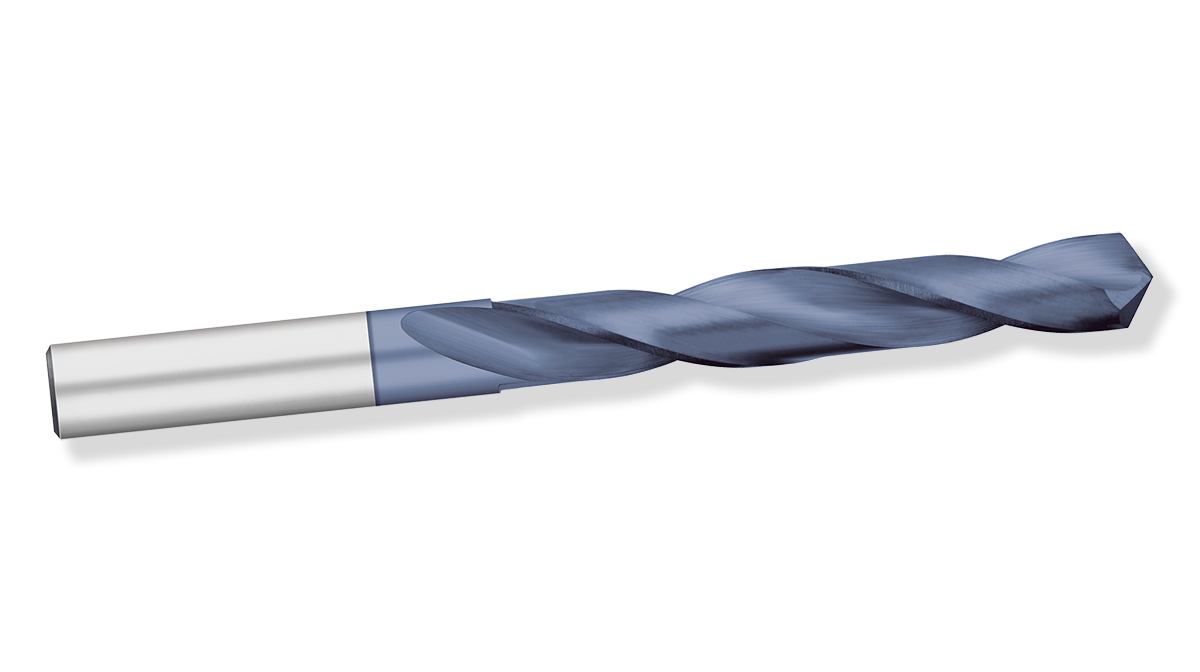
The industry-standard drill bit size for a 1/4-28 tap is a #3 drill bit, which measures 0.2130 inches (5.41 mm) in diameter. This size ensures the proper balance between material removal and thread engagement.
Why The 3 Drill Bit?
The #3 drill bit is specified because it leaves enough material for the tap to form strong threads, while not being so tight that it causes excessive friction or risk of tap breakage. The goal is to achieve approximately 75% thread engagement, which is considered optimal for most applications.
Tap Drill Formula And Calculation
The standard formula for finding tap drill size for Unified threads is:
> Tap Drill Size = Major Diameter – (1 ÷ TPI)
For a 1/4-28 tap:
- Major Diameter = 0.250″
- TPI = 28
So,
0.250 – (1/28) = 0.250 – 0.0357 = 0.2143 Inches
The #3 drill bit (0. 2130″) is the closest standard size, providing slightly higher thread engagement, which is generally preferred.
Comparison Table: 1/4-28 Tap Drill Bit Sizes
| Tap Size | Thread Pitch (TPI) | Recommended Drill Bit | Drill Size (inches) | Percent Thread Engagement |
|---|---|---|---|---|
| 1/4-28 UNF | 28 | #3 | 0.2130 | ~77% |
| 1/4-20 UNC | 20 | #7 | 0.2010 | ~75% |
| Metric M6x1.0 | 25.4 | 5.0mm | 0.1968 | ~75% |
When To Use A Different Drill Bit Size
There are situations where you might intentionally use a slightly larger drill bit, such as:
- Tapping hard materials (stainless steel, titanium): Reducing thread engagement to 60-65% can decrease the risk of tap breakage.
- Poor tap quality: A slightly oversized hole compensates for an older or dull tap.
Always consult manufacturer recommendations for your specific material and application.
Factors Influencing Drill Bit Selection For 1/4-28 Taps
Selecting the proper drill bit for a 1/4-28 tap goes beyond just following a chart. Several factors can influence the optimal drill bit size for your application.
Material Type And Hardness
Harder materials like stainless steel or titanium can increase the risk of tap breakage. For these, you might:
- Use a slightly larger drill bit (e.g., 0.2210″ or #2 size)
- Reduce thread engagement to decrease torque
For softer materials such as aluminum or brass, the standard #3 drill bit is usually ideal.
Desired Thread Engagement
Thread engagement refers to how much of the tap’s thread profile is formed in the material. Higher engagement means stronger threads but more tapping force.
- Standard (75%): Best for most applications
- Reduced (60-65%): Used for hard materials or deep holes
Hole Depth And Blind Vs. Through Holes
For blind holes (not drilled all the way through):
- Use a bottoming tap after a taper or plug tap to cut threads to the bottom
- Ensure drill bit depth allows for full thread formation
For through holes, the standard #3 drill is sufficient, as chips can escape more easily.
Tapping Method And Tooling
Hand tapping allows for more forgiveness, while machine tapping requires precise hole sizing to prevent tool breakage.
- Hand tap: Slightly more tolerance for undersized holes
- Machine tap: Stick precisely to recommended drill size
Cutting Fluid And Lubrication
Proper lubrication reduces friction, helps remove chips, and extends tap life, especially in harder materials.
- Use high-quality cutting oil for steel
- Use lightweight oil or specialized tapping fluid for aluminum
Step-by-step Guide: Drilling And Tapping For 1/4-28 Threads
Following a systematic process ensures accurate, repeatable results and preserves both your tools and materials.
Step 1: Mark And Center Punch The Hole Location
- Accurately mark the intended hole location
- Use a center punch to prevent drill bit wandering
Step 2: Select And Secure The 3 Drill Bit
- Confirm drill bit size (0.2130″)
- Secure the bit in a drill press or hand drill
Step 3: Drill The Hole
- Drill at a slow, steady speed to avoid overheating
- For deep holes, withdraw the bit periodically to clear chips
- Use cutting fluid as appropriate
Step 4: Deburr The Hole
- Remove sharp edges with a countersink or deburring tool
- Ensures clean thread start and prevents tap damage
Step 5: Tap The Hole
- Align the tap perpendicular to the hole
- Apply consistent downward pressure and turn slowly
- Back the tap out every 1-2 turns to break chips and clear debris
- Use cutting fluid throughout the process
Step 6: Clean And Inspect The Threads
- Remove any chips or debris
- Check thread fit using a 1/4-28 bolt or thread gauge
Troubleshooting Common Problems
If you experience excessive resistance, broken taps, or poor thread quality:
- Double-check drill bit size
- Reassess lubrication and tapping speed
- Consider material-specific drill bit adjustments
Real-world Examples And Case Studies
Understanding how these principles play out in real-world scenarios can help reinforce best practices and highlight common pitfalls.
Example 1: Automotive Repair Shop
A technician is tasked with installing a new fuel fitting on an aluminum intake manifold. The service manual specifies a 1/4-28 thread. Using a #3 drill bit, the technician drills the hole and taps it, resulting in strong threads that securely hold the fitting.
Had the technician used a smaller bit (e. g. , #4, 0. 2090″), the tap would have required more force, risking breakage in the soft aluminum.
Example 2: Aerospace Component Manufacturing
In an aerospace assembly, a machinist must tap multiple 1/4-28 holes in titanium brackets. Due to the hardness of titanium, the machinist opts for a #2 drill bit (0. 2210″), reducing thread engagement to about 60%. This adjustment prevents tap breakage and ensures the threads still meet strength requirements, as verified by torque testing.
Example 3: Diy Home Workshop
A hobbyist is building a custom bicycle component and needs to thread a steel bracket for a 1/4-28 bolt. Lacking a #3 drill bit, they use a 7/32″ (0. 2188″) bit, slightly larger than recommended. The threads are formed with slightly less engagement but remain strong enough for the application.
Tap Drill Charts And Manufacturer Recommendations
Reference charts are invaluable for quickly finding the correct drill bit size for any tap. Below is a concise tap drill chart for common thread sizes, including 1/4-28.
| Tap Size | Type | Threads Per Inch (TPI) | Tap Drill Size | Decimal (inches) |
|---|---|---|---|---|
| 1/4-20 | UNC | 20 | #7 | 0.2010 |
| 1/4-28 | UNF | 28 | #3 | 0.2130 |
| 5/16-18 | UNC | 18 | F | 0.2570 |
| 5/16-24 | UNF | 24 | I | 0.2720 |
How To Use Tap Drill Charts
- Find the thread size and pitch in the left column
- Use the recommended drill bit for standard thread engagement
- For tough materials, consider using the next size up
For more extensive tap drill charts, you can refer to the Machinery’s Handbook or authoritative online sources like Wikipedia.
Manufacturer Recommendations
Tap and drill bit manufacturers often provide specific guidance for their products. Following their recommendations ensures optimal performance and reduces the risk of tap breakage.
- Always use high-quality, sharp drill bits and taps
- Replace worn tools regularly for consistent results
Advanced Tips For Tapping 1/4-28 Threads
For professionals and advanced hobbyists, optimizing the tapping process for efficiency, safety, and quality is essential.
Pro Tip: Use Spiral Flute Taps For Blind Holes
Spiral flute taps help evacuate chips upward, making them ideal for blind holes where chips can accumulate and cause jamming.
Use Of Thread Forming Taps
Thread forming (roll) taps displace material instead of cutting, producing stronger threads and eliminating chips. However, they require different hole sizes, typically larger than for cutting taps.
Monitoring Tap Wear And Replacement
Regularly inspect taps for wear or chipping, especially when working with hard materials. Dull taps require more force and increase the risk of thread damage or tool breakage.
Quality Control And Thread Inspection
For mission-critical parts, inspect threads with a Go/No-Go gauge to ensure they meet dimensional standards. This is standard practice in aerospace, automotive, and other regulated industries.
Common Mistakes And How To Avoid Them
Mistakes in drilling and tapping can lead to wasted parts, broken tools, and compromised assemblies. Here are some of the most frequent errors and how to prevent them.
Using The Wrong Drill Bit Size
- Double-check drill bit against tap chart before drilling
- Use calipers or a drill gauge to verify bit diameter
Incorrect Tap Alignment
- Use a tap guide or drill press for perfect perpendicular alignment
- Freehand tapping increases risk of angled or cross-threaded holes
Inadequate Lubrication
- Always use cutting fluid, especially on tough metals
- Dry tapping increases friction and risk of breakage
Forcing The Tap
- If resistance increases, back out and clear chips
- Forcing the tap can snap it off in the hole, a difficult problem to fix
Safety Considerations When Tapping 1/4-28 Threads
Safety is paramount when working with power tools and sharp cutting implements. Always observe the following precautions:
Personal Protective Equipment (ppe)
- Wear safety glasses to protect from flying chips
- Use gloves when handling sharp tools, but remove them when operating rotating machinery to prevent entanglement
Secure Workpiece
- Clamp workpieces securely before drilling or tapping
- Unsecured parts can spin, causing injury or damaging the work
Tool Maintenance
- Regularly inspect and replace worn drills and taps
- Dull tools require more force and are more likely to break
Cleanliness And Organization
- Keep the work area free of chips and debris
- Clean tools after use to extend their lifespan
Frequently Asked Questions
What If I Don’t Have A 3 Drill Bit For A 1/4-28 Tap?
If a #3 drill bit (0. 2130″) is unavailable, the closest alternative is a 7/32″ drill bit (0. 2188″). This size will produce slightly less thread engagement, around 65-70% instead of 75-77%. For non-critical applications, this is usually acceptable, but for maximum thread strength, using the specified #3 bit is best.
Can I Use A Metric Drill Bit Instead Of An Imperial One For 1/4-28?
A metric drill bit of 5. 4 mm (0. 2126″) is almost identical to the #3 size and can be used if available. Always double-check the actual diameter, as small differences can affect thread quality, especially in harder materials.
How Deep Should I Drill For A 1/4-28 Tapped Hole?
The drilled hole should be at least as deep as the required threaded length, plus an additional 1-2 thread pitches to allow for chip accumulation at the bottom. For blind holes, drill 3-4 mm (about 1/8″) deeper than the intended thread depth.
What’s The Difference Between 1/4-20 And 1/4-28 Taps?
Both have the same major diameter (1/4″ or 0. 250″), but 1/4-20 is a Unified National Coarse (UNC) thread with 20 threads per inch, while 1/4-28 is Unified National Fine (UNF) with 28 threads per inch. Fine threads provide greater thread engagement and are used when higher strength or vibration resistance is needed.
Is It Safe To Tap By Hand, Or Should I Use A Tapping Machine For 1/4-28 Threads?
Both methods are safe if proper technique and safety precautions are followed. Hand tapping offers greater control, especially for single or small batch parts. Tapping machines are preferred for high-volume, repeatable production and can provide more consistent thread quality when set up correctly.
Precision in drilling and tapping is a mark of craftsmanship and professionalism, especially when working with fine threads like 1/4-28. By understanding the reasoning behind drill bit selection, factoring in material and application specifics, and following proven techniques, you ensure your tapped holes deliver strength, reliability, and performance. Whether in an industrial setting or a home workshop, applying these best practices minimizes errors and maximizes the longevity of your assemblies. For further technical data and updated standards, consult reputable resources such as the MSC Industrial Supply Tap Drill Chart. With the right approach and attention to detail, every 1/4-28 thread you tap can be a testament to your skill and expertise.