When you need a drill for your next project, two names often appear: Craftsman and Milwaukee. These brands are everywhere, from big hardware stores to job sites and home garages. But which one is right for you? The answer isn’t simple. It depends on what you need, how often you use your tools, and what you expect from them.
Many people think all power drills do the same job. That’s not true. The difference between a Craftsman drill and a Milwaukee drill can mean faster work, longer battery life, or less frustration. Some people choose based on price. Others look for features, warranty, or even how the drill feels in their hand.
In this article, you’ll see a complete comparison of Craftsman and Milwaukee drills. We’ll explore build quality, performance, price, battery systems, user experience, and more. You’ll learn what matters most—and discover some things most beginners miss when choosing a drill.
Brand Overview: Craftsman And Milwaukee
To understand these drills, it helps to know the brands behind them. Craftsman has been a classic American name since 1927. For years, it was the main tool brand at Sears. Today, it’s owned by Stanley Black & Decker. Craftsman tools are known for being reliable, affordable, and easy to find in many stores.
Milwaukee started in 1924 and focuses on professional-grade tools. Many contractors trust Milwaukee for tough jobs. Their tools are designed for heavy use, advanced features, and long life. Milwaukee is owned by Techtronic Industries, which also owns Ryobi and Hoover.
Build Quality And Materials
One of the first things you’ll notice is how each drill feels in your hand. Milwaukee drills usually have a heavier, more solid build. They use high-quality plastics and more metal parts. This gives them a sturdy feel and helps them handle drops or bumps on job sites.
Craftsman drills are lighter and use more plastic in the body. This makes them easy to carry and use for long periods, but sometimes they don’t feel as tough. Most Craftsman drills are designed for home or light professional use, not heavy construction.
Both brands have rubberized grips for comfort. However, Milwaukee often adds extra features like metal belt clips, side handles, and better chuck design for holding bits tightly.
Power And Performance
When it comes to power, Milwaukee drills often lead the way. Their flagship M18 Fuel drills offer up to 1,200 inch-pounds of torque—enough for demanding tasks like driving large screws or drilling into concrete. Craftsman’s top cordless drills usually provide up to 400-500 inch-pounds of torque. That’s fine for home repairs, furniture assembly, or basic construction, but not for the toughest jobs.
Speed also matters. Milwaukee drills usually have higher RPMs (revolutions per minute) and more control over speed settings. This makes them better for both delicate work (like drilling small holes in wood) and heavy-duty jobs.
Here’s how two popular models compare:
| Feature | Craftsman V20 Cordless Drill | Milwaukee M18 Fuel Drill |
|---|---|---|
| Max Torque | 400 in-lbs | 1,200 in-lbs |
| Max RPM | 1,500 | 2,000 |
| Battery Voltage | 20V | 18V |
| Weight (with battery) | 3.3 lbs | 3.5 lbs |
Battery Systems And Runtime
Cordless drills are only as good as their batteries. Both Craftsman and Milwaukee use lithium-ion batteries, but there are important differences.
Milwaukee’s M18 and M12 battery lines are famous for their reliability and long life. The M18 system powers over 200 tools, from drills to saws and lights. You can use the same battery across all these tools, which saves money and keeps things simple. Milwaukee batteries often last longer on a single charge, thanks to better cells and smart electronics inside.
Craftsman V20 batteries work with about 100 tools. They are easy to swap and charge, but their capacity is usually a bit lower. For most home jobs, Craftsman batteries last long enough. But if you do big projects or work all day, Milwaukee batteries hold up better.
A non-obvious insight: Milwaukee’s rapid chargers can recharge a battery in under 60 minutes for most models, while Craftsman’s chargers may take longer. Fast charging can keep your work moving, especially if you forget to charge batteries overnight.
Features And Technology
Drills are more than just motors and batteries. Both brands add special features, but Milwaukee usually goes further. Here are some key points:
- Brushless Motors: Milwaukee puts brushless motors in nearly all their new drills. Brushless motors are more efficient, give more power, and last longer. Craftsman has some brushless models, but most are still brushed, which wear out faster.
- Smart Electronics: Milwaukee’s Redlink Plus system protects against overload, overheating, and over-discharge. Craftsman has basic protection but not as advanced.
- LED Lights: Both brands add LED work lights. Milwaukee’s are brighter and better placed, so you can see your work area more clearly.
- Clutch Settings: Milwaukee often gives more clutch positions (up to 24 or more). This helps you fine-tune how much torque you use, so you don’t strip screws or damage materials.
- Belt Clips and Bit Holders: These small touches are more common and sturdy on Milwaukee drills.
- Bluetooth and Tool Tracking: Some Milwaukee drills offer One-Key technology, which lets you track your tool’s location with your phone. Craftsman does not offer this.
A practical example: For someone working in dark corners or on ladders, Milwaukee’s brighter LEDs and belt clips make a real difference.
Price And Value
Many buyers look at price first. Craftsman drills are usually more affordable. A Craftsman V20 kit with two batteries can cost $80-$120. Milwaukee’s M18 Fuel kits often start at $180-$250. That’s a big difference, especially for beginners or those on a budget.
But price doesn’t tell the whole story. Milwaukee’s higher cost comes with better build, more power, and longer tool life. Over several years, a Milwaukee drill might save you money by lasting longer and working better. Craftsman gives strong value for home users who don’t need the toughest tools.
Here’s a quick look at typical pricing:
| Model | Typical Price (Kit) | Warranty |
|---|---|---|
| Craftsman V20 Drill/Driver Kit | $99 | 3 years |
| Milwaukee M18 Fuel Drill/Driver Kit | $229 | 5 years (tool), 2 years (battery) |
Durability And Warranty
Milwaukee tools are made for tough use. Their drills can survive drops, dust, and heavy workloads. Contractors often choose Milwaukee because they know the tools will last. Milwaukee backs this up with a 5-year warranty on most drills, and a 2-year warranty on batteries.
Craftsman offers a 3-year warranty on drills. For most home users, this is enough. But for people using drills every day, Milwaukee’s extra coverage means peace of mind.
A non-obvious insight: Milwaukee’s repair network is larger and faster. If your drill breaks, it’s easier to get it fixed quickly. Craftsman repairs sometimes take longer, especially outside big cities.
Ergonomics And User Experience
The way a drill feels in your hand affects how much you use it. Milwaukee drills are a bit heavier, but well balanced. Their handles fit many hand sizes, and the trigger is smooth. Craftsman drills are lighter and less tiring for long jobs above your head or in tight spaces.
Noise and vibration also matter. Milwaukee’s brushless motors run quieter and with less vibration. This is important if you drill a lot—it reduces fatigue and makes the work more pleasant.
Both brands use keyless chucks, so you can swap bits quickly. Milwaukee’s chucks are all-metal in pro models, which hold bits better and last longer. Craftsman’s are usually plastic or mixed metal, which can wear out faster if you change bits often.
Credit: www.reddit.com
Tool Range And System Compatibility
If you plan to buy more power tools in the future, look at the whole system. Milwaukee’s M18 and M12 platforms cover a huge range: drills, impact drivers, saws, lights, fans, and more. You can build a full set of tools using the same batteries and chargers.
Craftsman’s V20 system is smaller, with about 100 tools. That’s still plenty for most homes, but Milwaukee offers more specialty tools for pros.
An important point beginners often miss: If you choose one brand now, it’s cheaper and easier to stick with it as you add tools. Mixing brands means more chargers and batteries, which can get expensive and messy.
Real-world Performance: User Reviews And Tests
Looking at technical specs is good, but real-world experience matters most. Many DIY users say Craftsman drills handle everyday jobs well—hanging shelves, building furniture, or drilling into drywall. Users like the light weight and low price.
Professional reviews and contractors almost always praise Milwaukee drills for power and reliability. They mention that Milwaukee drills can handle tough jobs like drilling through concrete, driving long screws into thick wood, and working all day without overheating.
A recent comparison by Pro Tool Reviews found that the Milwaukee M18 Fuel drill completed heavy-duty tasks 30% faster than Craftsman’s V20. Milwaukee’s batteries also lasted about 25% longer per charge in side-by-side tests.

Credit: www.youtube.com
Common Buyer Mistakes
It’s easy to make mistakes when choosing between Craftsman and Milwaukee drills. Here are some to watch out for:
- Choosing by price only: A cheaper drill may not last as long or do the jobs you need.
- Ignoring battery compatibility: Mixing brands can mean extra chargers and batteries.
- Overestimating needs: Many home users buy pro drills they never fully use.
- Underestimating future needs: Buying a cheap drill now may limit your tool system later.
- Not trying the drill in hand: Comfort and balance make a big difference, especially for long jobs.
Who Should Buy Craftsman?
Craftsman drills are a smart choice if you:
- Do home repairs, furniture assembly, or light projects
- Want a good value for the price
- Prefer a lighter tool that’s easy to handle
- Don’t plan to buy many other power tools in the same system
Craftsman is also great for beginners, students, or anyone who uses a drill only a few times per month. The tools are simple, easy to find, and come with a decent warranty.
Who Should Buy Milwaukee?
Milwaukee drills are best for:
- Contractors, pros, or people who do tough projects
- Anyone who needs lots of power and long battery life
- Users who want advanced features like brushless motors and smart electronics
- People building a full tool set with many compatible tools
Milwaukee is also a good investment if you want a drill that lasts for years, even with heavy use. Their wide tool range means you can keep adding tools without buying new batteries or chargers.
Craftsman Drill Vs Milwaukee: Quick Comparison
To help you see the differences at a glance, here’s a summary:
| Aspect | Craftsman Drill | Milwaukee Drill |
|---|---|---|
| Best for | Home use, light projects | Pro use, heavy-duty tasks |
| Torque | Up to 500 in-lbs | Up to 1,200 in-lbs |
| Battery System | V20 (100+ tools) | M18 (200+ tools) |
| Warranty | 3 years | 5 years (tool) |
| Price | Lower | Higher |
| Weight | Lighter | Heavier |
| Advanced Features | Few | Many |
Extra Insights Most Beginners Miss
- Future-Proofing Your Tool System: Many people buy the cheapest drill, then regret it later when they want more tools. If you think you’ll add tools over time, Milwaukee’s bigger system makes life easier.
- Repair and Support: If you work in remote or small towns, Milwaukee’s larger repair network can save time and hassle if something breaks.
- Battery Longevity: Milwaukee batteries not only last longer per charge—they usually survive more charge cycles before wearing out. This means fewer replacements over the years.
- Jobsite Safety: Milwaukee’s smart electronics don’t just protect the tool, but also you, by preventing overheating or sudden stops that can cause accidents.
Expert Recommendations
- For DIYers and hobbyists, Craftsman offers everything you need at a great price. You’ll get reliable performance and a simple tool system.
- For serious DIYers or light pros, Milwaukee is worth the investment if you want more power, better batteries, and room to expand.
- For full-time pros, Milwaukee is the gold standard. The extra cost pays off in durability, speed, and reduced downtime.
If you’re still unsure, try visiting a store to hold both drills. Sometimes, how a tool feels in your hand is the deciding factor.
For more detailed specifications and user reviews, you can check the official Milwaukee and Craftsman websites or trusted sources like Pro Tool Reviews.
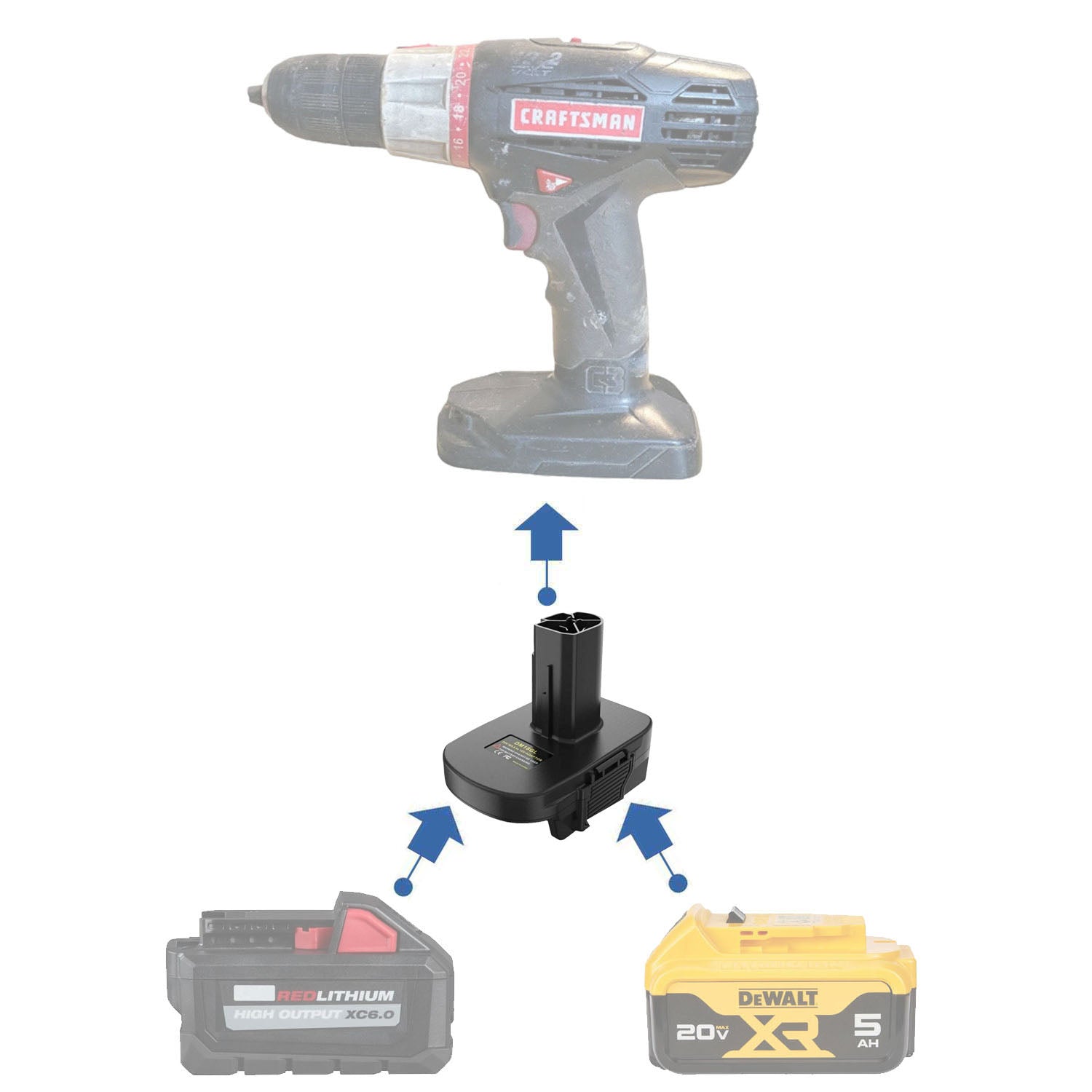
Credit: powertoolsadapters.com
Frequently Asked Questions
Which Drill Is Better For Home Use: Craftsman Or Milwaukee?
For most home users, Craftsman drills are a better value. They’re affordable, easy to use, and have enough power for common tasks like hanging pictures or assembling furniture. Milwaukee drills are more powerful but may be more than you need unless you do heavy projects.
Are Milwaukee Drills Really Worth The Extra Money?
If you do tough jobs, use your drill often, or plan to expand your tool system, Milwaukee drills are worth the investment. They last longer, have more features, and can handle demanding work. For casual or occasional use, Craftsman is usually enough.
Can Craftsman And Milwaukee Batteries Be Used Interchangeably?
No, Craftsman and Milwaukee batteries are not compatible. Each brand uses its own battery shape and electronics. If you want to use many tools with one battery, stick to the same brand and system.
How Long Do The Batteries Last On Each Brand?
Milwaukee batteries usually last longer per charge and survive more recharges over time. For light jobs, Craftsman batteries perform well, but for all-day use, Milwaukee’s M18 batteries have the edge.
Do Both Brands Offer Brushless Motor Options?
Yes, both offer brushless drills. Milwaukee puts brushless motors in almost all new models, while Craftsman has a few brushless options, mainly in their top V20 line. Brushless motors are quieter, more powerful, and last longer.
Choosing between Craftsman and Milwaukee drills depends on your needs, budget, and future plans. Think carefully, and you’ll get a tool that serves you well for years.