Selecting the correct drill bit size for tapping is a crucial, often overlooked detail in metalworking, automotive repair, and industrial manufacturing. Among the most common queries from both DIYers and professionals is: What size drill bit do you need for a 9/16 tap? Mistakes here can result in costly workpiece damage, wasted time, or even personal injury. Getting it right, however, means threads that are strong, precise, and long-lasting. This article walks you through the detailed process of choosing the right drill bit for a 9/16 tap, explores the science behind sizing, and provides practical insights for both metric and imperial systems.
Whether you’re a machinist, a mechanical engineer, or a dedicated hobbyist, understanding tap drill sizing isn’t just about memorizing numbers. It’s about knowing materials, thread standards, tooling tolerances, and the real-world factors that impact every hole and thread you cut.
If you want to ensure flawless results and reduce rework, this comprehensive guide will give you the information, tables, and examples you need to make confident, data-backed decisions, every time.
Key Takeaways
- The standard drill bit size for a 9/16-18 UNC tap is 31/64 inch.
- Tap drill size must account for thread type (UNC, UNF, metric) and material hardness.
- Errors in drill bit sizing can lead to poor thread fit, stripped threads, or tap breakage.
- Material properties and thread engagement percentages impact drill size choice.
- Always consult up-to-date tap and drill charts for your specific application.
- Advanced techniques, such as pre-drilling and reaming, may improve thread quality.
Understanding Tap Drill Sizing For 9/16 Taps
Selecting the correct drill bit for a 9/16 tap requires an understanding of thread standards and the mechanics of thread formation. The tap drill size is not simply the diameter of the tap but is calculated to allow sufficient material for the threads to form properly while avoiding excessive force or breakage.
The Tap Drill Size Formula
The basic formula for calculating the tap drill size for standard threads (Unified National Coarse or Fine) is:
Tap Drill Size = Major Diameter, (1 ÷ Threads Per Inch)
For a 9/16-18 tap:
- Major Diameter = 0.5625 inch (9/16)
- Threads Per Inch (TPI) = 18
Plugging into the formula:
- Tap Drill Size = 0.5625, (1 ÷ 18) = 0.5625, 0.0556 ≈ 0.5069 inch
The closest standard drill bit size is 31/64 inch (0.4844 inch), which is commonly used.
Unified Thread Standards: Unc Vs Unf
A 9/16 tap can refer to different thread types:
- 9/16-12 UNC (Unified National Coarse)
- 9/16-18 UNF (Unified National Fine)
Each requires a slightly different drill size due to the thread pitch:
- 9/16-12 UNC: Drill size ≈ 33/64 inch (0.5156 inch)
- 9/16-18 UNF: Drill size ≈ 31/64 inch (0.4844 inch)
Choosing the wrong standard can lead to improper thread fit.
Tap Drill Chart Comparison
| Tap Size | Thread Pitch | Standard Drill Size | Decimal (inches) |
|---|---|---|---|
| 9/16-12 UNC | 12 TPI | 33/64″ | 0.5156 |
| 9/16-18 UNF | 18 TPI | 31/64″ | 0.4844 |
| 9/16-20 UNEF | 20 TPI | 29/64″ | 0.4531 |
Real-world Example: Automotive Application
In my experience, while repairing a cylinder head that required a 9/16-18 thread for a stud, using the correct 31/64 inch drill bit ensured the tap cut smoothly and the thread held torque without stripping. Skipping this step and using a slightly larger drill resulted in a loose fit, compromising the assembly’s strength.
Material Considerations
Different metals and alloys may require slight adjustments:
- Harder materials (e.g., stainless steel): A slightly larger drill may reduce tap breakage.
- Softer materials (e.g., aluminum): Using the standard size maximizes thread engagement.
Pro Tip: Always check the manufacturer’s recommendations for specialty alloys.
The 9 Essential Factors When Choosing A Drill Bit For A 9/16 Tap
Selecting a drill bit for a 9/16 tap is more nuanced than simply matching numbers on a chart. Here are the 9 key factors, each with its own unique impact on tap performance and thread quality.
1. Thread Pitch And Type
The thread pitch (number of threads per inch) determines how much material must be cut away to form the threads. Coarse threads (UNC) require less precision but more material removal per thread, while fine threads (UNF) need greater accuracy.
- UNC (coarse) threads are more forgiving in softer materials.
- UNF (fine) threads offer better holding in harder materials and thin walls.
Always confirm both the diameter and pitch before selecting your drill bit.
2. Material Hardness
The hardness of the workpiece significantly affects drill bit choice:
- Hard materials (e.g., tool steel) increase tap wear and risk of breakage.
- Softer materials (e.g., brass) allow standard drill sizes without issue.
When tapping into hard metals, a drill bit that creates a slightly larger hole may ease tapping and extend tool life.
3. Desired Thread Engagement
Thread engagement refers to how much of the thread’s depth is actually formed. Most standards recommend 60-75% engagement for strong, durable threads.
- Higher engagement (closer to 100%) can cause excessive tapping force and breakage.
- Lower engagement weakens the thread holding capacity.
Adjust your drill size for your application’s required engagement.
| Engagement (%) | Recommended Drill Size (in.) | Thread Strength |
|---|---|---|
| 75% | 31/64″ | High |
| 50% | 32/64″ (1/2″) | Medium |
| 90% | 30/64″ | Very High (risk of tap breakage) |
4. Drill Bit Type And Quality
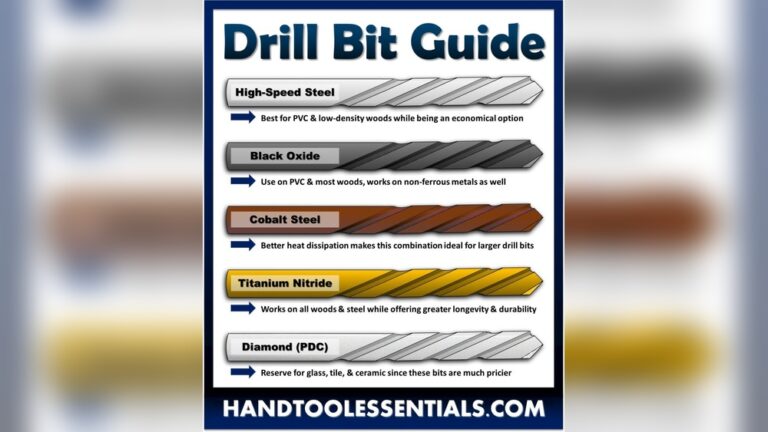
Not all drill bits are created equal. High-speed steel (HSS) bits are suitable for most applications, but cobalt or carbide bits may be necessary for harder metals. Bit geometry also matters; split-point bits reduce walking, while brad-point bits provide cleaner starts in wood or plastics.
Using a worn or low-quality bit can lead to oversized or off-center holes, impacting thread quality.
5. Hole Depth And Blind Vs. Through Holes
The depth of the hole and whether it’s a blind or through hole affect your choice:
- For blind holes, avoid drilling too deep, as this can weaken the part.
- For through holes, ensure the drill passes completely for full thread engagement.
Some applications require a pilot hole or step drilling to prevent wandering and ensure accuracy.
6. Lubrication And Cooling
Lubrication is vital, especially in harder materials. Using the correct cutting fluid reduces friction, heat, and tool wear.
- Common lubricants: Cutting oil, tapping fluid, or even simple machine oil for mild steel.
- Overheating can dull both the drill bit and tap, leading to poor threads.
Pro Tip: Always clear chips frequently and apply fresh lubricant for each pass.
7. Tapping Method: Hand Vs. Machine
Tapping by hand allows for more control but is slower. Machine tapping provides consistency and speed but requires precise setup.
- Hand tapping may tolerate slight variances in hole size.
- Machine tapping demands precise, consistent holes to avoid tool breakage.
Choose your drill bit with your tapping method in mind.
8. Tolerance Requirements
Precision work, such as aerospace or high-performance automotive parts, demands tight tolerances. In these cases, even a thousandth of an inch matters.
- Use a micrometer to verify drill bit size.
- Consider reaming the hole to achieve exact diameter before tapping.
For most general-purpose applications, standard drill bits suffice.
9. Availability Of Drill Bit Sizes
In some situations, the exact recommended drill bit size may not be available. The nearest fractional or letter size may be substituted, but verify its impact on thread engagement and fit.
- 31/64″ bits are standard in most sets, but less common in small shops.
- In metric contexts, 12.0 mm may substitute for 31/64″ with minimal impact.
Always check conversion charts and test on scrap material first.
Detailed Step-by-step Guide To Drilling And Tapping For 9/16 Threads
Successfully creating a threaded hole for a 9/16 tap involves several key steps. Following a precise sequence ensures accuracy, safety, and optimal thread quality.
Step 1: Mark And Center Punch The Hole
Begin by clearly marking the hole location with a scribe or center punch. This prevents the drill bit from wandering and guarantees hole placement accuracy.
- Use a hammer and center punch for metal surfaces.
- For high-precision work, start with a pilot hole.
Step 2: Select And Secure The Correct Drill Bit
Choose the recommended drill bit size for your specific tap thread, 31/64 inch for 9/16-18 UNF, 33/64 inch for 9/16-12 UNC.
- Inspect the bit for wear or damage.
- Mount securely in the drill chuck.
Step 3: Drill The Pilot Hole (optional)
For deep or large-diameter holes, begin with a smaller bit (pilot hole) to reduce stress on the main bit and improve accuracy.
- Drill at a steady speed, applying consistent pressure.
- Use cutting fluid as needed for the material.
Step 4: Drill The Final Tap Hole
With the pilot hole complete (if used), switch to the final drill bit size.
- Drill straight and true, maintaining alignment.
- Regularly withdraw the bit to clear chips and apply lubricant.
Step 5: Deburr And Clean The Hole
Use a countersink or deburring tool to remove sharp edges. Blow out chips and wipe clean to prevent interference during tapping.
Step 6: Tap The Hole
Insert the tap into the hole, applying steady pressure and turning slowly.
- For hand tapping, use a tap wrench.
- For machine tapping, ensure proper alignment.
Pro Tip: Back the tap out every 1/2 turn to break chips and reduce binding.
Step 7: Inspect And Test The Threads
After tapping, test the fit with the intended fastener. Threads should be clean, uniform, and provide firm engagement.
- If the fit is loose, recheck drill size and tap alignment.
- If too tight or tap broke, review material and lubrication.
Example: Shop Floor Scenario
A machinist at a fabrication shop needed to tap multiple 9/16-12 UNC holes in 1045 steel. By using a 33/64 inch cobalt bit, applying cutting oil, and drilling pilot holes, the team reduced tap breakage and produced threads that passed inspection for strength and fit.
Comparing Drill Bit Options For 9/16 Taps
Choosing between various drill bit types and standards can be overwhelming. The following comparison table outlines the most common drill bit choices for a 9/16 tap, highlighting their applications and pros/cons.
| Drill Bit Size | Application | Advantages | Drawbacks |
|---|---|---|---|
| 31/64″ | 9/16-18 UNF | Standard for fine threads Widely available |
May be tight in hard metals |
| 33/64″ | 9/16-12 UNC | Standard for coarse threads Good chip clearance |
Less common in hardware stores |
| 12.0 mm | Metric equivalent | Useful in metric shops Close fit |
Slightly smaller than 31/64″ |
| Letter W | Alternative for tight fit | Greater thread engagement | Higher tapping force required |
Advanced Techniques And Troubleshooting For Tapping 9/16 Threads
Even with careful planning, tapping can present unforeseen challenges. Advanced techniques and troubleshooting methods can help you achieve professional results and avoid costly mistakes.
Pre-drilling And Step Drilling
For deep holes or tough materials, pre-drilling with a smaller bit (step drilling) reduces the load on the final drill. This technique minimizes drift and heat buildup, especially in stainless steel or hardened alloys.
- Start with a pilot hole (e.g., 1/4 inch), then incrementally increase to final size.
- Each step removes more material, keeping the bit cool and sharp.
Reaming For Precision
Reaming can provide a perfectly sized, smooth hole before tapping, especially where tolerances are tight. After drilling slightly undersize, run a reamer through to final diameter.
- Used in aerospace and medical device manufacturing.
- Ensures maximum thread accuracy and fit.
Dealing With Broken Taps
Tap breakage can halt production and risk damaging expensive parts. If a tap breaks:
- Attempt to remove with a tap extractor.
- For stubborn cases, dissolve with alum (for steel in aluminum) or use EDM (electrical discharge machining) in industrial settings.
Pro Tip: Avoid excessive force and always use lubrication to minimize breakage risk.
Thread Forming Vs. Thread Cutting Taps
Thread forming taps displace material rather than cutting it, requiring different drill sizes (larger holes). Only use with ductile metals.
- Offers stronger threads in soft materials.
- Not suitable for hard or brittle alloys.
Example: Aerospace Repair Setting
A technician at an MRO (Maintenance, Repair, Overhaul) facility needed to repair a stripped 9/16-18 thread in an aircraft landing gear component. Using a precision reamer after initial drilling, then tapping with high-lubricity fluid, restored the thread to factory spec and passed all QA checks.
9 Key Items To Consider When Selecting A Drill Bit For A 9/16 Tap
Each of these 9 items deserves focused attention, as neglecting any can compromise the quality and safety of the finished thread. Here’s how each factor uniquely shapes your choice:
1. Tap Size And Thread Standard
Confirm the tap’s diameter and thread pitch (e.g., 9/16-18 UNF vs 9/16-12 UNC). Different standards require different drill sizes. Always check the tap’s markings and consult a reliable chart.
2. Drill Bit Material
Choose a bit made from high-speed steel (HSS) for general use, or cobalt/carbide for hard alloys. The right material extends tool life and improves thread quality.
3. Drill Bit Geometry
Select the appropriate point style:
- Split point bits for metal, reducing wandering.
- Brad point for wood and plastics.
Correct geometry ensures clean, centered holes.
4. Workpiece Material
Know if you’re drilling into steel, aluminum, brass, or plastic. Adjust drill speed, feed rate, and lubrication accordingly for optimal results.
5. Hole Depth And Accessibility
Consider whether the hole is shallow, deep, or hard to access. Longer bits or extension shanks may be needed for deep or obstructed locations.
6. Required Thread Strength
If maximum thread holding is critical, use the drill size that gives 75% engagement. For non-structural or temporary threads, lower engagement may suffice.
7. Tolerance And Fit
For precision assemblies, use reaming or step drilling to achieve tight tolerances. Test fit before final assembly.
8. Availability Of Drill Bits
If the ideal size isn’t on hand, select the next closest size that preserves thread engagement and strength. Consult conversion charts for alternatives.
9. Tapping Method
Hand tapping allows for minor size variation, while machine tapping requires exact sizes. Ensure your drill bit matches your process.
Real-world Case Studies: Successes And Pitfalls
Learning from real-world scenarios can illuminate the best practices, and common mistakes, when selecting drill bits for a 9/16 tap.
Automotive Engine Rebuild
An automotive technician replacing cylinder head studs on a V8 engine used the specified 31/64 inch bit for 9/16-18 threads. The tap cut smoothly, and the threads held high torque values, preventing head gasket leaks. When a coworker mistakenly used a 1/2 inch bit, the resulting loose fit led to stripped threads and a costly repair.
Industrial Fabrication Shop
A fabrication shop needed to tap 9/16-12 threads in thick steel plates for structural connections. The machinist used a 33/64 inch cobalt bit, lubricated the hole, and tapped using a rigid tapping arm. Thread gauges confirmed consistent engagement, and all connections passed load testing.
Maintenance Technician Experience
In my experience as a maintenance technician, re-tapping a worn 9/16-18 hole in a cast iron pump housing required careful selection. Using a Letter W bit (0. 386 inch) produced tighter threads, restoring holding strength without oversizing the hole.
Tap Drill Size Reference Charts And Resources
Reliable reference materials are invaluable for quick, accurate drill bit selection. Below are authoritative resources and charts for both imperial and metric systems.
Standard Tap Drill Size Chart (imperial)
| Tap Size | Thread Count | Drill Size | Decimal (in.) |
|---|---|---|---|
| 9/16-12 UNC | 12 TPI | 33/64″ | 0.5156 |
| 9/16-18 UNF | 18 TPI | 31/64″ | 0.4844 |
| 9/16-20 UNEF | 20 TPI | 29/64″ | 0.4531 |
Metric Tap Drill Size Chart
| Metric Tap | Pitch (mm) | Drill Size (mm) |
|---|---|---|
| M14 x 2.0 | 2.0 | 12.0 |
| M14 x 1.5 | 1.5 | 12.5 |
For further reading, consult the Wikipedia Tap and Die page or the MSC Direct Tap Drill Chart.
Frequently Asked Questions
What Happens If I Use A Drill Bit That Is Too Large For A 9/16 Tap?
Using an oversized drill bit will result in insufficient thread engagement. The threads will be shallow, making the fastener loose and reducing the holding strength. In structural or critical applications, this can lead to failure of the assembly or the need for costly repairs such as installing a thread insert.
Can I Use A Metric Drill Bit For A 9/16 Tap If I Don’t Have The Exact Imperial Size?
Yes, but only if the metric bit is close in size. For 9/16-18 taps, a 12.0 mm drill bit (0.4724 inch) is slightly smaller than 31/64 inch (0.4844 inch) and may result in tighter thread engagement. Always check the fit with scrap material first and ensure the resulting thread is not too tight for your tap.