When it comes to buying a cordless drill, the choice often comes down to Dewalt and Ridgid. Both brands are popular, trusted, and have fans across the world. But which one is better for your needs? People who are new to power tools often feel confused by the many features, prices, and claims. This article will help you understand the real differences between Dewalt and Ridgid drills, so you can make the right choice without stress.
You will learn about their performance, battery life, build quality, price, warranty, and special features. We’ll look at real examples, share data, and point out things most beginners miss. Whether you are a DIY homeowner, a student, or a professional contractor, this guide will give you clear, honest advice.
By the end, you’ll know exactly which drill matches your needs and budget.
Dewalt Drill: Brand Overview And Key Features
Dewalt is a name you see everywhere in construction sites and home workshops. Known for durability and power, Dewalt has built a reputation for making tools that last through heavy use. The company is part of Stanley Black & Decker, and its drills are designed for professionals and serious DIY users.
Dewalt offers a wide range of cordless drills. The most popular series is the 20V MAX line, which includes both compact and heavy-duty models. These drills use lithium-ion batteries, giving long runtimes and fast charging. Dewalt also uses brushless motors in many models, which help the drill run cooler and last longer.
Some standout features you’ll see in Dewalt drills:
- High torque for tough jobs like drilling into concrete or thick wood
- All-metal chuck for better grip and durability
- LED work lights for seeing in dark places
- Ergonomic handles that reduce fatigue during long use
- 2-speed transmission for different tasks (high speed for drilling, low speed for driving screws)
Dewalt tools are often tested for drops, dust, and water, making them reliable for job sites. Their drills are used by professionals who need tools to survive daily wear and tear.
Ridgid Drill: Brand Overview And Key Features
Ridgid may not be as famous as Dewalt, but it has a loyal following, especially among DIY enthusiasts and budget-conscious pros. The Ridgid brand is owned by Emerson Electric and is sold mainly through Home Depot in North America. Ridgid drills are known for their value, warranty, and practical features.
Ridgid’s best-selling line is the 18V cordless drill series. These drills use lithium-ion batteries, and many models come with brushless motors for efficiency and longer life. One thing that makes Ridgid special is the Lifetime Service Agreement (LSA). If you register your tool and battery after buying, you get free parts and service for life.
Key features in Ridgid drills include:
- Micro-clutch settings for precise control over screw driving
- Hex grip handles for comfort and slip-resistance
- Heavy-duty construction for home and light professional use
- LED lights for working in low light
- Fast charging with included chargers
Ridgid drills are built to handle most common jobs, from assembling furniture to building decks. They are affordable and reliable, making them a favorite for homeowners and new contractors.
Performance: Power, Speed, And Torque
Choosing a drill is often about performance. Let’s compare Dewalt and Ridgid on power, speed, and torque—the three things that affect how well a drill works.
Power (voltage)
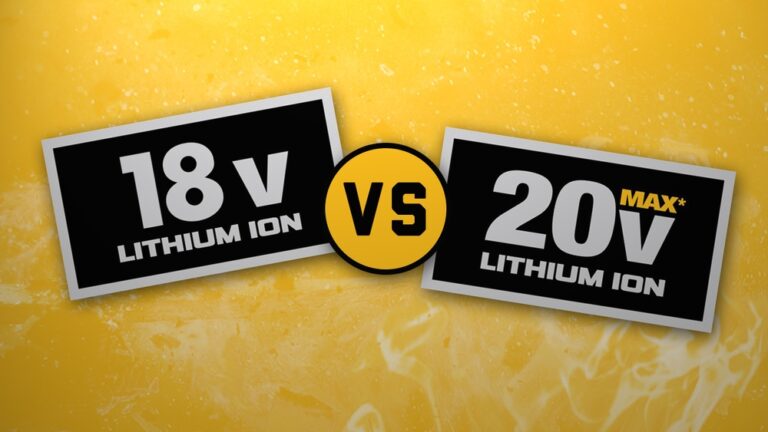
- Dewalt: Most popular models are 20V MAX. This means the battery provides up to 20 volts of power, giving strong performance for heavy tasks.
- Ridgid: Standard models are 18V. While slightly lower, these drills are still powerful enough for most jobs.
Many people think 20V is always better than 18V. But in real use, the difference is small. Both brands use lithium-ion batteries, and the actual output depends on the motor and battery quality.
Speed (rpm)
Speed affects how fast the drill spins. Higher RPM is good for drilling holes, while lower RPM helps drive screws.
- Dewalt: Most models offer 2-speed settings. Top speed is usually around 2,000 RPM.
- Ridgid: Also gives 2-speed settings. Top speed is about 1,850 RPM.
Dewalt has a slight edge in maximum speed, but Ridgid’s speed is enough for most jobs.
Torque
Torque is the twisting force. More torque lets you drill into hard materials.
- Dewalt: Some models deliver up to 530 in-lbs of torque.
- Ridgid: Models offer around 500 in-lbs of torque.
The difference is small, but Dewalt can handle slightly tougher materials. However, both brands can drill through wood, drywall, metal, and even some masonry.
Here’s a comparison table showing typical specs for the brands’ popular models:
| Feature | Dewalt 20V MAX Drill | Ridgid 18V Brushless Drill |
|---|---|---|
| Voltage | 20V | 18V |
| Max RPM | 2,000 | 1,850 |
| Max Torque | 530 in-lbs | 500 in-lbs |
| Battery Type | Lithium-ion | Lithium-ion |
| Speed Settings | 2 | 2 |
Battery Life And Charging
Battery life is important if you work for hours or don’t want to stop for charging. Both Dewalt and Ridgid use lithium-ion batteries, but there are differences in capacity, charging speed, and real-world runtime.
Dewalt Battery Life
Dewalt offers batteries in sizes from 1.5Ah up to 5Ah and more. Higher Ah (amp-hour) means longer runtime. Dewalt batteries are known for lasting longer per charge, especially with brushless motor models. The 20V MAX system is flexible, so you can use the same battery across many Dewalt tools.
Charging speed is fast. Most Dewalt chargers fill a 2Ah battery in about 30 minutes. Dewalt also sells FlexVolt batteries, which work in both 20V and 60V tools, making them great for users with multiple Dewalt products.
Ridgid Battery Life
Ridgid batteries come in sizes like 2Ah, 4Ah, and 6Ah. Their runtime is similar to Dewalt, but some users report Ridgid batteries may lose capacity faster after years of use. Ridgid chargers can fill a 2Ah battery in about 40 minutes. The Lifetime Service Agreement includes battery replacement, so you don’t have to worry about buying new batteries if they fail.
Both brands have battery indicator lights to show charge levels. Dewalt’s batteries often last a bit longer in high-demand tasks, but Ridgid’s warranty covers battery issues for life.
Here’s a quick battery comparison:
| Battery Feature | Dewalt | Ridgid |
|---|---|---|
| Max Battery Size | 5Ah+ | 6Ah |
| Charging Time (2Ah) | 30 mins | 40 mins |
| Battery Indicator | Yes | Yes |
| Warranty | 3 Years | Lifetime (with registration) |
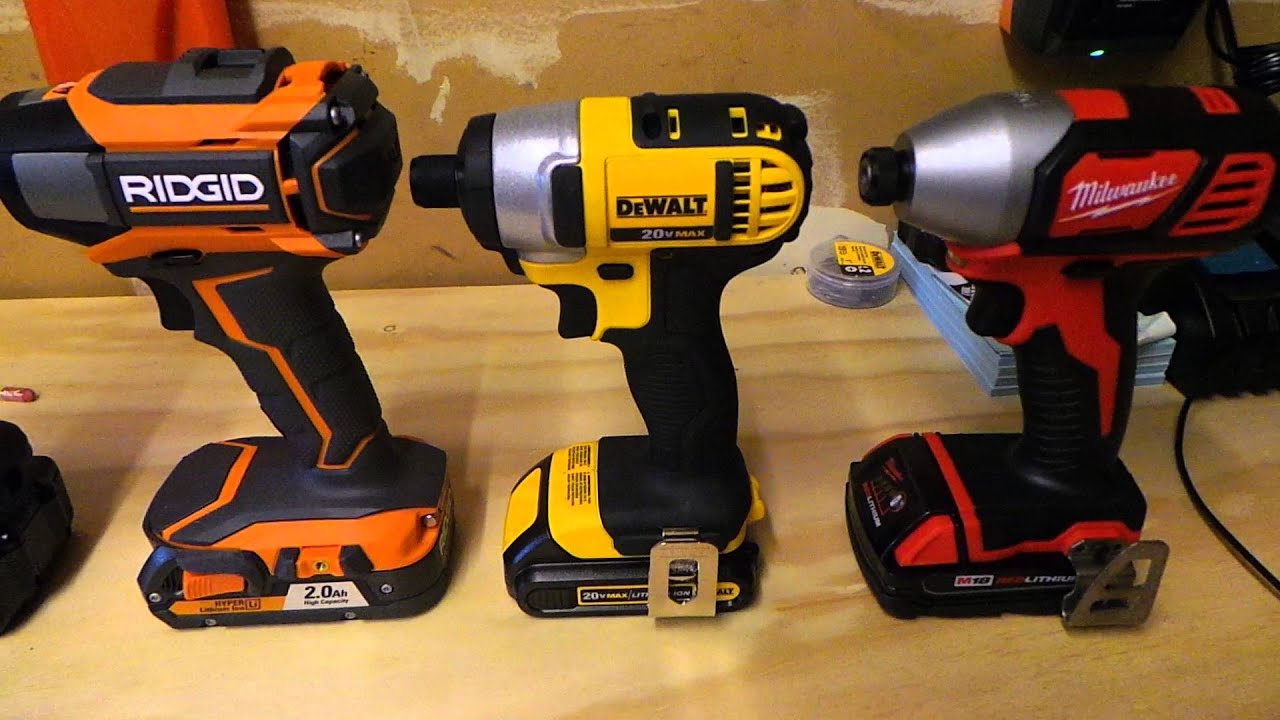
Credit: www.youtube.com
Build Quality And Durability
How well a drill is made affects how long it lasts. Dewalt and Ridgid both use strong materials and smart designs, but there are differences.
Dewalt Build Quality
Dewalt drills are famous for rugged design. Many models use all-metal gears and metal chucks, which help the tool survive drops and heavy work. Dewalt tests its tools for dust and water resistance. Handles are covered in thick rubber, and the balance feels solid in hand.
Dewalt drills often weigh 3.5–4 lbs with battery. They feel sturdy, and parts rarely break under normal use. Professionals trust Dewalt for reliability in harsh conditions.
Ridgid Build Quality
Ridgid drills use high-impact plastic and metal parts in key areas. The grip is unique, with a micro-texture for slip resistance. Ridgid drills are lighter, often 3–3.5 lbs with battery, making them easier for long jobs.
While not as heavy-duty as Dewalt, Ridgid drills can handle most home and light jobsite tasks. Some users report chuck wobble after years, but Ridgid’s Lifetime Service Agreement covers repairs.
One non-obvious insight: Ridgid drills are easier to hold for people with smaller hands, thanks to their slimmer design. Dewalt’s bulkier body can be tiring for some users.
Price And Value
Price is often the deciding factor. Dewalt and Ridgid target different buyers, so their prices reflect that.
Dewalt Pricing
Dewalt drills are in the mid to high price range. A basic Dewalt 20V MAX kit (drill, two batteries, charger, bag) costs $120–$180 USD. High-end models with brushless motors and bigger batteries can be $200–$300 USD.
Dewalt’s price is higher because of durability, performance, and brand reputation. Professionals often pay more for a tool that won’t fail.
Ridgid Pricing
Ridgid drills are more affordable. An 18V Ridgid kit (drill, two batteries, charger, bag) is usually $100–$150 USD. Brushless models are $150–$200 USD. Ridgid offers frequent discounts at Home Depot.
Ridgid gives you good performance for the price, and the Lifetime Service Agreement adds extra value. For beginners or casual users, Ridgid’s lower cost makes it attractive.
Here’s a price comparison:
| Kit Feature | Dewalt 20V MAX | Ridgid 18V |
|---|---|---|
| Basic Kit Price | $120–$180 | $100–$150 |
| Brushless Kit Price | $200–$300 | $150–$200 |
| Warranty Coverage | 3 Years | Lifetime |
Warranty, Customer Service, And Support
A good warranty can save money and stress. Dewalt and Ridgid offer very different coverage.
Dewalt Warranty
Dewalt gives a 3-year limited warranty on most drills. This covers defects in materials and workmanship, but not normal wear or abuse. Dewalt also offers 1-year free service, which covers repairs for defects. Customer service is fast, and repair centers are easy to find.
Ridgid Warranty
Ridgid is famous for its Lifetime Service Agreement. If you register your drill and batteries within 90 days, you get free parts and repairs for life. This covers batteries, chucks, switches, and even wear items. The registration process is online, but you must keep your receipt.
Ridgid’s warranty is the best in the industry. However, some users report slow service or trouble with registration. It’s important to register your tools right after buying.
Non-obvious tip: If you lose your receipt or forget to register Ridgid tools, you don’t get the lifetime coverage. Always keep proof of purchase and register online.
Special Features And Unique Technologies
Both brands add features to make their drills stand out. Let’s look at some special technologies.
Dewalt Special Features
- Brushless motors: Run cooler, use less energy, and last longer.
- FlexVolt batteries: Can switch voltage for different tools.
- All-metal chuck: Holds bits tightly and resists wear.
- Ergonomic design: Reduces strain during long jobs.
- LED work light: Bright and placed under the chuck for better visibility.
- Belt hook: Lets you hang the drill while climbing or moving.
Dewalt’s focus is on performance and pro-level reliability.
Ridgid Special Features
- Micro-clutch settings: Allow fine control when driving screws.
- Hex grip handle: Special rubber texture for comfort and control.
- Lifetime Service Agreement: Unique coverage for tool and batteries.
- Fast charger: Reduces downtime.
- LED light: Helps in low-light conditions.
- Compact size: Easier for small hands and tight spaces.
Ridgid’s focus is on value, ease of use, and warranty.
Real-world Examples And Use Cases
Let’s see how Dewalt and Ridgid perform in real jobs.
Dewalt In Action
Professional contractors often use Dewalt for framing, deck building, and electrical work. For example, a Dewalt 20V MAX drill can drive hundreds of screws into wood framing without overheating. It can also drill through metal studs and concrete with the right bit.
In one test, Dewalt’s brushless drill drove 2-inch screws into treated lumber for over 45 minutes on a single 4Ah battery. The drill stayed cool, and the battery recharged in under 30 minutes.
Ridgid In Action
Homeowners and DIYers use Ridgid for furniture assembly, shelf installation, and small repairs. Ridgid drills handle drywall anchors, cabinet screws, and even light masonry work.
In a user review, a Ridgid 18V drill assembled a full kitchen cabinet set on one battery, and the micro-clutch made it easy to avoid over-driving screws. The drill felt light, and the grip was comfortable for long use.
Non-obvious insight: Ridgid’s micro-clutch is helpful for beginners, preventing screw stripping and damage to soft woods.
Common Buyer Mistakes And How To Avoid Them
Many people make mistakes when choosing between Dewalt and Ridgid. Here are some you should avoid:
- Ignoring warranty registration (Ridgid): If you don’t register Ridgid drills after buying, you lose lifetime coverage.
- Choosing by voltage only: 20V vs 18V sounds big, but real-world power is similar.
- Buying the cheapest model: Low-cost drills may lack key features like brushless motors or metal chucks.
- Not checking battery compatibility: Some older batteries may not fit new models.
- Overlooking ergonomics: A drill that feels too heavy or uncomfortable will cause fatigue.
- Not considering job needs: Dewalt is best for heavy jobs, Ridgid for light and medium tasks.
If you are a beginner, focus on comfort, warranty, and battery compatibility. For professionals, performance and durability are most important.
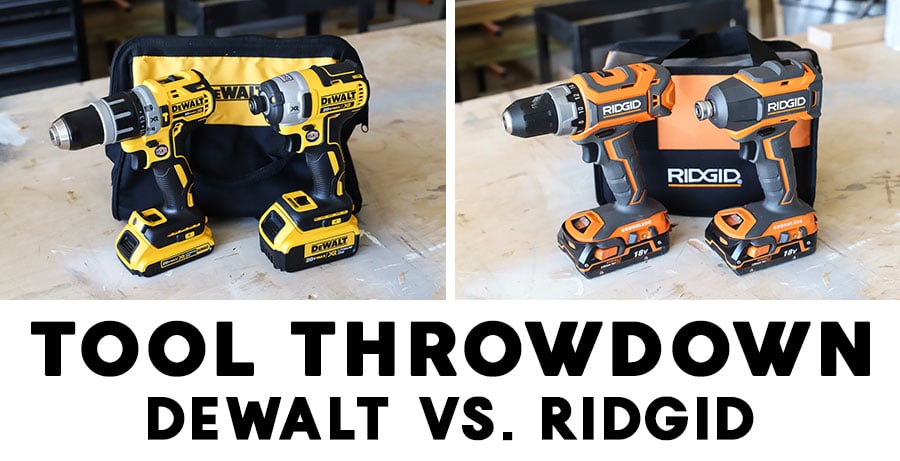
Credit: jenwoodhouse.com
Which Drill Is Right For You?
The choice depends on your needs and budget.
- Choose Dewalt if you want top performance, durability, and are willing to pay more. Dewalt is best for professionals or heavy DIYers.
- Choose Ridgid if you want good value, a lifetime warranty, and comfortable design. Ridgid is great for homeowners, students, and light contractors.
If you plan to grow your tool collection, Dewalt’s 20V MAX platform offers more tool options. If you want the best warranty and easy use, Ridgid is a smart choice.
For more background on tool brands and their history, you can visit the Wikipedia Power Tool page.
Frequently Asked Questions
What Is The Main Difference Between Dewalt And Ridgid Drills?
The main difference is performance and durability. Dewalt drills are stronger, last longer, and are used by professionals. Ridgid drills offer good value and a lifetime warranty, making them popular for home use.
Do Dewalt And Ridgid Batteries Work With Other Tools?
Both brands use a battery platform. Dewalt’s 20V MAX batteries fit many Dewalt tools. Ridgid’s 18V batteries fit most Ridgid tools. They are not cross-compatible between brands.
Is Ridgid’s Lifetime Service Agreement Really Unlimited?
Yes, if you register your tool and battery within 90 days and keep your receipt. Ridgid will repair or replace parts for life. But you must follow the registration rules.
Are Dewalt Drills Worth The Higher Price?
For heavy users, Dewalt drills are worth the price because of their durability, power, and reputation. For casual users, Ridgid gives similar performance for less money.
Can Beginners Use Dewalt Or Ridgid Drills Easily?
Both brands are easy for beginners. Ridgid’s micro-clutch and lighter weight help new users avoid mistakes. Dewalt’s ergonomic design makes it comfortable, but heavier models may be tiring for some.
Choosing between Dewalt and Ridgid drills is not just about specs. It’s about what fits your needs, hands, and budget. Both brands are excellent, but your perfect drill depends on your style of work and what matters most—power, price, or warranty.
Power tools are an investment. Taking the time to understand the differences and features will save you money and frustration in the long run. Now you have the insights to choose confidently, whether you are building a deck, fixing cabinets, or starting your first DIY project.

Credit: www.youtube.com