If you have ever tried to drill holes or drive screws, you might have heard of hammer drills and impact drills. Both are powerful tools, but they serve different purposes. Many beginners wonder which one they really need for their work. Choosing the wrong drill can make a simple job frustrating, or even ruin your materials. Understanding the real differences and best uses for each can save you time, money, and effort.
Let’s look closely at what makes hammer drills and impact drills unique. You’ll learn how each works, where they shine, and which situations call for one or the other. With clear examples, real-life tips, and honest advice, you will be able to pick the right tool for your next project—whether you are a DIY beginner or a seasoned pro.
What Is A Hammer Drill?
A hammer drill is a power tool designed for drilling into hard materials like concrete, brick, or stone. It looks similar to a standard drill but has an extra feature: it moves the bit forward and backward while spinning. This motion is like a hammer tapping the back of the drill bit very quickly, helping the bit break up tough surfaces as it drills.
Most hammer drills allow you to turn the hammer function on or off. This means you can use them as a regular drill for wood or metal, and switch to hammer mode for masonry work. Many models come with variable speed and torque controls to adjust the power for different jobs.
Key Features Of Hammer Drills
- Hammering mechanism: Adds a rapid pulsing action to help drill into hard materials.
- Variable speed: Lets you control drilling speed for different materials.
- Mode selector: Switches between regular drilling and hammer mode.
- Heavier build: Usually larger and heavier than standard drills, due to the hammering parts.
How A Hammer Drill Works
When you activate hammer mode, two metal discs inside the drill rub together. As you press the trigger, these discs push the drill bit forward and backward, creating thousands of tiny hammer blows per minute. This pounding action breaks up hard surfaces so the spinning drill bit can dig in.
For example, when drilling into a concrete wall, a regular drill bit would barely scratch the surface. But with a hammer drill, the bit chips away at the concrete as it turns, making a clean hole much faster.
Typical Uses For Hammer Drills
- Drilling into concrete walls
- Making holes in brick or stone
- Installing wall anchors in masonry
- Drilling into cinder blocks for shelves or TV mounts
It’s important to note that hammer drills are not the best for driving screws or working with wood. The hammering action can damage soft materials, and the tool can be bulky for delicate tasks.
What Is An Impact Drill?
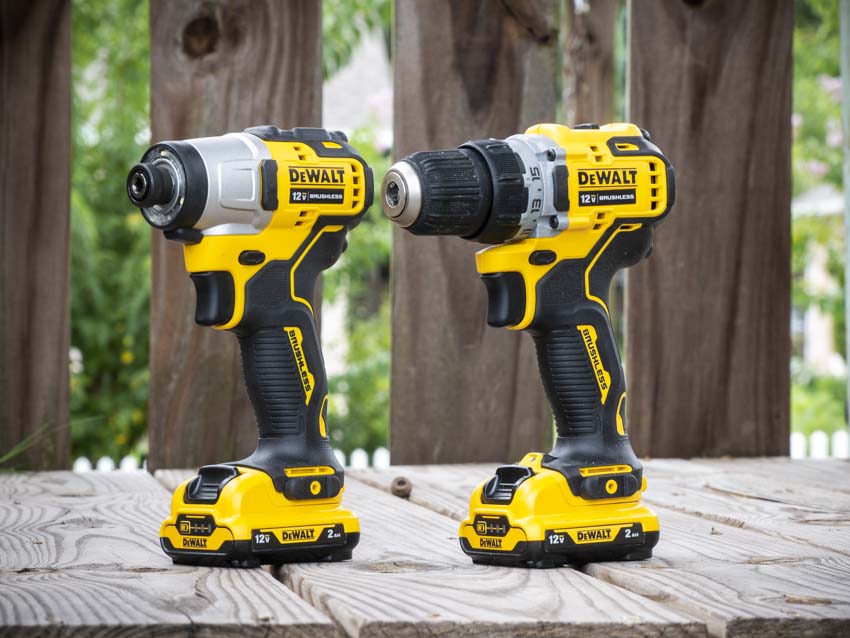
An impact drill, often called an impact driver, is a tool mainly used for driving screws and bolts. While it looks similar to a standard drill, it works differently. Instead of a hammering motion forward and backward, it delivers rapid bursts of rotational force, called torque. This extra force helps drive screws deep into wood, metal, or other materials without stripping the screw head or hurting your wrist.
Impact drills are typically lighter and more compact than hammer drills. They are especially useful for long screws or tough fasteners that a regular drill might struggle with.
Key Features Of Impact Drills
- Rotational impacts: Delivers quick, strong bursts of turning force.
- Compact size: Easier to handle in tight spaces.
- Hex chuck: Uses a quick-release chuck for easy bit changes, usually for 1/4-inch hex bits.
- High torque: Excellent for tough screws and bolts.
How An Impact Drill Works
Inside an impact drill, a spring-loaded mechanism builds up energy and releases it in short, powerful bursts. Instead of a constant rotation, the drill “impacts” or twists quickly. This action gives a lot of turning power without much effort from the user.
For example, if you are driving a long screw into hard wood, a regular drill might slow down or stall. An impact drill senses the resistance and sends a series of fast, forceful twists to keep the screw moving, making the job much easier.
Typical Uses For Impact Drills
- Driving long screws into wood or metal
- Removing stubborn bolts or fasteners
- Building decks or framing structures
- Assembling furniture or cabinets
Impact drills are not ideal for drilling holes, especially in masonry. They can drill small holes in wood or metal with the right bit, but they lack the hammering action needed for concrete or brick.

Credit: q20.co.za
Key Differences Between Hammer Drills And Impact Drills
Many people confuse these two tools because of their similar shapes and names. However, their main differences are in how they work and what they are best at.
Here’s a side-by-side comparison to help you see the differences more clearly:
| Feature | Hammer Drill | Impact Drill |
|---|---|---|
| Main Action | Hammering + spinning | Rotational impact bursts |
| Best For | Drilling into masonry | Driving screws/bolts |
| Chuck Type | Standard (keyless or keyed) | Hex (quick change) |
| Weight | Heavier | Lighter |
| Versatility | Can drill and hammer | Mainly for driving fasteners |
| Noise Level | Louder due to hammer action | High, but different sound |
| Typical Bit Size | Up to 1/2 inch | 1/4 inch hex |
Choosing The Right Tool For Your Project
Many people buy the wrong tool because they don’t think about the jobs they will do most often. Here’s how to decide:
When To Use A Hammer Drill
Choose a hammer drill if you often need to:
- Drill holes in concrete, brick, or stone
- Install anchors or wall plugs in masonry
- Mount heavy items on hard walls
- Work in construction, electrical, or plumbing jobs needing holes in solid materials
A hammer drill is not needed for most home repairs unless you plan to work with hard surfaces regularly.
When To Use An Impact Drill
Go for an impact drill if you:
- Drive a lot of screws or bolts
- Build furniture, decks, or fences
- Assemble cabinets or frames
- Work with wood, metal, or plastic
- Want to avoid stripped screw heads
If you mostly assemble things or do woodworking, an impact drill will save your wrist and make the work faster.
Can You Use One Tool For Both Jobs?
Some people wonder if they can use a hammer drill as an impact driver, or vice versa. In most cases, you should not. While a hammer drill can drive screws, it is usually too heavy and can damage soft materials.
An impact drill can make small holes, but not in masonry, and only with special bits.
If you do a mix of jobs, it may be best to own both tools. Some brands sell combo kits that include both at a lower price than buying separately.
Credit: www.protoolreviews.com
Real-life Examples And Scenarios
Let’s look at a few common situations:
- Hanging a heavy mirror on a brick wall: Use a hammer drill to make holes for wall anchors. An impact drill would not be able to break the brick.
- Building a backyard deck: Use an impact drill to drive large screws and bolts into wood. It makes the job much faster than a regular drill.
- Mounting curtain rods in drywall: A regular drill or impact drill can handle this, but a hammer drill is not needed unless you hit concrete behind the wall.
- Installing shelves in a garage with cinder block walls: Hammer drill is the clear choice.
- Putting together flat-pack furniture: Impact drill is perfect for driving small screws quickly without stripping them.
Special Tip: Use The Right Bit
One mistake beginners make is using the wrong drill bit. Hammer drills need masonry bits for concrete or brick. Impact drills use impact-rated bits that can handle the extra force. Using regular bits in an impact drill can break the bit or strip the screw.
Comparing Hammer Drills And Impact Drills: Performance And Design
Performance matters when you are working on tough jobs. Let’s compare some important aspects:
| Aspect | Hammer Drill | Impact Drill |
|---|---|---|
| Drilling Speed (Masonry) | Fast | Very slow or not possible |
| Drilling Speed (Wood/Metal) | Good (in drill mode) | Acceptable for small holes |
| Screw Driving | Possible, but can slip | Excellent, less cam-out |
| Ease of Use | Heavier, needs both hands | Light, often one-handed |
| Vibration | High, especially in hammer mode | Short, sharp bursts |
| Bit Changes | Slower, twist/lock chuck | Quick, pull/release hex chuck |
| Battery Life (Cordless) | Lower due to power needs | Higher, uses less energy |
Pros And Cons Of Hammer Drills
It helps to know the strengths and limits of each tool. Here are the main pros and cons of hammer drills:
Pros:
- Excellent for drilling into concrete, brick, and stone
- Can be used as a regular drill by turning off hammer mode
- Usually have more power than standard drills
Cons:
- Heavier and larger than regular or impact drills
- Not ideal for driving screws or working with delicate materials
- Can be tiring to use for long periods
Pros And Cons Of Impact Drills
Now, look at the impact drill:
Pros:
- Great for driving screws and bolts quickly
- Compact and easy to handle
- Reduces wrist strain with tough fasteners
- Fast bit changes with hex chuck
Cons:
- Not designed for drilling into masonry
- Limited use for large-diameter drilling
- Only works with 1/4-inch hex bits
Common Mistakes Beginners Make
- Using a hammer drill for all tasks: Many people try to use a hammer drill as their only tool. This can damage wood, strip screws, or make jobs harder than they need to be.
- Using the wrong bits: Failing to use masonry bits in a hammer drill or impact-rated bits in an impact driver can lead to broken bits or damaged tools.
- Ignoring torque settings: Not adjusting the torque or speed can strip screws or burn out bits.
- Over-tightening fasteners: The power of an impact driver can easily over-tighten or break screws if you are not careful.
- Not wearing safety gear: Both tools are loud and produce vibration. Always wear ear and eye protection.
- Drilling into unknown walls: Always check for wires or pipes before drilling, especially in masonry.
Advanced Insights: Things Most Beginners Miss
- Heat build-up: Hammer drills can get very hot when drilling into concrete. Taking breaks helps prevent overheating and extends tool life.
- Battery choice: For cordless models, battery size (measured in amp-hours, Ah) affects run time. Hammer drills need larger batteries for heavy work, while impact drivers can run longer on smaller ones.
- Depth stops: Many hammer drills have a depth stop rod. This helps you drill holes to the right depth, especially for wall anchors. Not using it can lead to uneven or too-deep holes.
- Bit lubrication: When drilling into metal, use a bit of oil to cool the bit and make the job easier. This is not needed for masonry or wood.
Price And Value: What To Expect
Prices can vary a lot depending on brand, power, and features. Generally:
- Hammer drills cost more than regular drills, and sometimes more than impact drivers, especially for heavy-duty models.
- Impact drills are usually less expensive, but prices go up for brushless motors or extra features.
A good hammer drill can range from $70 to $200, while most impact drivers cost between $50 and $150. Combo kits with both tools often offer the best value.
If you are a homeowner who does a lot of repairs and assembly, an impact driver is likely the best first purchase. For those working with masonry or doing renovations, a hammer drill is essential.
Maintenance And Care
Taking care of your tools keeps them running longer and safer.
- Clean regularly: Dust and debris can build up, especially in hammer drills after drilling concrete.
- Check bits: Replace worn or damaged bits. Dull bits make the motor work harder.
- Store properly: Keep tools dry and batteries charged (for cordless models).
- Lubricate moving parts: Some hammer drills need oil in the hammer mechanism. Check the manual.
- Inspect chucks: Make sure the chuck holds bits tightly and is not worn out.
Corded Vs Cordless: Which Is Better?
Both types are available in corded (plug-in) and cordless (battery) versions.
- Corded tools give unlimited power and are usually cheaper for the same performance. Best for long jobs without access to power outlets.
- Cordless tools offer more freedom and are now very powerful with modern lithium batteries. Great for quick jobs, outdoor use, or places without easy access to power.
For most DIY users, cordless models are more convenient. However, if you drill into concrete often, a corded hammer drill may be a better choice for the extra power.
Environmental And Safety Considerations
Both hammer and impact drills can be noisy and produce dust or debris. Always:
- Use ear protection and safety glasses
- Wear a dust mask when drilling masonry
- Work in a well-ventilated area
- Keep the workspace tidy to avoid accidents
Dispose of old batteries properly, as they can be harmful to the environment. Many hardware stores offer recycling for tool batteries.
Latest Trends And Technology
Tool technology changes fast. Here are some trends:
- Brushless motors: Last longer, run cooler, and give more power. Found in many new models.
- Smart features: Some drills have Bluetooth tracking, speed controls, or auto-stop features.
- Interchangeable batteries: Many brands offer batteries that work across several tools, saving money.
- LED lights: Built-in lights help you see the work area, especially in dark corners.
If you are buying new, look for these features for better performance and value.
Real-world Feedback: What Users Say
People who use both tools often say:
- “I thought I needed a hammer drill for everything, but the impact driver became my favorite tool for building furniture.”
- “Drilling into concrete without a hammer drill was almost impossible. Once I switched, jobs took half the time.”
- “Impact drivers are loud, but they save your wrist from twisting or hurting after a long day of driving screws.”
Checking user reviews before buying can help you find the right balance of power, weight, and features for your needs.

Credit: www.youtube.com
Frequently Asked Questions
What Is The Main Difference Between A Hammer Drill And An Impact Drill?
The main difference is the type of force they use. A hammer drill combines spinning with a forward hammering motion, making it perfect for drilling into hard materials like concrete or brick. An impact drill uses strong, rapid bursts of rotational force to drive screws or bolts, making it ideal for assembly and construction work.
Can I Use A Hammer Drill As An Impact Driver?
You can use a hammer drill to drive screws, but it is not as efficient or safe as an impact driver. The hammer action can strip screws or damage softer materials. Impact drivers are designed for screw-driving and will do the job faster with less risk of damage.
Do I Need Both A Hammer Drill And An Impact Drill?
If you often do projects involving masonry and also drive lots of screws, owning both is best. Many professionals and serious DIYers keep both on hand. For most homeowners, an impact driver covers most tasks unless you need to drill into concrete or brick.
What Kind Of Bits Should I Use With Each Tool?
For a hammer drill, use masonry bits when drilling into stone, brick, or concrete. For an impact drill, use impact-rated bits (usually with a hex shank) for driving screws or bolts. Using the wrong bit can damage the tool or the material.
How Do I Know Which Tool To Buy For My First Project?
Think about what materials you will work with. If you are building furniture or decks, an impact drill is best. If you need to hang heavy items on a brick or concrete wall, choose a hammer drill. For most household tasks, an impact drill is more versatile.
For more in-depth technical details, you can visit Wikipedia.
No matter which tool you choose, understanding the differences between a hammer drill and an impact drill will help you work smarter and get better results. With the right knowledge and tool, your next project will be safer, faster, and more enjoyable.