Makita Vs Milwaukee Hammer Drill: In-depth Comparison For 2024
Every serious DIYer or professional contractor knows the importance of a reliable hammer drill. These tools are the backbone of tough jobs like drilling into concrete, brick, and hard masonry. Among the many brands, Makita and Milwaukee stand out. Both are trusted names with decades of innovation, engineering, and user trust. But when you need to choose one, which is the better investment—Makita or Milwaukee?
This article will break down every aspect you need to know. You’ll see real performance data, user experiences, and non-obvious tips that can help you avoid common mistakes. By the end, you’ll have the confidence to choose the right hammer drill for your needs, whether you want unmatched power, battery life, or the best value for your money.
Understanding Hammer Drills
Before comparing Makita and Milwaukee, it’s helpful to understand what a hammer drill is and why it’s different from a regular drill.
A hammer drill combines rotary drilling with a rapid hammering action. As the bit spins, it also moves in and out, chipping away at hard materials. This makes it ideal for:
- Drilling holes in concrete, stone, or brick
- Anchoring bolts in masonry
- Chiseling small sections of hard material
Regular drills struggle with these tasks, often overheating or stalling. Hammer drills are built to handle the vibration, dust, and stress of tough jobs.
Brand Overview: Makita And Milwaukee
Both Makita and Milwaukee have long histories, but their focus and design philosophy are different.
Makita
Founded in 1915 in Japan, Makita is known for precision engineering, durability, and a huge range of cordless tools. Many professionals trust Makita for their build quality and ergonomic designs. Their tools often have a “softer” start, lower vibration, and a reputation for lasting many years.
Milwaukee
Starting in 1924 in the USA, Milwaukee is famous for innovation and raw power. The brand’s “Nothing but Heavy Duty” motto shows their focus on performance. Milwaukee tools are often heavier but offer high torque, advanced electronics, and features that appeal to heavy users. Their M18 and M12 battery lines are among the most recognized in the industry.

Credit: www.youtube.com
Key Factors In Choosing A Hammer Drill
When comparing Makita and Milwaukee hammer drills, it’s important to focus on what actually matters in real use. Many first-time buyers make the mistake of looking only at price or max speed. Here are the main factors you should consider:
- Power and Performance: How well does it drill through tough materials?
- Battery and Runtime: How long can you work before recharging?
- Ergonomics and Comfort: Is it comfortable to hold and control?
- Durability and Build Quality: Will it last under heavy use?
- Features and Technology: Does it have useful extras?
- Price and Value: Is it worth the investment?
Let’s look at each of these in detail.
Power And Performance
When it comes to drilling hard materials, raw power matters. But the way this power is delivered can change the user experience dramatically.
Makita Hammer Drill Performance
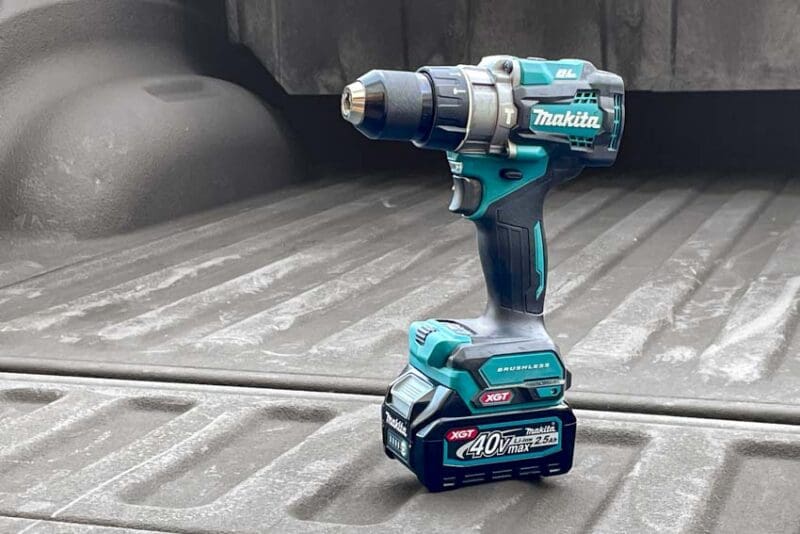
Makita hammer drills are known for smooth operation and consistent torque. Their motor technology focuses on efficiency and control. For example, the Makita XPH07Z, one of their top cordless hammer drills, delivers up to 1,090 in-lbs of max torque and 31,500 blows per minute (BPM).
Users often notice that Makita drills don’t “kick” as much when starting a hole. This is due to good electronic control and a well-balanced motor.
Milwaukee Hammer Drill Performance
Milwaukee, on the other hand, is famous for raw power. The Milwaukee M18 Fuel 2804-20 boasts a maximum torque of 1,200 in-lbs and 32,000 BPM. It’s often a bit heavier, but the extra weight helps with stability during tough drilling.
Milwaukee’s “REDLINK PLUS” intelligence system also helps prevent overheating and overloading, so the drill keeps performing even under stress.
Direct Performance Comparison
Here’s a quick comparison of two popular models:
| Feature | Makita XPH07Z | Milwaukee M18 Fuel 2804-20 |
|---|---|---|
| Max Torque (in-lbs) | 1,090 | 1,200 |
| Max BPM | 31,500 | 32,000 |
| No-Load Speed (RPM) | 0-2,100 | 0-2,000 |
| Weight (with battery) | 5.9 lbs | 5.0 lbs |
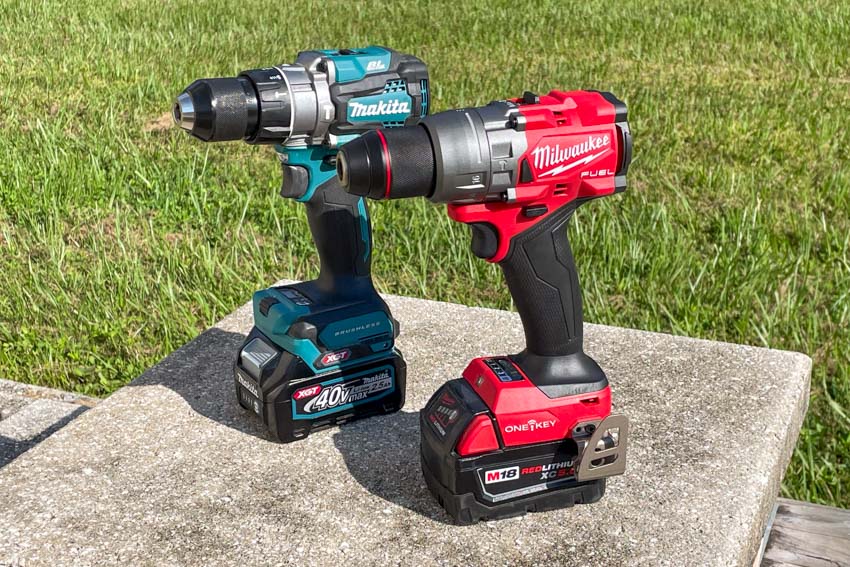
Insight: While Milwaukee often wins on raw power, Makita balances torque with smoother operation. If you drill into very hard materials regularly, Milwaukee may give you a faster experience, but Makita offers more refined control, especially for smaller holes.
Credit: www.protoolreviews.com
Battery Life And Runtime
Cordless hammer drills live or die by their battery systems. This is an area where both brands invest heavily.
Makita Battery System
Makita’s 18V LXT battery platform is known for its long life and fast charging. Their batteries use “Star Protection” to communicate with tools for optimal charging and prevent overheating.
A Makita 5. 0Ah battery can last through dozens of holes in concrete on a single charge, and charges to full in about 45 minutes.
Milwaukee Battery System
Milwaukee’s M18 REDLITHIUM batteries are famous for cold-weather performance and long life. They offer high capacity (up to 12.0Ah in some models) and smart management to avoid damage.
A Milwaukee 5. 0Ah battery delivers similar runtime to Makita, but their high-capacity packs can go much longer—sometimes double the runtime—if you’re willing to carry the extra weight.
Battery Comparison Table
| Brand | Standard Battery Capacity | Charge Time | High-Capacity Option | Unique Feature |
|---|---|---|---|---|
| Makita | 5.0Ah | 45 mins | 6.0Ah | Star Protection |
| Milwaukee | 5.0Ah | 60 mins | 12.0Ah | REDLINK PLUS |
Non-obvious insight: Many users buy extra batteries but forget to check charger speed. Makita’s rapid charger often gets you back to work 25% faster than Milwaukee’s standard charger.
Ergonomics And User Comfort
Drilling into concrete is tiring. The right balance, grip, and vibration control make a huge difference, especially on long jobs.
Makita Ergonomics
Makita drills are often praised for being well-balanced with a comfortable grip. The handle design fits small and large hands, and the trigger is easy to control. Many Makita hammer drills have a rubberized grip that reduces slipping even with sweaty or gloved hands.
Vibration control is another area Makita excels in. Their anti-vibration technology (AVT) and soft start features help reduce hand fatigue.
Milwaukee Ergonomics
Milwaukee tools tend to be a bit bulkier, but their handles are shaped for a firm grip. The extra weight can help absorb vibration, but some users find them heavier during overhead drilling.
Milwaukee often includes an auxiliary handle for better control, which is useful when drilling large holes or working at odd angles.
Practical tip: If you drill above your head or for extended periods, Makita’s lighter weight and better vibration control can reduce fatigue. For heavy-duty, ground-level work, Milwaukee’s extra heft and stability are an advantage.
Durability And Build Quality
A hammer drill is an investment. It needs to survive dust, drops, and hard use.
Makita Durability
Makita uses all-metal gears and high-quality plastics. Their drills are sealed against dust and moisture better than most competitors. Many users report their Makita drills lasting over 10 years with basic care.
Milwaukee Durability
Milwaukee is famous for tough builds. Their hammer drills feature metal chucks, reinforced cases, and advanced electronics protected from overload. They’re often the choice for users who work in extreme conditions—cold, wet, or dirty.
Example: Some Milwaukee users have shared stories of their drills surviving drops from ladders, or working after being accidentally left in the rain.
Non-obvious insight: If you work in environments with a lot of dust (like masonry or tile work), both brands hold up well, but Milwaukee’s electronics are slightly more protected due to their REDLINK system.
Features And Technology
Both brands pack in features, but their focus is different.
Makita Features
- Brushless motors: Less friction, longer life, more power.
- AVT (Anti-Vibration Technology): Reduces hand shock.
- Multiple speed settings: For different materials.
- LED lights: Bright, focused, and often dual-positioned for better visibility.
- Star Protection: Prevents battery and tool overheating.
Milwaukee Features
- REDLINK PLUS Intelligence: Protects against overloading and overheating.
- ONE-KEY™ system: Allows for tool tracking, customization, and even remote lockout via smartphone app (on select models).
- All-metal gear case: For maximum durability.
- Multi-position side handle: For control in tough drilling.
Non-obvious insight: Milwaukee’s ONE-KEY feature is a game-changer for large crews or companies that need to track tools. However, for solo users or small businesses, it may be more feature than you need.
Price And Value
Both brands are premium, but there are differences in pricing and what you get for your money.
Makita Price And Value
Makita tools are usually a bit less expensive than Milwaukee for similar specs. For example, the Makita XPH07Z hammer drill (tool only) is often $20–$40 cheaper than Milwaukee’s M18 Fuel equivalent. Kits (with batteries and charger) are closer in price.
Makita’s value is strongest if you already own other Makita tools, as their batteries are interchangeable.
Milwaukee Price And Value
Milwaukee is usually the priciest option. Their kits often include features like the ONE-KEY system and higher-capacity batteries, which justifies the higher price for many professionals.
Milwaukee’s batteries also fit a larger variety of tools, from drills to saws, making it a good investment if you plan to expand your tool collection.
Practical tip: Don’t just compare the upfront price. Consider the cost of extra batteries, chargers, and whether you’ll use advanced features like ONE-KEY.
Real-world User Experiences
Numbers and specs are important, but real-world experience is where the differences become clear.
Professional Contractors
Many contractors who need maximum power for drilling lots of holes in concrete prefer Milwaukee for its torque and runtime with high-capacity batteries. Some even say, “It’s like a corded tool without the cord. ”
However, others choose Makita for their lighter weight, lower vibration, and reliability, especially for smaller crews or jobs where control matters more than raw power.
Diyers And Homeowners
DIYers often favor Makita for its combination of price, comfort, and ease of use. Many report their Makita drills lasting for years with only basic maintenance.
Homeowners who already own Milwaukee M18 tools may choose Milwaukee for battery compatibility, but they often mention the weight as a downside for simple tasks.
Non-obvious insight: Some users find Milwaukee’s higher torque can actually make it harder to control in delicate jobs, leading to stripped screws or overdrilled holes. Makita’s smoother power curve makes it easier for beginners to avoid mistakes.
Common Mistakes When Choosing
- Ignoring battery compatibility: Mixing brands means buying new batteries and chargers.
- Choosing power over control: More torque isn’t always better for every job.
- Forgetting about weight: Heavier drills tire your arm faster, especially above your head.
- Not considering warranty and support: Both brands offer 3-5 year warranties, but local support can vary.
- Overlooking included accessories: Some kits come with extra handles, bits, or cases that add value.
Pro tip: Always check which accessories are in the box. Paying a bit more for a kit with extra batteries or a rapid charger can save you money and hassle.
Which Brand Should You Choose?
There’s no single answer. The best hammer drill depends on your needs:
- Choose Makita if: You want a lighter, smoother, and slightly more affordable tool. Ideal for longer jobs, overhead drilling, and users who value comfort.
- Choose Milwaukee if: You need maximum power, longest runtime, and robust electronics. Best for professionals, heavy-duty jobs, and those who already use Milwaukee tools.
Summary Table: Makita Vs Milwaukee Hammer Drill
Here’s a quick side-by-side to help you decide:
| Category | Makita | Milwaukee |
|---|---|---|
| Power | High, smooth delivery | Very high, raw torque |
| Battery Life | Excellent, quick charge | Excellent, big packs available |
| Ergonomics | Lighter, less vibration | Heavier, more stable |
| Durability | Great, dust-sealed | Outstanding, metal construction |
| Features | AVT, brushless, LED | REDLINK, ONE-KEY, metal gears |
| Price | Mid-high, good value | High, feature-rich kits |
Practical Buying Advice
- Try before you buy: If possible, hold both drills in a store. See which feels better in your hand.
- Think about your most common tasks: If you mostly drill small holes or use the tool for long periods, Makita may fit better. For heavy-duty jobs, Milwaukee stands out.
- Look for deals on kits: Sometimes, a kit with extra batteries or a bag is only slightly more expensive than the tool alone.
- Don’t be afraid to mix brands for special tasks: Some professionals own both brands and use them for different jobs.
For more technical details and user reviews, you can check the official websites or trusted sources like Pro Tool Reviews.
Credit: www.protoolreviews.com
Frequently Asked Questions
What Is The Main Difference Between Makita And Milwaukee Hammer Drills?
The main difference is in power delivery and features. Milwaukee often has higher raw torque and advanced electronics (like ONE-KEY), while Makita focuses on smoother control, lower vibration, and lighter weight.
Which Brand’s Batteries Last Longer?
Both offer excellent battery life, but Milwaukee’s high-capacity packs (up to 12.0Ah) can last much longer on a single charge. Makita’s batteries charge faster, which can reduce downtime.
Are Makita And Milwaukee Hammer Drills Good For Concrete?
Yes, both are excellent for concrete. Milwaukee may drill slightly faster in very hard materials due to higher torque, but Makita is easier to control and causes less hand fatigue.
Can I Use Batteries From Other Brands?
No, Makita and Milwaukee batteries are not interchangeable. Each uses its own design and electronics. Always use the matching battery for your tool.
What Is The Warranty On Makita And Milwaukee Hammer Drills?
Both brands typically offer a 3-year warranty on tools and batteries, with some Milwaukee kits offering up to 5 years. Check the product details and register your tool for full coverage.
Makita and Milwaukee both offer exceptional hammer drills. Choosing the right one depends on your work style, budget, and what feels best in your hand. Remember, a great tool is an investment, and with either brand, you’ll be well equipped for tough jobs ahead.