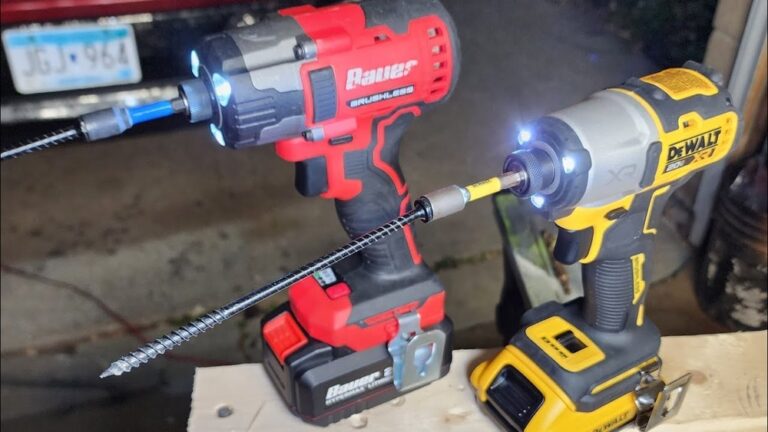
Choosing the right cordless drill can make a big difference in your work, whether you are a professional, a hobbyist, or a homeowner with frequent DIY tasks. Among the many brands in the market, two names always come up: Milwaukee and DeWalt. Both are known for their quality, innovative features, and loyal customer base. If you’re trying to decide between the Milwaukee M18 Drill and a DeWalt drill, you are not alone. This in-depth comparison will help you understand the differences, strengths, and weaknesses of both tools, so you can make an informed choice.
This article will cover 18 critical factors you must consider when comparing the Milwaukee M18 and DeWalt drills. We will look at power, battery life, ergonomics, weight, durability, and many more. If you want the best value for your money and a tool that fits your needs, keep reading. By the end, you’ll know exactly which drill is right for you.
1. Power And Performance
Power is one of the most important features in any cordless drill. The Milwaukee M18 and DeWalt models are both designed to deliver high torque and speed for tough jobs.
The Milwaukee M18 often comes with a brushless motor that can produce up to 1,200 inch-pounds of torque and speeds up to 2,000 RPM. This is enough for drilling into wood, metal, and even masonry.
The DeWalt 20V MAX drill, a popular comparison to the M18, produces a similar range of torque, usually around 1,050–1,200 inch-pounds, and speeds up to 2,000 RPM as well. However, some users feel that the Milwaukee maintains consistent power under heavy load better than its DeWalt counterpart.
Non-obvious insight: While the numbers are close, the Milwaukee’s REDLINK PLUS™ intelligence helps protect the tool from overload, giving you smoother, more reliable power during tough tasks.
2. Battery System And Runtime
Both Milwaukee and DeWalt use lithium-ion battery systems, but there are key differences.
The Milwaukee M18 uses an 18-volt system, but the capacity can go up to 12.0Ah (amp-hours) with their High Output batteries. These batteries often last longer, especially during heavy-duty work.
DeWalt uses a 20-volt MAX system (nominal voltage is 18V, similar to Milwaukee), with batteries up to 12.0Ah as well. However, DeWalt’s FlexVolt batteries can switch between 20V and 60V, making them more versatile if you own other FlexVolt tools.
Practical tip: Milwaukee’s batteries are backward compatible with older M18 tools. DeWalt’s FlexVolt batteries are forward and backward compatible with 20V and 60V tools, but the tool must support FlexVolt.
3. Ergonomics And Comfort
A tool that feels good in your hand allows you to work longer with less fatigue.
The Milwaukee M18 is known for its slightly chunkier grip, which some users with larger hands find comfortable. However, others feel it’s a bit heavy after long use.
The DeWalt drill usually has a more streamlined handle, with rubber overmold that fits nicely in most hands. It is generally considered more balanced, especially for overhead work.
Non-obvious insight: The DeWalt grip angle is designed to put less stress on your wrist, which can make a noticeable difference during extended use.
4. Build Quality And Durability
When you invest in a cordless drill, you want it to last.
The Milwaukee M18 series is built with a sturdy, impact-resistant housing. The internals are protected with all-metal gear cases and metal chucks. Many users report their Milwaukee tools surviving years of jobsite abuse.
DeWalt is also famous for rugged tools. Their drills use a composite plastic and metal design that holds up well, though some entry-level models use more plastic, which may not be as durable as Milwaukee’s all-metal approach.
Pro tip: If your work involves frequent drops or tough environments, Milwaukee’s extra rugged build can be a small but significant advantage.
5. Weight And Size
Weight matters, especially if you use the drill for long periods or in tight spaces.
The Milwaukee M18 drills typically weigh between 3.5 and 4.5 pounds with the battery. They are compact, but usually a bit heavier than DeWalt’s comparable models.
DeWalt drills are known for being lightweight. Many models come in at around 3.4 pounds with the battery, and are slightly shorter in length. This makes them easier to maneuver in small spaces.
Real-world example: If you’re installing cabinets or working overhead, the lighter DeWalt may reduce fatigue.
6. Speed And Control Settings
Having more control over speed and torque is essential for different applications.
The Milwaukee M18 drill usually provides two speed settings, with a variable speed trigger. It also includes up to 24 clutch positions, allowing for fine control when driving screws.
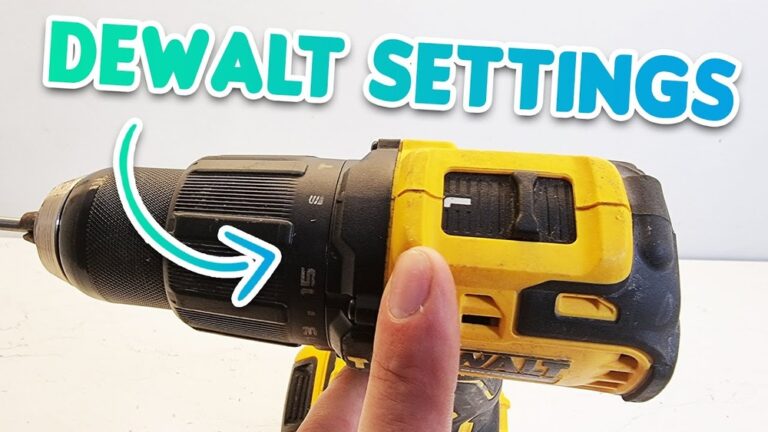
The DeWalt drill also features two speed settings and a variable speed trigger, but typically offers 15 clutch settings. This is still plenty for most users, but Milwaukee’s extra clutch options can help prevent stripping screws in delicate materials.
Practical tip: If you regularly work with softwoods or drywall, more clutch settings are a real advantage.
7. Chuck Quality And Size
The chuck is the part that holds your drill bit. Quality matters for grip and longevity.
Most Milwaukee M18 drills use a ½-inch all-metal ratcheting chuck. This ensures a tight grip on bits, even under heavy torque.
DeWalt also offers a ½-inch ratcheting chuck in most models, but the material may be plastic with a metal sleeve in less expensive versions.
Non-obvious insight: A full metal chuck, like on the Milwaukee, reduces wear over time, especially if you change bits often.
8. Led Light Features
Good lighting helps you work accurately in dark spaces.
The Milwaukee M18 includes a built-in LED work light at the base or above the trigger, depending on the model. Some have a delay function, keeping the light on after you release the trigger.
DeWalt drills also feature a bright LED, often with a 20-second trigger release delay for added convenience.
Pro tip: Milwaukee’s premium models sometimes include a three-mode LED, letting you adjust brightness for the task.
9. Warranty And Service Support
A strong warranty gives peace of mind.
The Milwaukee M18 comes with a 5-year limited warranty on the tool and a 2-year warranty on the battery. Milwaukee’s service centers are widely available in North America.
DeWalt offers a 3-year limited warranty, with 1 year of free service and a 90-day money-back guarantee. Their service network is also extensive.
Non-obvious insight: Milwaukee’s longer tool warranty is a significant advantage, especially for professional users who put their tools through heavy use.
10. Price And Value For Money
Cost is always a factor, but so is value.
The Milwaukee M18 kit (drill, charger, two batteries) often retails for $180–$250, depending on the battery size and features.
A comparable DeWalt kit usually costs $150–$220. Entry-level DeWalt kits are sometimes even cheaper, but may include smaller batteries or less powerful motors.
Key insight: Milwaukee is typically more expensive, but the higher price often reflects more robust build quality and longer warranty. DeWalt offers better value for DIYers or those on a tight budget.
11. Accessory Compatibility
The ability to use different accessories can save money and increase flexibility.
The Milwaukee M18 system includes more than 200 compatible tools and accessories, from saws to lights and vacuums. This makes Milwaukee a great platform for expanding your collection.
DeWalt’s 20V MAX and FlexVolt lines also feature a huge ecosystem—over 180 tools. The FlexVolt batteries work with both 20V and 60V tools, adding extra versatility.
Non-obvious insight: Milwaukee’s M18 batteries cannot be used in their older tools (like M12), while DeWalt’s FlexVolt batteries can power both 20V and 60V tools.
12. Brushless Vs. Brushed Motor
Motor type affects performance, efficiency, and life span.
Many Milwaukee M18 drills use brushless motors, which are more efficient, run cooler, and last longer than brushed motors. They also provide more power and longer runtime on a single charge.
DeWalt also offers brushless motors in most mid- and high-end models. However, some budget DeWalt drills still use brushed motors, which are less efficient and wear out faster.
Practical tip: Always check if the model you’re buying is brushless, especially for heavy or professional use.

Credit: toolguyd.com
13. Speed Of Charging
How quickly you can recharge is important, especially for pros.
The Milwaukee M18 charger can fully recharge a 5.0Ah battery in about 60 minutes. Their Rapid Charger can cut this time down by 30%.
DeWalt’s standard charger also takes about 60 minutes for a 5.0Ah battery. Their Fast Charger (with FlexVolt) is even quicker, fully charging in about 45 minutes.
Non-obvious insight: If you need to keep working all day, DeWalt’s Fast Charger can be a small but meaningful advantage.
14. Noise And Vibration
Comfort is not just about weight—noise and vibration matter too.
The Milwaukee M18 is often a bit quieter and smoother, due to better internal balancing and brushless motor technology.
DeWalt drills can be a bit louder, especially the brushed models, and may have slightly more vibration during high-torque applications.
Practical tip: If you work in noise-sensitive areas or want less hand fatigue, Milwaukee may be more comfortable.
15. Included Kit Features
What comes in the box can affect total value.
Most Milwaukee M18 kits include the drill, two batteries, a charger, and a sturdy carrying case or contractor bag.
DeWalt kits usually offer similar contents, but sometimes only include one battery in their entry-level kits, or a soft bag instead of a hard case.
Key insight: Always check the kit details—two batteries can make a big difference in workflow.
16. Brand Reputation And User Loyalty
Brand trust influences satisfaction and resale value.
Milwaukee is known for professional-grade tools and has a strong following among contractors and tradespeople. Many users stay loyal due to reliability and the wide M18 platform.
DeWalt is also highly respected and tends to be more popular with homeowners, DIYers, and light professionals. Their tools are widely available and easy to service.
Real-world insight: Milwaukee’s fan base tends to be very brand loyal, while DeWalt is often chosen for its balance of price and performance.
17. Special Features And Smart Technology
Advanced features can set a tool apart.
The Milwaukee M18 Fuel series includes REDLINK PLUS™ intelligence, which monitors the tool, battery, and charger for optimal performance and protection. Some models also offer ONE-KEY™ technology for tool tracking and customization via smartphone.
DeWalt offers Tool Connect™ in select models, enabling Bluetooth tracking and customization as well. However, this is less common in DeWalt’s standard 20V MAX line.
Non-obvious insight: Milwaukee leads in smart features; if you want digital customization, their ONE-KEY models are the clear choice.
18. Availability And Aftermarket Support
How easy is it to buy, repair, or upgrade your drill?
Milwaukee tools are widely available at home improvement stores, specialty tool shops, and online. Replacement parts and accessories are generally easy to find, though sometimes at a premium price.
DeWalt has the advantage of being even more widely distributed. You can find DeWalt tools and parts almost anywhere, from big box stores to small hardware shops. Their parts are usually easier to source and often less expensive.
Pro tip: If you live in a rural area or outside North America, DeWalt’s global presence may make it the more practical choice.
Hands-on Comparison: Milwaukee M18 Vs Dewalt 20v Max
To give you a clearer sense of the key specs, here’s a side-by-side look at the most popular models from each brand:
| Feature | Milwaukee M18 Fuel | DeWalt 20V MAX XR |
|---|---|---|
| Max Torque | 1,200 in-lbs | 1,050 in-lbs |
| Speed (RPM) | 0-2,000 | 0-2,000 |
| Motor Type | Brushless | Brushless |
| Battery Voltage | 18V (nominal) | 20V MAX (18V nominal) |
| Weight (with battery) | 4.2 lbs | 3.5 lbs |
| Warranty | 5 years | 3 years |
User Experience And Field Feedback
Hearing from real users can clarify the differences you might feel in actual work.
Many professionals prefer the Milwaukee M18 for heavy-duty construction, reporting fewer overheating problems and longer tool life under daily abuse. Milwaukee’s high torque shines when drilling large holes or using long screws.
DIYers and casual users often lean toward DeWalt for its lighter weight and slightly lower price. The DeWalt’s compact size is appreciated during overhead tasks or in tight corners.
Case example: A cabinet installer found the Milwaukee M18 more powerful for lag screws, but switched to DeWalt for all-day overhead drilling due to the lighter weight.
Key Considerations Before You Buy
When making your choice, keep these practical factors in mind:
- Type of work: If you need maximum power for tough jobs, Milwaukee is usually the better bet.
- Budget: DeWalt offers more affordable kits with good performance.
- Tool platform: If you already own Milwaukee or DeWalt tools, sticking with the same battery system saves money.
- Warranty preference: Milwaukee’s longer warranty is an advantage for pros.
- Special features: If you want smart tool controls, Milwaukee’s ONE-KEY system is the leader.
Practical Scenarios: Which One To Choose?
For Heavy-duty Construction
The Milwaukee M18 is the top pick for rough environments, commercial construction, or repeated high-torque tasks.
For Homeowners And Light Diy
The DeWalt 20V MAX provides great value, lighter weight, and is widely available.
For Expanding Tool Collections
Both brands offer broad ecosystems, but Milwaukee’s M18 family is slightly larger for heavy-duty users, while DeWalt’s FlexVolt offers more voltage flexibility.
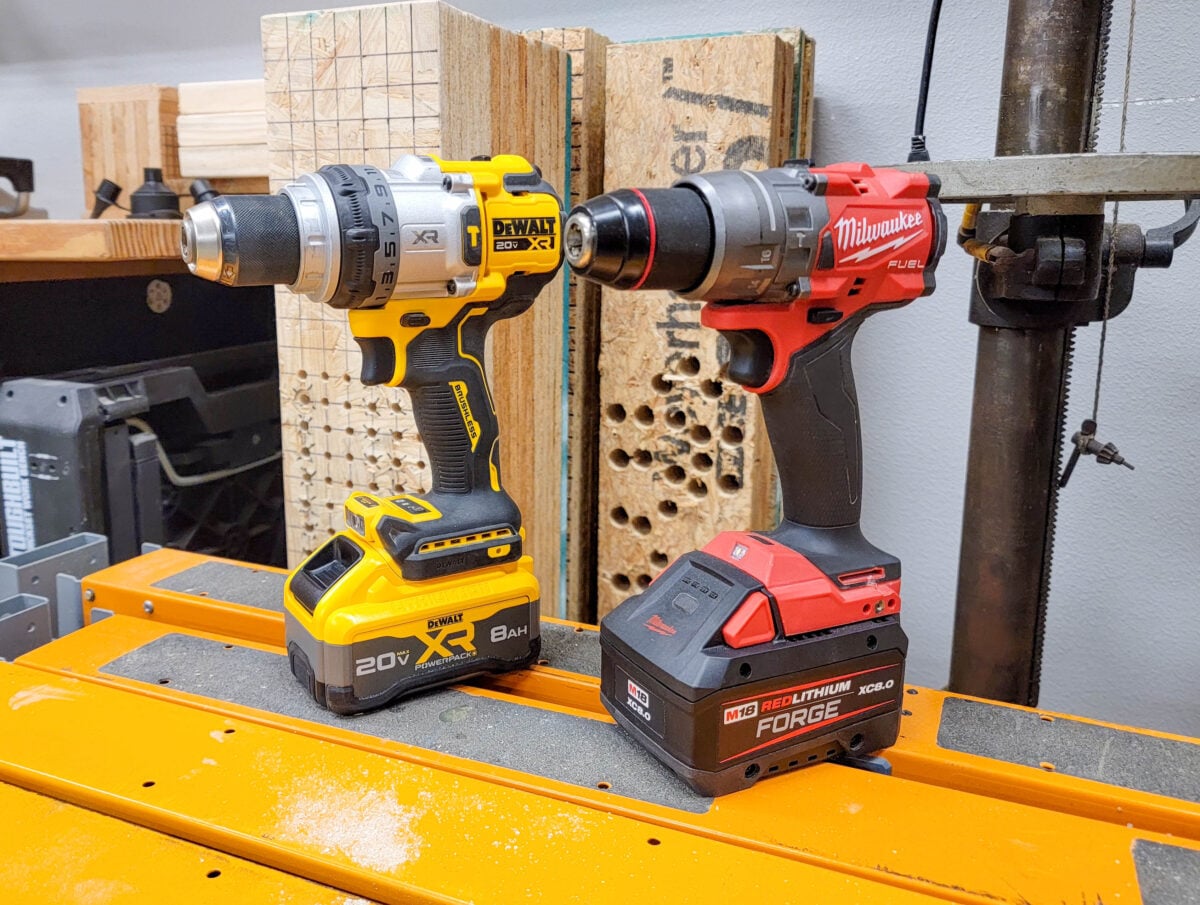
Credit: www.protoolreviews.com
Cost Of Ownership Over Time
It’s smart to think beyond the sticker price.
| Cost Factor | Milwaukee M18 | DeWalt 20V MAX |
|---|---|---|
| Initial Kit Price | $$–$$$ | $–$$ |
| Battery Replacement | $$ | $$ |
| Accessory Expansion | $$ | $$ |
| Resale Value | High | Moderate |
Insight: Milwaukee tools tend to hold their value longer, especially with professionals, due to their robust build and longer warranty.
Environmental And Safety Aspects
Both brands comply with safety and environmental standards in North America and Europe. Milwaukee and DeWalt also offer recycling programs for old batteries and tools.
Non-obvious tip: Always use batteries from the same brand as your drill—mixing brands can void your warranty and may be unsafe.

Credit: www.youtube.com
Where To Find More Information
For official specifications and the latest technology updates, check the manufacturer websites:
You can also find detailed user reviews and field comparisons on Pro Tool Reviews.
Final Thoughts
Choosing between the Milwaukee M18 Drill and a DeWalt drill is not easy—they are both excellent choices, but each shines in different scenarios. Milwaukee leads in power, ruggedness, smart features, and warranty. DeWalt stands out for lighter weight, value, and battery flexibility. Think about your work style, budget, and tool ecosystem before making your choice. Both will serve you well for years, but matching the tool to your needs will bring the best results.
Frequently Asked Questions
What Is The Main Difference Between Milwaukee M18 And Dewalt 20v Drills?
The main differences are in build quality, weight, and smart features. Milwaukee often offers more robust construction and advanced digital features, while DeWalt is lighter and often less expensive.
Can Milwaukee M18 Batteries Work With Dewalt Drills?
No, Milwaukee M18 batteries are not compatible with DeWalt drills. Each brand uses a unique battery system and design.
Which Drill Is Better For Professional Contractors?
Most professional contractors prefer the Milwaukee M18 for its durability, power, and longer warranty. However, DeWalt is also common on job sites, especially for lighter work.
Is The Dewalt Flexvolt System Worth It?
If you own or plan to buy multiple DeWalt tools, the FlexVolt system adds flexibility by allowing batteries to power both 20V and 60V tools. It’s especially useful for users who need a mix of standard and heavy-duty tools.
Where Can I Find More Technical Specs About These Drills?
For detailed technical specifications, visit the official manufacturer sites or trusted review platforms like Pro Tool Reviews. This provides the latest updates and in-depth comparisons.
With this guide, you have all the facts and insights to pick the best drill for your needs. Happy drilling!