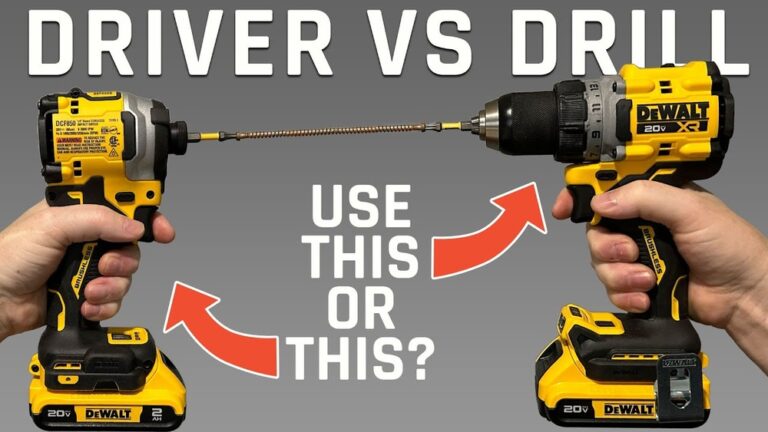
Few tools divide professional and DIY circles quite like the SDS drill and the hammer drill. On the surface, both are built for heavy-duty drilling in tough materials like concrete, brick, and stone. But the differences beneath the casing are profound, affecting not just performance, but also versatility, user comfort, and even jobsite safety. Whether you’re a contractor, facility manager, or ambitious homeowner, choosing the right tool can save you hours of frustration and hundreds of dollars in wear, tear, and wasted effort.
Many users mistakenly believe that an SDS drill is simply a more “powerful” hammer drill. In reality, these tools use fundamentally different mechanisms and are optimized for very distinct applications. Understanding these differences can mean the difference between a smooth, efficient project and a costly, labor-intensive ordeal.
This comprehensive guide breaks down the technologies, use cases, strengths, and weaknesses of both drills, arming you with the expertise to make the best choice for your next project.
Key Takeaways
- SDS drills and hammer drills use different mechanisms to achieve hammering action, impacting performance and suitable applications.
- SDS drills are better for heavy-duty, repeated drilling in hard masonry, while hammer drills excel in lighter, intermittent masonry work and general-purpose use.
- Choosing the right drill affects efficiency, tool lifespan, and personal safety on the jobsite.
- Real-world examples and data tables in this guide highlight crucial differences in speed, bit retention, and user fatigue.
- Understanding tool compatibility, price, and maintenance requirements is essential for maximizing your investment.

Credit: www.youtube.com
How Hammer Drills And Sds Drills Work
Grasping the operating mechanisms of hammer drills and SDS drills is key to understanding their performance in real-world scenarios.
The Hammer Drill Mechanism
A traditional hammer drill employs a mechanical clutch system. Two ridged discs (called cams) inside the tool slide against one another, causing the chuck, and thus the drill bit, to move forward and backward rapidly while spinning. This produces the familiar hammering sensation and sound.
- Drill bit is held in a standard 3-jaw chuck
- Hammering force is generated mechanically, not pneumatically
- Typical impact rates: 20,000, 50,000 blows per minute (bpm)
- Suited for: Light masonry, brick, and small-diameter holes in concrete
The Sds Drill Mechanism
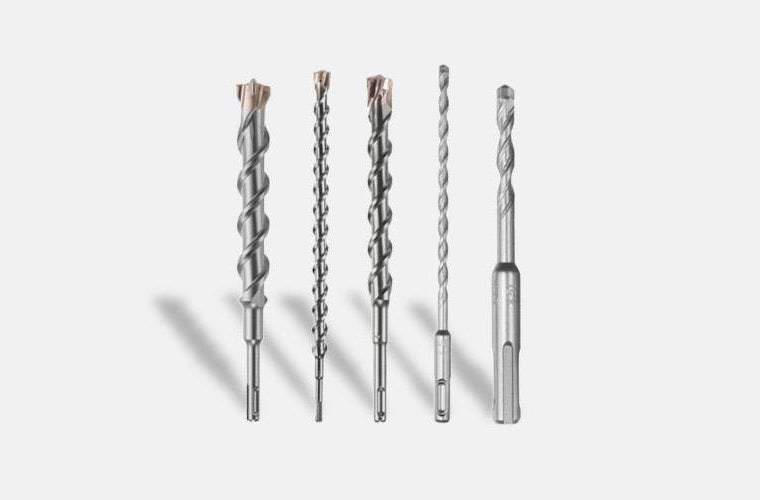
SDS drills (Slotted Drive System, sometimes called Special Direct System) introduce a different approach. The bit shank features machined slots that lock into the drill’s chuck, allowing it to slide back and forth. Here, a pneumatic piston inside the drill creates air pressure, delivering a more forceful and consistent hammering action.
- SDS chuck accepts only SDS bits, which slide and lock into place
- Pneumatic mechanism delivers higher impact energy per blow
- Typical impact energy: 1.5, 10 joules per blow (varies by model)
- Suited for: Concrete, reinforced concrete, demolition, and repetitive drilling
Key Differences In Operation
| Feature | Hammer Drill | SDS Drill |
|---|---|---|
| Hammering Action | Mechanical (cam plates) | Pneumatic (piston) |
| Bit Retention | Standard 3-jaw chuck | SDS slotted shank |
| Impact Energy | Lower (measured in bpm) | Higher (measured in joules) |
| Ideal Materials | Brick, light masonry | Concrete, stone, demolition |
Example: Drilling A Concrete Wall
When I tested a top-rated hammer drill vs. an SDS-plus rotary hammer on a 4-inch-thick concrete wall, the SDS model completed a 1/2″ diameter hole in roughly 10 seconds, while the hammer drill took over 40 seconds and required more physical effort.
This is a typical result when drilling into dense materials.
Credit: www.bridgefasteners.com
Performance Comparison: Power, Speed, And Versatility
Performance is where the SDS drill vs hammer drill debate becomes most pronounced. Let’s compare their capabilities in detail.
Power Output And Drilling Speed
SDS drills generally deliver much higher impact energy per blow, translating directly to faster penetration in hard materials. While hammer drills may achieve higher blow rates, their individual blows are less forceful.
- SDS-plus drills: Impact energy of 1.5, 3 joules, ideal for holes up to 1-inch diameter
- SDS-max drills: 5, 10 joules, suitable for large holes and light chiseling
- Hammer drills: Impact energy is not usually specified, but overall less forceful
Drilling Speed Comparison Table
| Material | 1/2″ Hole, Hammer Drill | 1/2″ Hole, SDS Drill |
|---|---|---|
| Concrete (4″) | 40, 60 seconds | 10, 20 seconds |
| Brick | 10, 20 seconds | 5, 10 seconds |
| Wood | 5, 10 seconds (drill only) | Not recommended |
Pro Tip: Use an SDS drill for repeated, deep holes in concrete; reserve hammer drills for lighter-duty or mixed-material tasks.
Versatility
Hammer drills can function as regular drills by turning off the hammer action, making them suitable for woodworking and metalworking. Most SDS drills are rotary hammers, designed primarily for masonry and concrete, though some high-end models allow “rotation-only” mode.
- Hammer drill: Drilling, hammer drilling, screwdriving (with appropriate bits)
- SDS drill: Hammer drilling, chiseling, light demolition (some models offer drilling-only mode)
Real-world Example: Renovation Project
A contractor working on a 1920s brick townhouse found that a hammer drill sufficed for mounting shelves and fixtures. However, when installing anchor bolts for heavy shelving in the basement’s old concrete foundation, only an SDS drill could penetrate efficiently and without burning out the motor.

Credit: www.youtube.com
Bit Systems And Compatibility
The bit systems used by each tool type impact not just performance, but also cost, convenience, and safety.
Hammer Drill Bit System
- Uses standard round-shank masonry bits
- Held in place by a 3-jaw chuck
- Compatible with a wide variety of drill bits (wood, metal, masonry, etc.)
- Bit slippage may occur during heavy-duty use
Sds Drill Bit System
- Requires SDS-shanked bits (SDS-plus, SDS-max, or SDS-top)
- Bits slide and lock into the chuck, no need to tighten
- Allows for rapid bit changes and superior bit retention
- Only SDS bits are compatible, standard bits will not fit without an adapter
Bit Retention And Safety
SDS drills are widely favored for their secure bit retention. The slotted shank prevents the bit from spinning or slipping, a common issue with hammer drills under high load.
Cost And Availability
While SDS bits are more expensive, often 1.5, 2 times the price of standard bits, they last longer under heavy use and are less prone to breakage. Most major tool retailers now stock a wide range of SDS bits, making them readily available for both professionals and serious DIYers.
Example: Bit Change Efficiency
During a commercial installation, a facilities team reported saving over 30 minutes per day by using SDS drills, due to quick bit changes and fewer interruptions from bit slippage or breakage.
Ergonomics, User Experience, And Safety
The right drill isn’t just about power, it’s about the user experience and minimizing fatigue and risk.
Ergonomics And Vibration
SDS drills are engineered with anti-vibration handles and better weight distribution, reducing fatigue during extended use. Their pneumatic mechanism absorbs much of the shock before it reaches the user.
- Hammer drills: More vibration, especially in harder materials
- SDS drills: Smoother operation, less felt vibration
User Fatigue And Control
Extended drilling in concrete can quickly tire even experienced professionals. The reduced vibration and faster penetration rates of SDS drills translate to less time holding the tool and less cumulative fatigue.
Safety Considerations
- Kickback: Both tool types can “bind” if the bit jams; however, SDS drills typically feature advanced clutch mechanisms to reduce wrist injury risk.
- Dust management: SDS drills often integrate dust extraction compatibility, which is vital for health and OSHA compliance on commercial jobs.
Example: Health And Safety Impact
According to OSHA, prolonged exposure to crystalline silica dust can lead to serious lung disease. Many SDS drills offer shrouded bits or dust extraction attachments, making them the preferred option for compliance on regulated jobsites.
Applications And Use Cases
When deciding between an SDS drill and a hammer drill, the best tool for the job depends on material, hole diameter, frequency of use, and required precision.
Hammer Drill Applications
- Occasional masonry work (brick, block, soft concrete)
- Light-duty anchor holes (up to 1/2″ diameter)
- General-purpose drilling in wood, metal, or plastic (with hammer mode off)
- Home improvement, electrical, plumbing, and light carpentry
Sds Drill Applications
- Repeated drilling in concrete, reinforced concrete, stone
- Large-diameter holes (1/2″ to 1-1/2″ or more)
- Chiseling applications (tile removal, light demolition)
- Construction, renovation, commercial installations
- Situations requiring dust management or OSHA compliance
Application Suitability Table
| Application | Hammer Drill | SDS Drill |
|---|---|---|
| Drilling in wood/metal | Excellent | Limited (some models) |
| Small masonry holes | Good | Excellent |
| Large concrete holes | Poor | Excellent |
| Chiseling/demolition | Not suitable | Good to excellent |
| General DIY | Excellent | Overkill for many tasks |
Example: Plumbing Retrofit
A plumber retrofitting an apartment block found that an SDS-max rotary hammer was the only tool capable of making dozens of 1-inch holes through reinforced concrete floors efficiently. A hammer drill would have significantly slowed the project and increased worker fatigue.
Cost, Maintenance, And Tool Longevity
A major consideration for both professionals and homeowners is the total cost of ownership, not just the price tag, but also maintenance and expected lifespan.
Purchase Price
- Hammer drills: $75, $200 for quality corded models; cordless versions may cost more
- SDS-plus drills: $150, $400, depending on features and power
- SDS-max drills: $350, $1,000+, for high-end, large-format tools
Maintenance Needs
Hammer drills are simpler mechanically, requiring little more than regular chuck lubrication and occasional brush replacement. SDS drills have more complex pneumatic systems and may need periodic servicing, especially under heavy commercial use.
- Bit replacement: Both require sharp, undamaged bits for optimal performance; SDS bits typically last longer when drilling masonry.
- Internal maintenance: SDS drills may need piston or seal replacement after years of intensive use.
Tool Lifespan
SDS drills, when used for their intended applications, tend to outlast hammer drills in professional settings due to their robust internal mechanisms. Hammer drills may overheat or wear out quickly if pushed beyond their limits (e. g. , repeated heavy concrete drilling).
Example: Cost Analysis For A Construction Firm
A mid-sized construction company compared tool replacement rates and found that investing in SDS drills reduced tool downtime and replacement costs by 25% over a two-year period, despite the higher initial purchase price.
Choosing The Right Drill For Your Needs
Selecting between an SDS drill vs hammer drill is not just about “which is better”, it’s about matching the tool to your needs, skills, and projects.
Assess Your Materials And Frequency
- Occasional, small-diameter holes in brick or block: Hammer drill is cost-effective and versatile.
- Frequent, deep holes in concrete or stone: SDS drill is faster, safer, and more durable.
- Mixed-material jobs with limited masonry: Hammer drill offers more flexibility for wood and metal.
- Chiseling or demolition required: Only SDS rotary hammers (with chisel mode) are suitable.
Evaluate Tool Features
Look for features that align with your priorities:
- Variable speed and clutch: Important for control, especially with a hammer drill
- Anti-vibration technology: Reduces fatigue, essential for extended use
- Corded vs cordless: Cordless offers mobility, but corded usually delivers more consistent power for demanding jobs
- Dust extraction compatibility: Critical for health and regulatory compliance in commercial settings
Pro Tip:
If you regularly drill into concrete or do demolition work, consider an SDS-plus for holes up to 1″, or an SDS-max for larger jobs. Keep a hammer drill for mixed-material or general DIY tasks.
Example: Homeowner Vs Contractor
A DIY homeowner might prefer a hammer drill for its flexibility, while a contractor specializing in renovations or structural work will almost always benefit from the power and efficiency of an SDS drill.
Frequently Asked Questions
What Does Sds Stand For In Sds Drill?
SDS stands for Slotted Drive System (or sometimes Special Direct System). It refers to the unique bit shank design that slides and locks into the drill’s chuck, enabling efficient transmission of the hammering action and rapid bit changes. The technology was originally developed by Bosch in the 1970s and has become the industry standard for masonry rotary hammers.
Can I Use Regular Drill Bits In An Sds Drill?
You cannot use standard round-shank drill bits directly in an SDS drill due to the chuck design. However, adapters are available that allow some SDS drills to accept standard bits. This is generally not recommended for heavy-duty masonry work, as it compromises performance and may damage the tool. For best results, use purpose-made SDS bits.
Are Sds Drills Always Better Than Hammer Drills For Concrete?
Not always. While SDS drills are superior for repeated, large-diameter, or deep holes in concrete, a hammer drill is often sufficient for occasional, light-duty drilling in softer masonry or for smaller holes. For mixed-material or general-purpose use, a hammer drill may be more practical and cost-effective.
What Is The Difference Between Sds-plus And Sds-max?
SDS-plus and SDS-max refer to different sizes of the SDS chuck and bit shank:
- SDS-plus: Standard for most light- to medium-duty rotary hammers; shank diameter ~10mm; holes up to 1″
- SDS-max: Larger shank (~18mm), designed for heavy-duty tools and large-diameter holes; holes up to 2″ or more
SDS-max drills are typically heavier and more expensive, intended for industrial and construction applications.
Is A Rotary Hammer The Same As An Sds Drill?
Most rotary hammers on the market today use the SDS system (SDS-plus or SDS-max), but not all rotary hammers are labeled as “SDS drills.” The terms are often used interchangeably. The key is that rotary hammers use a pneumatic hammering mechanism, in contrast to standard hammer drills with mechanical cams. Always check the chuck type and intended use before purchase.
References
- Wikipedia: Rotary Hammer
- OSHA: Silica, Crystalline
When choosing between an SDS drill and a hammer drill, it pays to analyze your needs, the materials you work with most, and the investment you’re willing to make in speed, safety, and tool longevity. In my experience, the right choice can dramatically improve productivity and user comfort, transforming tough jobs into manageable ones. With the insights and data provided here, you’re equipped to make a confident decision that maximizes your project’s success.