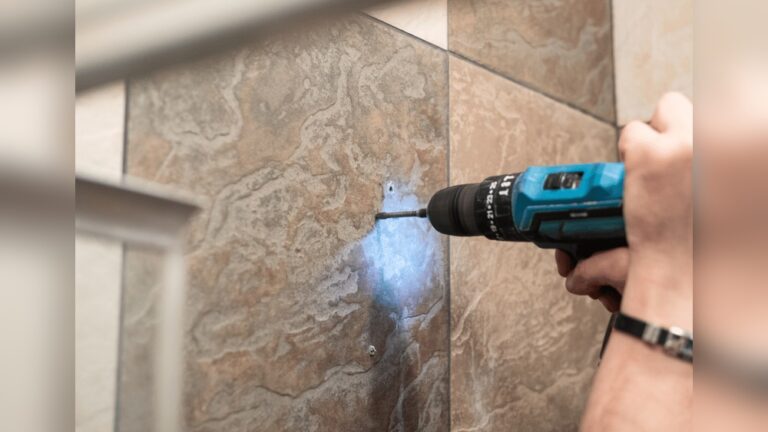
When you need to drill clean, accurate holes, the quality of your drill bit makes a big difference. Two names often come up in workshops and job sites: Cle Line and DeWalt. Both are known for making drill bits, but they target slightly different users and needs. If you’re trying to decide between Cle Line and DeWalt drill bits, this detailed comparison will help you choose the right tool for your projects, budget, and skill level. We’ll break down their design, durability, pricing, product range, customer feedback, and more, so you can feel confident about your choice.
Understanding Cle Line And Dewalt
Before comparing their drill bits, it helps to know a little about each brand.
Cle Line is a brand under Greenfield Industries, founded in the United States. They focus mainly on industrial-grade cutting tools, including drill bits for metalworking, manufacturing, and heavy-duty applications. Their products are popular with machinists and professionals who need precision.
DeWalt, on the other hand, is a global power tool brand known for making tools and accessories for construction, woodworking, and home improvement. Their drill bits are designed for a wide range of users—from DIYers to professional contractors.
Both brands have long histories and strong reputations, but their target audiences and product strengths are not identical.
Key Differences Between Cle Line And Dewalt Drill Bits
Choosing the right drill bit is about more than just the brand. You need to understand how the products differ in real-world use.
Materials And Construction
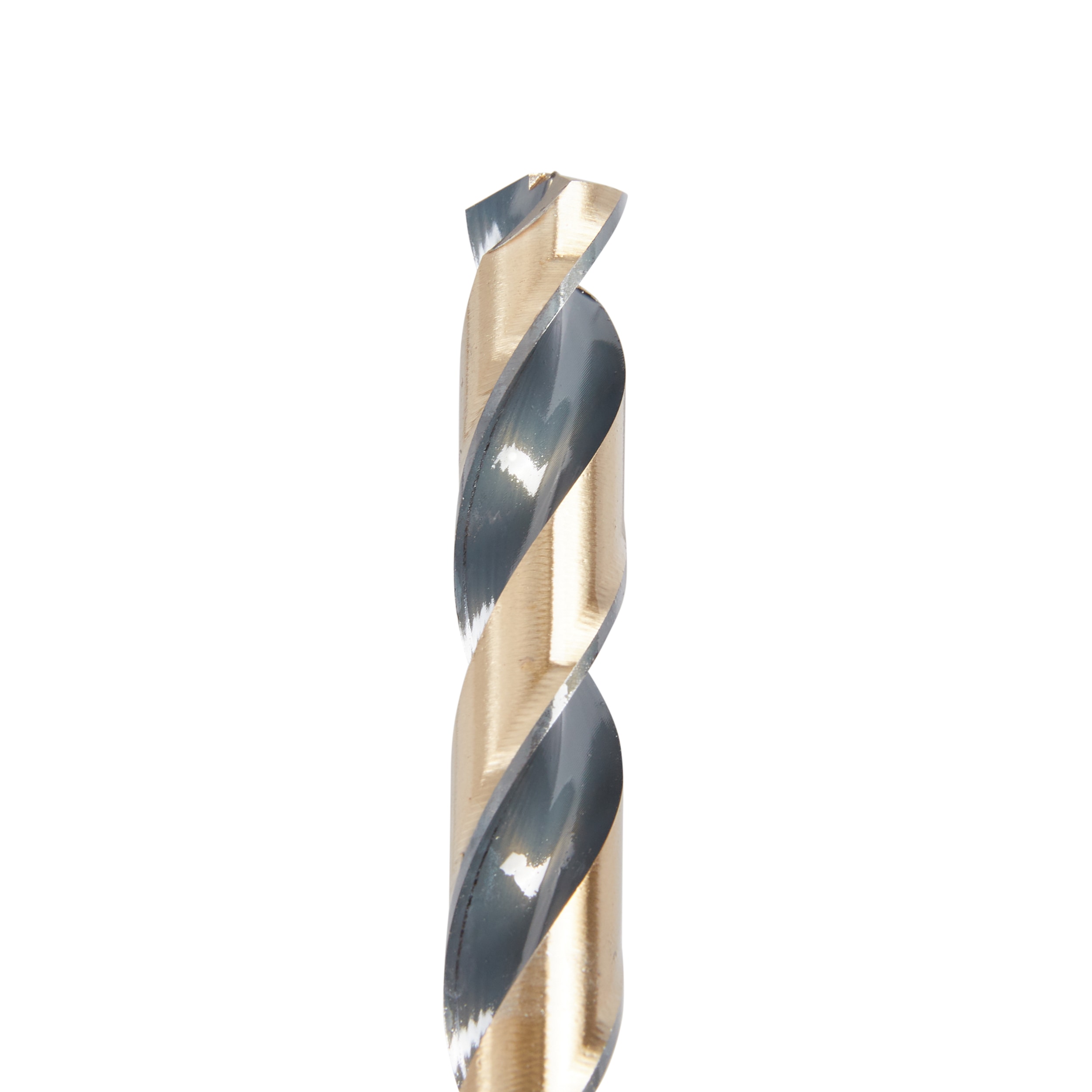
Cle Line drill bits are typically made from high-speed steel (HSS), cobalt alloys, or carbide. These materials are chosen for their strength, hardness, and resistance to heat. Cle Line focuses on bits that can handle hard metals and industrial workloads.
DeWalt offers a wider range of materials, including black oxide, HSS, cobalt, and titanium-coated drill bits. Their construction is aimed at balancing performance with affordability, making them accessible to more users.
What Does This Mean For You?
- If you need to drill through tough metals (like stainless steel), Cle Line’s HSS and cobalt bits often last longer and stay sharper.
- For general-purpose tasks (wood, plastic, softer metals), DeWalt’s multi-material options offer good performance at a lower price.
Bit Types And Product Variety
When you look at the variety offered by each brand, the differences become clear.
Cle Line specializes in:
- Jobber length drill bits (standard length)
- Mechanics length bits (shorter, more rigid)
- Heavy-duty bits for tough materials
- Specialty bits for metalworking
DeWalt has a much broader catalog, including:
- Twist drill bits in many lengths and coatings
- Spade bits for wood
- Masonry bits for concrete and brick
- Step bits and hole saws
- Multi-material kits
DeWalt’s focus on variety makes it easier for most people to find exactly what they need, especially for home or construction projects.
Price And Value
Cle Line drill bits are usually more expensive per piece. This is because they use higher-grade materials and are often manufactured in the USA. These bits are built to handle repeated heavy use.
DeWalt drill bits are more affordable, especially when purchased in larger sets. They are made for mass-market use, so you often get more bits for your money, but they may not last as long in tough conditions.
Example Price Comparison
Here’s a simple price overview to give you an idea:
| Brand | Type | Material | Avg. Price (10-pack, 1/8″ size) |
|---|---|---|---|
| Cle Line | Jobber Length | HSS | $22–$28 |
| DeWalt | Twist Drill Bit | Black Oxide | $10–$14 |
Performance In Different Materials
Not all drill bits work well in every material. Here’s how the two brands compare in common tasks:
- Metal: Cle Line’s HSS and cobalt bits cut faster and last longer in steel, cast iron, and hard alloys. DeWalt’s cobalt and titanium bits do well in light to medium metal tasks but may dull faster in heavy use.
- Wood: Both brands’ standard HSS or black oxide bits work well for wood, but DeWalt offers more options like spade bits and auger bits, which are made specifically for fast wood drilling.
- Masonry: DeWalt offers a range of carbide-tipped masonry bits for concrete and brick. Cle Line does not focus on masonry bits.
Durability And Lifespan
Cle Line drill bits are engineered for long-term use. Their bits are often resharpenable, which means you can extend their life with proper care.
DeWalt’s bits are sturdy and well-made, but they are often designed to be replaced rather than resharpened. For heavy-duty, repeated use in metal, Cle Line generally holds up longer.
Who Uses Cle Line And Dewalt?
Cle Line is chosen by:
- Professional machinists
- Metal fabricators
- Industrial maintenance teams
- Engineers needing precise holes in hard metals
DeWalt is popular with:
- Construction workers
- Electricians and plumbers
- DIYers and homeowners
- Anyone needing a general-purpose bit set
This difference in target users explains why Cle Line’s bits are often found in industrial settings, while DeWalt is a common sight on construction sites and in home workshops.
In-depth Feature Comparison
Let’s look closer at some important features for real-world drilling.
Precision And Tolerance
Cle Line bits are manufactured to tight tolerances. This means the hole size will be very close to what’s listed—important in precision metalwork. DeWalt bits are accurate for general use, but there is often slightly more variation, which is fine for most woodworking or DIY projects.
Coating And Finish
- Cle Line: Many bits are uncoated (bright finish) for easy sharpening, but they also offer black oxide and gold oxide coatings to reduce friction and wear.
- DeWalt: Offers black oxide, titanium, and cobalt coatings for durability and longer life, with titanium being especially good for extended use in wood and light metals.
Heat Resistance
Long drilling sessions create heat, which can dull or damage bits.
- Cle Line’s cobalt bits stay sharper at high temperatures, making them ideal for stainless steel.
- DeWalt’s black oxide and titanium coatings help reduce heat, but for very tough jobs, their cobalt series is the better option.
Sharpening And Reuse
One thing many beginners overlook: not all bits are meant to be sharpened.
- Cle Line: Most bits can be resharpened many times, saving money for professionals.
- DeWalt: Many general-purpose bits are disposable, so once they dull, you replace them. Some higher-end DeWalt bits can be sharpened, but the steel is often softer.
Packaging And Sets
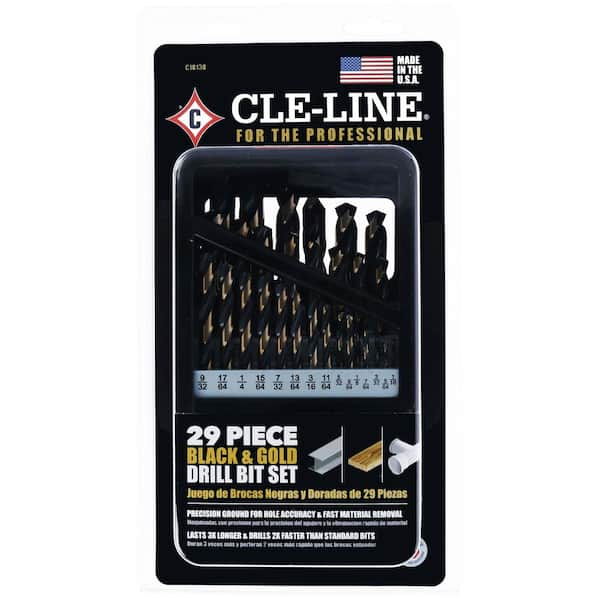
- Cle Line typically sells bits in individual sizes or professional index cases. Their cases are sturdy and made for job site use.
- DeWalt offers many multi-size kits, often in tough plastic cases, making them handy for home or mobile use.
Availability
DeWalt bits are easy to find at nearly every hardware store and online retailer. Cle Line bits are available online and at industrial supply shops, but you might not find them at local big-box stores.
Real-world Performance: User Reviews And Field Tests
Let’s see how these brands perform according to real users and independent tests.
What Users Say
- Cle Line users praise the long life and sharpness of their bits, especially for metalworking. Many say they can drill hundreds of holes before noticing wear.
- DeWalt users love the value and versatility of their bit sets. They often mention the convenience of having many sizes in one box and the good performance on wood and light metals.
Field Test Example
In a controlled test drilling 1/4-inch holes in mild steel:
- Cle Line HSS bit: Drilled over 150 holes before needing sharpening.
- DeWalt black oxide bit: Started dulling after about 40–50 holes.
For wood and plastic, both brands performed well, but DeWalt’s spade bits drilled faster, thanks to aggressive tips.
Common Complaints
- Some Cle Line users find the bits expensive, especially for large sets.
- Some DeWalt users report bits breaking in hard metals or if pushed too hard, especially with basic (black oxide) models.
Credit: italianpro.com
Pros And Cons: Cle Line Vs Dewalt
Here’s a quick side-by-side to help with decision-making.
| Feature | Cle Line | DeWalt |
|---|---|---|
| Main Strength | Durability & Precision | Affordability & Variety |
| Best For | Industrial, Metalworking | General Use, DIY, Construction |
| Material Options | HSS, Cobalt, Carbide | Black Oxide, HSS, Cobalt, Titanium |
| Sharpenable | Usually Yes | Sometimes |
| Price | Higher | Lower |
| Specialty Bits | Metalworking Focus | Wood, Masonry, Multi-Material |
| Where to Buy | Industrial Suppliers, Online | Hardware Stores, Online |
Choosing The Right Drill Bit For Your Needs
Let’s break down some typical scenarios and which brand is likely the better fit.
For Metalworking And Industry
If you’re drilling stainless steel or other hard metals all day, investing in Cle Line makes sense. Their bits will last longer, stay sharper, and can be resharpened. For tool-and-die shops or machine shops, Cle Line is a trusted name.
For Construction And General Repairs
DeWalt’s range covers almost every need—wood, drywall, masonry, and softer metals. Their sets are affordable, easy to replace, and good for anyone who needs a range of sizes for different tasks.
For Occasional Use
If you only drill a few holes per month, DeWalt’s value packs are hard to beat. They work well for most light tasks and are easy to replace if you lose or break a bit.
For High-precision Work
Cle Line’s tight tolerances are important where exact hole size matters—like in metal fabrication, automotive work, or when fitting bolts.
Two Key Insights Most Beginners Miss
- Sharpening Saves Money: If you use drill bits often, choosing a brand like Cle Line that can be easily sharpened will save you money in the long run. Many people throw away dull bits, but with a bit of practice, sharpening extends their life by years.
- One Size Does Not Fit All: Many assume any drill bit works for any task. Using a general-purpose bit on hard metals or masonry often leads to poor results or broken bits. Always match the bit to the material and job for better results and safety.
Tips For Getting The Most From Your Drill Bits
- Use cutting fluid when drilling metal to reduce heat and extend bit life.
- Don’t force the bit—let the tool do the work.
- Keep drill bits sharp; dull bits overheat and can damage your project.
- Store bits in a dry place to prevent rust.
- Use the right RPM (speed): Too fast can burn out bits, too slow can stall progress.
- For deep holes, clear chips often to avoid clogging.
Safety Considerations
No matter which brand you choose, safety always comes first.
- Always wear safety glasses.
- Clamp your workpiece firmly to prevent spinning.
- Use the correct drill for the bit—don’t use small bits in high-torque tools.
- Replace damaged bits immediately to prevent accidents.
Where To Learn More
If you want to dig deeper into the science behind drill bit materials and coatings, check out the Wikipedia article on drill bits for detailed technical information.
Frequently Asked Questions
What Makes Cle Line Drill Bits More Expensive Than Dewalt?
Cle Line uses higher-grade materials like cobalt steel and manufactures to strict tolerances, mainly in the USA. This focus on quality and durability increases production costs, making their bits more expensive. DeWalt aims for mass-market affordability, with broader production and more budget-friendly materials.

Credit: www.reddit.com
Are Dewalt Drill Bits Good For Metal?
DeWalt’s cobalt and titanium drill bits are suitable for light to medium metal tasks. However, for frequent drilling in hard metals like stainless steel, Cle Line or other industrial brands may offer better lifespan and performance.
Can I Sharpen Dewalt Drill Bits?
Some DeWalt bits, especially those made from HSS or cobalt, can be sharpened with the right tools. However, many lower-cost DeWalt bits are designed to be disposable, and their softer steel may not hold an edge as well after sharpening.
Credit: www.homedepot.com
Which Brand Is Better For Woodworking?
DeWalt offers more options specifically for woodworking, such as spade bits and augur bits. Their wide range and affordability make them a favorite for wood projects. Cle Line focuses more on metalworking, but their HSS bits also work well in wood.
Where Can I Buy Cle Line Drill Bits?
Cle Line bits are sold through industrial supply stores, specialized online retailers, and some larger e-commerce platforms. They are less common in standard hardware stores compared to DeWalt.
Choosing between Cle Line and DeWalt comes down to your main tasks, budget, and the level of precision you need. For heavy-duty, industrial, or metalworking jobs, Cle Line is often worth the investment. For general use, home projects, or when you need a wide variety of bits, DeWalt is a practical choice.
Whatever you decide, using the right bit for your material and taking care of your tools will lead to better results and a safer, more enjoyable drilling experience.