Tapping maple trees is a centuries-old practice that yields one of nature’s sweetest gifts: pure maple syrup. Whether you’re a hobbyist or a small-scale producer, the process starts with selecting the right tools, most importantly, the drill bit. Choosing the correct size ensures the health of the tree, maximizes sap flow, and prevents unnecessary damage. Yet, the question of “What size drill bit for maple taps?” isn’t just about numbers; it’s about understanding the biology of maple trees, the mechanics of sap collection, and the nuances of modern tap designs.
This article unpacks everything you need to know about selecting drill bits for maple tapping. Drawing on expert advice, scientific data, and first-hand experience, we’ll compare bit sizes, discuss tap types, and explore how the wrong choice can impact your yield and tree longevity.
You’ll find practical tables, actionable insights, and real-world examples to guide your tapping season decisions. By the end, you’ll be empowered to make informed choices that balance efficiency and sustainability.
Key Takeaways
- Drill bit size directly impacts sap flow and tree health; most modern taps require a 5/16″ or 7/16″ bit.
- Smaller taps (5/16″) are favored for sustainability, while larger taps (7/16″) are traditional and offer higher flow rates.
- The choice of bit size must align with tap design, tree diameter, and overall tapping goals.
- Using improper bit sizes can reduce sap yield and increase the risk of infection or long-term tree damage.
- Proper tapping technique and maintenance are essential for maximizing syrup production and protecting your maples.

Credit: bascommaple.com
Understanding Maple Tapping And Drill Bit Sizes
Maple tapping is the process of inserting a spout (tap) into a drilled hole in a maple tree to collect sap during spring. The size of the drill bit not only determines how well the tap fits but also influences the sap yield and the healing process of the tree.
The Science Behind Tap Hole Diameter
The diameter of the tap hole is crucial. Larger holes allow more sap to flow but create bigger wounds that take longer to heal. According to research from the University of Vermont’s Proctor Maple Research Center, the traditional tap hole size was 7/16″ (11.1 mm), but more recent studies suggest that smaller 5/16″ (7.9 mm) holes significantly reduce tree stress without sacrificing yield over the long term.
Impact On Tree Health
Drilling a hole that’s too large increases the risk of infection and slows healing. Small tap holes heal faster, limiting the area of non-conductive wood. Over-tapping or using oversized bits can permanently damage trees and reduce their productive lifespan. Responsible tapping practices are vital for sustainable maple syrup production.
Sap Yield And Bit Size
Yield is affected by both the size of the tap and the hole. While larger holes can give a slightly higher immediate yield, modern studies confirm that smaller taps maintain or even improve total sap collection when combined with vacuum tubing systems.
This is especially important for commercial operations seeking efficiency and sustainability.
Comparing Drill Bit Sizes For Maple Taps
Choosing the right bit size depends on several factors: tap design, tree size, and your production goals. Here’s a breakdown of the most common options.
Traditional Vs. Modern Taps
Historically, maple tapping used 7/16″ spouts, requiring a 7/16″ drill bit. These were typically made of metal and designed for gravity-fed buckets. Today, 5/16″ taps are prevalent, especially in vacuum-based systems, offering improved sustainability and minimal tree impact.
5/16″ Vs. 7/16″ Drill Bits
The following table compares the two most widely used drill bit sizes for maple taps:
| Drill Bit Size | Recommended Tap Type | Tree Diameter (min.) | Average Sap Yield | Impact on Tree Health | Typical Use |
|---|---|---|---|---|---|
| 5/16″ (7.9 mm) | Small, modern taps | 10″ (25 cm) | Comparable to larger taps | Less wound, faster healing | Vacuum systems, sustainable tapping |
| 7/16″ (11.1 mm) | Traditional metal/plastic taps | 12″ (30 cm) | Higher per tap, but more stress | Larger wound, slower healing | Gravity buckets, legacy setups |
Specialized Tap Designs
Some specialty taps, such as health-conscious or research taps, may require unique sizes, but the vast majority fall within the 5/16″ and 7/16″ range. Always check the manufacturer’s recommendations for your tap model.
Example: Switching From 7/16″ To 5/16″ Taps
A maple producer in Vermont reported switching from 7/16″ to 5/16″ taps for sustainability. Over three seasons, sap yield remained consistent, but tree healing improved noticeably. This real-world change demonstrates how modern practices align with environmental stewardship.

Credit: onmaplesyrup.ca
Factors Affecting Drill Bit Size Selection
Choosing the proper drill bit involves more than matching the tap diameter. Here are the key considerations.
Tap Type And Material
- Plastic taps often require precise sizing due to flexibility.
- Metal taps are less forgiving; slight oversizing can result in leaks.
- Tubing taps (for vacuum systems) typically use 5/16″ bits.
Tree Diameter And Age
- Only tap trees at least 10-12 inches in diameter.
- Larger trees can handle more or larger taps, but over-tapping increases risk.
Production Method: Gravity Vs. Vacuum
- Gravity-fed buckets: 7/16″ taps are common.
- Vacuum tubing systems: 5/16″ taps maximize efficiency and minimize tree stress.
Example: Hobbyist Vs. Commercial Producer
A backyard hobbyist may prefer traditional taps for simplicity, while commercial operations often adopt smaller taps and vacuum systems for sustainability and yield optimization.
Best Practices For Drilling Maple Tap Holes
Ensuring a clean, precise hole is essential for both sap collection and tree health. Here’s how to achieve optimal results.
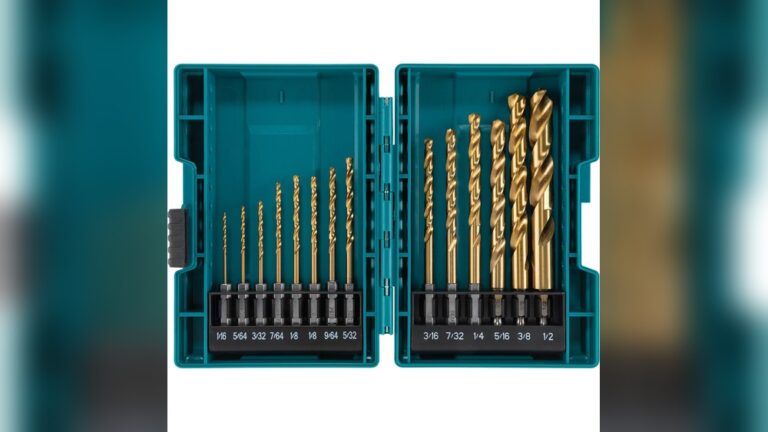
Selecting The Right Drill Bit
- Use high-speed steel bits for durability.
- Bits with flute design remove chips efficiently, reducing clogging.
- Avoid using worn or rusty bits, which can cause rough holes.
Cleaning And Sanitizing Equipment
- Clean drill bits with isopropyl alcohol before use.
- Avoid contamination by storing bits in a clean, dry environment.
Proper Drilling Technique
- Drill holes at a slight upward angle (5-10°) to facilitate sap flow.
- Penetrate the tree to the recommended depth: 1.5, 2 inches.
- Remove wood shavings from the hole to prevent blockages.
Example: Impact Of Drill Bit Quality
A producer using dull bits found sap flow reduced by up to 20%, due to rough holes and increased resistance. Switching to sharp, clean bits restored yield and minimized tree damage.
Real-world Examples And Case Studies
Examining practical experiences helps highlight the impact of drill bit selection and technique.
Case Study: Sustainable Tapping In Quebec
A Quebec maple farm transitioned to 5/16″ taps and bits, reducing the wound area per tree by 40%. Over five years, tree mortality dropped, and overall syrup production remained stable, proving the long-term benefits of smaller taps.
Example: Hobbyist Success With Proper Bit Size
A hobbyist in New Hampshire experimented with both 5/16″ and 7/16″ bits. The 5/16″ taps yielded only slightly less sap per tap but allowed more taps per tree, resulting in higher total yield and healthier trees.
Comparison Table: Sap Yield By Tap Size
| Tap Size | Average Sap Yield (per tap) | Tree Recovery Time | Suitability |
|---|---|---|---|
| 5/16″ | 1.3 gallons | 1 year | All trees, sustainable |
| 7/16″ | 1.5 gallons | 2 years | Large, mature trees |
Pro Tip:
When testing tap sizes, track sap yield and tree health metrics for multiple seasons. It’s the best way to optimize your tapping practice.
Maintenance And Aftercare For Tap Holes
Protecting tree health extends beyond the initial tap. Aftercare is essential for long-term sustainability.
Monitoring Sap Flow And Tap Hole Condition
- Check for leaks around the tap, which may indicate improper sizing.
- Inspect sap clarity and quantity daily.
Removing Taps At Season’s End
- Remove taps gently to avoid enlarging the wound.
- Avoid plugging tap holes; let them heal naturally.
Encouraging Tree Recovery
- Rotate tap placement annually to prevent repeated wounding.
- Allow ample time for healing before retapping.
Example: Tap Hole Healing Rates
A study from the University of Vermont found that 5/16″ holes healed 30% faster than 7/16″ holes, with less non-conductive wood formation. This supports using smaller bits for sustainable tapping.
Choosing Drill Bit Brands And Quality
Not all drill bits are created equal. Selecting reputable brands and quality materials is key for performance and longevity.
Recommended Brands
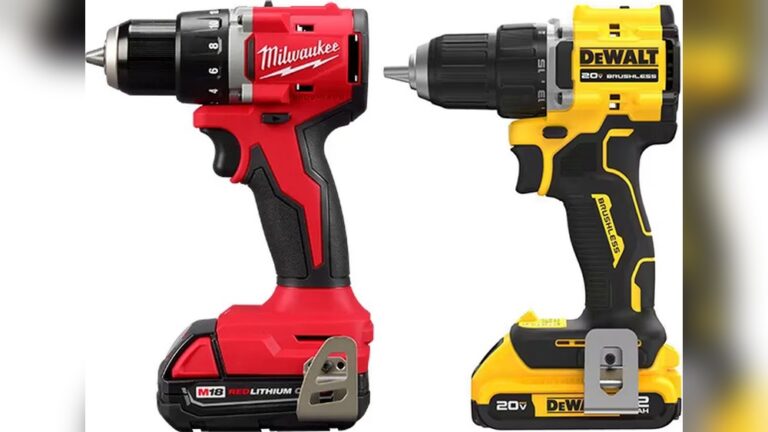
- DeWalt: Known for durability and sharpness.
- Milwaukee: Offers high-speed steel and specialty maple tap bits.
- Irwin: Widely used for both hobbyist and professional tapping.
Bit Material And Design
- High-speed steel: Resists dulling, ideal for hardwoods.
- Titanium-coated: Enhances longevity, reduces friction.
Example: Cost Vs. Quality
In my experience, investing in quality bits pays off. Cheap bits dull quickly, leading to rough holes and reduced sap flow. Spending a little more upfront saves time and protects your trees.
Common Mistakes And How To Avoid Them
Even seasoned tappers can make errors that impact yield and tree health. Here are the most frequent mistakes and how to sidestep them.
Using The Wrong Drill Bit Size
- Double-check tap manufacturer recommendations.
- Avoid improvising with bits that are “close enough.”
Drilling Too Deep Or At The Wrong Angle
- Follow depth guidelines (1.5, 2 inches).
- Maintain a slight upward angle for optimal flow.
Reusing Old, Dull Drill Bits
- Replace bits annually or as needed.
- Sharpen bits if possible, but avoid overuse.
Example: Avoiding Tap Hole Complications
A maple producer who used oversized bits saw increased infection rates and reduced sap yield. Switching to the recommended 5/16″ size resolved these issues.
Environmental And Sustainability Considerations
Tapping responsibly ensures maple forests remain healthy for generations. Drill bit selection plays a surprisingly important role.
Reducing Tree Stress And Wound Area
- Smaller bits and taps minimize damage.
- Sustainable practices encourage longer tree lifespans.
Adapting To Climate And Tree Health
- Monitor tree response to tapping; adjust practices as needed.
- Favor smaller taps in stressed or younger trees.
Example: Conservation Guidelines
Research from the University of Vermont Extension recommends using smaller taps and rotating tap sites to preserve tree health and maintain production.
Comparison Table: Environmental Impact By Tap Size
| Tap Size | Wound Area | Tree Longevity | Recommended For |
|---|---|---|---|
| 5/16″ | Small | Longer | All producers |
| 7/16″ | Moderate | Shorter | Traditional setups |
Resources And Further Reading
To dive deeper into maple tapping science and sustainability, consult reputable resources:
- University of Vermont Proctor Maple Research Center
- North American Maple Syrup Producers Association
These organizations provide up-to-date research, best practices, and community support for both hobbyists and commercial producers.
Frequently Asked Questions
What Is The Best Drill Bit Size For Beginner Maple Tappers?
For beginners, a 5/16″ drill bit is usually recommended. It matches most modern taps, minimizes tree injury, and is widely supported by research and tap manufacturers. It’s also easier to handle for those new to tapping.
Can I Use The Same Drill Bit For Different Tap Sizes?
It’s important to match the drill bit size to the tap diameter. Using a single bit for multiple tap sizes can cause leaks or poor sap flow. If you plan to use different tap types, keep corresponding bits on hand and clearly label them.
How Often Should I Replace My Drill Bit?
Replace your drill bit when it becomes dull, chipped, or rusted. For most hobbyists, this means replacing bits every 1, 2 seasons. Commercial operations should monitor sharpness more closely, as frequent use accelerates wear.
Does Drill Bit Material Affect Tapping Results?
Yes, drill bit material matters. High-speed steel and titanium-coated bits stay sharper longer and drill cleaner holes, which is vital for sap flow and tree health. Avoid cheap bits that dull quickly or leave rough surfaces.
Are There Regulations For Drill Bit Size In Maple Syrup Production?
Some regions and certification programs set guidelines for tap and drill bit sizes to promote sustainability. For example, the Vermont Maple Sugar Makers Association encourages the use of smaller tap holes. Check local regulations and industry standards for specific requirements.
Selecting the right drill bit for maple taps is a blend of science, tradition, and stewardship. By understanding the impact of bit size on sap yield and tree health, and by following best practices, you’ll help ensure a productive and sustainable maple tapping season.
Whether you’re a hobbyist or a seasoned producer, making informed choices protects your trees and maximizes your syrup harvest.