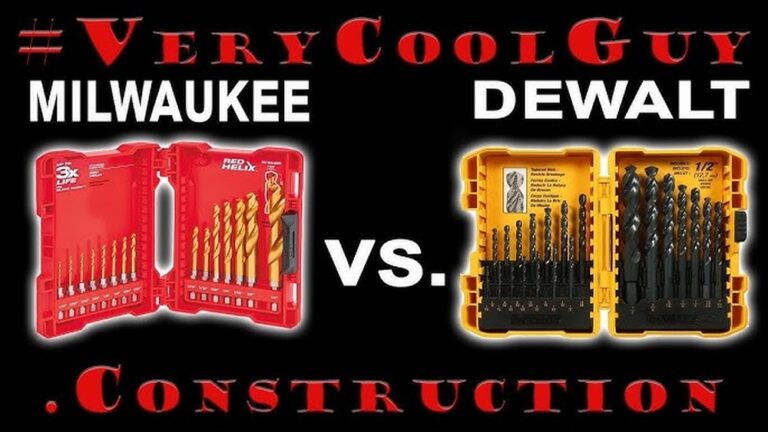
Milwaukee 18v Drill Vs Dewalt 20v Drill: A Complete Comparison
Choosing the right cordless drill can make a big difference in your work—whether you are a professional contractor, a DIY enthusiast, or just need a reliable tool for home projects. The debate between the Milwaukee 18V drill and the Dewalt 20V drill is one of the hottest in the power tool world. Both brands promise power, durability, and modern features. But which is truly better for you? In this article, you’ll get an in-depth, practical comparison based on real-world performance, battery systems, user experience, and more.
Many people get confused by the numbers—18V vs 20V. Is Dewalt really stronger? Does Milwaukee have a better battery? What about price, comfort, and long-term value? By the end of this guide, you’ll have a clear answer to all these questions.
Understanding The Voltage Ratings: 18v Vs 20v
The first thing most buyers notice is the voltage difference: Milwaukee 18V and Dewalt 20V. But this is more about marketing than real power.
Both tools use lithium-ion batteries. The actual voltage when fully charged is about 20V. However, Milwaukee and most other brands label their tools by the nominal voltage (average during use, about 18V). Dewalt uses the maximum voltage (when fully charged, 20V), which drops to around 18V during use. So, in practice, both brands offer the same real voltage and power.
Non-obvious insight: Many buyers think Dewalt’s 20V means it is stronger, but this is just different labeling. The performance is almost the same—what matters more is the motor, battery quality, and features.
Brand Reputation And Reliability
Both Milwaukee and Dewalt are trusted names in the power tool industry.
- Milwaukee is known for innovation, especially with their M18 system and brushless motors.
- Dewalt is famous for durability and tools that can handle tough jobsite use.
Both brands have millions of loyal customers worldwide, and their cordless drills are used by professionals and homeowners alike.
One thing beginners often miss: Milwaukee tends to focus more on trade professionals, while Dewalt aims to satisfy both pros and serious DIYers.

Credit: www.youtube.com
Key Models Compared
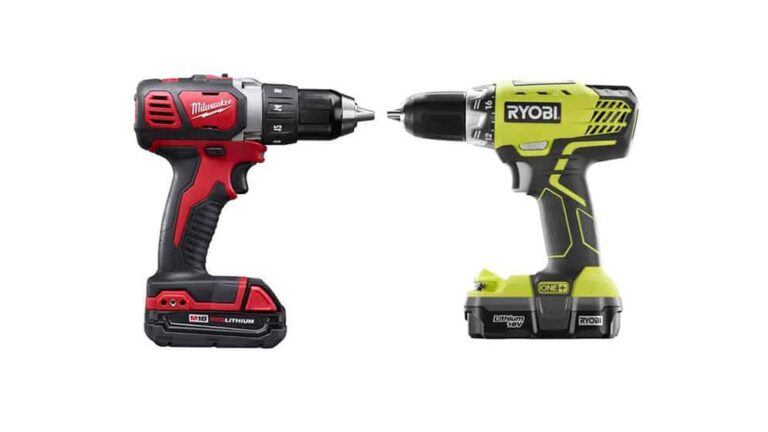
To keep things clear, let’s focus on two of the most popular and comparable models from each brand:
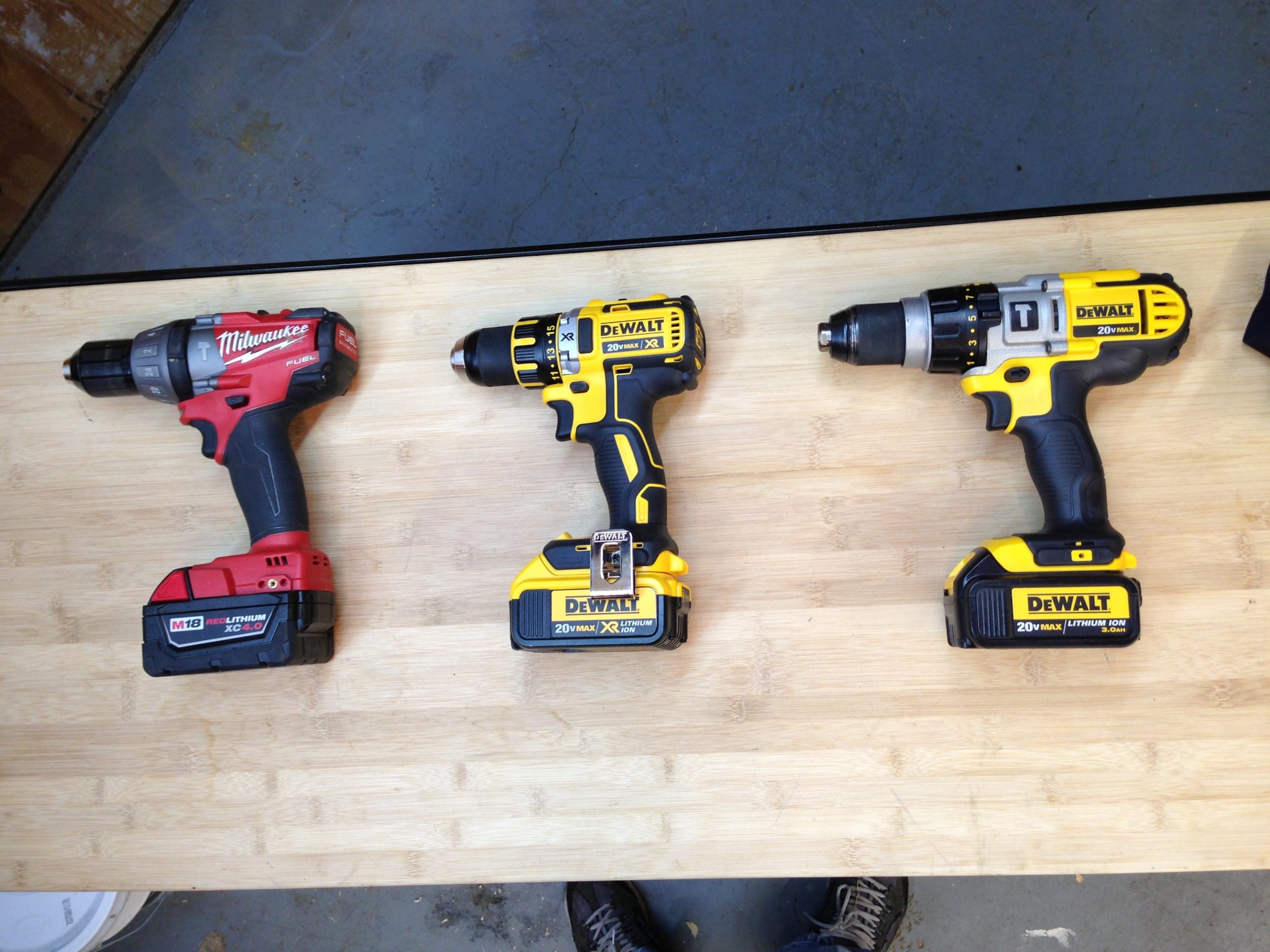
- Milwaukee M18 Fuel 2804-20 (18V Brushless Hammer Drill)
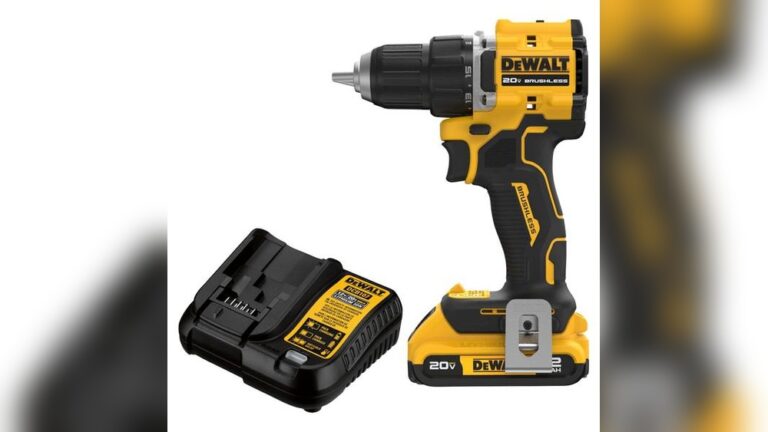
- Dewalt DCD791 (20V MAX XR Brushless Drill/Driver)
These drills represent the best “mainstream” brushless options for most users.
Power And Performance
Torque And Speed
Torque and RPM (revolutions per minute) are two main specs for drill power.
- Milwaukee M18 Fuel 2804-20: Up to 1,200 in-lbs torque, 0-2,000 RPM
- Dewalt DCD791: Up to 820 in-lbs torque, 0-2,000 RPM
Milwaukee clearly leads in torque, making it better for heavy-duty drilling and driving large fasteners. Both drills have two speed settings for precision and power.
Real-world example: If you need to drill large holes in wood or metal, Milwaukee will handle this with less strain. For most household projects, both are more than powerful enough.
Motor Technology
Both models use brushless motors. This means:
- More power and efficiency
- Less heat and maintenance
- Longer tool life
Milwaukee calls its technology “POWERSTATE,” while Dewalt uses “XR Brushless. ” Both are reliable and high-quality.
Beginner tip: Brushless motors are quieter and last longer than old-style brushed motors. Always choose brushless if you can.
Battery System And Runtime
Battery Compatibility
- Milwaukee M18: Works with all M18 batteries, from compact 1.5Ah to heavy-duty 12Ah packs.
- Dewalt 20V MAX: Compatible with all 20V MAX batteries, including FlexVolt (when set to 20V mode).
Both systems are flexible. If you already own other tools from Milwaukee or Dewalt, you can use the same batteries.
Non-obvious insight: Milwaukee’s larger capacity batteries tend to offer longer runtime for high-drain tools, but Dewalt’s FlexVolt system can provide more power for certain uses.
Battery Life
Here’s a side-by-side comparison of battery options and average runtime:
| Brand/Model | Battery Size (Ah) | Estimated Runtime (Drilling 1″ Holes in Wood) | Charging Time |
|---|---|---|---|
| Milwaukee M18 | 5.0Ah | Up to 100 holes | ~60 min (Rapid Charger) |
| Dewalt 20V MAX | 5.0Ah | Up to 90 holes | ~70 min (Standard Charger) |
| Dewalt 20V MAX FlexVolt | 6.0Ah (at 20V) | Up to 110 holes | ~75 min |
Milwaukee’s rapid charger gives it a small edge in charging speed, but Dewalt’s FlexVolt can offer a bit longer runtime if you use the bigger battery.
Ergonomics And User Comfort
Weight And Balance
Tool comfort matters, especially if you work for hours.
- Milwaukee M18 Fuel 2804-20: About 3.2 lbs (bare tool)
- Dewalt DCD791: About 3.4 lbs (bare tool)
Both are well-balanced and easy to handle. Milwaukee is slightly lighter, which can help reduce fatigue over long periods.
Grip And Feel
Both drills have comfortable, rubberized grips. Dewalt’s handle is slightly slimmer, which some users with smaller hands prefer. Milwaukee’s grip feels more solid for people with larger hands.
Practical tip: Try holding both in a store if you can. Comfort is personal—small differences can make a big impact over time.
Led Lighting
Both tools have built-in LED lights for working in dark spaces. Dewalt offers a three-mode light with a spotlight feature, while Milwaukee’s is a standard single LED. If you often work in low-light areas, Dewalt’s extra lighting control can be helpful.

Credit: www.youtube.com
Durability And Build Quality
Materials And Construction
Both Milwaukee and Dewalt build their premium drills to survive jobsite abuse.
- Milwaukee: Reinforced metal chuck, all-metal gear case, strong plastic housing.
- Dewalt: All-metal chuck, impact-resistant plastic, sealed switches.
While both are tough, Milwaukee’s tools tend to feel a bit more rugged, especially in the M18 Fuel line.
Weather And Dust Resistance
Neither drill is officially “waterproof,” but both offer good resistance to dust and moderate moisture.
Common mistake: Don’t leave your drill in the rain or mud, even if it feels tough. Moisture can damage batteries and motors over time.
Features And Extras
Clutch Settings And Modes
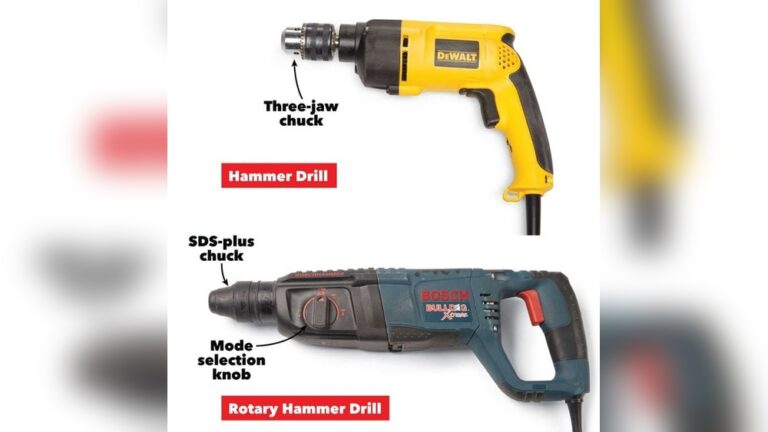
- Milwaukee M18 Fuel 2804-20: 24 clutch settings, drill, and hammer modes.
- Dewalt DCD791: 15 clutch settings, drill mode (no hammer).
If you need to drill into concrete or brick, Milwaukee’s hammer function is a must-have.
Bit Holders And Belt Hooks
Both models come with belt hooks for easy carrying. Milwaukee usually includes a bit holder, while Dewalt sometimes does (check the specific kit).
Connectivity
Some Milwaukee models have ONE-KEY Bluetooth tracking (optional). Dewalt offers a Tool Connect system but not on the DCD791. These features are useful for tool tracking on big job sites but aren’t needed for most home users.
Price And Value
Tool-only Vs. Kit
Prices change often. As of 2024, here are average retail prices:
- Milwaukee M18 Fuel 2804-20 (bare tool): $140–$170
- Dewalt DCD791 (bare tool): $110–$150
Kits with batteries and charger cost $60–$100 more.
Long-term Value
Milwaukee’s higher upfront price is balanced by its durability and torque. Dewalt offers slightly better value for casual users or those who already own Dewalt batteries.
Real-world insight: If you buy into a battery platform (Milwaukee M18 or Dewalt 20V MAX), stick with it. Mixing brands means buying extra batteries and chargers, which gets expensive fast.
Warranty And Service
- Milwaukee: 5-year limited tool warranty, 3-year battery warranty.
- Dewalt: 3-year limited tool warranty, 1-year free service, 90-day money-back guarantee.
Milwaukee leads with a longer warranty, which is a sign of confidence in their build quality.
Accessory Ecosystem
Both brands have wide ecosystems:
- Milwaukee M18: Over 200 compatible tools—impact drivers, saws, lights, vacuums, and more.
- Dewalt 20V MAX: Over 250 compatible tools, including FlexVolt options for bigger jobs.
If you plan to grow your tool collection, check which brand offers the tools you need.
Noise And Vibration
Both drills are relatively quiet for their power, thanks to brushless motors. Milwaukee’s higher torque means it can create more vibration during heavy use. Dewalt is a bit smoother for smaller tasks.
Pro tip: Always use ear protection when drilling for long periods, especially in tight spaces.
Real-world Performance Scenarios
Heavy-duty Construction
If you build decks, frame houses, or drill into masonry:
- Milwaukee M18 Fuel 2804-20 is better. Its torque and hammer mode excel in tough jobs.
Home Repairs And Diy
If you mainly assemble furniture, hang shelves, or do light carpentry:
- Dewalt DCD791 is a great choice. It’s powerful, smooth, and usually costs less.
Automotive Work
Both drills work for light auto tasks, but Milwaukee’s torque can help with stubborn bolts. For most car repairs, an impact driver is better than a drill.
Table: Quick Spec Comparison
For a quick glance, here’s a side-by-side table:
| Feature | Milwaukee M18 Fuel 2804-20 | Dewalt DCD791 |
|---|---|---|
| Voltage | 18V (nominal) | 20V MAX (18V nominal) |
| Max Torque | 1,200 in-lbs | 820 in-lbs |
| Max RPM | 2,000 | 2,000 |
| Hammer Function | Yes | No |
| Weight (bare) | 3.2 lbs | 3.4 lbs |
| Warranty | 5 years | 3 years |
User Reviews And Field Reports
Reading specs is helpful, but user experience matters most. Both drills have strong ratings online (usually 4. 7+ out of 5 stars).
- Milwaukee M18 Fuel is praised for power, especially in construction.
- Dewalt DCD791 is loved for comfort and battery life.
One insight: Milwaukee’s higher torque sometimes leads to more wrist strain for beginners. Dewalt’s smoother clutch makes it easier to avoid overdriving screws.
Common Mistakes When Choosing
- Chasing voltage numbers: Remember, 18V and 20V mean the same thing in practice.
- Ignoring battery platform: Mixing brands gets expensive. Stick to one system.
- Overbuying: If you only need a drill for light tasks, don’t pay extra for features you’ll never use.
- Underestimating size: Bigger batteries give more power but can make the tool heavier and harder to use.
- Skipping ergonomics: Always check the grip and balance before buying if possible.
Who Should Choose Each Drill?
Milwaukee M18 Fuel 2804-20
Best for:
- Professional contractors
- Heavy-duty drilling
- People who already own Milwaukee M18 tools
- Users needing a hammer drill
Dewalt Dcd791
Best for:
- DIYers and homeowners
- General repairs and light carpentry
- People with Dewalt 20V MAX tools
- Users who value comfort and battery life
Which Brand Is More Future-proof?
Both Milwaukee and Dewalt have huge tool families and strong support. Milwaukee is known for leading in innovation (like Bluetooth tracking). Dewalt is famous for backward compatibility and a massive tool lineup.
If you want the most advanced features, Milwaukee often brings them to market first. If you want the widest range of affordable tools, Dewalt may be better.
Expert insight: Neither brand is going anywhere soon—they are safe long-term choices.
Environmental And Safety Considerations
Both companies work to reduce environmental impact by improving battery recycling and energy efficiency. Always recycle old batteries at approved centers.
For safety:
- Use eye and ear protection when drilling.
- Keep batteries away from water and extreme heat.
- Only use genuine batteries and chargers.
Final Thoughts: Which Drill Should You Buy?
If you want raw power and plan to drill into tough materials, the Milwaukee M18 Fuel 2804-20 is the clear winner. It’s a bit more expensive but pays off if you use your drill hard and often.
If you want a smooth, comfortable drill for everyday jobs, the Dewalt DCD791 is a fantastic choice. It’s lighter on your wallet and arm, with all the power most people need.
In the end, you can’t go wrong with either brand. Your decision should depend on your other tools, the tasks you do most, and which tool feels best in your hand.
For more technical details, you can also check the cordless drill Wikipedia page.
Credit: toolsinaction.com
Frequently Asked Questions
What Is The Real Difference Between Milwaukee 18v And Dewalt 20v Drills?
There is almost no real voltage difference. Dewalt uses the max voltage (20V when fully charged), while Milwaukee uses the average (18V during use). The actual power is nearly the same. What matters more are torque, features, and battery quality.
Can I Use Dewalt Batteries With Milwaukee Tools?
No, you cannot use Dewalt batteries on Milwaukee tools or vice versa. Each brand has its own battery shape and electrical connectors. There are adapters sold online, but they can void your warranty and may be unsafe.
Which Drill Lasts Longer On A Single Charge?
Both offer similar runtime with 5. 0Ah batteries. Dewalt’s FlexVolt batteries can last a bit longer if you use them in 20V mode. Milwaukee’s rapid charger helps you get back to work faster.
Is Milwaukee Or Dewalt Better For Beginners?
Dewalt is usually easier for beginners due to its smooth clutch and lighter feel. Milwaukee’s extra power is great but can be harder to control if you’re new to drills.
Are Brushless Drills Really Worth The Extra Money?
Yes. Brushless motors give you more power, longer battery life, and less maintenance. Both Milwaukee and Dewalt’s brushless drills are good investments for any user.
Selecting between the Milwaukee 18V drill and Dewalt 20V drill is about more than just numbers. Think about what you need, what you already own, and which tool feels right for you. With the right choice, you’ll get years of reliable drilling, driving, and building power.