Choosing Between 18V and 20V Drills: What You Need to Know
Power tools have changed the way we work, especially for home improvement and professional jobs. One of the most common tools is the cordless drill. But when you look for a new drill, you might see two similar options: 18V drill and 20V drill. They look almost the same, but is there a real difference? Which one should you buy? Let’s explore the facts, myths, and practical details so you can make a smart choice.
Cordless drills are used for drilling holes, driving screws, and sometimes even mixing paint or mortar. Most people want a tool that is powerful, reliable, and easy to use. The voltage number—18V or 20V—seems important. But what does it really mean?
Is one stronger than the other? Is a 20V drill always better?
Many buyers worry about making a mistake. You might wonder if you’ll lose performance, pay too much, or miss out on useful features. Some brands market their drills with bold claims, but not all those claims are true. This article will clear up the confusion, show real differences (and similarities), and help you choose the best drill for your needs.
What Does Voltage Mean For Cordless Drills?
Voltage is a key number for cordless tools. It tells you about the battery power. Higher voltage usually means more power—at least in theory. But the story isn’t so simple.
The voltage number is linked to the battery’s ability to push electric current. For drills, higher voltage can mean more torque (turning force), so you can drill through harder materials. It can also mean longer run time, depending on the battery’s capacity.
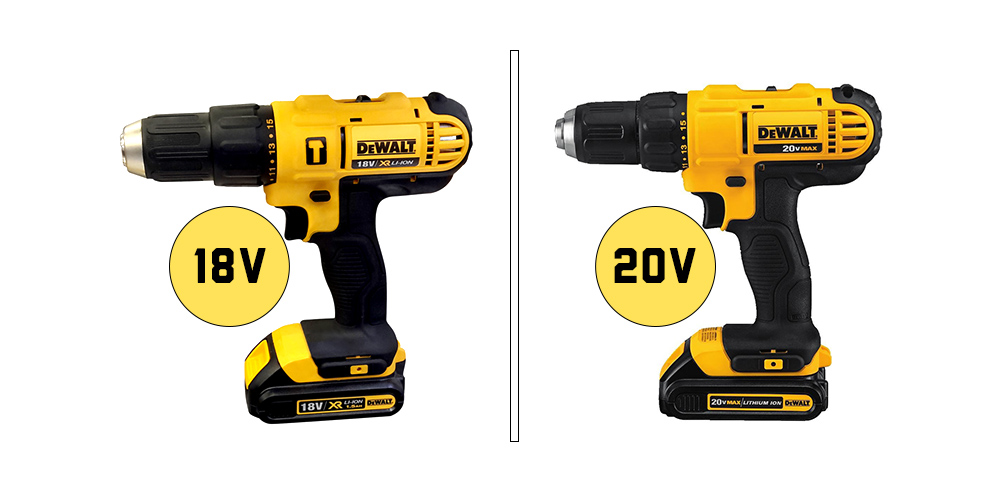
However, 18V drills and 20V drills often use the same battery cells. Many batteries have five cells, each with a maximum voltage of 4 volts and a nominal (average) voltage of 3.6 volts. So, five cells times 3.6V gives you 18V. Five cells times 4V gives you 20V. The difference is in how brands label the batteries.
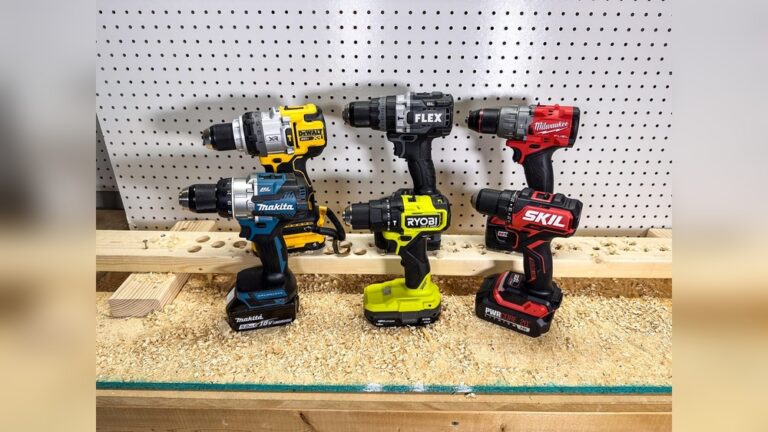
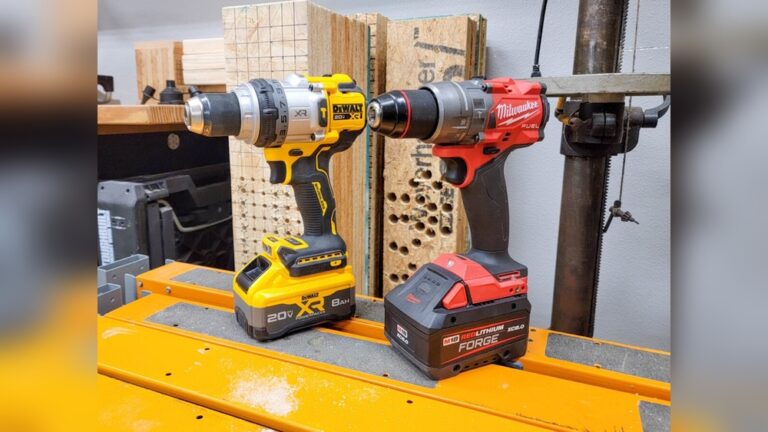
Some brands use the maximum voltage for marketing (20V), while others use the nominal voltage (18V). This means that, technically, an 18V drill and a 20V drill can be almost identical inside. The real difference is not always in the voltage, but in the features, build quality, and brand.
18v Drill: Features, Strengths, And Limitations
The 18V drill is one of the most popular cordless tools for homeowners and professionals. It’s been around for many years, trusted for its balance of power and size.
Main Features Of 18v Drills
- Nominal battery voltage: 18V (using 3.6V per cell)
- Torque range: Usually from 300 to 800 inch-pounds, depending on model
- Weight: Typically 3 to 5 pounds with battery
- Common brands: Makita, Bosch, Milwaukee, Ryobi
18V drills are known for being reliable. They handle most tasks, like drilling wood, metal, drywall, and driving screws. Some models are compact and lightweight, making them easy to use for long periods. Others are heavy-duty, built for tough jobs.
Strengths Of 18v Drills
- Good power for most tasks: Enough torque for common materials
- Balanced size and weight: Not too heavy, easy to control
- Affordable options: Many brands and models under $100
- Wide compatibility: Batteries often fit other tools from the same brand
Many homeowners choose 18V drills because they are strong enough for furniture assembly, hanging shelves, or simple repairs. Professionals use them for regular construction work.
Limitations Of 18v Drills
- Not always enough for very hard materials: For thick steel or masonry, you might need more power
- Battery life depends on capacity: Small batteries may run out fast
- Some models lack advanced features: Like brushless motors or smart controls
A common mistake is assuming all 18V drills are equal. In reality, there’s a big difference between entry-level and pro-grade models. Always check the torque, speed, and battery specs before buying.

Credit: www.youtube.com
20v Drill: Features, Strengths, And Limitations
The 20V drill is often marketed as “higher power.” But as discussed earlier, the actual battery may be similar to the 18V drill. Still, some brands use the 20V label to show their tool is modern, strong, or advanced.
Main Features Of 20v Drills
- Maximum battery voltage: 20V (using 4V per cell)
- Torque range: Often 350 to 850 inch-pounds, depending on model
- Weight: Usually 3.5 to 5.5 pounds with battery
- Common brands: DeWalt, Porter-Cable, Black+Decker
20V drills are popular for construction, renovation, and DIY. Many models come with extra features, like brushless motors, LED lights, or smart battery management.
Strengths Of 20v Drills
- Strong torque: Good for drilling thick wood, metal, and masonry
- Modern features: Many models have brushless motors, longer battery life
- High battery capacity: Often available with larger batteries (2.0Ah, 4.0Ah, or more)
- Heavy-duty performance: Suitable for tough jobs
Some 20V drills are designed for professionals. They deliver strong power, fast drilling, and reliable battery performance. Homeowners also like them for big renovation projects.
Limitations Of 20v Drills
- Heavier and larger: Some models feel bulky after long use
- Higher price: Advanced features and branding can raise the price
- Marketing confusion: Not always “better” than 18V, as explained
A non-obvious insight is that some brands offer the same drill in both 18V and 20V versions, just with different labeling. Always check the real specs, not just the voltage number.
18v Vs 20v Drill: Technical Comparison
Let’s look at the technical details side by side. Here’s a comparison showing key specs for typical models:
| Feature | 18V Drill | 20V Drill |
|---|---|---|
| Nominal Battery Voltage | 18V (3.6V per cell) | 20V (4.0V per cell) |
| Maximum Torque | 300–800 in-lbs | 350–850 in-lbs |
| Weight (with battery) | 3–5 lbs | 3.5–5.5 lbs |
| Common Battery Sizes | 1.5Ah, 2.0Ah, 3.0Ah | 2.0Ah, 4.0Ah, 5.0Ah |
| Brushless Motor | Available on some models | Available on most models |
| LED Light | Sometimes included | Often included |
The table shows that 18V drills and 20V drills share many features. The main difference is often the marketing label, not the real power.
Battery Technology: What’s Inside?
Cordless drills use lithium-ion batteries. These batteries have several cells inside. The number of cells and the voltage per cell determine the total voltage.
- 18V battery: Five cells, each with 3.6V nominal voltage (total 18V)
- 20V battery: Same five cells, but counted at the maximum 4V per cell (total 20V)
When you use the drill, the battery operates closer to the nominal voltage (18V). The “20V” label comes from measuring the battery when fully charged, not during use.
A useful insight: Some brands will sell a 20V drill in the US, but call the same tool “18V” in Europe. The tool and battery are the same. This is a marketing difference, not a technical one.
Real-world Performance: Does Voltage Matter?
Most buyers want to know if a 20V drill is actually stronger or faster than an 18V drill. The answer depends on several factors:
- Battery capacity (Ah): Bigger batteries last longer, give more power
- Motor efficiency: Brushless motors use energy better, deliver more torque
- Drill design: Gearbox, chuck, and electronics affect performance
In real use, a good quality 18V drill can match the power of a 20V drill. A poor quality 20V drill may be weaker than a pro-grade 18V model.
Here’s a practical example:
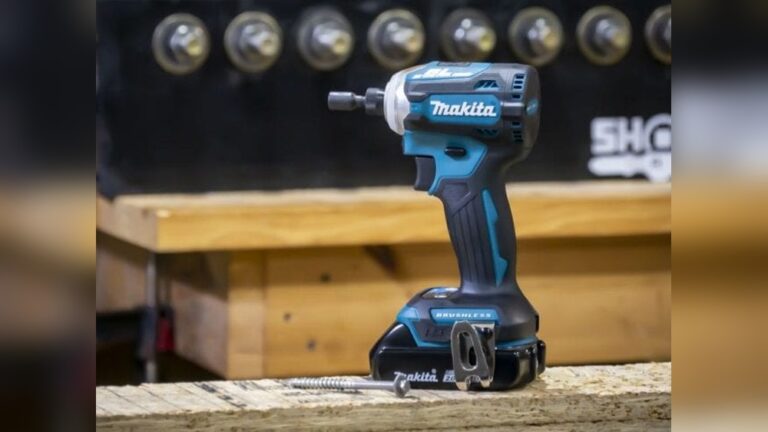
- An 18V Makita drill with a 3.0Ah battery can drive 2-inch screws into hardwood easily.
- A 20V DeWalt drill with a 2.0Ah battery can do the same job, but may not last as long before needing recharge.
The real performance depends on more than just the voltage number. Always check the torque rating, battery capacity, and motor type.

Credit: cisivistools.com
Comparing Popular Brands: 18v Vs 20v Drill Models
Many top brands offer both 18V and 20V drills. Let’s compare some popular models:
| Brand | 18V Model | 20V Model | Torque (in-lbs) | Battery Options | Price Range (USD) |
|---|---|---|---|---|---|
| Makita | XFD10 | None (US) | 480 | 1.5–3.0Ah | $90–$160 |
| DeWalt | None (US) | DCD771 | 530 | 1.5–5.0Ah | $100–$180 |
| Milwaukee | M18 | None (US) | 500 | 1.5–5.0Ah | $120–$200 |
| Black+Decker | None | LDX120C | 115 | 1.5–2.0Ah | $60–$80 |
Some brands only use “18V” or “20V” labeling, but the actual tool may be similar inside. The torque and battery options matter more than the voltage label.
Common Buyer Mistakes: Avoiding Confusion
Many buyers make mistakes when choosing a drill. Here are some tips to avoid them:
- Believing voltage means everything: The 20V label does not always mean more power.
- Ignoring battery capacity: Look for higher Ah (amp-hour) batteries for longer run time.
- Missing motor type: Brushless motors are more efficient and durable.
- Overpaying for marketing: Some brands charge more for “20V” drills, but the real difference is small.
- Skipping torque rating: Always check the torque, not just voltage.
A non-obvious tip: If you already own tools from one brand, buy a drill from the same brand. This lets you share batteries and chargers.
Price And Value: Which Is Better For Your Money?
Price is a big factor for most buyers. Let’s compare typical price ranges:
- 18V drill: $60–$200, depending on brand and features
- 20V drill: $70–$250, depending on brand and features
Low-cost drills are often less durable and weaker. High-end models are stronger, last longer, and have more features. Sometimes, a “20V” model costs more just because of the label.
Value depends on your needs. For simple home tasks, an affordable 18V drill is usually enough. For heavy-duty work, a pro-grade 20V drill with a brushless motor and big battery is a good investment.
Features That Matter: Beyond Voltage
When choosing a drill, look for these features:
- Torque: Higher torque means more power for tough materials
- Battery capacity: Bigger batteries last longer, but add weight
- Motor type: Brushless motors are quieter, cooler, and more efficient
- Speed settings: Multiple speeds let you control drilling and driving
- Chuck size: 1/2-inch chucks fit larger bits, 3/8-inch for smaller jobs
- LED light: Useful for working in dark spaces
- Ergonomics: Comfortable grip, balanced weight
Some advanced models have smart features, like Bluetooth tool tracking or electronic clutch. For most users, the basics—power, battery, comfort—are most important.
Application Scenarios: Which Drill Fits Your Needs?
Different jobs need different tools. Here’s how to decide:
Home Use
For assembling furniture, hanging shelves, or fixing doors, an 18V drill is usually enough. It’s light, affordable, and easy to handle.
Diy And Renovation
If you build decks, install cabinets, or remodel rooms, a 20V drill with a big battery and high torque will help. It handles tough jobs and lasts longer.
Professional Use
For construction, electrical work, or plumbing, choose a pro-grade 18V or 20V drill with brushless motor and high capacity battery. These models are reliable for daily use and heavy materials.
Battery Life And Charging: Real Differences
Battery life depends on capacity (Ah), motor efficiency, and work intensity. Bigger batteries last longer but add weight.
Charging time varies:
- Standard charger: 1–2 hours for most batteries
- Fast charger: 30–60 minutes for high-end models
A smart tip: Buy an extra battery so you can work while one charges. Also, check if your charger works with other tools from the same brand.
Durability And Maintenance
Durability is key for professionals. Look for these signs:
- Metal gearbox: Stronger than plastic, lasts longer
- Brushless motor: Fewer parts to wear out, less maintenance
- Sealed electronics: Protects from dust and moisture
Maintenance is simple: Keep batteries charged, clean the drill, and avoid dropping it. Store batteries in a cool, dry place.
A surprising insight: Battery life shortens if you store it fully discharged. Always recharge after use.
Accessories And Expansion
Most drills come with basic accessories: battery, charger, and a few bits. Some kits include:
- Extra batteries
- Carrying case
- Drill bits and driver bits
- Belt clip
If you plan to expand your tool collection, check if your drill’s battery fits other tools (saws, sanders, lights). This can save money and space.
Safety Tips For Using Cordless Drills
Safety is important. Follow these tips:
- Wear safety glasses to protect your eyes from flying debris
- Keep fingers away from the bit while drilling
- Use the correct bit for the material
- Avoid over-tightening screws, which can strip threads
- Store the drill safely after use
Remember, a powerful drill can cause injury if not used carefully. Read the user manual and follow all safety instructions.
Environmental Impact: Battery Recycling
Lithium-ion batteries are powerful but must be recycled properly. Never throw them in the trash. Many local stores and recycling centers accept used batteries.
Proper recycling prevents pollution and saves valuable materials. For more info on battery recycling, visit EPA Recycling Guide.
How To Choose: Step-by-step Guide
Here’s a simple process for choosing your drill:
- List your main tasks: Home repairs, DIY, professional work?
- Set your budget: How much can you spend?
- Check compatibility: Do you have other tools from the same brand?
- Compare torque and battery: Higher torque and bigger battery for tough jobs
- Look for features: Brushless motor, LED light, ergonomic grip
- Read reviews: Look for real user feedback on performance and durability
Avoid being distracted by marketing numbers. Focus on what you need.
Frequently Asked Questions
What Is The Real Difference Between 18v And 20v Drills?
The main difference is the way brands label their batteries. Both use five lithium-ion cells, but 18V is the nominal voltage (average during use), while 20V is the maximum when fully charged. Most 18V and 20V drills are similar inside.
The real difference is in features, torque, and battery capacity.
Are 20v Drills Always More Powerful Than 18v Drills?
No. Some 18V drills are stronger and more durable than 20V models. The power depends on the torque rating, motor type, and battery size—not just the voltage number.
Can I Use 18v Batteries In A 20v Drill?
Usually, no. Brands design their batteries and tools to fit together. If both tools are from the same brand and line, you might be able to use the same battery. Always check the manufacturer’s instructions.
What Is The Best Voltage For Home Use?
An 18V drill is enough for most home repairs and DIY projects. It’s light, affordable, and strong. If you plan to do heavy-duty work, a 20V drill with a big battery is a good choice.
How Long Do Drill Batteries Last Before Needing Replacement?
Lithium-ion batteries last 2–5 years, depending on use and care. Charging properly, storing in cool places, and not fully discharging them will extend battery life. Replace batteries when they stop holding a charge.
Credit: woodworkjunkie.com
Making Your Final Choice
Choosing between an 18V drill and a 20V drill is not just about the voltage label. Both tools can do excellent work. The real secret is in the features, battery capacity, motor type, and build quality. Ignore the marketing hype—focus on your needs.
If you want a reliable tool for home, an 18V drill from a trusted brand will serve you well. For bigger projects or professional use, look for a high-torque 20V drill with a brushless motor and a large battery. Check compatibility with other tools, read user reviews, and compare real specs, not just the numbers on the box.
Remember, a good drill is a lifetime investment. It will help you finish jobs faster, safer, and with better results. Take your time, compare carefully, and you’ll make a choice you won’t regret.