Ryobi Vs Makita Drill: Which One Is Right For You?
Choosing the right power drill makes a big difference for any project. Whether you are a DIY beginner or a professional contractor, the right tool saves you time, money, and frustration. Two of the most popular brands in the world of power tools are Ryobi and Makita. Both offer a wide range of drills, but they appeal to different users and needs. If you are deciding between a Ryobi drill and a Makita drill, you are not alone. Many people wonder which brand gives better performance, value, and long-term reliability.
This article will help you compare Ryobi and Makita drills in detail. We will look at build quality, performance, features, price, battery systems, and more. You will also see real examples, data, and user experiences to guide your choice. By the end, you will have a clear idea of which drill suits your needs best.
Brand Background: Ryobi And Makita
Before comparing the drills, it helps to understand the brands behind them.
Ryobi
Ryobi is a Japanese brand owned by Techtronic Industries (TTI). It is known for making affordable, user-friendly power tools for home users and light professionals. Ryobi’s tools are widely available in stores like Home Depot. The company focuses on providing value for money, with features that make DIY projects easier.
Makita
Makita is also a Japanese company but focuses more on professional-grade power tools. Founded in 1915, Makita is respected for its innovation, durability, and consistent performance. Makita tools are used by tradespeople worldwide and are well-regarded for their reliability in tough jobsite conditions. Makita products often cost more but are built to last.
Build Quality And Durability
Materials And Construction
Makita drills are usually made with higher-grade materials. They often have metal gear housings and reinforced bodies. This makes them more resistant to drops and tough use. Many Makita drills can handle regular work on construction sites.
Ryobi drills, while sturdy, use more plastic in their construction. This makes them lighter but sometimes less durable if dropped or used in very harsh environments. Ryobi tools are designed for home use, not heavy-duty daily work.
Longevity
Professional users often report that Makita drills last for years, even with daily use. Internal components like brushless motors and all-metal gears help reduce wear over time. Ryobi drills can last a long time with light use, but they may show signs of wear faster if used heavily.
Real-world Example
A carpenter using a Makita drill daily for framing jobs expects it to last 3–5 years or more. A Ryobi drill used for weekend projects at home might last just as long, but if used every day on a jobsite, it may need replacing sooner.

Credit: www.reddit.com
Performance And Power
Torque And Speed
Makita drills almost always offer higher torque and faster speeds. For example, the popular Makita XFD131 18V LXT drill delivers up to 440 inch-pounds of torque. In comparison, the Ryobi P215 18V ONE+ drill delivers up to 340 inch-pounds. Makita’s higher torque means it can drive bigger screws and drill larger holes with less strain.
Motor Technology
Makita leads with brushless motors in many of their drills. Brushless motors are more efficient, run cooler, and last longer. Ryobi offers both brushed and brushless models, but their brushless options are often found in higher-priced kits.
Battery Voltage And Runtime
Both brands offer 18V systems, but Makita batteries typically offer more consistent power delivery and longer runtime. For example, a Makita 18V 3.0Ah battery can often drive more screws per charge than Ryobi’s 18V 2.0Ah battery. However, Ryobi’s ONE+ system is compatible with all their 18V tools, making battery sharing easy.
Example: Drilling Speed Test
In head-to-head tests, Makita drills often finish drilling a 1/2-inch hole through 2×4 wood faster than Ryobi. For light tasks, the difference is small, but with larger or harder materials, Makita pulls ahead.
Features And User Experience
Ergonomics
Makita drills are designed for comfort during long use. Their handles fit naturally in the hand, and the tool’s weight is balanced. This reduces hand fatigue, especially when working overhead or in tight spaces.
Ryobi drills are usually a bit bulkier and sometimes heavier, especially with larger batteries. This can make them a bit harder to use for long periods, but for short tasks, the difference is not always noticeable.
Controls And Settings
Both brands offer two-speed gearboxes, variable speed triggers, and adjustable clutch settings. Makita’s controls feel smoother and more precise, which matters when you need delicate control, like driving screws into softwood.
Ryobi drills often have more obvious markings, which is helpful for beginners. Their controls are straightforward, with fewer advanced options—making them easy to use right out of the box.
Led Work Lights And Accessories
Most modern drills from both brands include LED work lights. Makita models tend to have brighter, better-placed lights that reduce shadows. Ryobi’s lights are functional but not as advanced.
Both brands also offer a range of accessories, like belt clips, bit holders, and carrying cases. Makita often includes these in their kits, while Ryobi may sell them separately.
Price And Value
Upfront Cost
Ryobi drills are generally much cheaper than Makita. A basic Ryobi drill kit (with battery and charger) can cost as little as $60–$80 USD. A similar Makita kit usually starts around $120–$150 USD.
If you want a brushless drill, the price difference grows. Makita’s brushless kits can cost $200 or more, while Ryobi’s brushless kits are usually around $120–$150.
Long-term Value
If you use a drill every day for work, Makita’s higher price can pay off over time. The drill is likely to last longer, saving you from buying replacements. For light use, Ryobi offers great value—why pay more for features you may not need?
Cost Of Batteries And Accessories
Batteries are a big part of tool costs. Ryobi’s ONE+ batteries are usually cheaper and can be used across all their tools. Makita’s batteries are more expensive, but they often offer longer life and better performance.
Battery Systems And Compatibility
Ryobi One+ Battery System
Ryobi’s ONE+ system is a big selling point. All Ryobi 18V tools (over 260 models) use the same battery. If you own other Ryobi tools—like saws, blowers, or lights—your drill’s batteries will fit them too. This saves money and makes it easier to expand your tool collection.
Makita Lxt Battery System
Makita’s LXT system also uses 18V batteries, but is designed for professional use. LXT batteries are known for fast charging and long life. Makita offers over 275 tools that use the same battery platform, from drills to rotary hammers and even vacuums.
Charging Speed
Makita’s chargers are generally faster, charging a 3. 0Ah battery in about 30 minutes. Ryobi chargers take about 60 minutes for a similar-sized battery. If you need to keep working all day, Makita’s system saves time.
Range Of Drill Models
Both brands offer a wide variety of drills. Here is a look at some popular models from each:
| Ryobi Model | Type | Max Torque | Special Features |
|---|---|---|---|
| P215 18V ONE+ | Drill/Driver | 340 in-lbs | 2-speed, LED light |
| P1813 18V ONE+ | Hammer Drill | 750 in-lbs | Hammer mode, 24 clutch positions |
| P252 18V ONE+ | Brushless Drill/Driver | 400 in-lbs | Brushless motor, LED light |
| Makita Model | Type | Max Torque | Special Features |
|---|---|---|---|
| XFD131 18V LXT | Drill/Driver | 440 in-lbs | Brushless motor, ergonomic design |
| XPH12Z 18V LXT | Hammer Drill | 530 in-lbs | Hammer mode, compact size |
| XFD11ZB 18V LXT | Sub-Compact Drill/Driver | 350 in-lbs | Ultra-lightweight, brushless motor |
User Feedback And Reviews
Ryobi User Experience
Ryobi drills are praised by home users for being affordable, easy to use, and reliable for light tasks. Many homeowners use Ryobi drills for furniture assembly, hanging shelves, and other small projects. Users appreciate the large selection of compatible tools and batteries.
However, some users note that Ryobi drills can struggle with heavy-duty tasks, like drilling into masonry or driving long lag bolts. The plastic construction sometimes feels less premium, and the batteries may lose power faster under continuous use.
Makita User Experience
Professional users often choose Makita for its power, compact size, and long battery life. Many report that Makita drills feel solid and run smoothly, even after years of heavy use. The brushless motors are very quiet and efficient.
Some beginners find Makita’s price high, and the advanced features can be confusing if you are new to power tools. Still, most users agree that Makita offers excellent quality and reliability.

Credit: www.youtube.com
Unique Features And Innovations
Ryobi
- MagTray magnetic holder: A small magnetic tray on some Ryobi drills to hold screws and bits, which is very handy for home projects.
- Tri-beam LED lighting: Some models use three LEDs for better visibility.
- Tool compatibility: Over 260 tools use the same ONE+ battery, from radios to hedge trimmers.
Makita
- Star Protection Computer Controls: Prevents overloading and overheating of the tool and battery.
- Extreme Protection Technology (XPT): Protects the tool from dust and water on the jobsite.
- Compact design: Many Makita drills are smaller and lighter without losing power, making them easier to use in tight spaces.
Warranty And Support
Ryobi Warranty
Ryobi offers a 3-year limited warranty on its power tools. This covers defects in materials and workmanship, but not normal wear or abuse. Warranty service is usually handled through authorized service centers or the store where you bought the tool.
Makita Warranty
Makita provides a 3-year limited warranty on its tools and batteries. Makita’s warranty service is often praised for being fast and professional. Some users report easy replacements and repairs.
Customer Support
Both brands offer online support, manuals, and troubleshooting guides. Makita’s support is generally rated higher for professionalism, while Ryobi’s is considered helpful and friendly.
Environmental Impact
Battery Recycling
Both brands participate in battery recycling programs. Makita and Ryobi encourage users to recycle old batteries at authorized centers to reduce landfill waste.
Energy Efficiency
Brushless motors in Makita drills use less energy, which means fewer battery charges and a smaller carbon footprint over time. Ryobi also offers brushless models, but most of their range still uses traditional brushed motors.
Practical Buying Advice
Who Should Choose Ryobi?
- Homeowners and DIYers: If you need a drill for occasional home repairs, Ryobi is a smart choice. It is affordable and easy to use.
- Budget-conscious buyers: Ryobi’s lower price lets you buy more tools for less money.
- People with existing Ryobi tools: If you already own Ryobi tools, adding another drill is cost-effective because you can share batteries.
Who Should Choose Makita?
- Professionals and serious DIYers: If you use your drill daily or for heavy tasks, Makita’s durability and power are worth the investment.
- Those who value quality: Makita’s build quality and advanced features make it a favorite for demanding users.
- Long-term tool users: If you want a drill that will last for years, Makita is the safer bet.
Two Insights Many Beginners Miss
- Total system cost matters more than just the drill price. If you expand your tool collection later, battery compatibility and accessory costs can add up. Ryobi’s ONE+ and Makita’s LXT both save money in the long run, but only if you stick to one brand.
- Brushless motors are a game-changer. Even if you start with a cheaper brushed drill, upgrading to a brushless model (from either brand) gives you more power, longer tool life, and better battery efficiency. It’s worth considering if you plan to use your drill often.
Side-by-side Comparison: Ryobi Vs Makita
To make things clearer, here’s a direct comparison of key features:
| Feature | Ryobi | Makita |
|---|---|---|
| Price Range | Lower | Higher |
| Best for | Home use, DIY | Professional, heavy-duty |
| Torque | Up to 750 in-lbs (hammer drill) | Up to 530 in-lbs (hammer drill) |
| Motor Type | Brushed/Brushless | Mainly Brushless |
| Battery Platform | ONE+ (260+ tools) | LXT (275+ tools) |
| Warranty | 3 years | 3 years |
| Weight | Often heavier | Generally lighter |
| Charging Time | ~60 mins (2Ah) | ~30 mins (3Ah) |
| Beginner Friendly | Very | Moderate |
| Professional Use | Not ideal | Excellent |
Frequently Asked Questions
Are Ryobi Drills Good For Professional Use?
Ryobi drills are designed mainly for home and light-duty projects. While they can handle some heavy tasks, they are not built for daily, professional jobsite use. For contractors or tradespeople, Makita (or other pro brands) is a better choice.
Can Ryobi And Makita Batteries Be Used Interchangeably?
No, Ryobi and Makita batteries are not interchangeable. Ryobi uses the ONE+ system, while Makita uses the LXT system. Each brand’s battery is only compatible with its own tools.
What Is The Main Difference Between Brushed And Brushless Motors?
Brushless motors are more efficient, create less heat, and usually last longer than brushed motors. Both Ryobi and Makita offer brushless drills, but Makita uses this technology in more of its models.
Which Brand Is More Affordable In The Long Run?
If you use your drill occasionally, Ryobi is usually more affordable. But if you use your drill frequently, Makita’s longer lifespan and better performance may save you money over time.
Where Can I Find More Detailed Tool Reviews And Comparisons?
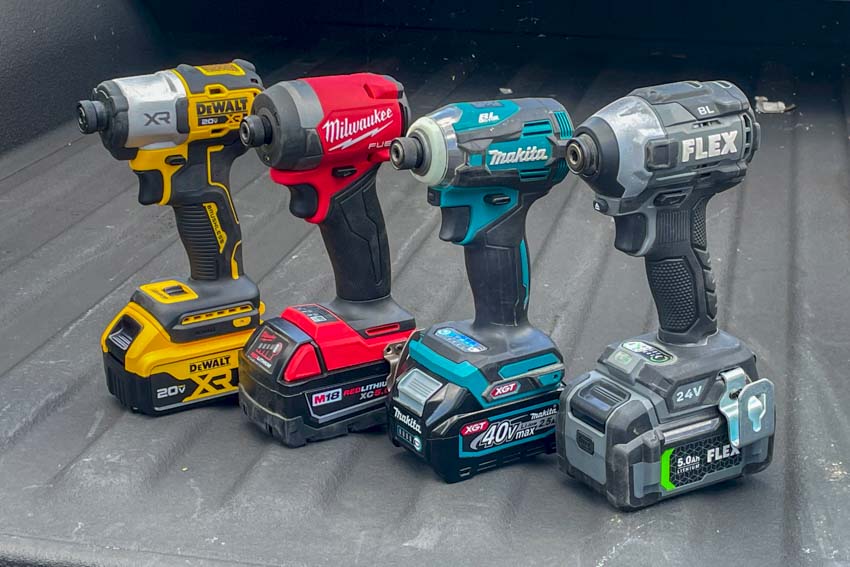
For in-depth reviews and tool tests, check resources like Pro Tool Reviews, which regularly compares Ryobi, Makita, and other brands.
Credit: www.protoolreviews.com
Final Thoughts
Choosing between Ryobi and Makita drills depends on your needs, budget, and how often you plan to use the tool. Ryobi is a fantastic option for homeowners, DIYers, and anyone looking for an affordable, reliable drill for light tasks. The ONE+ battery system and wide tool range make it easy to expand your collection without breaking the bank.
Makita is the top choice for professionals and serious DIYers who need more power, longer tool life, and a tool that can handle daily jobsite abuse. While Makita costs more upfront, its quality and performance are worth it for those who rely on their tools every day.
No matter which brand you choose, understanding your own needs and how you’ll use your drill is the key to making the right investment. Both Ryobi and Makita deliver trusted performance in their own ways, so you can’t go wrong—just pick the one that matches your projects and future plans.