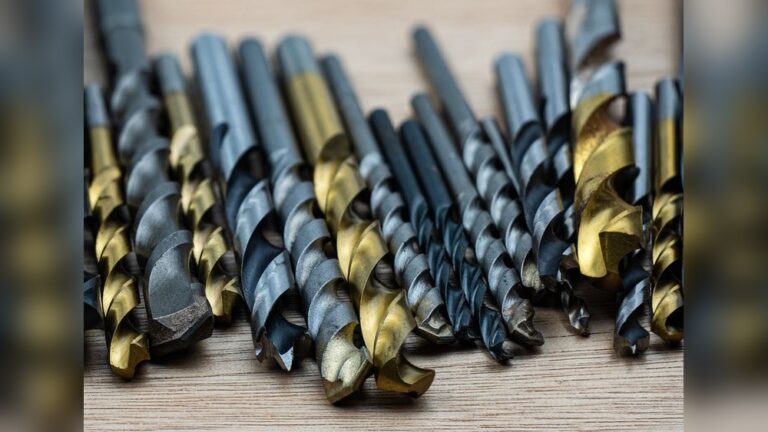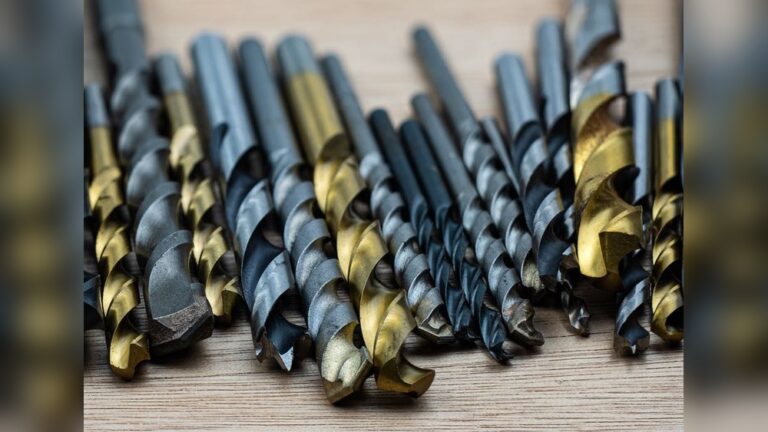
Carbide drill bits are a game changer for anyone working with tough materials. Whether you are a professional machinist, a DIY enthusiast, or someone in construction, these drill bits offer performance that standard steel bits simply cannot match. But what exactly are carbide drill bits, and why are they so important in modern drilling?
Many people know they are “harder,” but few understand what makes them unique, how they work, and when they are truly necessary.
Let’s dive deep into this essential tool. You’ll discover not just how carbide drill bits are made, but also what makes them different, how to select the right one, and practical advice for making the most of their power. We’ll also cover mistakes that new users often make, and answer the top questions people have about carbide drill bits.
By the end of this article, you’ll have a clear, complete understanding—ready to choose, use, and care for carbide drill bits confidently.
What Is A Carbide Drill Bit?
A carbide drill bit is a cutting tool made from tungsten carbide, a chemical compound combining tungsten and carbon. Tungsten carbide is extremely hard—almost as hard as diamond. This hardness gives the drill bit its superior cutting ability and durability, allowing it to cut through materials that would quickly wear down other bits.
Most carbide drill bits are actually made from solid carbide or have a carbide tip bonded to a steel shank. The solid carbide bits are more expensive but offer higher strength and longer life. The tipped versions are more affordable but still provide much of the performance.
Why Tungsten Carbide?
Tungsten carbide is valued for its:
- Hardness: About 8.5–9 on the Mohs scale (steel is 4.5–5).
- Wear resistance: Handles abrasive materials without losing its edge.
- Heat resistance: Can withstand high temperatures during drilling.
- Rigidity: Less likely to bend or flex, meaning cleaner holes.
These properties make carbide drill bits the tool of choice for drilling into hard metals, ceramics, glass, and other tough surfaces.
How Are Carbide Drill Bits Made?
The manufacturing process for carbide drill bits is complex and involves several steps:
- Powder Mixing: Tungsten and carbon powders are mixed together.
- Pressing: The mixture is pressed into the desired shape.
- Sintering: The pressed shapes are heated at very high temperatures, causing the powders to fuse into a solid mass.
- Grinding and Shaping: The bit is ground to its final form, including the cutting edges.
- Attachment to Shank: For tipped bits, the carbide is bonded to a steel shank.
The result is a drill bit with an extremely hard cutting surface, able to perform where other bits fail.
Solid Carbide Vs. Carbide-tipped
Solid carbide bits are made entirely from tungsten carbide. They are:
- More expensive
- More brittle (can snap if misused)
- Longer lasting
Carbide-tipped bits have only the tip made from carbide, with a steel body. They are:
- Less expensive
- Less brittle
- Still effective for many hard materials
What Makes Carbide Drill Bits Different?
Carbide drill bits stand out because of their ability to handle difficult materials and maintain sharpness. Here’s how they differ from other drill bits:
Hardness And Strength
Carbide bits are much harder than high-speed steel (HSS) or cobalt bits. This means they can drill into hard metals (like stainless steel), ceramics, and even stone, where other bits would fail or dull quickly.
Heat Resistance
During drilling, friction generates heat. Carbide bits can withstand much higher temperatures without losing their hardness, making them ideal for continuous or high-speed drilling.
Precision
Because carbide is so rigid, these bits produce cleaner, more accurate holes. This is important in industries like aerospace, automotive, and electronics.
Longevity
Carbide drill bits last significantly longer than HSS or cobalt bits. This reduces the need for frequent replacements and improves productivity.
Brittle Nature
One downside: carbide is more brittle. If you misuse the bit—like applying too much sideways force—it can snap. Proper technique and equipment are essential.
Types Of Carbide Drill Bits
Carbide drill bits come in several types, each designed for different materials and purposes. Understanding these helps you choose the right tool.
1. Solid Carbide Twist Drill Bits
These are the most common, used for precision drilling in hard metals, plastics, and composites. They have a spiral flute for removing chips.
2. Carbide-tipped Masonry Bits
Designed for drilling into concrete, stone, and brick. The carbide tip breaks through tough surfaces, while the steel body absorbs shock.
3. Carbide Micro Drill Bits
Tiny bits for electronics, jewelry, and small-scale work. They deliver extreme precision but require careful handling due to their fragility.
4. Carbide Spade Drill Bits
Flat blades with carbide edges, used for larger holes in wood or soft materials. Not as common, but useful for certain jobs.
5. Carbide Step Drill Bits
These bits have multiple steps, each larger than the last. They are used for drilling holes of different sizes in thin materials, like sheet metal.
6. Carbide Glass And Tile Drill Bits
Special tips allow these bits to cut through glass, ceramics, and tiles without cracking. Essential for home renovation and art projects.
7. Carbide Pcb Drill Bits
Used in printed circuit board (PCB) manufacturing. Small, precise, and often used in automated machines.
8. Carbide Center Drill Bits
Used to start holes accurately, ensuring other bits don’t wander. Crucial in metalworking.
Applications: Where Carbide Drill Bits Shine
Carbide drill bits are not used everywhere—they are reserved for the toughest jobs. Here are some key areas where they excel:
Metalworking
In machine shops, carbide bits are used to drill stainless steel, cast iron, titanium, and other hard alloys. Their sharpness and strength allow for high-speed, accurate drilling.
Construction
For drilling into concrete, stone, and masonry, carbide-tipped bits are standard. They resist wear and can handle repeated impacts.
Electronics
Making holes in PCBs and tiny components requires micro carbide bits. Their precision and durability are unmatched for these delicate tasks.
Glass And Ceramics
Carbide bits can drill through glass and ceramic tiles without shattering them. This is important in bathroom renovations, kitchen work, and crafts.
Woodworking
While not as common, carbide bits are sometimes used in woodworking for drilling through hardwoods or engineered materials.
Aerospace
The aerospace industry relies on carbide drill bits for working with advanced composites and tough metals. Consistent, high-quality holes are essential for safety.
How To Choose The Right Carbide Drill Bit
Selecting the correct carbide drill bit depends on several factors. Here’s how to make a smart choice:
1. Material To Be Drilled
Match the bit to the material. For hard metals, use solid carbide twist bits. For concrete, choose carbide-tipped masonry bits. For glass, pick specialized glass drill bits.
2. Bit Size And Type
Choose the correct diameter and length for your project. Micro bits are needed for tiny holes, step bits for variable sizes, and spade bits for larger holes.
3. Machine Compatibility
Ensure your drill or machine can handle carbide bits. Some are designed for high-speed CNC machines, others for handheld drills.
4. Budget
Solid carbide bits are costly but last longer. Carbide-tipped bits are more affordable and still offer good performance.
5. Quality
Look for reputable brands and check user reviews. Cheap carbide bits may have poor bonding or inconsistent material, leading to failures.
6. Coatings
Some carbide bits have coatings (like titanium nitride) for even better performance. Consider these if you need extra durability.
Comparing Carbide Drill Bits To Other Drill Bits
Let’s look at a direct comparison between carbide drill bits and other common types.
| Drill Bit Type | Hardness | Heat Resistance | Longevity | Price |
|---|---|---|---|---|
| High-Speed Steel (HSS) | Medium | Medium | Low | Low |
| Cobalt | High | High | Medium | Medium |
| Carbide-Tipped | Very High | Very High | High | Medium-High |
| Solid Carbide | Extremely High | Extremely High | Very High | High |
As shown, carbide drill bits outclass most others in terms of hardness and durability, but they are also more expensive.
Benefits Of Carbide Drill Bits
Carbide drill bits offer several major advantages:
- Drill hard materials: Can cut through steel, stone, ceramics, and more.
- Longer life: Last much longer than other bits, reducing replacement costs.
- Clean holes: Make precise, smooth holes with less burring.
- High-speed drilling: Can operate at higher speeds without losing sharpness.
- Heat resistance: Handle tough jobs where other bits overheat.
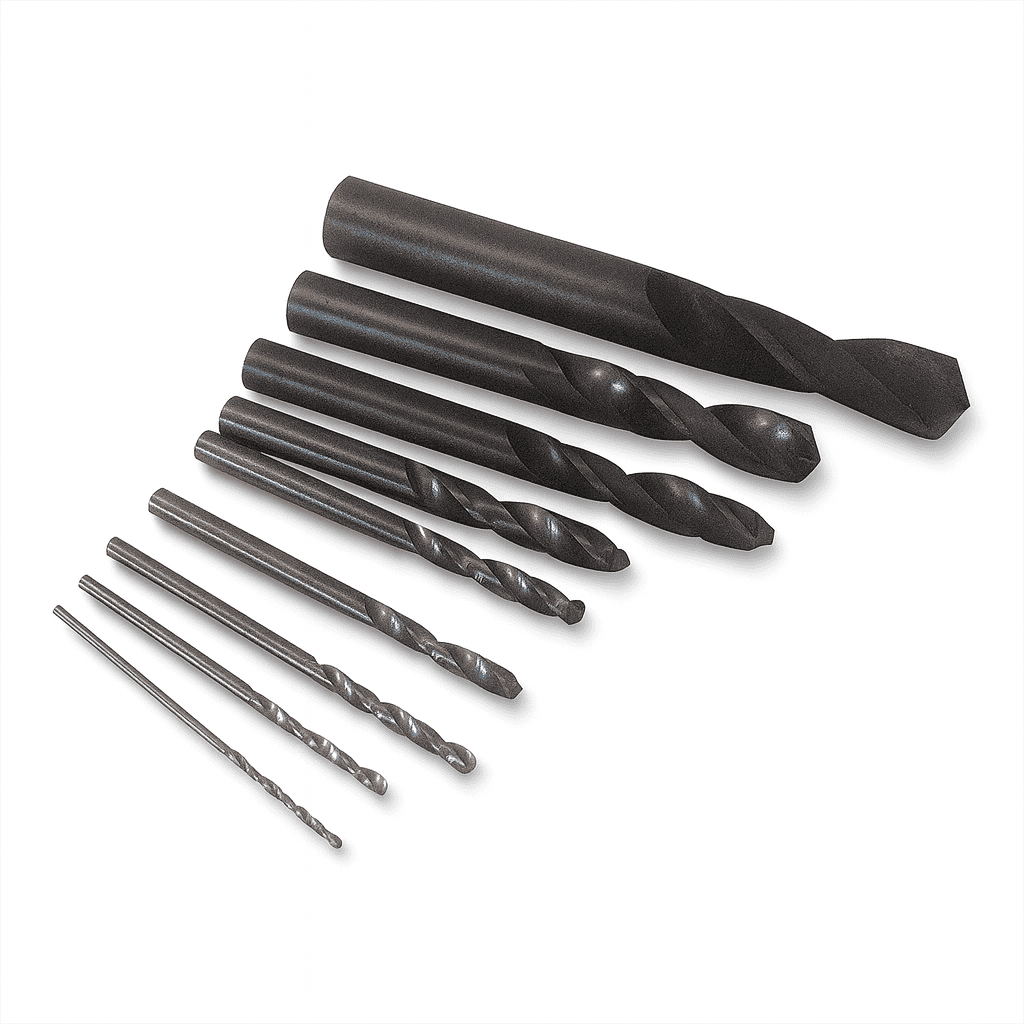
Non-obvious Insight 1: Reduced Tool Change Time
In professional settings, using carbide drill bits means fewer tool changes. This saves time and increases productivity, especially in automated systems.
Non-obvious Insight 2: Better Surface Finish
Carbide’s rigidity leads to a better finish on the drilled surface, which can reduce the need for post-processing. For example, in aerospace and automotive, this can be a big cost saver.
Credit: eternaltools.com
Drawbacks And Limitations
No tool is perfect. Here’s what you need to know about the downsides of carbide drill bits:
- Brittle: Can break if misused or subjected to side forces.
- Cost: More expensive than other types.
- Requires proper equipment: Not suitable for low-powered or unstable drills.
- Difficult to sharpen: Special equipment is needed to resharpen carbide bits.
Common Mistake: Using Carbide Bits In Handheld Drills
Beginners often use carbide bits in standard handheld drills. Because carbide is brittle, it can break if the drill wobbles or the bit bends. Always use stable, controlled equipment for carbide bits.
Common Mistake: Overheating Without Coolant
While carbide handles heat well, extreme temperatures can still cause damage. Using coolant or lubricant helps extend the life of your bit.
Practical Tips For Using Carbide Drill Bits
To get the most from your carbide drill bits, follow these practical guidelines:
1. Use The Right Speed
Carbide bits work best at higher speeds, but always check manufacturer recommendations. Too slow can cause chipping, too fast can cause overheating.
2. Keep The Bit Cool
Use cutting fluids or coolant, especially when drilling metal. This reduces heat and extends tool life.
3. Secure Your Workpiece
Ensure the material you are drilling is firmly clamped. Movement increases the risk of bit breakage.
4. Start With A Center Punch
For metal, use a center punch to mark the spot. This prevents the bit from wandering and ensures accuracy.
5. Avoid Side Pressure
Keep the drill perpendicular to the surface. Sideways force can snap the bit.
6. Clean Chips Regularly
Remove chips from the hole often. This prevents clogging and maintains performance.
7. Inspect The Bit Frequently
Check for chips or cracks. Replace the bit if damaged to avoid poor results or injury.
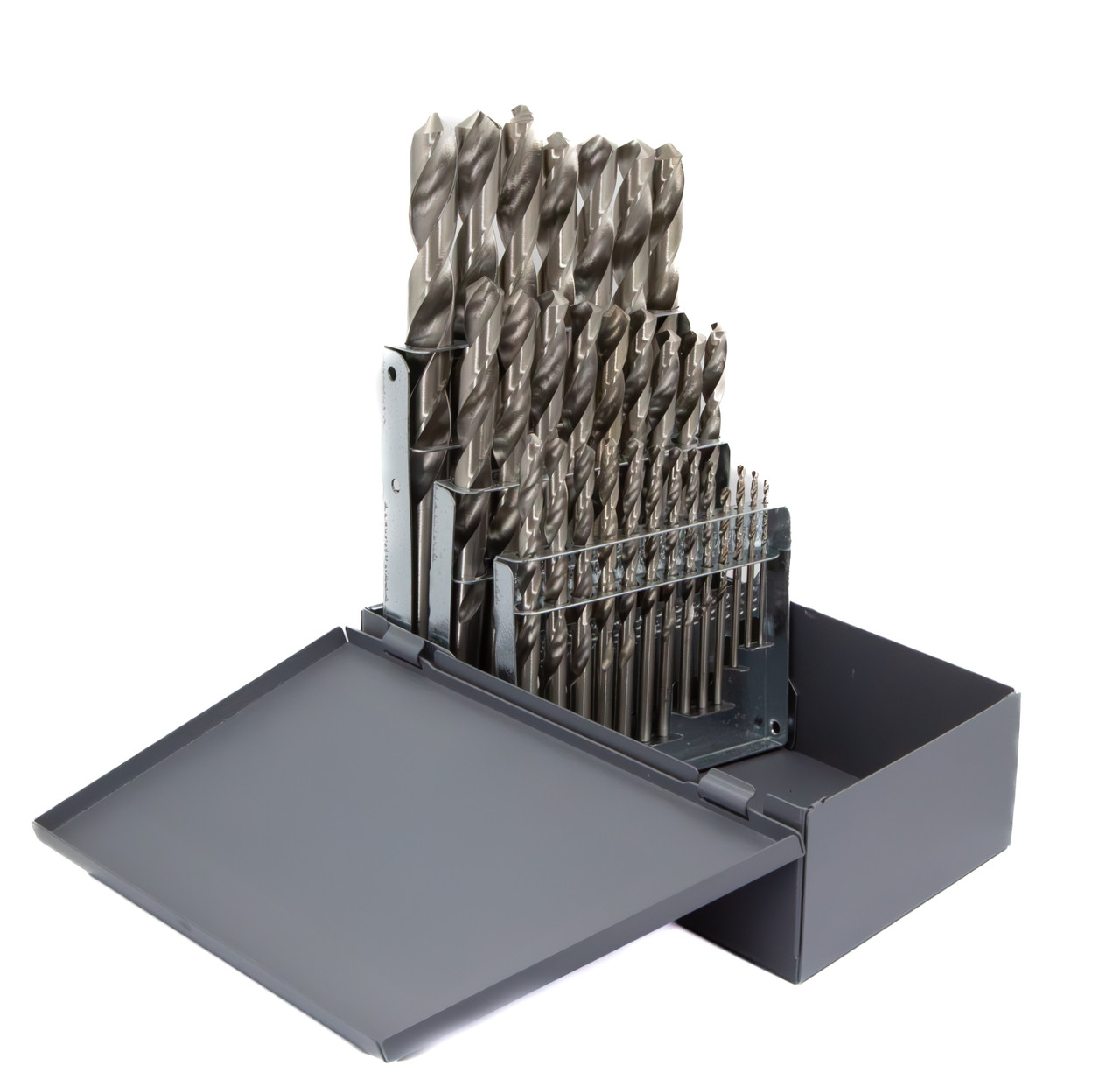
8. Store Properly
Store carbide bits in a padded case. Dropping or banging them can cause breakage.
Credit: drillsandcutters.com
Real-world Examples And Data
Carbide drill bits are used in many industries. Here are some real-world examples:
- Automotive manufacturing: Carbide bits help drill engine blocks made from hardened steel.
- Aerospace: Used for drilling titanium and composite materials in aircraft parts.
- Construction: Carbide-tipped bits are standard for concrete drilling.
- Electronics: PCB manufacturing relies on micro carbide bits.
Statistically, carbide bits can last 5–10 times longer than HSS bits when used correctly. In a machine shop, switching from HSS to carbide can reduce tool costs by up to 40% in the long term (source: industry studies).
Maintenance And Care
Taking care of carbide drill bits is essential for long life and performance. Here’s what to do:
Cleaning
After use, clean the bit with a brush and solvent. Remove all chips and debris.
Sharpening
Carbide bits require special diamond grinding wheels to sharpen. If you don’t have the right equipment, it’s better to have them professionally sharpened.
Storage
Keep bits in a protective case. Avoid moisture and impact.
Inspection
Regularly check for wear, chips, and cracks. Replace damaged bits immediately.
Carbide Drill Bits: A Comparison Of Use Cases
To help clarify which bit to use for which job, here’s a table comparing carbide bit types and their best uses:
| Bit Type | Best Material | Typical Use | Notes |
|---|---|---|---|
| Solid Carbide Twist | Hard metals | Precision machining | Needs stable machine |
| Carbide-Tipped Masonry | Concrete, stone | Construction | Good shock resistance |
| Micro Carbide | PCBs, jewelry | Electronics, crafts | Very fragile |
| Glass and Tile Carbide | Glass, ceramics | Renovation, art | Special tip design |
| Carbide Center Drill | Hard metals | Hole starting | Ensures accuracy |
How To Avoid Common Carbide Drill Bit Mistakes
Beginners often make errors that shorten the life of carbide drill bits or ruin their work. Here’s how to avoid these mistakes:
Don’t Use Cheap Bits
Low-quality carbide bits may not be true carbide, or the tip may be poorly bonded. Buy from reputable brands.
Don’t Drill Too Fast
High speed is good, but too fast can cause overheating. Find the right balance for your material.
Don’t Skip Coolant
Even with heat resistance, coolant is essential for metals. It prevents micro-cracks and extends tool life.
Don’t Apply Side Force
Always drill straight. Side force can snap the bit.
Don’t Ignore Bit Condition
Using a chipped or dull carbide bit can ruin your material and cause accidents.

Credit: www.jaibros.com
Buying Guide: What To Look For
When shopping for carbide drill bits, pay attention to:
- Brand reputation: Choose trusted manufacturers.
- Bit type: Match to your material and application.
- Coating: Titanium or diamond coatings can improve performance.
- Packaging: Bits should come in protective cases.
- Warranty: Some brands offer replacement guarantees.
Data: Carbide Bit Prices
Typical price ranges (as of 2024):
- Solid carbide micro bits: $5–$15 per piece
- Carbide-tipped masonry bits: $3–$10 per piece
- Solid carbide twist bits: $20–$50 per piece
While the initial cost is high, the longer life and better results often make carbide bits more economical in the long run.
Environmental Impact
Carbide drill bits last longer, meaning fewer replacements and less waste. Tungsten carbide is also recyclable. Many manufacturers collect old bits for recycling, reducing environmental impact.
For more detailed information on tungsten carbide, see this authoritative Wikipedia article.
Frequently Asked Questions
What Materials Can Carbide Drill Bits Cut?
Carbide drill bits can cut hard metals, concrete, stone, glass, ceramics, and some types of wood. Their extreme hardness allows them to tackle materials that standard bits cannot handle.
Are Carbide Drill Bits Suitable For Regular Home Drills?
Most carbide-tipped bits work in standard drills, but solid carbide bits are best used in stable, powerful machines. Using them in handheld drills can risk breakage due to their brittle nature.
How Long Do Carbide Drill Bits Last?
When used correctly, carbide drill bits can last 5–10 times longer than high-speed steel bits. Lifespan depends on material, speed, and proper maintenance.
Can Carbide Drill Bits Be Sharpened?
Yes, but sharpening requires special diamond grinding equipment. It’s best to have them professionally sharpened unless you have the proper tools.
What Is The Difference Between Solid Carbide And Carbide-tipped Drill Bits?
Solid carbide bits are made entirely from tungsten carbide and offer maximum hardness and durability, but are more brittle and expensive. Carbide-tipped bits have a carbide tip bonded to a steel shank, balancing cost, performance, and toughness.
Carbide drill bits are the backbone of modern drilling in tough materials. Their unique properties make them indispensable in industries where precision, durability, and performance matter most. By understanding how they work, how to choose and use them, and how to avoid common mistakes, you can make the most of these advanced tools.
Whether you’re drilling steel, concrete, or glass, carbide drill bits offer unmatched results—helping you work smarter, faster, and with greater confidence.